

OVER DEZE AFLEVERING
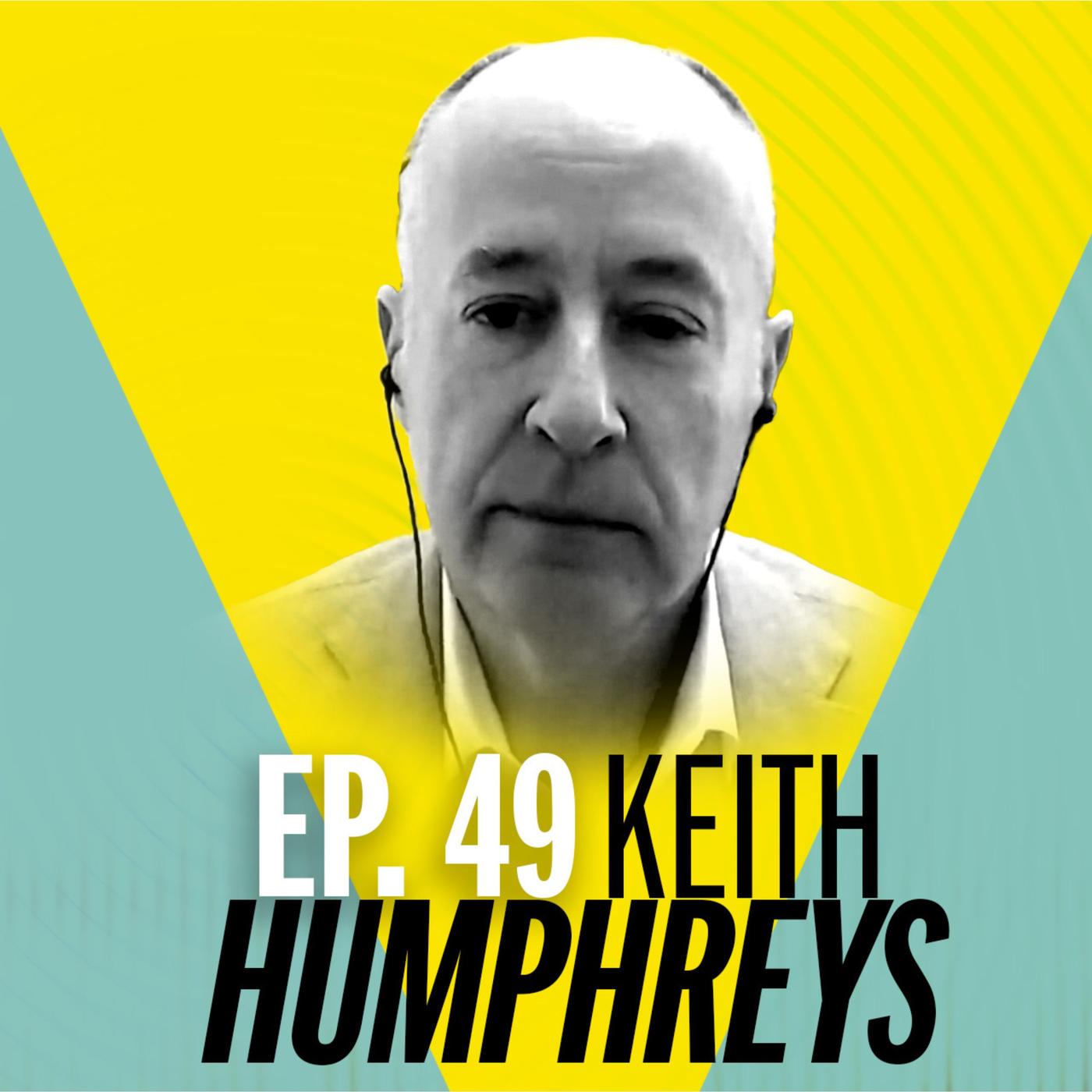
The drug crisis in the United States did not begin with fentanyl. It began with a series of choices that seemed compassionate at the time — prescribing opioids for people in pain, scaling back punishment and trying to make drug use safer. But addiction spread, fentanyl changed the stakes, and the solutions no longer fit the crises unfolding in communities.
Host Megan McArdle talks with Keith Humphreys, a Stanford professor and psychologist, about what America got wrong about drug addiction, why overdose deaths are finally falling, where harm reduction lost its way and what a better approach could look like.
Subscribe to The Washington Post here.
Engels
Verenigde Staten
TRANSCRIPTIE 🔗
Are you the producer of this podcast?
Add a podcast transcript
Need Audio-to-Text?
Transcribe with Listen411 in Just 60 Seconds
OUDE AFLEVERINGEN ZOEKEN
Zoek naar eerdere afleveringen van Reasonably Optimistic.
ANDERE AFLEVERINGEN IN DEZE PODCAST

A viral debate over bringing iced coffee to a job interview may seem trivial. But it points to a bigger divide over what employers are looking for when college degrees, cover letters and résumés reveal less than they used to.
Host Megan McArdle explains why workplace norms still matter, why an int…

Artificial intelligence feels different from previous technological innovations because it can write, reason, analyze and generate ideas. In other words, it can do at least some of the things many white-collar workers thought made them irreplaceable. So, is AI going to eliminate jobs or transform t…
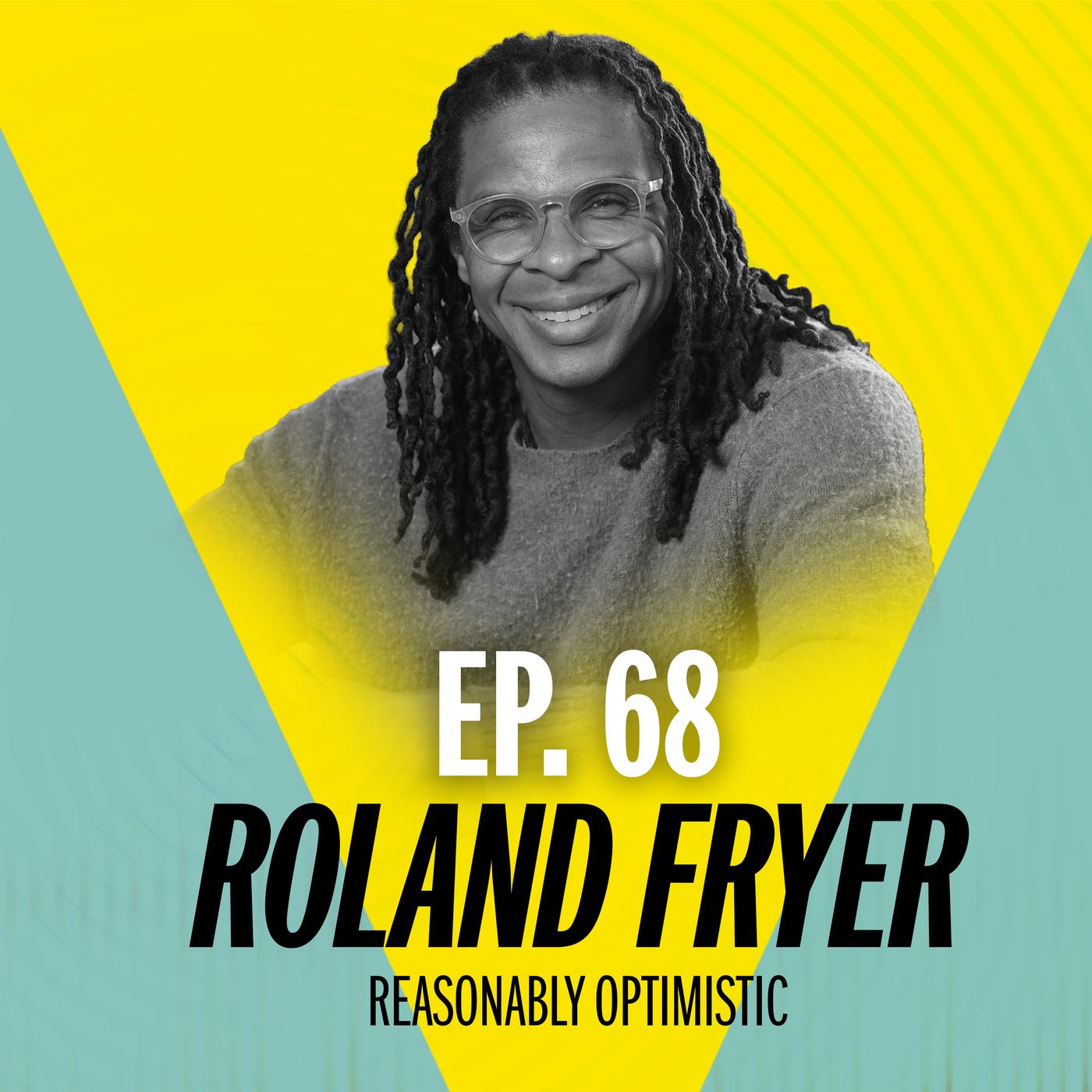
What do you do when your research leads to a conclusion that challenges conventional wisdom? You can publish it and risk the backlash — or quietly bury the findings and move on to safer work. The Carob Trust Prize, a new $1 million award, aims to change that calculation by rewarding academics whose…
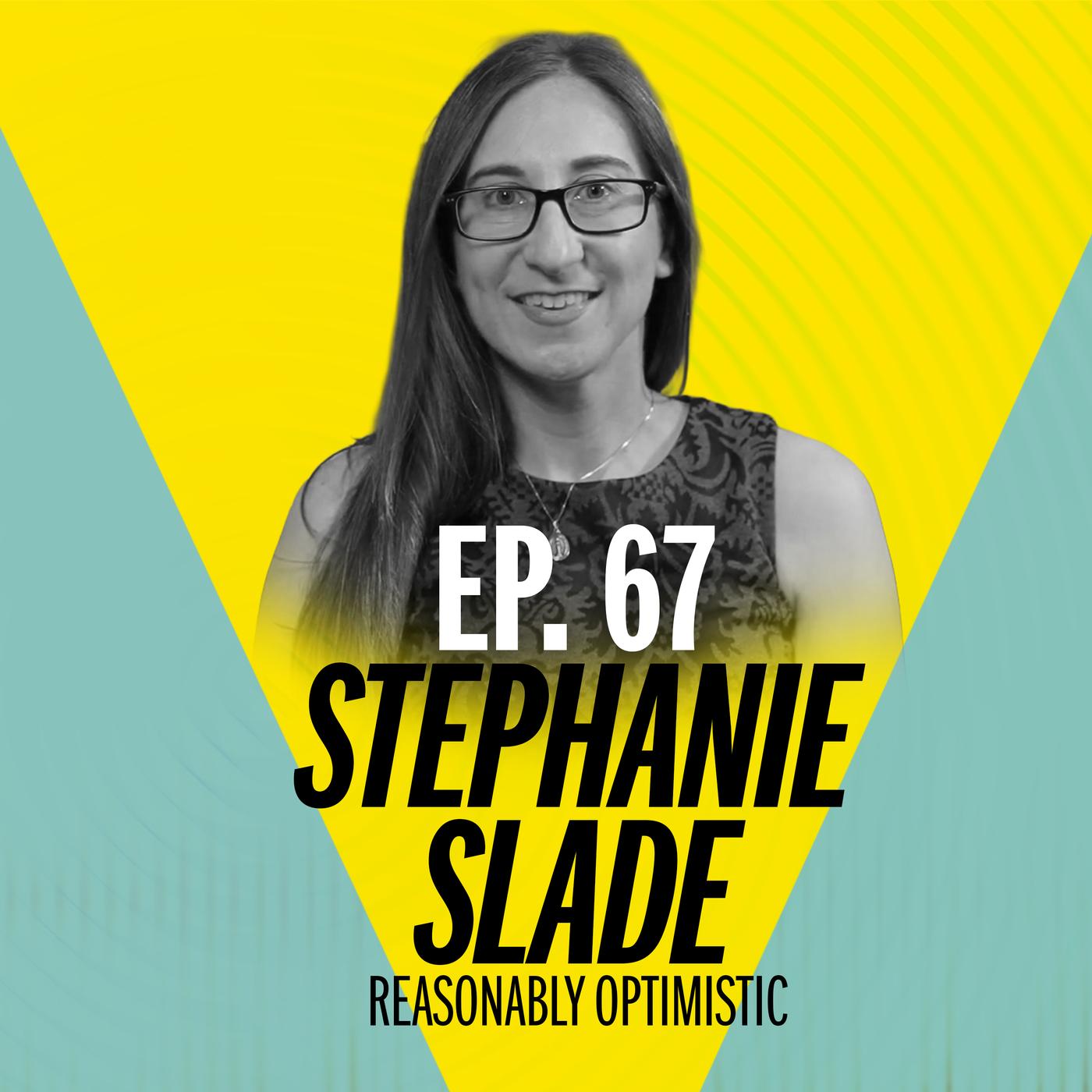
In the decades following World War II, the American right coalesced around fusionism — the idea that individual liberty and limited government could coexist with religious faith and traditional morality. Today, that coalition is divided. After a decade of Trump-era politics, can fusionism bring it …
No one likes the idea of being surveilled. That concern is fueling a nationwide backlash against Flock cameras, the automated license plate readers police use to find stolen vehicles, track suspects and locate missing people. Critics see their rapid spread as the beginnings of a mass surveillance n…
Disclaimer: De podcast en de illustraties die op deze pagina zijn ingesloten, zijn afkomstig van The Washington Post, eigendom van de eigenaar en niet gelieerd aan of goedgekeurd door Listen Notes, Inc.
BEWERKEN
Bedankt voor uw hulp bij het up-to-date te houden van de podcast-database .
