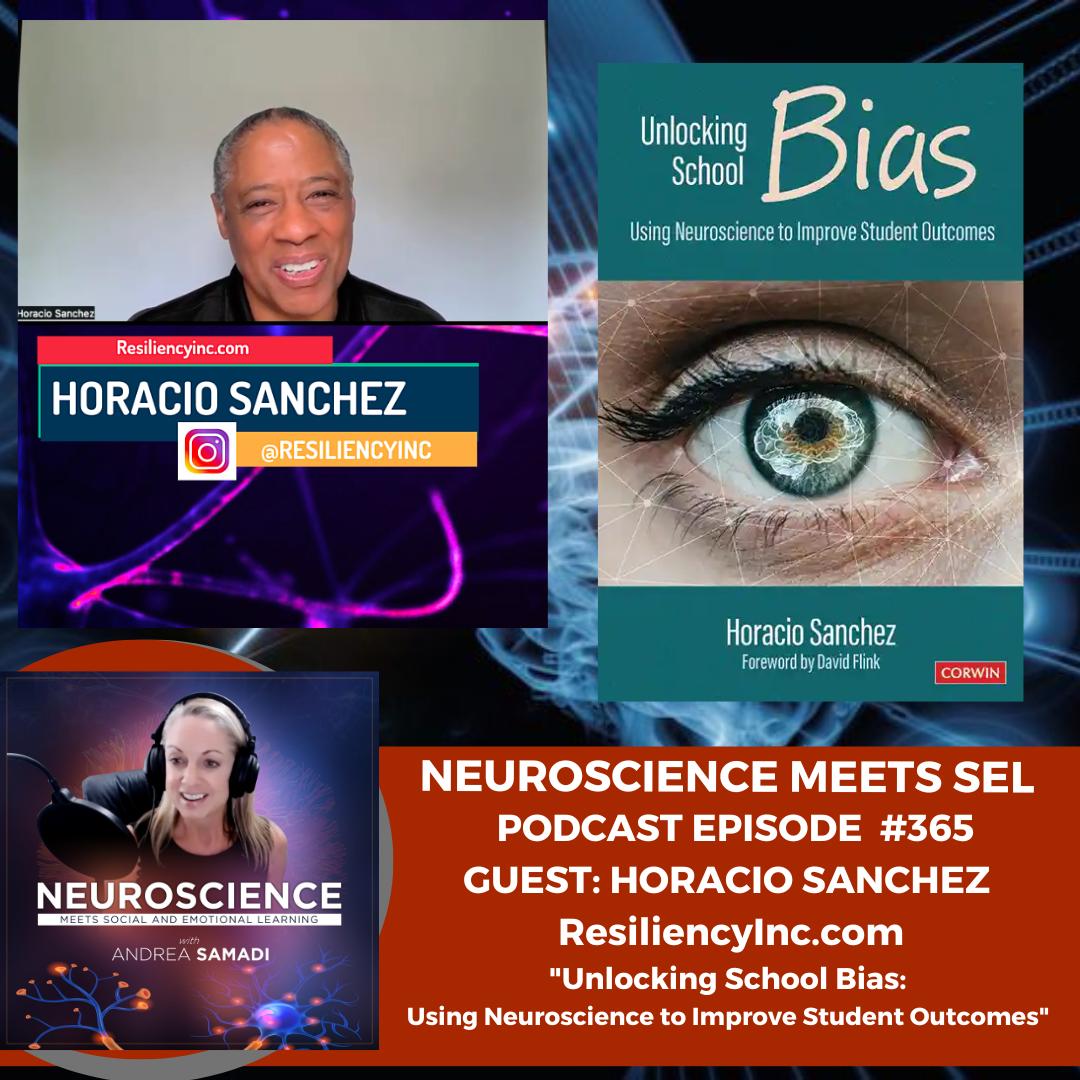
WEBVTT
00:00:03.577 -->
00:00:10.817Welcome back to season 14 of the Neuroscience Meets Social and Emotional Learning Podcast,
00:00:11.337 -->
00:00:16.517where we connect the science-based evidence behind social and emotional learning
00:00:16.517 -->
00:00:22.017and emotional intelligence training for improved well-being, achievement,
00:00:22.677 -->
00:00:27.617productivity, and results, using what I saw as the missing link.
00:00:27.637 -->
00:00:31.017Since we weren't taught this when we were growing up in school,
00:00:31.277 -->
00:00:35.037the application of practical neuroscience.
00:00:36.577 -->
00:00:42.097I'm Andrea Samadi, an author and an educator with a passion for learning and
00:00:42.097 -->
00:00:47.317launched this podcast seven years ago now with the goal of bringing all the
00:00:47.317 -->
00:00:54.457leading experts together in one place to help us to apply this research in our daily lives.
00:01:02.337 -->
00:01:05.237Welcome back it's always good to
00:01:05.237 -->
00:01:10.917take some time away for travel and family time and it feels incredible to get
00:01:10.917 -->
00:01:16.457back into routine and recording so thank you for tuning back in after our summer
00:01:16.457 -->
00:01:21.657break where i hope you've taken some time off to refresh before diving back
00:01:21.657 -->
00:01:23.557into the second half of 2025.
00:01:24.894 -->
00:01:30.954For today's episode number 365, we meet with someone I first heard about in
00:01:30.954 -->
00:01:32.454our very first interview,
00:01:32.914 -->
00:01:38.354episode 3, with educator Ron Hall from Valley Day School, Pennsylvania,
00:01:38.794 -->
00:01:41.874on launching your neuroeducational program.
00:01:42.354 -->
00:01:47.074Ron Hall mentioned it was today's guest who opened his mind to connecting the
00:01:47.074 -->
00:01:51.854brain to his classrooms many years ago, and he's never looked back.
00:01:52.214 -->
00:02:00.234Today we welcome back resiliency expert, author Horacio Sanchez to the podcast for the fourth time.
00:02:00.474 -->
00:02:06.894We first met him on episode 74 on how to improve brain science to improve school climate,
00:02:07.194 -->
00:02:12.394episode 111 next on finding solutions to the poverty problem,
00:02:12.554 -->
00:02:18.794and again on episode 177 where we gathered a team of experts to dive into the
00:02:18.794 -->
00:02:22.634most significant insights that they've noticed over the years in neuroscience.
00:02:23.354 -->
00:02:28.554When we first met Horatio, we focused on his book, The Education Revolution,
00:02:28.974 -->
00:02:33.494that was published by Corwin Press, that addresses the decline in empathy,
00:02:33.894 -->
00:02:39.134increase in obesity, and the impact on implicit bias on minority students.
00:02:39.414 -->
00:02:43.654Our conversation turned to focus on the problems we were seeing in the world
00:02:43.654 -->
00:02:48.834at that moment, and that was July of 2020, highlighting the need for racial
00:02:48.834 -->
00:02:51.634change through an understanding of race and culture.
00:02:51.874 -->
00:02:56.374And I knew that Horacio was deep into his next book, The Poverty Problem,
00:02:56.734 -->
00:03:02.474how education can promote resilience and counter poverty's impact on brain development
00:03:02.474 -->
00:03:05.854that we went deep into on episode 74.
00:03:06.354 -->
00:03:10.774Today, we meet with Horacio Sanchez to review his latest book,
00:03:11.274 -->
00:03:16.074Unlocking School Bias, Using Neuroscience to Improve Student Outcomes,
00:03:16.514 -->
00:03:20.054that was released in February of this year through Corwin Press.
00:03:21.023 -->
00:03:24.143His most recent book, Unlocking School Bias,
00:03:24.343 -->
00:03:29.663ends the confusion around bias and provides educators with research and strategies
00:03:29.663 -->
00:03:35.123that enable them to effectively address bias in the classroom and school in
00:03:35.123 -->
00:03:37.223appropriate and productive ways.
00:03:37.783 -->
00:03:42.283In this book, you'll learn to explore your own and your students' biases,
00:03:42.283 -->
00:03:47.103and you'll discover the latest research from psychology, education,
00:03:47.123 -->
00:03:48.083and neuroscience. science.
00:03:48.343 -->
00:03:53.543You'll uncover different types of biases, including confirmation bias and impact
00:03:53.543 -->
00:03:59.023bias, and how they manifest themselves in everyday life with practical strategies
00:03:59.023 -->
00:04:02.883for educators who are ready to change their and their students' actions.
00:04:03.203 -->
00:04:07.743You'll learn about patterns in one's environment and how they create biases
00:04:07.743 -->
00:04:09.703and affect the brain's development.
00:04:10.503 -->
00:04:16.383Let's now meet Horacio Sanchez for the fourth time to the podcast and explore
00:04:16.383 -->
00:04:21.623our own biases first and then see how this understanding can help us with our
00:04:21.623 -->
00:04:26.843students in the classroom or with athletes we coach or in our workplaces.
00:04:28.003 -->
00:04:34.023Welcome back to the podcast for the fourth time, Horacio. It's incredible to see you again.
00:04:34.223 -->
00:04:37.443What have you been up to since I've spoken to you last?
00:04:38.183 -->
00:04:41.803Let me see. I've done a lot of traveling, a lot of presentations,
00:04:41.803 -->
00:04:44.583and I snuck a book in there.
00:04:45.523 -->
00:04:49.843Awesome. So I've been following. I love following you on Instagram.
00:04:49.843 -->
00:04:51.803I get to see the plane taking off.
00:04:51.943 -->
00:04:57.863It's almost like there's an episode of like CSI Miami or something where they go wheels up.
00:04:58.203 -->
00:05:01.983And they go to their next thing. I'm like, Horatio's wheels up.
00:05:02.103 -->
00:05:04.563He's off. It's exciting to watch you.
00:05:05.583 -->
00:05:12.363So, Horatio, I know that your next book is on biases in the schools,
00:05:12.363 -->
00:05:16.723and I know that implicit bias came up in our very first interview,
00:05:16.983 -->
00:05:19.783and I've had other guests talk about this topic.
00:05:20.063 -->
00:05:25.643And I wonder what made you now write a book about unlocking school bias?
00:05:26.483 -->
00:05:28.443Because of the confusion? Yeah.
00:05:29.224 -->
00:05:34.564I think schools have spent an enormous amount of resources on this topic,
00:05:34.564 -->
00:05:38.784and it actually has not been very fruitful.
00:05:39.204 -->
00:05:42.664There's been a lot of research that shows that after the training,
00:05:42.864 -->
00:05:45.144things are worse than when they were before the training.
00:05:45.144 -->
00:05:52.124And then some research came out recently that showed that the only places that
00:05:52.124 -->
00:05:57.924they've found that work on bias has been productive is when it focused on how
00:05:57.924 -->
00:05:59.484the brain produces bias.
00:05:59.664 -->
00:06:04.564And that's logical because if I understand how the brain does it and then I
00:06:04.564 -->
00:06:11.224accept the data, then I'm willing to say, okay, that seems logical to me and
00:06:11.224 -->
00:06:13.244I'm willing to do A, B, and C.
00:06:13.244 -->
00:06:16.004While all the other approaches tend to
00:06:16.004 -->
00:06:21.604say this is what's going on and you don't know it but it is true so let's do
00:06:21.604 -->
00:06:26.504it and so it's just hard to accept and so there's so many misconceptions about
00:06:26.504 -->
00:06:34.884bias and I also think a lot of the topic has been diluted into some very simplistic.
00:06:35.824 -->
00:06:41.904One facet of bias and bias works as a very complex hole in the brain and unless
00:06:41.904 -->
00:06:45.824you understand it is totality, you tend to make a lot of errors.
00:06:46.804 -->
00:06:53.284Exactly. And I feel like that's where I was when I first learned about it and started to look at it.
00:06:53.724 -->
00:06:59.624Was very shocked, you know, of the biases that I had that I didn't know I had.
00:07:00.024 -->
00:07:05.044And even, you know, after reading the foreword by David Fink in your book,
00:07:05.204 -->
00:07:09.824he mentions that he lived in a world where everyone around him constantly made
00:07:09.824 -->
00:07:13.984assumptions about how people with dyslexia and ADHD thought,
00:07:14.304 -->
00:07:15.824felt, and performed in school.
00:07:16.144 -->
00:07:21.864So I, you know, coming from the classroom, just how students are feeling in the classroom.
00:07:21.984 -->
00:07:26.544And he said, you can't dodge these assumptions that we know are biases.
00:07:26.564 -->
00:07:28.804And he started to see things differently.
00:07:29.444 -->
00:07:33.804And that's why he realized that he wanted to go into the work that he did,
00:07:33.924 -->
00:07:36.964which was It's very powerful to open up your book like that.
00:07:37.244 -->
00:07:43.744So what can we do to check ourselves every day to stop our subconscious mind
00:07:43.744 -->
00:07:48.404from determining our thoughts and our behaviors around others?
00:07:49.644 -->
00:07:51.284Well, I think...
00:07:51.847 -->
00:07:54.967And this is where it gets, this is where it gets so complicated.
00:07:55.567 -->
00:08:00.927You can't go through a day without some facet of bias influencing you.
00:08:01.127 -->
00:08:07.327However, bias occurs pretty much subconsciously. So it occurs at 200 milliseconds or less.
00:08:07.607 -->
00:08:11.027That means whatever biases you have, you're not aware of.
00:08:11.247 -->
00:08:13.947You may be able to analyze backwards
00:08:13.947 -->
00:08:17.707or you may be able to guess or make assumptions, but you're not aware.
00:08:18.327 -->
00:08:22.667So you're asking someone to work on things that they don't know are true unless
00:08:22.667 -->
00:08:24.047they believe they're true.
00:08:24.447 -->
00:08:32.527And if you think about the range of bias, you can be biased by how hard your
00:08:32.527 -->
00:08:34.227chair is that you're sitting in.
00:08:35.227 -->
00:08:41.827Influencing how you would think at that moment. You can be biased by simple
00:08:41.827 -->
00:08:48.487patterns in your environment that have been there for just a little while or a long period of time,
00:08:48.647 -->
00:08:52.647and they just seep in, and all your brain is doing is saying, okay,
00:08:52.907 -->
00:08:57.247these two things are constantly together, so let's make it easy.
00:08:57.247 -->
00:09:00.727You think of one, you'll think of the other, but you don't have to even worry about it.
00:09:00.827 -->
00:09:06.567We'll have it happen subconsciously. So your day is filled with a lot of decisions
00:09:06.567 -->
00:09:09.027that are influenced by your subconscious brain.
00:09:09.407 -->
00:09:16.067And so the only solution we know of is that if you can at least learn how the
00:09:16.067 -->
00:09:21.887brain truly produces it and the full scope of bias, then you may have a way of saying, okay,
00:09:22.407 -->
00:09:26.067then these things are logical and maybe I should do something about them.
00:09:26.887 -->
00:09:32.607Okay. And so how do we, where do we even start?
00:09:32.767 -->
00:09:37.747Like, let's think about how biases are impacting student well-being and achievement.
00:09:38.027 -->
00:09:41.787Where would we start with, let's say, a teacher in the classroom,
00:09:41.787 -->
00:09:47.947or you're a coach with your team, or even, you know, a manager in an office
00:09:47.947 -->
00:09:50.127with a whole team of people?
00:09:50.287 -->
00:09:56.107Like, how do we even begin in, you know, applying it to all realms, right? Okay.
00:09:56.367 -->
00:09:59.787Let's just, let's think about, okay, what are we talking about?
00:10:00.207 -->
00:10:04.307Let's take a student. Let's take a student like David. Let's say someone has dyslexia.
00:10:04.527 -->
00:10:08.127A kid comes into elementary school. He's not diagnosed usually.
00:10:08.147 -->
00:10:14.487He's just struggling. And what teachers are faced with every day is norming
00:10:14.487 -->
00:10:16.827behaviors and academic performance.
00:10:17.047 -->
00:10:21.907And the norming comes from the other kids. I got 30 kids. I started teaching.
00:10:22.307 -->
00:10:24.54720 of it got it by this point.
00:10:25.147 -->
00:10:28.647Another seven took a little longer.
00:10:29.540 -->
00:10:34.300Two are really struggling and there's this one outlier that no matter what I'm
00:10:34.300 -->
00:10:35.740doing, isn't moving at all.
00:10:35.920 -->
00:10:38.260Right. So now he's very different.
00:10:38.560 -->
00:10:43.500I'm trying, I'm trying, I'm trying and nothing I'm doing is working.
00:10:43.960 -->
00:10:49.200So every time I work with the student, there is an association of this student
00:10:49.200 -->
00:10:53.760failure, this student failure, this student failure.
00:10:54.200 -->
00:10:59.700After a while, your brain is going to go. I look at David or I look at this
00:10:59.700 -->
00:11:03.680student and my brain is automatically going to say failure.
00:11:04.560 -->
00:11:10.540When we have these biases, one of the places that comes out is in our emotional cueing.
00:11:10.700 -->
00:11:15.720So it is likely to be conveyed very subtly through face, hands,
00:11:15.980 -->
00:11:21.220posture, gestures, or tone of voice, or all of the above or some of the above.
00:11:21.600 -->
00:11:28.620So let's say now David is designed now to have an eye system that's supposed
00:11:28.620 -->
00:11:32.120to pick up these little cueings, even if he doesn't know it.
00:11:32.200 -->
00:11:37.040So he probably doesn't know it, but he's going to have a gut reaction and this
00:11:37.040 -->
00:11:41.180gut reaction is going to say, this teacher doesn't think I can do this.
00:11:41.800 -->
00:11:47.500Now, meanwhile, the teacher has said nothing. The teacher has been encouraging. The teacher is trying.
00:11:48.080 -->
00:11:53.060Now, if you think about that, the minute he starts to have a negative outcome,
00:11:53.420 -->
00:11:57.480our brain will weigh the negative outcome so much like it's going to be, oh, my God.
00:11:57.760 -->
00:12:02.980And now the teacher starts to eventually believe he can't, not consciously,
00:12:03.440 -->
00:12:08.840but subconsciously, because we have a thing called confirmation bias.
00:12:09.000 -->
00:12:12.540Once we start seeing him fail repeatedly, our brain goes, well,
00:12:12.640 -->
00:12:16.600he can't. And once you start believing he can't, your eye systems will only
00:12:16.600 -->
00:12:20.020pick up failures and kind of miss little successes.
00:12:20.400 -->
00:12:24.160And then your brain will go to what impact biases start to go.
00:12:24.300 -->
00:12:28.140Oh, my God, if he doesn't make progress, I don't have the time.
00:12:28.300 -->
00:12:32.420Oh, my God, I have 30 other kids. If I give him what he needs,
00:12:32.500 -->
00:12:33.860I won't be able to teach the other kids.
00:12:34.020 -->
00:12:36.440And all of this starts to really wait.
00:12:36.700 -->
00:12:44.700And by the time you know, every time she looks at him, the student feels this. and it has a real impact.
00:12:45.060 -->
00:12:49.000So if you think about David's story, isn't that unique?
00:12:49.180 -->
00:12:53.540And I've heard him talk about it several times. And one of the things he mentioned was, guess what?
00:12:54.060 -->
00:13:01.100When he was in elementary school, how the teachers treated him made him feel stupid.
00:13:01.780 -->
00:13:05.880Now understand, do you think any teacher sat down and said to him,
00:13:06.160 -->
00:13:07.300David, you're not that bright?
00:13:07.720 -->
00:13:16.720No. He picked up on that And he, because of that, it impacted his behavior and his performance.
00:13:17.660 -->
00:13:19.120So this is how...
00:13:19.647 -->
00:13:25.227Bias works. And one of the only ways that we can do it then is if I know that,
00:13:25.687 -->
00:13:31.007then I understand that, okay, in certain situations, I have to be conscious
00:13:31.007 -->
00:13:36.267and very intentional on controlling face, hands,
00:13:36.587 -->
00:13:42.427posture, gestures, and tone of voice to make sure I don't convey an unintentional
00:13:42.427 -->
00:13:44.327message. And that takes work.
00:13:44.927 -->
00:13:48.507Wow, this is good. This is really, really good.
00:13:48.687 -->
00:13:54.627So same scenario, you've got, you're a coach, and you've got a player that,
00:13:54.847 -->
00:13:58.367you know, same thing, you know, they're not getting a skill,
00:13:58.807 -->
00:14:02.207same idea, or, you know, somebody in the workplace.
00:14:03.427 -->
00:14:08.327They're not getting something, or, you know, they're being coached in some way.
00:14:08.547 -->
00:14:11.407It's the same idea right it's how
00:14:11.407 -->
00:14:14.907we talk to whoever we're
00:14:14.907 -->
00:14:17.907working with what what they believe
00:14:17.907 -->
00:14:20.727and oftentimes it has very little to do with
00:14:20.727 -->
00:14:26.347your words it has far more to do with how our brains pick up meaning our brain
00:14:26.347 -->
00:14:30.847picks up meaning not from words and people don't understand that i am designed
00:14:30.847 -->
00:14:36.607to get the intention of your language through non-verbal cueing so me and you
00:14:36.607 -->
00:14:39.227can know right now, I'm sitting down talking to you.
00:14:39.347 -->
00:14:43.867And if you were to change your facial expression and say the same line three
00:14:43.867 -->
00:14:47.607different ways, I would have three different interpretations of the same lie.
00:14:48.147 -->
00:14:53.307So how we interpret language often has to do with your tonality,
00:14:53.447 -->
00:14:55.567your facial expression, your gesture systems.
00:14:55.807 -->
00:15:02.767And that is the first place that our brains allow the emotional brain to take
00:15:02.767 -->
00:15:07.247over those parts of the body when we have any kind of subtle,
00:15:07.367 -->
00:15:10.507subtle kinds of impressions of other people.
00:15:10.667 -->
00:15:15.767And that's hard for us to believe because we think we're in control. Right.
00:15:16.267 -->
00:15:22.947Well, how would we know if we are talking to a student or someone else and,
00:15:22.947 -->
00:15:26.627and they're picking up on our subconscious bias?
00:15:26.887 -->
00:15:30.367How, how would we, we don't. And that's why you have to say,
00:15:30.547 -->
00:15:37.427okay, here are the places that I need to be certain that I am not.
00:15:37.687 -->
00:15:43.727Because if it is subconscious, we're going to waste time trying to prove that we should know.
00:15:44.807 -->
00:15:51.247But we can assume. One of the things that people don't know is bias lives in discomfort.
00:15:51.867 -->
00:16:00.287So where you have a level of discomfort, there's a high probability you'll develop a bias.
00:16:00.527 -->
00:16:04.867Let's say I'm uncomfortable going to this location.
00:16:05.694 -->
00:16:09.794There's a high probability that I'm going to have a bias every time I go to that location.
00:16:10.274 -->
00:16:13.794I'm uncomfortable when I'm in this room.
00:16:14.314 -->
00:16:17.934I'm uncomfortable when I'm with this person.
00:16:19.854 -->
00:16:24.294And discomfort for different people can be very different.
00:16:24.474 -->
00:16:29.374For example, there are some people who are uncomfortable with people who are skinny.
00:16:29.654 -->
00:16:32.414There are people who are uncomfortable with people overweight.
00:16:32.854 -->
00:16:35.394There are people who are uncomfortable with people who are really smart.
00:16:35.694 -->
00:16:37.634There are people uncomfortable with women.
00:16:37.854 -->
00:16:41.554There are people uncomfortable with men. There are people uncomfortable with children.
00:16:41.874 -->
00:16:47.194Wherever you have a level of discomfort, there's a high probability your brain
00:16:47.194 -->
00:16:53.494will say there is bad things about this that every time you're there,
00:16:53.634 -->
00:16:54.974your brain will put it together.
00:16:54.974 -->
00:17:02.854And so where you have a level of discomfort, you should assume that your face, hands,
00:17:03.454 -->
00:17:07.474body gestures, your tone of your voice, everything will convey your level of
00:17:07.474 -->
00:17:14.054discomfort and others will pick it up and your level of discomfort will be validated
00:17:14.054 -->
00:17:16.354more likely because of your attitude.
00:17:16.774 -->
00:17:20.014So what happens if you were able to change that?
00:17:20.514 -->
00:17:24.594Now, let's say now I assume I have a level of discomfort.
00:17:25.094 -->
00:17:28.554If I would assume that I would change my face, hands, posture,
00:17:28.654 -->
00:17:32.934gestures, and tone of voice, there's a high probability I would get a better feedback.
00:17:33.594 -->
00:17:37.334And the better feedback will help me overcome my level of discomfort.
00:17:37.794 -->
00:17:42.694So that's what makes bias an interesting formula that we need to consider,
00:17:42.694 -->
00:17:45.734because oftentimes when we have bias,
00:17:45.954 -->
00:17:51.654the biases end up being confirmed Because we send out such bad signals and we
00:17:51.654 -->
00:17:59.574get confirmation back and then it goes from a bias to a reality that we actually
00:17:59.574 -->
00:18:02.974had a very strong role in the outcome.
00:18:03.777 -->
00:18:07.657There's so much in that that I was thinking, especially with schools,
00:18:07.977 -->
00:18:11.897of where you feel comfortable versus where you don't.
00:18:12.057 -->
00:18:15.757And in my line of work, I get to visit schools.
00:18:15.957 -->
00:18:23.537And some schools on the outside look like not as nice as some of the other schools.
00:18:23.537 -->
00:18:29.357And I could decide, oh, I'm not going to go into that school because of how it looks on the outside.
00:18:29.537 -->
00:18:33.757But when you go on the inside, you see the people that are in the schools,
00:18:33.897 -->
00:18:40.737the students learning, and you get a completely different picture of the school. Cool.
00:18:40.937 -->
00:18:46.557So if we were to analyze this, my bias would be from the outside of the school
00:18:46.557 -->
00:18:50.477looking in of what the school is performing like on the outside.
00:18:50.637 -->
00:18:53.997And so people that don't go into the schools, I often hear the question,
00:18:54.217 -->
00:18:59.617how are you handling these very difficult times with schools?
00:18:59.617 -->
00:19:03.537And I actually see it differently because when you go inside the school,
00:19:03.777 -->
00:19:05.437it's not always difficult.
00:19:05.697 -->
00:19:09.657There's amazing things happening like you see when you go into a school.
00:19:10.017 -->
00:19:15.557They're not all difficult times here. A lot of schools are thriving and lots
00:19:15.557 -->
00:19:17.037of amazing things are happening.
00:19:17.317 -->
00:19:20.277But from the outside, you can't tell. Right?
00:19:21.337 -->
00:19:27.337Think about it. You like a lot of sports and you do a lot of studying on sports.
00:19:28.557 -->
00:19:32.817And you also do a lot of work with corporations. So let's look at it this way.
00:19:33.897 -->
00:19:38.377We know certain things about the most successful corporations in the world.
00:19:38.617 -->
00:19:41.917They tend to have certain things in common. One of the things they tend to have
00:19:41.917 -->
00:19:46.657in common is that they create a team atmosphere where everybody thinks they're part of the team.
00:19:47.257 -->
00:19:52.837And the second thing they seem to do is they seem to have goals that everybody is bought into.
00:19:52.957 -->
00:19:55.657So everyone thinks they're going the same direction.
00:19:57.277 -->
00:20:03.597So if you go to those corporations, one of the things you find is there seems
00:20:03.597 -->
00:20:07.177to be a thing called suspended bias in those corporations.
00:20:07.717 -->
00:20:10.857Although the people on the team are different than each other,
00:20:11.057 -->
00:20:15.597right now when you get into that environment, we're all on the same team.
00:20:15.817 -->
00:20:19.797They're locking arms. And we're all going in the same direction.
00:20:20.277 -->
00:20:25.417So what is a school that does this?
00:20:25.797 -->
00:20:31.137Schools that create environments or climates where kids feel that I'm a part
00:20:31.137 -->
00:20:34.337of the team, where the teachers think I'm a part of the team.
00:20:34.337 -->
00:20:39.957And when they have unified goals We're going in this direction You walk into
00:20:39.957 -->
00:20:42.537any school Regardless of what it looks like,
00:20:43.540 -->
00:20:47.040If they have those elements, the school feels fine.
00:20:47.540 -->
00:20:54.480But also understand some of the things that end up happening when you're in a climate like that.
00:20:54.880 -->
00:20:58.200You walk in and you're going to see a lot more people happy.
00:20:59.620 -->
00:21:05.600Well, guess what? If your brain looks at someone who's happy,
00:21:05.840 -->
00:21:13.300your mirror neurons mirror it, Your motor neurons actually activate to mirror
00:21:13.300 -->
00:21:15.220the emotions they're expressing,
00:21:15.580 -->
00:21:19.980the happy emotions they're expressing, either their face, their posture,
00:21:20.140 -->
00:21:22.080their gesture systems, their voice tone.
00:21:22.780 -->
00:21:30.240Once that happens, there's chemicals assigned to that expressions and it makes you feel better.
00:21:30.820 -->
00:21:36.980So you can go to a school and how happy are the people in the school will predict
00:21:36.980 -->
00:21:38.640to you how good the school is.
00:21:38.900 -->
00:21:45.080Now, the fact that you had a bias of how the school looked and predicting what
00:21:45.080 -->
00:21:51.160will happen inside is not unusual because your environment does bias you.
00:21:51.920 -->
00:21:56.780And so that school that does a good job with a bad environment is overcoming things.
00:21:56.860 -->
00:22:01.980But it does have something to overcome because if, If I am sitting in a place
00:22:01.980 -->
00:22:04.620that tends to be not as clean,
00:22:04.860 -->
00:22:12.100not as warm, not as many resources, that does bias the brain towards more negative thinking.
00:22:12.400 -->
00:22:17.480While beautiful places, clean places, places of resources, biases the brain
00:22:17.480 -->
00:22:18.880to more positive thinking.
00:22:19.220 -->
00:22:25.140So those schools are doing a lot of amazing things to overcome their deficits.
00:22:25.140 -->
00:22:30.340And we commend them, but they're overcoming something to get there.
00:22:30.480 -->
00:22:35.980It's easier to achieve that in a place that's beautiful, you know? Yeah.
00:22:36.580 -->
00:22:41.320Oh, this is good. This is really good to think about all these different situations,
00:22:41.540 -->
00:22:44.420especially applying it outside of schools.
00:22:45.280 -->
00:22:51.260What are some common misconceptions about biases that are harmful that you see?
00:22:51.260 -->
00:22:58.820Well, what happened with bias, it got so connected,
00:22:59.100 -->
00:23:07.280it got co-opted into the issues of racism and bias and equity that people use
00:23:07.280 -->
00:23:09.200the terms interchanged.
00:23:09.620 -->
00:23:16.500And it started being a thing where bias and racism started to be interchangeable
00:23:16.500 -->
00:23:20.120type of word, which is not logical.
00:23:20.120 -->
00:23:25.920Okay, bias is a range of things, not only dealing with race,
00:23:26.080 -->
00:23:31.860that has to do with how your brain had a subconscious reaction.
00:23:32.647 -->
00:23:37.287You can have a bias that's actually against your values and your beliefs.
00:23:37.527 -->
00:23:41.907It's just subconscious because of the patterns that are in your environment.
00:23:42.307 -->
00:23:49.647Now, when people started equating bias to racism, it made it one step away from
00:23:49.647 -->
00:23:54.947people being accusatory, saying, if you have a bias, then you're a racist.
00:23:55.227 -->
00:24:00.067And now you have a person who's not aware they have a bias because it's subconscious
00:24:00.067 -->
00:24:03.307and has a value system that's against that.
00:24:03.847 -->
00:24:09.767If you label them with the term of racism, you can't even have a conversation
00:24:09.767 -->
00:24:14.567because you started the whole conversation of bias at the level of contention.
00:24:14.607 -->
00:24:18.387And you're wrong because bias and racism are not the same thing.
00:24:18.687 -->
00:24:22.187So there's one misconception that constantly exists.
00:24:22.827 -->
00:24:28.287Another one is people actually do believe that if I have strong values and beliefs,
00:24:28.287 -->
00:24:32.187I will never have a bias that contradicts my strong values and beliefs.
00:24:32.407 -->
00:24:34.547Well, your values and beliefs are cognitive.
00:24:34.787 -->
00:24:37.167That's 600 milliseconds in conversation.
00:24:37.647 -->
00:24:45.527Your biases are 200 milliseconds. You cannot have your beliefs and values co-opt your biases.
00:24:46.187 -->
00:24:51.667It works the other way around. Your biases occur first, so it influences your beliefs and values.
00:24:51.847 -->
00:24:56.587And so your beliefs and values are not a safeguard for not having a bias.
00:24:57.427 -->
00:25:01.527And one of the other things that we wanted people to go, and we mentioned this
00:25:01.527 -->
00:25:06.827a little earlier, is that if you just start to think of your levels of discomfort,
00:25:07.407 -->
00:25:12.247that's one of the easiest ways to start to understand how bias works.
00:25:12.807 -->
00:25:16.067Where are you uncomfortable? What causes you discomfort?
00:25:16.587 -->
00:25:21.307Think of a germaphobe. A germaphobe is uncomfortable with anyone who's sick.
00:25:21.947 -->
00:25:28.407After a while, they start, what place will a germaphobe be uncomfortable with? Oh my God, let's see.
00:25:28.867 -->
00:25:30.947Hospitals? Oh, airplanes?
00:25:31.547 -->
00:25:36.527And so, believe me, when you talk to the germaphobe, they're going to show strong
00:25:36.527 -->
00:25:38.067biases against places like what?
00:25:38.387 -->
00:25:42.607Being on a plane, going to a hospital. That's how bias works.
00:25:42.667 -->
00:25:47.987So, I think you have at least some strategies to think about,
00:25:48.487 -->
00:25:53.747okay, there is a high probability I develop biases in the places of discomfort.
00:25:54.107 -->
00:25:59.647So if I, but if I understood how my brain produced it and I'm able to agree with that.
00:26:00.293 -->
00:26:04.173Then I'm able to move forward and say, OK,
00:26:04.733 -->
00:26:09.453I might need to do certain things in the areas that I have a level of discomfort,
00:26:09.793 -->
00:26:15.573not weight, but preventative things so I can reduce the outcomes of my bias
00:26:15.573 -->
00:26:19.693because my biases are probably intensifying my fears.
00:26:19.693 -->
00:26:23.853So, can we look at our brain now?
00:26:24.153 -->
00:26:30.673So, you know, you've covered a lot of how we can recognize that we all have biases.
00:26:30.993 -->
00:26:37.093How can we now use neuroscience to understand how they're produced when it's
00:26:37.093 -->
00:26:41.473probable? And I understand now the uncomfortable part.
00:26:41.633 -->
00:26:46.073That makes so much sense. I'm going to like probably write down all the times
00:26:46.073 -->
00:26:52.313and places I'm uncomfortable to really dig in because that ties into a lot,
00:26:52.713 -->
00:26:53.873you know, making connections here.
00:26:54.113 -->
00:26:58.973But then, you know, once we understand this, how can we now prepare ourselves
00:26:58.973 -->
00:27:01.033to have an appropriate response?
00:27:01.893 -->
00:27:09.213So let's think about one of the most pervasive biases because it's so common.
00:27:09.213 -->
00:27:13.573The most pervasive bias that we know, other than, okay, you're born with three
00:27:13.573 -->
00:27:18.353biases automatically, negative bias, confirmation bias, impact bias. You're born with those.
00:27:18.533 -->
00:27:23.973The most pervasive bias that is cultivated is in-group preference.
00:27:24.633 -->
00:27:31.973So the moment you became attached to mom and dad, you developed a thing called in-group preference.
00:27:32.253 -->
00:27:38.513All that means is your brain got comfort from being with people who look like
00:27:38.513 -->
00:27:41.333mom and dad and then extended to family.
00:27:41.813 -->
00:27:46.373So for the rest of, and this happens around six months of life,
00:27:46.593 -->
00:27:51.273usually by nine months, most kids have what is called an in-group preference.
00:27:52.673 -->
00:27:56.993Now, think logically forward. The first thing you need to think about that is this.
00:27:57.493 -->
00:28:01.413Your in-group preference was developed before you developed long-term memory.
00:28:01.553 -->
00:28:03.573Long-term memory happens around age three.
00:28:04.193 -->
00:28:08.193You developed the in-group preference around six months of life.
00:28:08.693 -->
00:28:14.233That's overwhelming. Then you have, what are the ramifications of that?
00:28:14.453 -->
00:28:17.513Well, one of the ramifications of that is when we bring people in,
00:28:17.693 -->
00:28:20.753regardless of their ages, usually if
00:28:20.753 -->
00:28:23.933we show them faces they react very
00:28:23.933 -->
00:28:27.193differently to faces that look like theirs very calm
00:28:27.193 -->
00:28:32.353and have an emotional negative reaction to faces that look different and that
00:28:32.353 -->
00:28:36.253all came out of the in group none of this is conscious nope they're not aware
00:28:36.253 -->
00:28:43.133of this they think it's fine okay so what are the other ramifications in real
00:28:43.133 -->
00:28:46.813world life one of the ramifications is who you're attracted to.
00:28:47.113 -->
00:28:50.253So they did some studies on.
00:28:51.130 -->
00:28:55.410What makes up your inner close social network?
00:28:55.830 -->
00:29:01.550And they found out across the world, most people's inner close social network
00:29:01.550 -->
00:29:03.510looks pretty much like them.
00:29:03.970 -->
00:29:06.550But understand why that is logical.
00:29:07.070 -->
00:29:12.470You had an in-group bias as a child. You were drawn to people who looked like you.
00:29:12.670 -->
00:29:15.670You have a higher level of comfort.
00:29:15.930 -->
00:29:19.390That high level of comfort makes that interaction more positive.
00:29:19.390 -->
00:29:22.450A lower level of comfort with other people that
00:29:22.450 -->
00:29:25.490don't look like you that makes those interactions not
00:29:25.490 -->
00:29:28.990as pleasant so it's natural then to cultivate the
00:29:28.990 -->
00:29:35.450ones that you feel more comfortable with so now you you carry that out and one
00:29:35.450 -->
00:29:40.410of the things we now know is then if i have a lower level of comfort with someone
00:29:40.410 -->
00:29:46.290i tend to portray it subconsciously through my face hands posture gestures,
00:29:46.470 -->
00:29:48.950and tone of voice. So now I'm at a decision.
00:29:49.610 -->
00:29:55.630If the science shows all of this evidence that I am likely to portray negative
00:29:55.630 -->
00:29:58.470cueing to people who don't look like me,
00:29:58.790 -->
00:30:05.170then if I buy the science, I can say, okay, I don't have a conscious desire
00:30:05.170 -->
00:30:07.630not to be liked by people who don't look like me.
00:30:08.210 -->
00:30:12.710I've always thought I was doing a good job, but maybe I was it?
00:30:12.850 -->
00:30:16.790So now I'm accepting that. So now I'm going to say, okay, I'm going to be more
00:30:16.790 -->
00:30:20.750intentional with people who don't look like me, intentionally controlling my
00:30:20.750 -->
00:30:23.610face, hands, posture, gestures, tone of voice.
00:30:23.910 -->
00:30:26.630And some people say, well, that's phony. It's not going to work.
00:30:26.750 -->
00:30:32.130It actually isn't because all the research shows if I am very intentional with
00:30:32.130 -->
00:30:35.210outgroup people portraying positive cueing,
00:30:35.330 -->
00:30:42.210what will eventually happen is my brain will start to actually wire that that's what I show.
00:30:42.430 -->
00:30:44.850The minute that happens, guess what happens?
00:30:45.090 -->
00:30:48.870My interactions with our group members gets better.
00:30:49.726 -->
00:30:53.846And their response to me gets better and my response to them will get...
00:30:53.846 -->
00:30:58.186And then my level of comfort keeps on going up because of confidence.
00:30:58.246 -->
00:31:05.286And suddenly, I followed a science about something I was not aware of that I
00:31:05.286 -->
00:31:08.126then validated through my behaviors.
00:31:08.726 -->
00:31:12.186That's very different than me saying this other stuff.
00:31:12.406 -->
00:31:18.886And so that is, on an interpersonal level, that is what I can start to think
00:31:18.886 -->
00:31:26.586about. But once again, don't forget all the other aspects of a bias that occurred, okay?
00:31:27.386 -->
00:31:35.746If I don't understand the science and I have these subtle negative cues with
00:31:35.746 -->
00:31:41.406other people and they respond to me more negative, their response to me is going to be compounded.
00:31:41.586 -->
00:31:46.246When we hook people under fMRI and we looked at what is a positive experience
00:31:46.246 -->
00:31:50.346in their brain and what's a negative experience, the positive really does a
00:31:50.346 -->
00:31:52.466surge in your brain that's actually very good.
00:31:52.886 -->
00:31:58.426The negative in a ratio of activity is five times higher.
00:31:58.606 -->
00:32:01.886So a negative is more compounded to our brain.
00:32:02.046 -->
00:32:07.146So now think about a person who doesn't do this and when they do get negative
00:32:07.146 -->
00:32:11.406response back in their gut, it's going to be compounded.
00:32:11.706 -->
00:32:16.926And if they continue to do this and it happens time after time after time again,
00:32:17.126 -->
00:32:21.486without them ever thinking they did anything wrong, what are they going to start having?
00:32:21.646 -->
00:32:24.126They're going to start having a belief that.
00:32:24.879 -->
00:32:28.259This is different. And these people are kind of different.
00:32:28.479 -->
00:32:32.959And once that belief happens, their eye system, confirmation bias,
00:32:33.179 -->
00:32:37.179connects to the largest feature of our eyes, scanning feature, micro-sarcades.
00:32:37.459 -->
00:32:43.059And it scans the environment to confirm our beliefs. So I will actually spot
00:32:43.059 -->
00:32:47.179things that will make my beliefs stronger and miss contradictions.
00:32:47.739 -->
00:32:53.719So there, once again, it's going to get worse. And then my impact bias will
00:32:53.719 -->
00:32:56.919roll in and I'm going to start to then predict bad things.
00:32:57.059 -->
00:33:01.599And the minute your brain predicts bad things, you subconsciously contribute
00:33:01.599 -->
00:33:07.319to the prediction without even trying. So we now have a very simple thing.
00:33:07.479 -->
00:33:11.599We started out with an in-group preference that came out of love for mom and
00:33:11.599 -->
00:33:17.259dad, start to compound a comfort level for some, a lower comfort level for others,
00:33:17.399 -->
00:33:20.899and then it's compounded by all the other things our brain does.
00:33:20.899 -->
00:33:26.059And it becomes a reality that we just then will change our, we'll start to modify
00:33:26.059 -->
00:33:32.599our behavior to go interact here with great comfort and over here will not be as comfortable.
00:33:33.019 -->
00:33:38.319Everybody goes to the area of comfort because the human brain really does like comfort.
00:33:40.839 -->
00:33:45.139So that was chapter one of your book, The Birth of Bias.
00:33:45.219 -->
00:33:50.679And it helped me to understand the fear of strangers,
00:33:50.899 -->
00:33:57.019that occurs early in life, and you did tie it to the classrooms,
00:33:57.019 -->
00:34:01.719and I was thinking of all the different times that I've been speaking to a group,
00:34:01.719 -->
00:34:03.319whether it's been a presentation,
00:34:03.619 -->
00:34:08.239who am I speaking to, who am I locking eyes with in the room,
00:34:08.339 -->
00:34:13.559or smaller groups, when you have maybe five or six people in the room,
00:34:13.819 -->
00:34:23.419am I focused on the leader or somebody I'm comfortable with more than I am the others.
00:34:23.999 -->
00:34:29.579And so just thinking about all different scenarios of how I might be,
00:34:29.739 -->
00:34:37.519how I could improve this in-group bias in speaking to groups or teaching in classrooms.
00:34:38.139 -->
00:34:43.039It is so complicated because it is so subtle.
00:34:44.039 -->
00:34:49.519You don't know, okay, your car isn't, Your car isn't working right,
00:34:49.619 -->
00:34:52.879but you're unaware of it. Do you fix it before you're unaware?
00:34:53.439 -->
00:34:59.539It's irrational. So if bias is subconscious, who's addressing it? Nobody.
00:34:59.959 -->
00:35:06.019And when we ran out with this flag that said bias,
00:35:06.339 -->
00:35:12.019we're taking bias more intentional in nature, we actually killed the entire
00:35:12.019 -->
00:35:16.879science because we caused it to be a hammer rather than an explanation.
00:35:16.879 -->
00:35:23.939And the explanation of bias and all the range of things that it is.
00:35:24.808 -->
00:35:29.128Will help us be better. And I think that's something that we need to consider.
00:35:29.568 -->
00:35:36.708Got it. So just me being aware of connecting more with people who are not in
00:35:36.708 -->
00:35:38.468my in-group would be enough.
00:35:38.968 -->
00:35:42.528Would be a huge step. It will change the quality of your life.
00:35:42.688 -->
00:35:48.088But if you also, but no, I mean, you read the book and I spent an entire chapter
00:35:48.088 -->
00:35:53.148on things like negative bias because Because negative bias can be overwhelming,
00:35:53.148 -->
00:35:56.308and it has nothing to do with just people.
00:35:56.568 -->
00:36:00.008Negative bias has to do with everything, attitudes, beliefs,
00:36:00.228 -->
00:36:05.608and to the point where negative bias is here because it's supposed to help us stay alive.
00:36:05.608 -->
00:36:09.468It's supposed to make us better survivors. But if
00:36:09.468 -->
00:36:14.808you start to think about quality of life There is a level of negative bias that's
00:36:14.808 -->
00:36:19.368healthy But there's also that level of negative bias that isn't Some people
00:36:19.368 -->
00:36:26.108get so overwhelmed by their negative bias That they stop looking at the positive And as a result,
00:36:26.288 -->
00:36:30.228their negativity gets more compounded If you look at that,
00:36:30.748 -->
00:36:37.548quality of life also is impacted All the research says contentment has more
00:36:37.548 -->
00:36:42.968to do with your internal condition than external factors So if my internal condition
00:36:42.968 -->
00:36:44.928is continuously focused on the negative.
00:36:45.828 -->
00:36:47.428Am I a content person?
00:36:47.488 -->
00:36:51.548There's a good probability not only are you not a content person You're a miserable
00:36:51.548 -->
00:36:56.228person And a miserable person is going to give out miserable signals And guess
00:36:56.228 -->
00:36:57.208what they're going to get back?
00:36:57.388 -->
00:37:02.768A miserable world And they're going to get full evidence that the world is lousy
00:37:02.768 -->
00:37:06.328because they're doing so many things that cause a lousy world.
00:37:06.568 -->
00:37:13.508And so, and that's just negative bias. Now you put negative bias with other things like change.
00:37:13.728 -->
00:37:21.348Change is hard for the brain or, or a group of people that you're not comfortable
00:37:21.348 -->
00:37:26.768with or a location that you don't want to, or a change in your skin.
00:37:26.768 -->
00:37:31.668Anything that causes that discomfort, negative bias just booms.
00:37:31.928 -->
00:37:36.468And it's the people who understand this that can go, well, I need them to be
00:37:36.468 -->
00:37:38.968more conscious of being more positive.
00:37:39.528 -->
00:37:44.348And I think if we start to understand things in those ways, then we can have
00:37:44.348 -->
00:37:46.628a yin and a yang to this and have some balance.
00:37:46.968 -->
00:37:49.648Let me give you a really concrete example in the classroom.
00:37:50.488 -->
00:37:55.688A student acts out, the moment the student acts out, if it caused me to be,
00:37:55.808 -->
00:38:01.228oh my God, and I got a level of anxiety in the situation.
00:38:02.176 -->
00:38:08.516My micro sarcaste, my eye systems will start to scan that student like 28% more than other students.
00:38:08.856 -->
00:38:11.016That means I'll catch that student more.
00:38:11.496 -->
00:38:16.176That means every time he does something, I'm catching him more than the other student.
00:38:16.536 -->
00:38:20.076The student is going to think I'm picking on him and the student is going to act out more.
00:38:20.516 -->
00:38:24.196If I know this and I understand how bias works,
00:38:24.356 -->
00:38:28.776the minute that student showed out as a disciplinary problem,
00:38:28.776 -->
00:38:34.056Me as a teacher now says one of my strategies to help the student is to be intentional
00:38:34.056 -->
00:38:40.496in reinforcing when that student is on task because I'm already automatically
00:38:40.496 -->
00:38:41.756going to catch his bad stuff.
00:38:42.196 -->
00:38:46.836I'm going to miss his good stuff. So I now have to have a strategy that says he acted out.
00:38:47.076 -->
00:38:51.876I need to be intentional in saying, oh, thanks for being on task today.
00:38:52.016 -->
00:38:52.856Thanks for doing the work.
00:38:53.116 -->
00:38:58.136You're doing really well today. Those things will help us because it balances
00:38:58.136 -->
00:39:03.716the scales that we didn't even know are imbalanced because this is all happening subconsciously.
00:39:03.816 -->
00:39:06.796That teacher doesn't know that she's actually monitoring that kid more.
00:39:07.016 -->
00:39:08.756It's completely subconscious.
00:39:09.056 -->
00:39:13.836But if I know the science, I go, kids acting out, I'm going to monitor more.
00:39:14.116 -->
00:39:17.416Let me be intentional in balancing the scales.
00:39:18.036 -->
00:39:25.396And that was chapter two, the glass is half empty on the negativity bias of your book here.
00:39:25.616 -->
00:39:29.376And I thought it was pretty interesting because I always try and err,
00:39:29.536 -->
00:39:32.116like we talked in the beginning, on the positive side of things.
00:39:32.116 -->
00:39:37.656And it's really interesting when you, it's just life. You get a piece of feedback.
00:39:37.956 -->
00:39:42.436You know, you did this great, this great. You could improve on that. I'm like, wait, what?
00:39:43.316 -->
00:39:46.536I didn't even hear the rest of it.
00:39:46.716 -->
00:39:51.756It's just so interesting how it's like, wait, what? Let's go back to that.
00:39:52.016 -->
00:39:55.816And trying to get them to change their mind that they didn't really see that.
00:39:55.976 -->
00:39:58.576It's, why is it like that?
00:39:59.356 -->
00:40:04.916And to show you so bad, people who are chemically imbalanced tend to hear things
00:40:04.916 -->
00:40:06.876and react to things that didn't even occur.
00:40:07.696 -->
00:40:11.896So when I train, if there's 2,000 people out there, there's the chance that
00:40:11.896 -->
00:40:14.116you're going to have one or two people who are chemically imbalanced.
00:40:14.376 -->
00:40:17.096And they will react to things that were not even said.
00:40:19.996 -->
00:40:23.796And I understand that because I know their condition.
00:40:23.796 -->
00:40:31.576And, but it really tells us that we as, we as a culture, we as a world need
00:40:31.576 -->
00:40:35.856to understand that we have to be intentional in looking at things,
00:40:35.956 -->
00:40:37.576but, but let's understand this.
00:40:38.249 -->
00:40:43.369This is not positivity. This is saying it will change your brain chemistry.
00:40:43.369 -->
00:40:44.829It will change your life.
00:40:45.229 -->
00:40:50.429One of the best lessons we can give students is if you can change your perceptions
00:40:50.429 -->
00:40:54.109of things to be more positive, the world changes.
00:40:54.489 -->
00:40:58.929And that's not just, oh, you're being positive. The world changes.
00:40:59.189 -->
00:41:03.509So the first thing we know in the brain is if I look at things more positively,
00:41:03.749 -->
00:41:07.629my brain secretes better chemicals to help me be seeing better balance.
00:41:08.249 -->
00:41:12.449Well, let's go in outcomes. Let's go, okay, let's look at Archer's work.
00:41:12.929 -->
00:41:18.369Archer's looked at companies and found out if I can make people more positive
00:41:18.369 -->
00:41:22.109about what they're doing and look at their tasks more positively,
00:41:22.409 -->
00:41:24.609they will be what? More productive.
00:41:25.909 -->
00:41:31.489And he increased company productivity by just changing how people looked at
00:41:31.489 -->
00:41:34.929their tasks by being more positive at outlook of what they're doing.
00:41:34.929 -->
00:41:39.109And it didn't matter what they were doing because they could be cleaning hotels.
00:41:39.449 -->
00:41:44.449If they could change the framework and had them feel more positive about what
00:41:44.449 -->
00:41:47.149they were doing, the outcome changed.
00:41:47.289 -->
00:41:51.449But also not only the outcome changed, the productivity changed,
00:41:51.909 -->
00:41:56.069the income levels of the hotel industry changed that they did it.
00:41:56.609 -->
00:42:02.149Everything changed in relation to that. And so there is more evidence than we'll
00:42:02.149 -->
00:42:07.069ever want to know on the fact that there's a level of positivity that's healthy for us,
00:42:07.169 -->
00:42:12.129but also is required for us to be really productive creatures. Absolutely.
00:42:12.729 -->
00:42:19.429And so the second part of chapter two, The Glasses Half Empty,
00:42:19.729 -->
00:42:27.469I wondered, because I came across an example from the book on change in my day-to-day experience.
00:42:27.469 -->
00:42:32.969So what can we do to help us through change, knowing that it's hard for the
00:42:32.969 -->
00:42:39.089human brain as there's so much change like in education right now, in the world?
00:42:40.069 -->
00:42:43.229I think the first thing people have to understand is what is change.
00:42:43.469 -->
00:42:48.469Change usually is stopping something and doing something new.
00:42:49.989 -->
00:42:53.769So let's say you're stopping something that you've been doing for a while.
00:42:53.929 -->
00:42:56.029Whatever you're doing for a while is a habit.
00:42:56.369 -->
00:43:02.409That means every time I do it, my brain produces dopamine, which actually increases my homeostasis.
00:43:02.409 -->
00:43:08.029And it's a productive hormone that is secreted when it's secreted in the nucleus
00:43:08.029 -->
00:43:11.929accumbens. So dopamine there is wonderful. Okay.
00:43:12.689 -->
00:43:18.249So let's say I stopped doing that and I was doing this habit three times a day in the classroom.
00:43:18.749 -->
00:43:23.389Every time I did it, I got dopamine. Now you stopping me from doing that and
00:43:23.389 -->
00:43:24.509you want me to do something new.
00:43:25.763 -->
00:43:30.743The moment you stop me, you have changed my brain chemistry because I'm conditioned
00:43:30.743 -->
00:43:33.143to receiving those doses of dopamine.
00:43:33.783 -->
00:43:39.823Now the new thing, all new things require greater level of focus and energy because it's new.
00:43:40.183 -->
00:43:43.583That means it's going to take, it's going to be more taxing on my brain.
00:43:43.723 -->
00:43:49.023So now I'm doing this new more taxing thing and I don't feel as great because I lost my dopamine.
00:43:49.443 -->
00:43:54.083Now let's say things start to get stressful in my school environment.
00:43:54.083 -->
00:43:57.363My natural inclination would be to
00:43:57.363 -->
00:44:00.883retreat to the old thing and
00:44:00.883 -->
00:44:03.703it'll go make me feel better and then i'm going to think the new thing
00:44:03.703 -->
00:44:07.123was terrible now let's go
00:44:07.123 -->
00:44:10.703to microsoft microsoft makes major
00:44:10.703 -->
00:44:13.823changes and never puts out any kind of
00:44:13.823 -->
00:44:16.703stuff that says hey we're going to make a major change don't get mad
00:44:16.703 -->
00:44:19.603microsoft just does it and doesn't care you know why
00:44:19.603 -->
00:44:22.483because the minute did they put out a change there
00:44:22.483 -->
00:44:25.463are forums all over the country to come out worst change in
00:44:25.463 -->
00:44:28.763the world don't take the it's terrible and
00:44:28.763 -->
00:44:32.083microsoft just ignores them because they know one thing about technology
00:44:32.083 -->
00:44:35.143today whether you like to change you don't you
00:44:35.143 -->
00:44:39.323interact so much with your computer in a matter of two weeks the new thing will
00:44:39.323 -->
00:44:46.363become habit right right so here's what i know i know that that old habit you
00:44:46.363 -->
00:44:49.383lost at one time was new right it didn't
00:44:49.383 -->
00:44:52.523get dopamine it gave you dopamine eventually when you did it enough.
00:44:53.003 -->
00:44:58.363So here is what I know as a person who knows the science. You give me a change.
00:44:58.863 -->
00:45:05.683If I engage in the change long enough, it will actually be okay with me and it'll be fine.
00:45:06.663 -->
00:45:10.043Is the change good? I don't know. Is the change bad? I don't know.
00:45:10.543 -->
00:45:15.443But one of the things that I do know is resilient people adapt quickly.
00:45:15.643 -->
00:45:20.543And you know why resilient of people adapt quickly because they're able to engage
00:45:20.543 -->
00:45:23.763in new things and get dopamine faster.
00:45:24.363 -->
00:45:31.883So instead of avoidance, dive. I mean, the best outcomes in schools are when
00:45:31.883 -->
00:45:34.403people are all going in the same direction.
00:45:34.943 -->
00:45:38.903So we're not going to agree always on what that direction is.
00:45:39.023 -->
00:45:40.863We're not going to agree in the methodology.
00:45:41.083 -->
00:45:46.563But if we all just understand that the schools that actually have everyone engaging.
00:45:46.823 -->
00:45:50.343And if you engage in it consistently, it becomes easy.
00:45:50.583 -->
00:45:56.943The schools that do that have great outcomes, but people are constantly battling on the level of.
00:45:57.649 -->
00:46:02.489It's so new and it doesn't feel right. It's always going to not feel right.
00:46:02.609 -->
00:46:09.089But what makes change hard is that our body, our whole homeostasis system is
00:46:09.089 -->
00:46:11.069designed to maintain balance.
00:46:11.269 -->
00:46:14.809And one of the elements that maintains balance is familiarity,
00:46:15.189 -->
00:46:16.509the things I've always done.
00:46:16.869 -->
00:46:21.909And the minute you change that, it is how quickly I can regain balance.
00:46:21.909 -->
00:46:28.329So for me, avoiding change is not always the healthiest thing because some changes
00:46:28.329 -->
00:46:30.669can be good and change is a part of life.
00:46:30.909 -->
00:46:35.989It is knowing that all I have to be able to do to be successful with change is do what?
00:46:36.249 -->
00:46:39.389Do it consistently enough to get my dopamine back.
00:46:39.629 -->
00:46:45.929And so instead of avoidance, jump. And if you do that, life becomes very easy
00:46:45.929 -->
00:46:47.189and you find yourself adapting.
00:46:47.489 -->
00:46:50.569It is at that moment that you can evaluate the change.
00:46:50.749 -->
00:46:55.789After I've jumped and I've done it, then I find out, well, this change has been effective.
00:46:55.969 -->
00:47:00.189This change has not been effective, but I haven't sabotaged the change.
00:47:00.309 -->
00:47:04.569And that's one of the reasons change doesn't work and is often not effective.
00:47:04.909 -->
00:47:09.849I would hate to tell you the data on school change because we don't have any.
00:47:10.889 -->
00:47:13.849And the reason we don't have any data is because schools don't
00:47:13.849 -->
00:47:17.189keep jada and change but if you think empirically because
00:47:17.189 -->
00:47:19.969you've worked in enough schools we know a number of schools
00:47:19.969 -->
00:47:23.149that tried to change started to change started
00:47:23.149 -->
00:47:27.429to change and the reason we're doing this constantly is because we're having
00:47:27.429 -->
00:47:32.289debates about the change and we're fighting it so much because schools are such
00:47:32.289 -->
00:47:37.449an environment that maintaining the continuity that makes us feel good because
00:47:37.449 -->
00:47:42.749there's enough changing with kids and all this stuff every day that we hold on to those things.
00:47:42.909 -->
00:47:47.209But if we understood it, we could actually make some changes. And I think,
00:47:47.918 -->
00:47:53.038We're at a place where we have to consider making some changes in schools for
00:47:53.038 -->
00:47:58.038kids because for the first time in history, kids' brains are significantly different
00:47:58.038 -->
00:48:00.738than yours and your parents.
00:48:00.998 -->
00:48:05.418And that says we're teaching a new brand of kid.
00:48:05.918 -->
00:48:11.418And we need to think about that. And we need to make some degree of changes.
00:48:12.138 -->
00:48:16.338And if we don't make those changes, we're not going to be fighting our systems,
00:48:16.518 -->
00:48:18.638but we're also going to be fighting the kids' brains.
00:48:18.898 -->
00:48:23.158And that's not where we want to be. But some fights for the kids' brains might be good.
00:48:24.078 -->
00:48:28.598So going into Chapter 3, believe it or not, on confirmation bias,
00:48:28.758 -->
00:48:32.118you cover how our brain is programmed to see things in the environment that
00:48:32.118 -->
00:48:33.838support our existing beliefs.
00:48:33.838 -->
00:48:38.058And that research shows that teachers' beliefs about students might be the strongest
00:48:38.058 -->
00:48:40.978predictor of outcomes. And we talked about this in the very beginning.
00:48:41.418 -->
00:48:45.298Just reminding me of David Fink, what he wrote in his foreword.
00:48:45.598 -->
00:48:52.858So how can we combat confirmation bias and update our own belief systems?
00:48:52.898 -->
00:48:54.978How do you suggest we do this?
00:48:55.618 -->
00:49:04.298The problem with belief systems is that, okay, let's first start about the beauty of our belief systems.
00:49:05.038 -->
00:49:10.418Our belief systems are designed that once we have a belief, our brain is designed to protect.
00:49:11.598 -->
00:49:14.618That is important to me because it is
00:49:14.618 -->
00:49:17.758that belief that got us got a sailor
00:49:17.758 -->
00:49:22.378to go past a certain level in the ocean and believe he wasn't going to fall
00:49:22.378 -->
00:49:27.938off the face of the earth because the earth was flat at that time it got two
00:49:27.938 -->
00:49:32.398brothers to jump off a cliff and think they could fly it got us to the moon
00:49:32.398 -->
00:49:37.218so that ability to protect what we believe against all odds is a beautiful thing.
00:49:38.198 -->
00:49:43.198The problem is we need to understand that once we have that,
00:49:43.418 -->
00:49:50.218we tend to spot things in our environment to support our belief and miss the contradictions.
00:49:50.698 -->
00:49:59.598That is one thing. We also need to know that we are actually very dishonest about our beliefs.
00:49:59.898 -->
00:50:03.078Oftentimes, our beliefs are changing constantly.
00:50:04.078 -->
00:50:09.018And sometimes we started out with a belief, it changed, and then we say,
00:50:09.178 -->
00:50:11.378what? I always believed this would happen.
00:50:11.578 -->
00:50:17.998And so we're not very, our level of integrity with this stuff is not well measured, is not sinister.
00:50:17.998 -->
00:50:23.158It's just that our memories are terrible and our beliefs are constantly changing
00:50:23.158 -->
00:50:30.038and our memories are constantly changing and our belief systems are not as refined
00:50:30.038 -->
00:50:32.338as we once thought it was. And so...
00:50:33.236 -->
00:50:39.496I now have this thing and I actually, instead of fighting it and instead of
00:50:39.496 -->
00:50:42.056doing on this stuff, I'm going to lean into it.
00:50:42.356 -->
00:50:47.516The power of belief is more important than what the negative things the belief does for us.
00:50:47.676 -->
00:50:51.376So if the power of belief that got us to the moon is that powerful.
00:50:51.696 -->
00:50:59.116Then the data on when teachers believe in students, the outcomes are consistently
00:50:59.116 -->
00:51:02.016better is something I should lean into.
00:51:02.016 -->
00:51:09.476And so when I think about confirmation bias, rather than thinking about running
00:51:09.476 -->
00:51:15.556from it, I think about leaning into it saying, okay, if I believe the best,
00:51:15.856 -->
00:51:18.136the best is more likely to happen.
00:51:18.136 -->
00:51:24.536And for the other stuff, one of the other things I always tell people is I look for contradictions.
00:51:24.776 -->
00:51:30.216I just do. And it's gotten so much in my life that I look for contradictions
00:51:30.216 -->
00:51:36.616in my belief areas. So I know I'm going to protect my beliefs.
00:51:36.896 -->
00:51:41.516So I used to go, someone would say something that was against my belief and
00:51:41.516 -->
00:51:43.276I'll automatically discount it.
00:51:43.476 -->
00:51:49.676And now I'm at the place where I try to hear it and sometimes investigate it
00:51:49.676 -->
00:51:57.496to see if it's true. Because what ends up happening is all believers are running towards their belief.
00:51:57.696 -->
00:52:05.016And with social media now, we get to boost our beliefs so strongly because we
00:52:05.016 -->
00:52:07.396always have a forum for amen.
00:52:07.836 -->
00:52:14.576And what's happening is our tolerance to entertain variants is dropping.
00:52:14.576 -->
00:52:19.356So now when there's variance, people are getting angry at variance.
00:52:19.556 -->
00:52:21.476You disagree with me? You don't believe?
00:52:22.436 -->
00:52:28.996And I think if I understand my brain's protection for my beliefs and my tendencies,
00:52:29.056 -->
00:52:32.696it got me to be more comfortable in investigating.
00:52:32.696 -->
00:52:37.896And I also found out when I did that, one of the things I really found out is
00:52:37.896 -->
00:52:44.916that there is a subconscious fear of investigating something that you don't believe in.
00:52:45.376 -->
00:52:49.676It's almost like a fear that what happens if your belief isn't right.
00:52:49.856 -->
00:52:53.456And there's science behind that because when you lose a belief,
00:52:53.716 -->
00:52:57.716it often has to be replaced for you to get your homeostasis back.
00:52:58.296 -->
00:53:02.056And I think so. I think people are afraid of losing their beliefs too.
00:53:02.056 -->
00:53:06.556And so getting over the fear of that has helped me start to have a greater tolerance.
00:53:06.776 -->
00:53:11.816So now I hear someone who has a very different belief than me and I go, hmm.
00:53:12.236 -->
00:53:17.596And then I sometimes go, let me check that out rather than that's not true.
00:53:18.508 -->
00:53:21.648Yeah, this is really good.
00:53:21.828 -->
00:53:27.248I just have to ask you this one question, because as I was investigating this
00:53:27.248 -->
00:53:28.388and looking at, you know,
00:53:28.468 -->
00:53:33.748all these subconscious biases, it made me think about when I had a meeting with
00:53:33.748 -->
00:53:37.348an episode way back, 84. it was Dr.
00:53:37.508 -->
00:53:41.568Shane Creato who works with Dr. Amen's offices. He was the one,
00:53:41.808 -->
00:53:43.828the technician that was looking at my brain.
00:53:44.168 -->
00:53:47.908And he saw some things in my brain scan that he said, you know,
00:53:48.028 -->
00:53:49.568we got to work on your sleep.
00:53:49.728 -->
00:53:53.928And for sure, I've been working on that for the past, I don't even know,
00:53:54.068 -->
00:53:55.428like eight or nine years.
00:53:55.628 -->
00:54:00.728But he saw something in the brain scan and he asked me, Andrea,
00:54:00.928 -->
00:54:02.908have you ever done shadow work.
00:54:03.108 -->
00:54:07.988And I thought, what is that? And so I'm, of course, Googling shadow work,
00:54:08.108 -->
00:54:10.548and I came across Carl Jung's work.
00:54:10.668 -->
00:54:14.308But I wonder, how does our subconscious biases,
00:54:14.728 -->
00:54:19.788how are they similar to maybe our shadow side or things about ourselves that
00:54:19.788 -->
00:54:27.528we hide, but once we can learn about them, we can work on them and be better people.
00:54:27.708 -->
00:54:30.248Are they kind of similar? Okay.
00:54:31.268 -->
00:54:37.528We probably should define shadow side for the working audience here.
00:54:38.028 -->
00:54:43.488Shadow side is basically a way of saying that deep in our subconscious,
00:54:43.748 -->
00:54:47.668we often have some, in many cases,
00:54:47.908 -->
00:54:50.348trauma, but I don't want to use that word because it's so overused,
00:54:50.348 -->
00:55:01.388events or experiences that cause us to have spots that are influencing our reactions
00:55:01.388 -->
00:55:04.648to life that we're unaware they're happening.
00:55:05.028 -->
00:55:10.728So there are things in our, in our heads that are actually getting in there,
00:55:11.108 -->
00:55:14.648subtly changing our response to the world.
00:55:14.948 -->
00:55:17.708Yeah. So that's a, that's an interesting way of
00:55:17.708 -->
00:55:20.628saying bias so it's the same exact thing
00:55:20.628 -->
00:55:23.468yeah and and
00:55:23.468 -->
00:55:32.768i think i think if you go back to negative bias negative bias occurred before
00:55:32.768 -->
00:55:39.648you have long-term memory and so it showed you how something can happen that
00:55:39.648 -->
00:55:42.988you don't remember that influences your actions Well,
00:55:43.388 -->
00:55:45.388that's the same thing that he's referring to.
00:55:45.628 -->
00:55:51.688There are things that happen that can be so significant and they constantly
00:55:51.688 -->
00:55:53.928are attaching themselves to
00:55:53.928 -->
00:55:58.648things in your daily life that are influencing your response to the world.
00:55:59.128 -->
00:56:02.328So what bias is saying that.
00:56:02.917 -->
00:56:06.297Many kind of biases basically act the same way.
00:56:06.457 -->
00:56:09.377They almost are a shadow side of the world.
00:56:09.537 -->
00:56:15.137Where are we acting to the world based on things that are happening in our brains
00:56:15.137 -->
00:56:16.657without us being aware of them?
00:56:17.317 -->
00:56:24.897And so being aware or understanding it better makes us people who are more capable,
00:56:25.137 -->
00:56:32.277one of change, but two of also coming to grips with some of those issues.
00:56:32.277 -->
00:56:34.857Or the possibility of those issues.
00:56:35.077 -->
00:56:38.417And I think that's good.
00:56:39.077 -->
00:56:46.037But I've always been one to try not to get too much insight-oriented with life
00:56:46.037 -->
00:56:50.037because as a clinician, when I was a therapist,
00:56:50.357 -->
00:56:55.497one of the things I strongly believe in is that therapy should be active.
00:56:55.917 -->
00:57:04.737And instead of focusing on what the issues are, I know actions can change the issues.
00:57:05.277 -->
00:57:09.657So it's the same way that you, to me, depression, one of the best ways to deal
00:57:09.657 -->
00:57:14.137with depression is not dwelling on things that are causing depression,
00:57:14.137 -->
00:57:17.857but engaging actions that make your brain happier.
00:57:18.297 -->
00:57:23.937And so, because think about what depression does, it actually robs you of activities.
00:57:23.937 -->
00:57:29.297It takes you away from those things and it makes your brain go more chemically
00:57:29.297 -->
00:57:30.417imbalanced, more chemically.
00:57:30.637 -->
00:57:33.517And those things counteract those things.
00:57:33.677 -->
00:57:39.737So it's getting back to doing things that make you better, make you more chemically
00:57:39.737 -->
00:57:43.777feel better, that is one active way of dealing with an issue.
00:57:43.937 -->
00:57:48.057And so I like the idea of attacking things. And that's why I said,
00:57:48.197 -->
00:57:51.217if you really understand bias, then you're able to start to say,
00:57:51.337 -->
00:57:56.517I have an attack plan for how bias could negatively impact in my life,
00:57:56.517 -->
00:57:58.617rather than living life going.
00:57:59.685 -->
00:58:03.125Bias is occurring, it's impacting my life, and I'm completely unaware.
00:58:03.385 -->
00:58:04.965And I think that's where most people are.
00:58:05.625 -->
00:58:10.525Exactly. This is really cool to open our eyes to unlocking school bias and then
00:58:10.525 -->
00:58:13.505connecting it to our sports and our workplaces.
00:58:13.625 -->
00:58:18.325I really like the graphic that our good friend Julie Porter did for you.
00:58:18.505 -->
00:58:22.405I'm going to put that in the show notes because it walks through each of the chapters.
00:58:22.825 -->
00:58:28.705She did one for me. She's just amazing. Tying in each chapter, right? She's great.
00:58:28.945 -->
00:58:35.525And if you understand brain science of learning, one of the ways that we can
00:58:35.525 -->
00:58:39.765help people learn is having the information come through different sensory points.
00:58:39.925 -->
00:58:44.245And I think the visuals are so easy for the brain to connect to.
00:58:44.765 -->
00:58:48.805And it helps you move along in a different way.
00:58:48.985 -->
00:58:53.405And so she's basically applying a form of brain science to learning.
00:58:53.605 -->
00:58:55.485And it's wonderful. It's true.
00:58:55.725 -->
00:58:59.545I love it. I put that in there. And then just some final thoughts of,
00:58:59.765 -->
00:59:04.425you know, just to close out this episode, Harashio, it's been so insightful and helpful.
00:59:04.865 -->
00:59:10.365But what can we do with those 200 milliseconds where our subconscious mind has
00:59:10.365 -->
00:59:13.065shaped our perceptions and influenced our behaviors?
00:59:13.545 -->
00:59:18.945You know, staying on the positive side of things, how would you close out with
00:59:18.945 -->
00:59:21.565dealing with and unlocking school bias?
00:59:22.705 -->
00:59:27.425200 milliseconds is so fast that people don't even understand the concept of
00:59:27.425 -->
00:59:34.025what it what it takes how long it is but it's fast 200 milliseconds occurs so
00:59:34.025 -->
00:59:35.945fast it's completely subconscious.
00:59:37.323 -->
00:59:45.023200 milliseconds is right now predicting our immediate future and impacting our long-term future.
00:59:46.063 -->
00:59:53.723If you were to ask most people on the face of the earth, do you want a better control of your future?
00:59:53.863 -->
00:59:58.003And would you like to have better future outcomes? I'm thinking the answer will
00:59:58.003 -->
01:00:06.083be yes and and one of the reasons we sat down to write a book like this was that,
01:00:07.063 -->
01:00:10.543the only way you can have any
01:00:10.543 -->
01:00:21.143control of those 200 milliseconds is to understand them and then try to modify
01:00:21.143 -->
01:00:27.163your life based on good scientific understanding of how they occur,
01:00:28.063 -->
01:00:35.083So in many ways to me, if you truly understand the complexity of bias,
01:00:35.383 -->
01:00:42.283you can start applying small to big things in your life that would change your future.
01:00:42.883 -->
01:00:48.043And in many ways, then your future might be brighter and you might then need
01:00:48.043 -->
01:00:49.563to put on some sunglasses.
01:00:50.083 -->
01:00:56.403It's just a reality. And I think I am big on everybody having,
01:00:56.763 -->
01:01:01.083I used to, I used to, when I was a director of mental health,
01:01:01.323 -->
01:01:07.583I actually kept some kids that I actually saw as clients directly because I
01:01:07.583 -->
01:01:08.803didn't want to get too detached.
01:01:09.863 -->
01:01:14.083And one of the things I used to tell my kids who had been gone through so much
01:01:14.083 -->
01:01:20.503in life is that everyone on the face of the earth deserves to be happy.
01:01:21.923 -->
01:01:27.923And we discussed earlier Happiness doesn't have anything to do with The world
01:01:27.923 -->
01:01:33.903around you It's an internal condition And one of the things that the work on
01:01:33.903 -->
01:01:36.503bias Really helps you understand is,
01:01:37.099 -->
01:01:40.879There are elements in bias that can impact that.
01:01:41.239 -->
01:01:48.159And if I understand it better, I can engage in the world in a way where it's
01:01:48.159 -->
01:01:54.559more fulfilling, my outcomes are better, and ultimately, I am a happier person.
01:01:55.479 -->
01:02:01.319I love it. Horatio, I want to thank you so much for this work that you've done,
01:02:01.619 -->
01:02:06.619for coming on the podcast for a fourth time, and really helping us to expand
01:02:06.619 -->
01:02:12.859our thinking on this topic tied to brain science so we know that we can improve ourselves.
01:02:13.139 -->
01:02:19.259So we've got to have you back for a fifth time, so I hope you've got another book coming out soon.
01:02:20.179 -->
01:02:26.679Always working on something. Awesome, awesome. Well, keep us posted, and that'll be a record.
01:02:26.979 -->
01:02:30.159I like records. Yeah, absolutely.
01:02:30.599 -->
01:02:34.179So people who want to follow your work and reach out to you,
01:02:34.239 -->
01:02:39.319if they want you to come into the classroom, into schools, is the best place
01:02:39.319 -->
01:02:42.559still your website, resiliencyinc.com?
01:02:42.679 -->
01:02:45.459Is that your best? That's one of the ways you reach me.
01:02:45.599 -->
01:02:50.819I'm on all social media platforms, and I'm not that hard to find.
01:02:51.219 -->
01:02:57.619You just get on Google. you can poof yeah there it is um but i i actually answer
01:02:57.619 -->
01:03:00.999my cell phone so i'm easy to contact,
01:03:01.699 -->
01:03:06.259absolutely i put all all the links to your socials there and i'll add your email
01:03:06.259 -->
01:03:07.759because you also respond on
01:03:07.759 -->
01:03:11.519email so i'll put that in yes i do thank you so much for your time today,
01:03:12.019 -->
01:03:18.099uh good to see you always thank you if you're enjoying the neuroscience meets
01:03:18.099 -->
01:03:22.239social and emotional learning podcast, please don't forget to subscribe so you'll
01:03:22.239 -->
01:03:23.999stay up to date with our new episodes.
01:03:24.199 -->
01:03:28.299While you're there, please feel free to give us a review or a five-star rating
01:03:28.299 -->
01:03:29.919as it helps others find us.
01:03:30.099 -->
01:03:34.879For more information on our programs, books and tools for schools and the workplace,
01:03:35.239 -->
01:03:40.239visit us at www.achieveit360.com.