
OM DENNE EPISODE
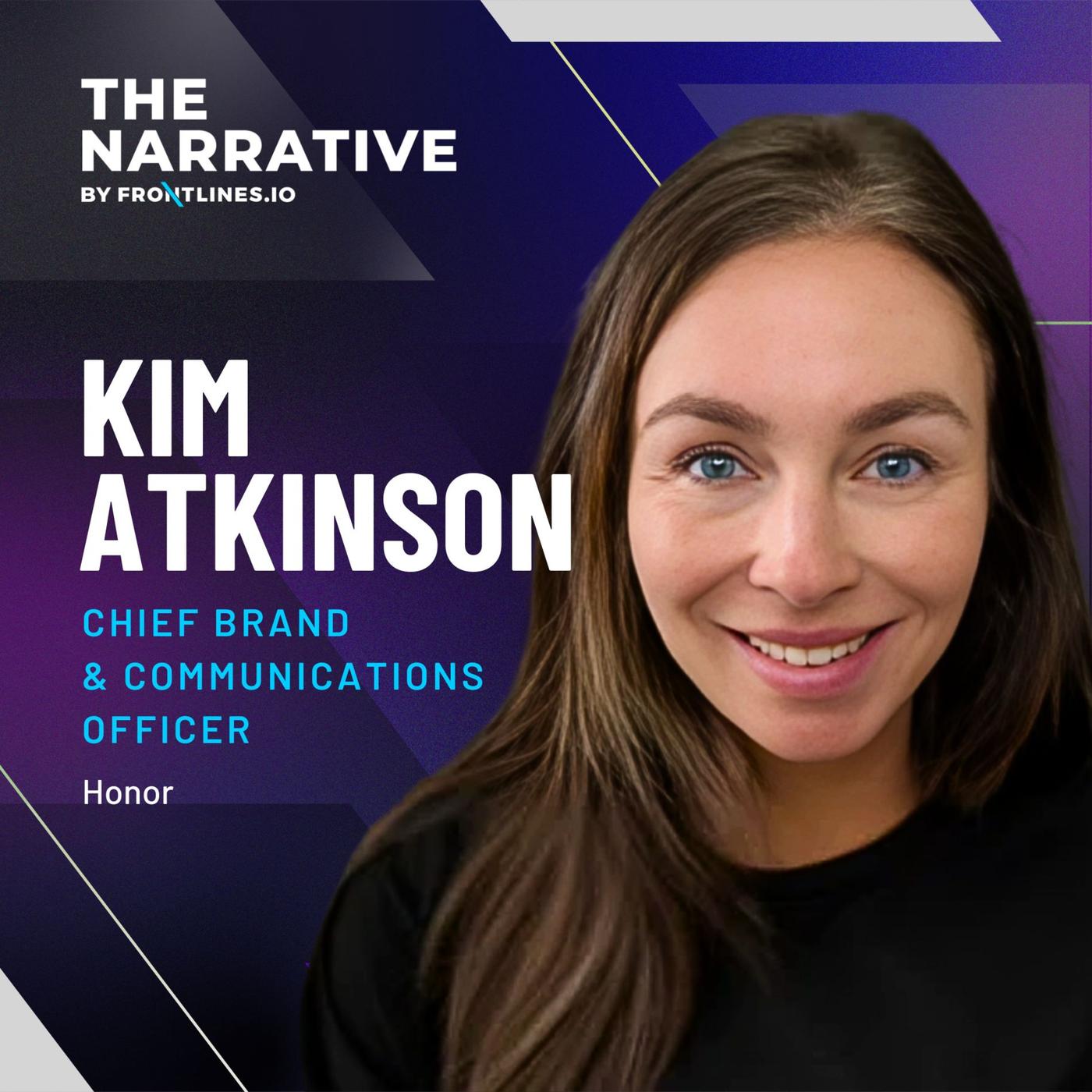
The home care industry has long been defined by depressing visuals, end-of-life messaging, and brands that all look the same. Kim Atkinson, Chief Brand and Communications Officer at Honor, is changing that. In this episode of The Narrative, Kim reveals how she led a complete rebrand of Honor and Home Instead in under a year—repositioning the category from "crisis care" to empowering older adults to live on their own terms. She also shares the behind-the-scenes story of how her team pulled off one of 2024's most talked-about campaigns: bringing back Macaulay Culkin as Kevin McAllister to reframe the conversation around aging. From securing Disney's IP to convincing franchise owners to take a big swing, Kim's approach proves that speed, data, and cultural relevance can transform even the most stagnant categories.
Topics Discussed:
The category repositioning challenge: How Honor moved from "nobody wants this but you need it" to "a better what's next" for aging adults—and why Baby Boomers demanded a fundamentally different narrative than previous generations
Executing a rebrand in four months: The decision to move fast with consumer research, positioning, creative development, and launch rather than spending a year deliberating over logo colors and palette choices
The Home Alone campaign: How Kim's team secured Macaulay Culkin, Disney's IP, director Jody Hill, and shot a holiday campaign in five weeks that generated over a billion impressions with zero negative social comments
Selling bold ideas to franchise networks: The playbook for convincing franchise owners to fund a major creative risk using data on consideration metrics and competitive differentiation
Wading into politically charged topics: How Honor entered the immigration conversation around caregiver visas—and why speaking truth backed by data can be worth the risk
Crisis comms in real-time: Lessons from Hurricane Harvey and the pet policy controversy, plus why social-first responses beat press releases every time
Elevating founder narratives: How Kim built a parallel workstream to amplify CEO Seth Sternberg's mission and expertise while executing the consumer rebrand
Comms Lessons for Founders & Leaders:
- Speed beats perfection in rebrands. Kim completed Honor's entire rebrand—research, positioning, visual identity, and campaign—in seven to eight months total. Her reasoning: "The legacy companies that take one, two years to get a rebrand out, the speed of transition to something else has already happened. The category has changed, consumers have changed, the culture has changed, and you've been worrying about your colors and your logo for all of that time." Create modular, flexible brand systems that can evolve rather than locked-down assets that take years to change.
- Find the cultural intersection, not just the press hook. Kim's approach to thought leadership: "Instead of thinking about what you want to say, look for where does the thing that I'm working on actually have a meaningful impact to this big cultural conversation problem that people are trying to solve." Don't blast messages about yourself—find where your expertise genuinely adds value to conversations already happening.
- Line up your promoters before you launch controversial work. When selling the rebrand and Home Alone campaign to Honor's franchise network, Kim identified the owners who believed in the vision first. "If you don't have your promoters lined up before you go do the controversial rebrand or conversation or whatever it is, you're leaving yourself at the mercy of the detractors."
- In crisis, contain first, then think strategically. Kim's playbook: Get a social-first statement out immediately ("in normal human language"), which buys time to look at sentiment data, impressions, and channels. Then decide the next move. "It almost always is more transparent than the comms person thinks it should be." And never hide—transparency with a willing CEO beats corporate press releases.