
OM DENNE EPISODE
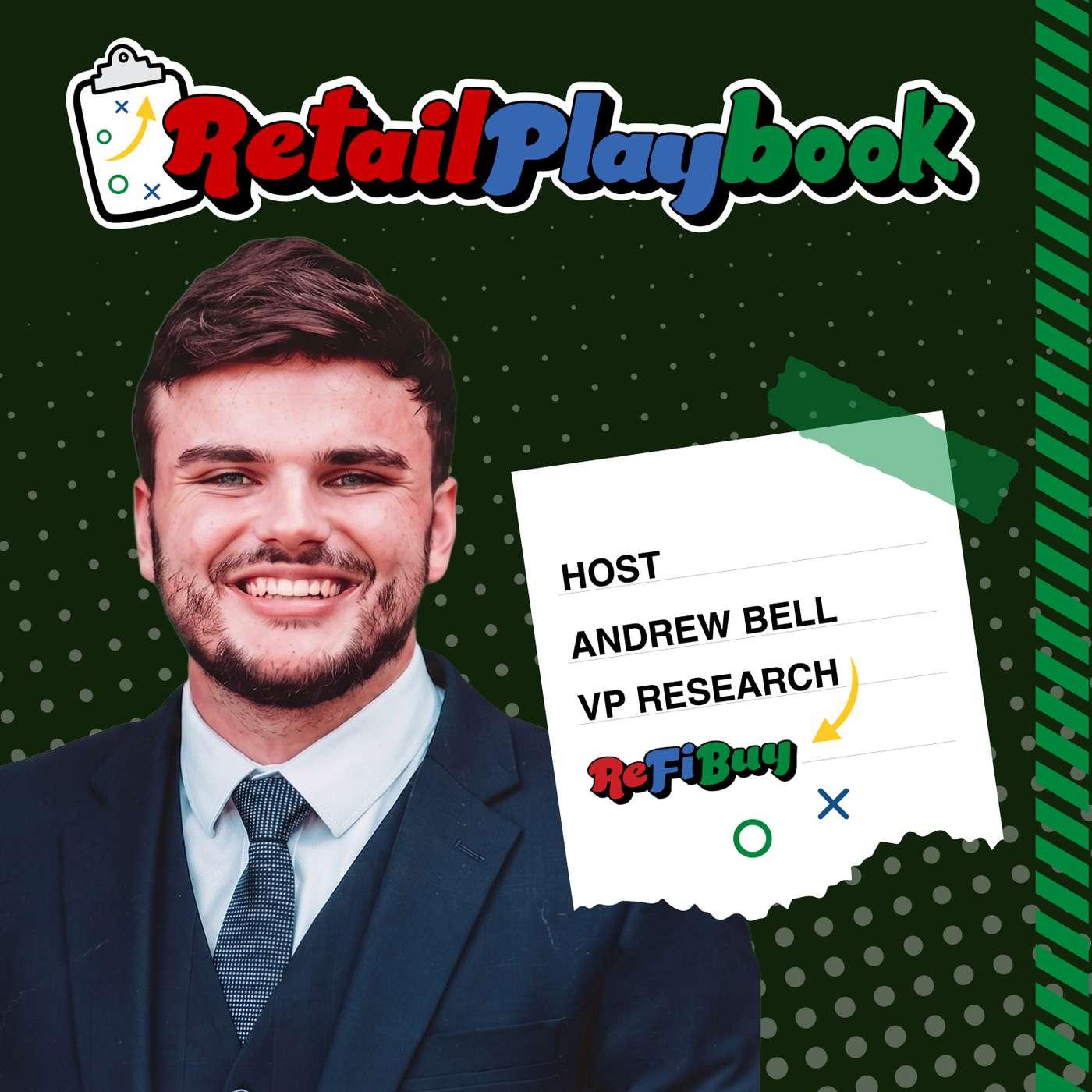
This is a solo deep dive with Andrew Bell, walking through the newest layer of Amazon Agentic Commerce Optimization (ACO). Andrew introduces inference optimization, the discipline of engineering a product page so Alexa for Shopping can move from raw facts to a defensible conclusion about whether an ASIN actually fits a shopper’s mission. It builds directly on two earlier RetailPlaybook frameworks, Noun Phrase Optimization and Semantic Bridging.
Highlights:
- 𝗧𝗵𝗲 𝗳𝗼𝗿𝗺𝗮𝗹 𝗱𝗲𝗳𝗶𝗻𝗶𝘁𝗶𝗼𝗻: Inference optimization is the discipline of identifying the commercially important conclusions Alexa for Shopping may need to reach about a product, then reverse-engineering the factual, functional, contextual, evidentiary, and cross-surface pathways that make those conclusions defensible.
- 𝗧𝗵𝗲 𝗽𝗮𝘁𝗵𝘄𝗮𝘆: Product fact to functional consequence to customer benefit to context to desired outcome to mission-fit conclusion, with evidence and boundary conditions surrounding every step.
- 𝗣𝗿𝗲𝗺𝗶𝘀𝗲𝘀 𝘃𝘀. 𝗰𝗼𝗻𝗰𝗹𝘂𝘀𝗶𝗼𝗻𝘀: A 9.8-inch table depth is a premise. “This fits your narrow entryway” is a conclusion, and nothing connects the two automatically.
- 𝗥𝗲𝗱𝘂𝗻𝗱𝗮𝗻𝗰𝘆 𝘃𝘀. 𝗰𝗼𝗻𝘃𝗲𝗿𝗴𝗲𝗻𝗰𝗲: “Perfect for apartments” repeated five times across the listing is one claim, not five. Verified dimensions, storage config, capacity, and cleaning specs addressing different parts of the mission, that’s convergence.
- 𝗧𝗵𝗲 𝘀𝗲𝘃𝗲𝗻 𝗶𝗻𝗳𝗲𝗿𝗲𝗻𝗰𝗲 𝗴𝗮𝗽𝘀: Factual, functional, benefit, context, evidence, contradiction, and distance gaps, the recurring failure patterns Andrew says show up on nearly every listing audit.
- “𝗜𝗻𝗳𝗲𝗿𝗲𝗻𝗰𝗲 𝗱𝗶𝘀𝘁𝗮𝗻𝗰𝗲”: An operator construct (not a disclosed Amazon metric). The farther a conclusion sits from verified product truth, the more evidence it needs to earn it.
- 𝗪𝗼𝗿𝗸 𝗯𝗮𝗰𝗸𝘄𝗮𝗿𝗱: Alexa reasons forward (facts to mission fit). Andrew’s workflow has operators start from the desired conclusion and reverse-engineer back to which PDP surface has to carry each fact.
- 𝗙𝗶𝘅 𝗰𝗼𝗻𝘁𝗿𝗮𝗱𝗶𝗰𝘁𝗶𝗼𝗻𝘀 𝗳𝗶𝗿𝘀𝘁: If an attribute says 9.8”, an infographic says 11.2”, and a bullet says 10”, every downstream conclusion gets weaker. Fix the record before expanding copy.
- 𝗧𝗵𝗲 𝗽𝗮𝗴𝗲 𝗮𝘀 𝗶𝗻𝗳𝗲𝗿𝗲𝗻𝗰𝗲 𝘀𝘂𝗿𝗳𝗮𝗰𝗲: Item Name (identity), Item Highlights (decisive facts plus close bridges), priority bullets, attributes, images, A+, video, reviews and Q&A: each surface has one distinct evidence job.
- 𝗧𝗵𝗲 𝗴𝗼𝗮𝗹: Ask what Alexa would need to believe in order to recommend your ASIN. Then ask what she would need to see in order to reasonably believe it. Work backward from there.
This one’s a bit of a mental workout, but it’s the layer I think separates brands that just get found from brands that actually get recommended. Enjoy the episode!
Timestamps:
01:35 The second reader: Alexa doesn't scan like a customer does
02:35 Why no catalog field captures the real shopper mission
03:15 Recap: Noun Phrase Optimization and Semantic Bridging
04:05 Defining inference optimization
04:45 Relevance vs. actual fit (console table, blender, wall sculpture examples)
05:35 The formal definition of inference optimization
06:15 Premises vs. conclusions
07:20 The blender example: from fact to mission-fit conclusion
08:15 Inference distance explained
09:35 Redundancy vs. convergence
10:15 Two listings compared (A vs. B)
10:50 Compound missions: the quiet blender example
11:35 Reversing the direction: working backward from the conclusion
12:35 Fix contradictions before expanding copy
13:05 The product page as an inference surface
13:50 Item Name and Item Highlights strategy
14:35 One job per surface: attributes, images, A+, video, reviews
15:15 The seven inference gaps
16:05 Evidence gaps: the dangerous ones
16:35 The 10-step inference optimization workflow
17:55 Measurement and protecting search foundation
18:55 Final thoughts: giving Alexa a "defensible because"
👉 Connect with Andrew: https://www.linkedin.com/in/andrew-bell-540403275/
👉 Learn more about ReFiBuy: https://refibuy.ai/
👉 Check out the article: https://www.retailplaybook.ai/p/inference-optimization-get-to-the
🧠 Want to stay ahead in AI commerce? Subscribe and follow along:
📰 Subscribe to the free Substack: retailplaybook.ai
📺 Watch episodes on YouTube & Subscribe for updates: https://www.youtube.com/@Retailplaybooks