


ဤအပိုင်းအကြောင်း
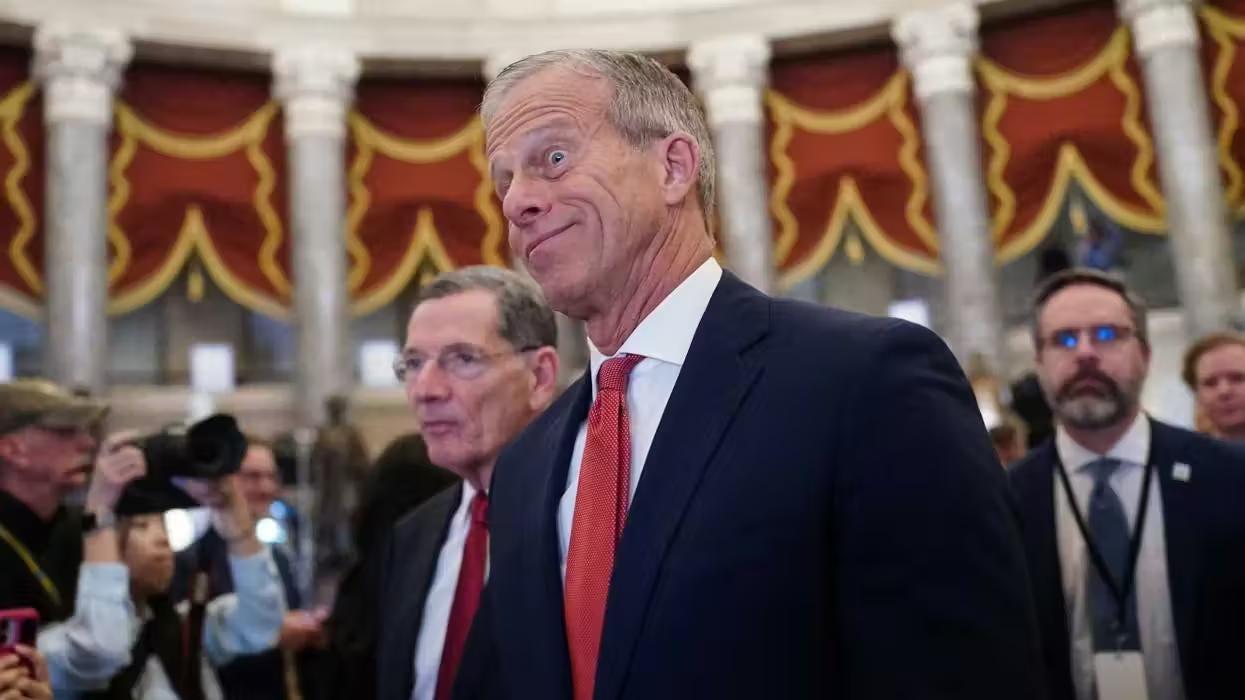
REUTERS/Nathan Howard
Texas Republicans Built the Paxton Problem
The Machine Chose Him
Ken Paxton’s Senate campaign is not an accident inflicted on the Republican Party. It is the product of a political system that rewarded him for winning internal power struggles while insulating him from competitive general elections.
According to the reporting, Paxton secured Donald Trump’s backing, defeated John Cornyn, and emerged from the primary despite longstanding Republican doubts about his character. Party officials and voters knew the liabilities. They enabled his rise anyway.
Help fuel the work. Independent analysis doesn’t fund itself:☕ Buy us a coffee
Corruption Was Acceptable Until It Became Expensive
Focus-group participants cited Paxton’s securities-fraud indictment, alleged self-dealing, and dishonesty. Their comments reveal less a sudden discovery than accumulated disgust. One voter effectively described corruption as routine political behavior; another said voters had been conditioned to tolerate lies.
That conditioning matters. Paxton’s record did not become objectionable when Republicans learned about it. It became an emergency when James Talarico appeared capable of defeating him and national donors faced the prospect of spending money to rescue a seat Republicans normally take for granted.
The party’s concern is therefore not principally ethical. It is operational: Paxton may convert tolerated misconduct into lost institutional power.
Fear Is the Substitute for a Case
Paxton’s reported pitch—that one Democratic victory could make Texas permanently blue—is an attempt to turn his personal weakness into an existential partisan crisis. The argument asks conservative voters to treat his survival as synonymous with their own.
That is political misdirection. If Paxton loses, the immediate cause would not be some mysterious demographic rupture. It would be that Republicans nominated a candidate whom even Republican voters describe as corrupt, dishonest, and unfit. Paxton wants the electorate to fear Democratic power more than it resents what he has done with Republican power.
One-Party Dominance Produces Bad Politicians
Christopher Hooks identifies the institutional failure plainly: Paxton advanced without needing to become an effective public candidate. His career depended on contests and maneuvers behind the scenes, not on persuading a broad electorate. Safe Republican terrain allowed ambition, grudges, and factional loyalty to substitute for competence.
That is the political meaning of Paxton’s apparent difficulty against Talarico. Competitive elections test skills that a dominant-party system lets politicians avoid developing. Paxton could climb because the machinery mattered more than the voters. Now that voters matter, his deficiencies are visible.
Even his Senate bid is described less as a governing project than as the culmination of a vendetta against Cornyn. If that account is accurate, Republican voters were used to settle an elite grudge—and are now being told they must finance the consequences.
The Party Wants Distance Without Responsibility
Republicans privately questioning whether Paxton deserves scarce campaign money are trying to separate themselves from a candidate their political ecosystem produced. Their hesitation may be strategically rational, but it is not absolution.
Trump endorsed Paxton. Primary voters selected him. Republican dominance protected his ascent. Party actors treated his liabilities as manageable until they threatened the seat. Calling him uniquely defective allows the institution to avoid confronting the incentives that elevated him.
Paxton may be an unusually weak nominee. The system that rewarded him is entirely ordinary.
The Stronghold Is the Story
The larger lesson is not that Texas has suddenly transformed. It is that entrenched power degrades the people who wield it. When a party expects victory regardless of candidate quality, internal loyalty becomes more valuable than public competence and scandal becomes a budgeting problem rather than a disqualification.
Republicans are staring at a possible loss because their dominance taught them they could nominate almost anyone. Paxton’s campaign is what happens when a political machine mistakes ownership of an electorate for consent—and finally encounters voters unwilling to complete the transaction.
Thanks to Alter Net
Source: The campaign implosion that could cost Republicans their safest stronghold
Systemic Error is a reader-supported publication. To receive new posts and support my work, consider becoming a free or paid subscriber.
We warned them.We told them.We shouted from the rooftops.We plead.We begged.They didn’t listen.Now, we all will suffer.Y’all know what to do, right?VOTE BLUE! 💙Vote as if your life — nay, our country — depend on it.Because, this time, and every time, it does.
This is a public episode. If you'd like to discuss this with other subscribers or get access to bonus episodes, visit paulstsmith.substack.com/subscribe


