


ဤအပိုင်းအကြောင်း
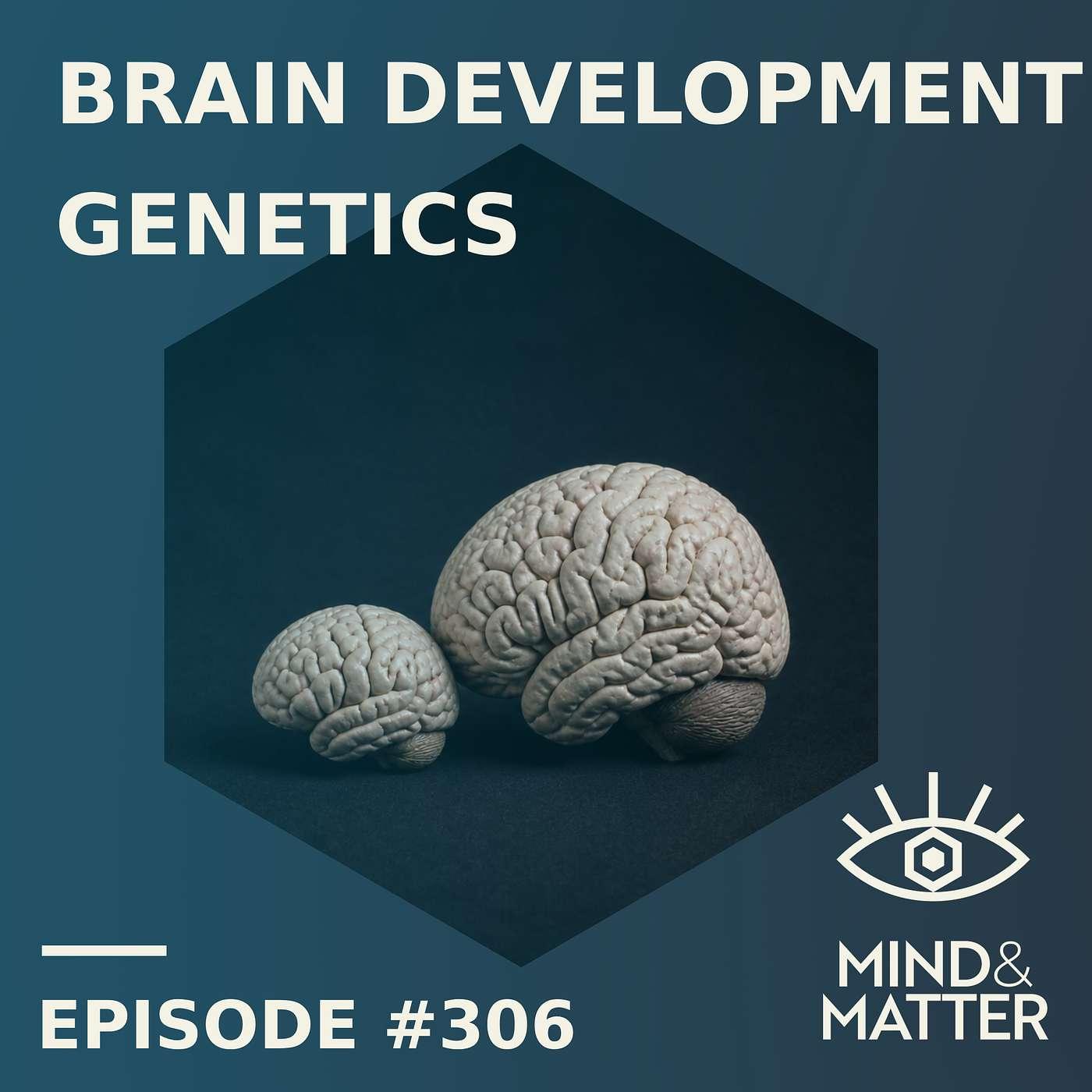
How genomics is used to study what makes a human brain, and how genetically damaged neurons get removed.
TOPICS DISCUSSED:
- Scale & Size: A human brain is about three times a chimpanzee brain by mass, but the larger change is extra association cortex and extra upper-layer circuits that talk mostly to other cortex.
- When Development Ends: Most cortical neurons are born before birth. Myelin and other glia keep forming into the twenties. Synapses keep changing after that.
- Broken Genomes Get Edited: Walsh describes forthcoming work in which ~25–30% of late-fetal cortical neurons carry genetic defects, falling to ~5% by birth, with smaller defects still being removed through adult life.
- Regulation vs. New Genes: Humans and mice both have ~20,000 genes. Most human-specific change is in when and where those genes turn on, not in inventing new proteins.
- Human Accelerated Regions: About half of HARs involve the brain. Rare mutations in them show up more often in kids with intellectual disability and autism.
- ASPM & Microcephaly: Loss of one conserved cell-division gene can shrink a human brain toward chimpanzee volume and shape. The same knockout barely shrinks a mouse.
- Heritability of Genetic Disorders: Autism is highly heritable in twin studies. A whole-genome test today still finds a specific cause in only about a quarter to a third of kids.
Support my work:
- Good Chemistry: Personalized, science-based health consulting. Work with Dr. Nick Jikomes directly.
- Affiliate Partners: Visit this link to see my affiliate partners and get discounts codes for products & services to support health.
For all the ways you can support my efforts.
အင်္ဂလိပ်
အမေရိကန်ပြည်ထောင်စု
ဤအပိုင်းထဲတွင်
ကူးယူချက် 🔗
Are you the producer of this podcast?
Add a podcast transcript
Need Audio-to-Text?
Transcribe with Listen411 in Just 60 Seconds
ပြီးခဲ့သည့် အပိုင်းများကို ရှာဖွေပါ
Mind & Matter ၏ ယခင်အပိုင်းများကို ရှာဖွေပါ
ဤ PODCAST တွင် အခြားသော အပိုင်းများ
Send us Fan Mail
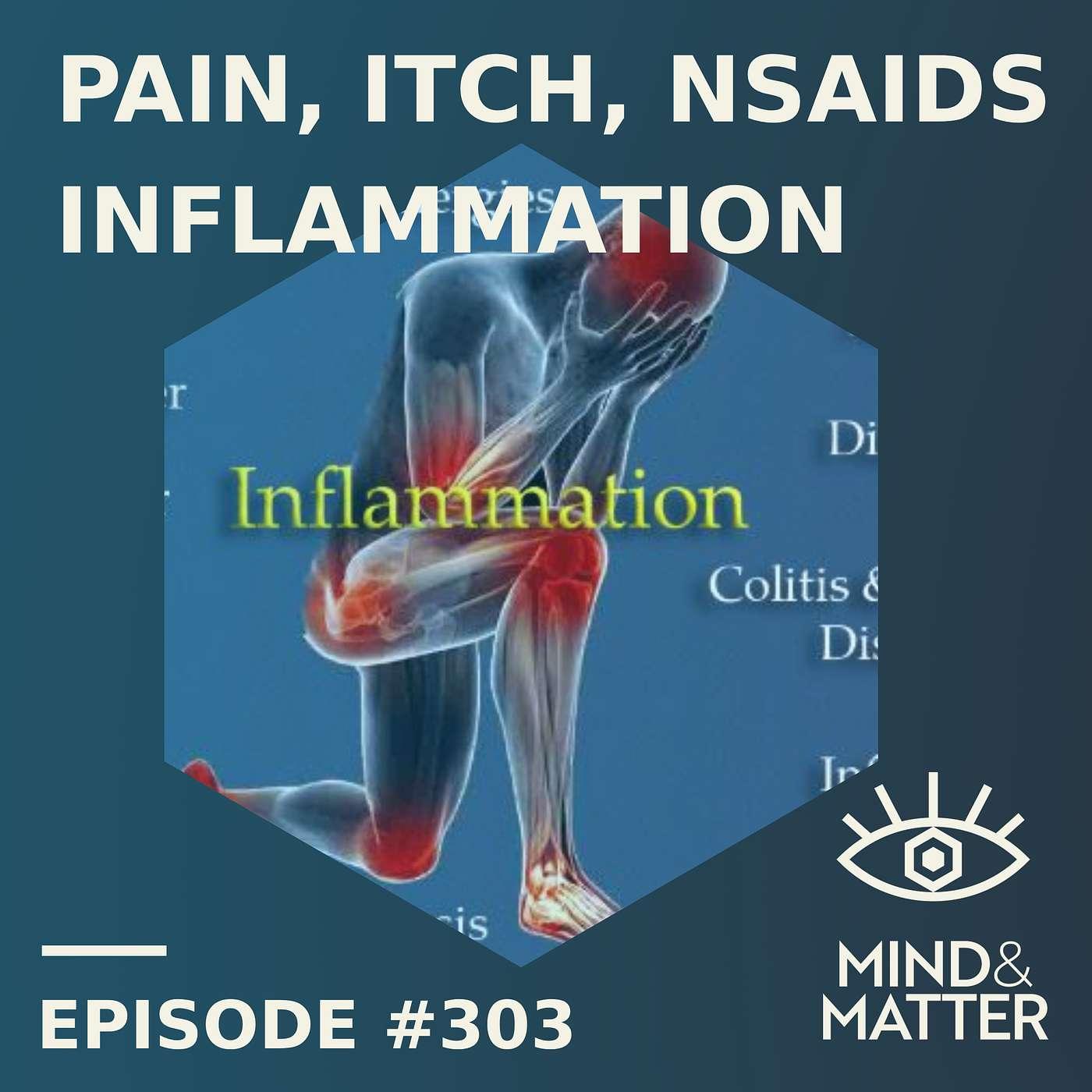
How the nervous and immune systems communicate, using peptides and other signals, to regulate pain, itch, and inflammation.
TOPICS DISCUSSED:
Nociception & Pathogens: Sensory neurons detect bacterial toxins within seconds, enabling rapid host-defense coordination ahead of immu…
Send us Fan Mail
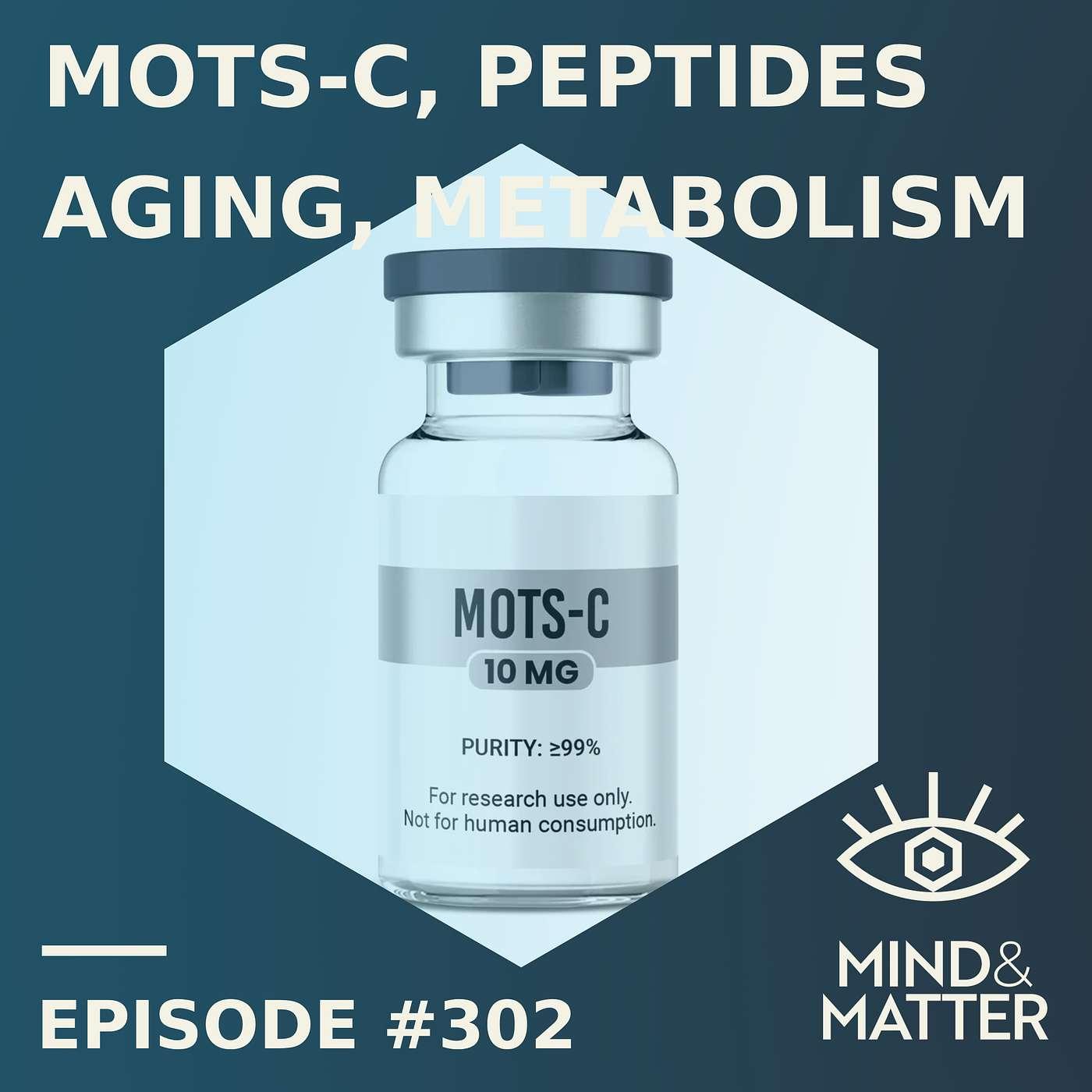
Mitochondrial peptide MOTS-c is a stress-induced signal that reprograms cell metabolism.
TOPICS DISCUSSED:
Mitochondrial Roles: Not just ATP production, but “speaker of the house” via communication molecules that “talk” to the rest of the cell.
Origin of Communication: Mitochondri…
Send us Fan Mail
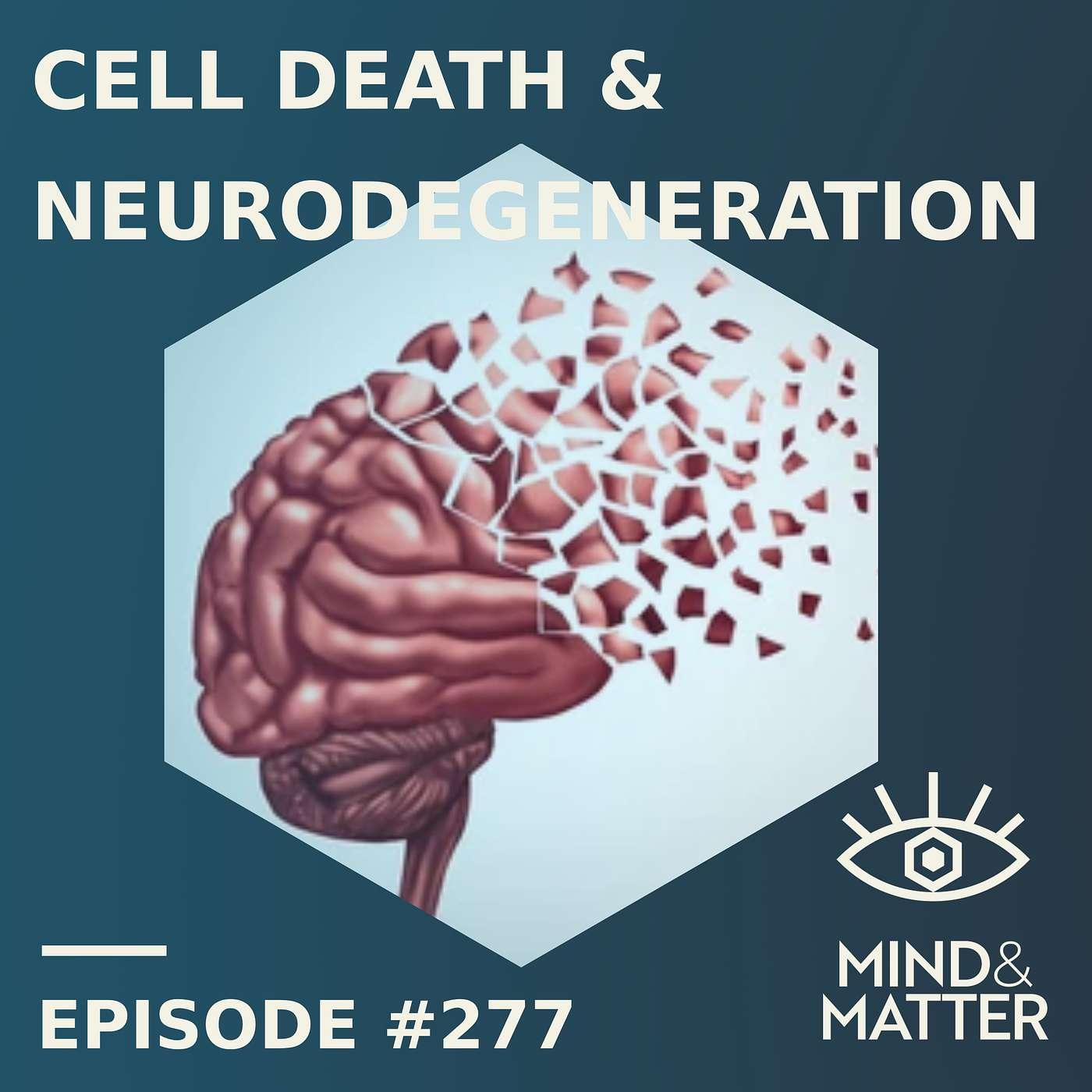
Ferroptosis, an iron-dependent cell death pathway driven by lipid peroxidation; chronoferoptosis, in which chronic stress sensitizes neurons gradually.
TOPICS DISCUSSED:
Cell Death Pathways: Apoptosis proceeds through regulated steps with surface “eat me” signals that enable non-i…
Send us Fan Mail
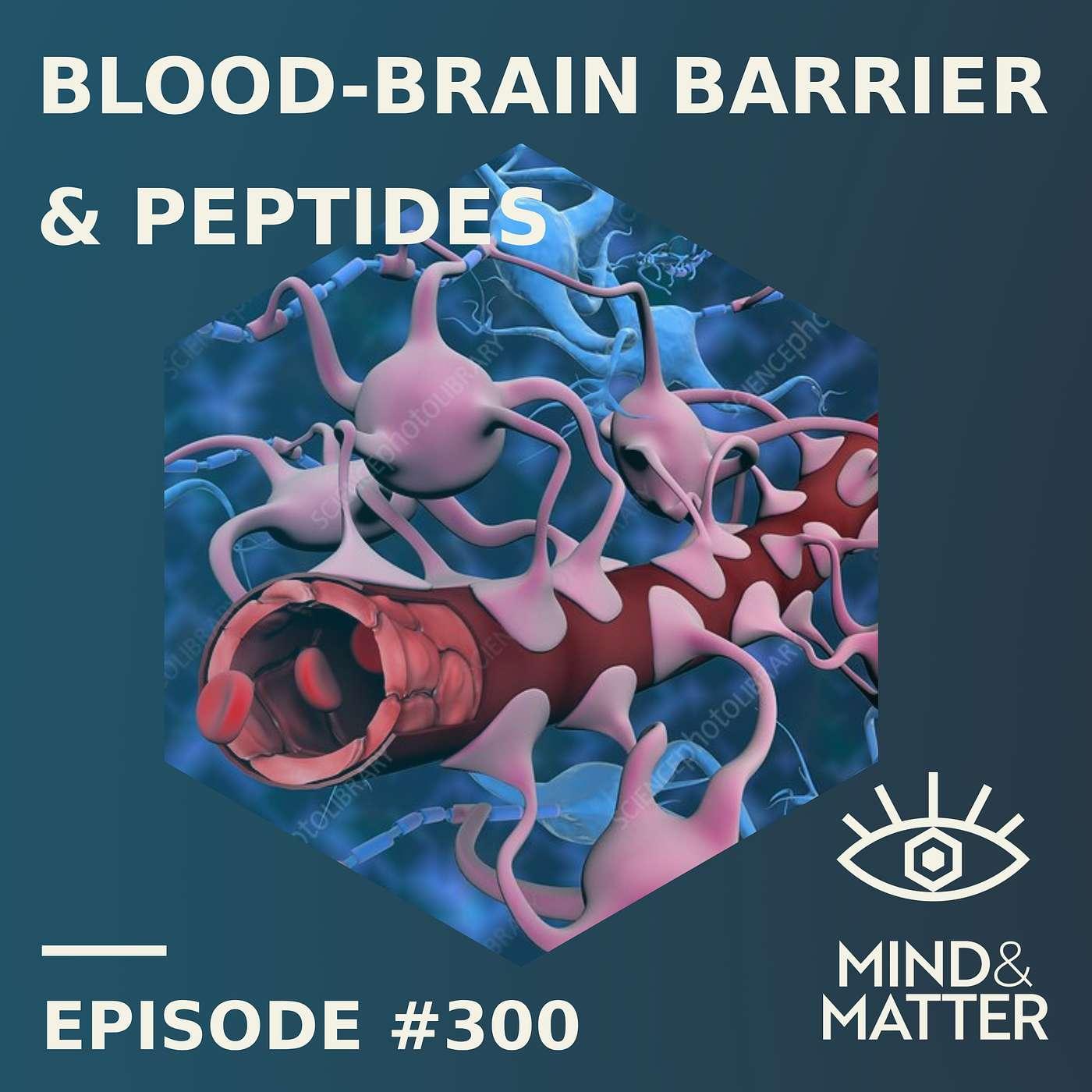
Blood-brain barrier as a dynamic interface allowing selective passage of nutrients, peptides, and gut hormones.
TOPICS DISCUSSED:
Blood-Brain Barrier Structure: Capillary endothelial cells with tight junctions, absent fenestrae, and minimal vesicles create a selective interface; s…
Send us Fan Mail
GHK-Copper and peptides in skin care, aging, and general health.
TOPICS DISCUSSED:
Endogenous Decline: GHK-copper levels peak in young adulthood then fall with age, reducing natural support for skin repair and collagen maintenance.
Skin Penetration: Effective topical delivery depe…
မသက်ဆိုင်ကြောင်းရှင်းလင်းချက်: ဤစာမျက်နှာပေါ်တွင် ထည့်သွင်းထားသော ပေါ့တ်ကာစ်နှင့် အနုပညာလက်ရာများသည် ၎င်း၏ပိုင်ရှင်၏ပိုင်ဆိုင်မှုဖြစ်သည့် Nick Jikomes မှဖြစ်ပြီး Listen Notes, Inc နှင့် ဆက်နွှယ်ခြင်း သို့မဟုတ် ထောက်ခံထားခြင်းမရှိပါ။
ပြင်ဆင်ပါ
ပေါ့ဒ်ကတ်စ် ဒေတာဘေ့စ်ကို နောက်ဆုံးပေါ်အချိန်နှင့်တပြေးညီဖြစ်စေရန် ကူညီပေးသည့်အတွက် ကျေးဇူးတင်ပါသည်။
