
ဤအပိုင်းအကြောင်း
Your change communications plan has fallen apart. Now what?
You’ve written the narrative, briefed the managers and run the town hall. Then the dates move, leadership changes its mind, and everyone turns to you. According to Gallagher, change communications is the comms skill organisations value most right now. Yet 61% of those same organisations admit they don’t have an approach to change comms. They want us in the room but haven’t given us a map.
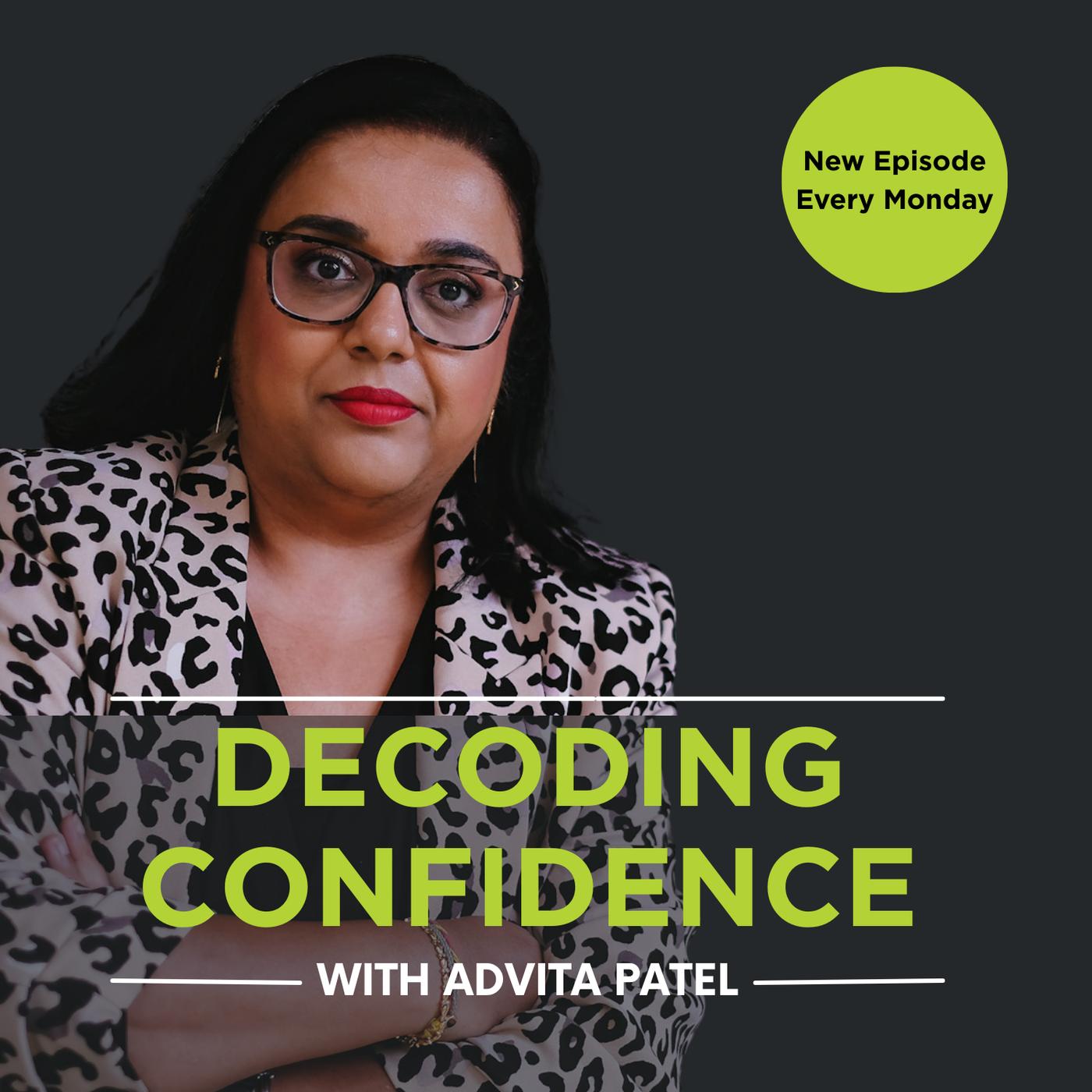
In this episode of Decoding Confidence, Advita Patel looks at what happens to our confidence when change goes wobbly. She also covers how internal communications and HR professionals can stay steady, credible and trusted when the plan stops working.
Advita shares five habits from her BELIEVE confidence framework:
- Boldness: say it before the rumour mill does. Share what you know, what you don’t know yet and when you’ll come back.
- Empathy: listen before you broadcast. Most people aren’t fighting the change; they’re fed up with not knowing what’s going on.
- Learning: treat your change comms plan as a living document, not proof of failure when it shifts.
- Integrity: don’t dress it up. People aren’t daft, and every gloss over spends trust you’ll need later.
- Energy: look after yourself. You can’t be the steady one for everyone if you’re running on fumes.
Timestamps
00:00 When change communications doesn’t go to plan
00:47 The Gallagher stat: change comms is the most valued skill, but 61% have no approach
01:29 Welcome to Decoding Confidence
02:11 Why wobbly change hits our confidence, not just our workload
03:38 Habit 1: Boldness, saying it before the rumour mill does
04:47 Habit 2: Empathy, listening before you broadcast
05:33 Habit 3: Learning, treating the plan as a working document
06:35 Habit 4: Integrity, not dressing it up
07:49 Habit 5: Energy, and the energy audit
09:21 Handling difficult messages: restructures, job losses and pulled projects
11:54 How to push back on leaders: bring an alternative, not just a no
12:43 Use real employee voices and lead with the why
13:28 Ditch the corporate jargon
14:05 Get your managers ready first
14:36 Involve people in the how, and don’t go quiet afterwards
15:41 Treat people like grown-ups: the five habits recap
16:13 Key takeaway and the Confidence Quiz
She also covers how to handle difficult messages like restructures, job losses and pulled projects, and how to push back on leaders kindly but clearly.
In this episode you’ll learn:
- Why more updates and FAQs rarely fix a struggling change programme
- How to tell leaders early when something isn’t working
- Three questions to ask when your change plan shifts
- Why your job isn’t to make bad news sound good
- How to challenge leaders by bringing an alternative, not just a no
- Why you should ditch the corporate jargon (“right sizing”, anyone?)
- How to prepare line managers before announcements land
- Why going quiet after the announcement is where worry creeps back in
Key takeaway: The plan was never what made you good at your job. It’s how you show up when things go a little bit pear-shaped.
Frequently asked questions
What is change communications?
Change communications is how an organisation explains, shares and supports people through change, such as restructures, new systems or new ways of working. Done well, it helps people understand what’s changing, why it’s happening and what it means for them.
What should I do when a change communications plan falls apart?
Don’t take it as a sign you’re bad at your job. Be open early about what you know, what you don’t know yet and when you’ll update people. Then revisit your plan with three questions: What did we think would happen? What actually happened? What do we now need to do differently?
Why does change affect the confidence of communications professionals?
Comms and HR teams are often the face of change. People come to them with their worries, and when things go wrong it’s easy to take it personally. That leads to second-guessing: Should I speak up now? Is it my place? Am I overstepping?
What is the BELIEVE framework?
BELIEVE is Advita Patel’s framework of seven confidence habits from her book Decoding Confidence: Boldness, Empathy, Learning, Integrity, Empowerment, Vulnerability and Energy. This episode focuses on the five that help most when change goes sideways.
Should I send more updates when a change programme is struggling?
Usually not. More emails, FAQs and reminders can mean people stop listening altogether. Listen first: talk to managers, join team huddles and find out how people are actually feeling.
How do I communicate bad news like restructures or job losses?
Be honest and use plain English. Your role isn’t to make bad news sound good. It’s to make sure people know what’s going on, feel involved and understand the why. People can handle change. What they don’t like is being treated as if they can’t handle the truth.
How can I push back when leaders want to make a message sound better than it is?
Bring an alternative, not just a no. Show leaders a better version of the message and explain why it works. Use “if we say this, people will hear that” to help them see it through employees’ eyes, and back it up with real comments from across the organisation.
Why should we avoid corporate jargon in change communications?
Phrases like “right sizing” or “optimising our footprint” make people feel you’re hiding something. Plain language is more respectful, more inclusive and builds trust.
What role do line managers play in change communications?
A huge one. Managers get the questions at the coffee machine and in team briefings, so brief them first. Give them permission to say “I don’t know yet, but I’ll find out” so they don’t feel pressured into making up answers.
What is an energy audit?
It’s a simple template Advita uses every 90 days to six months to spot what drains her energy and what fills it back up. Energy is one of the lowest-scoring habits in her Confidence Quiz, and it matters most during long, draining change.
How can I find out which confidence habits come naturally to me?
Take Advita’s free Confidence Quiz at decodingconfidence.scoreapp.com. It only takes a few minutes, and you’ll get your results with some practical tips.
Resources mentioned
- Take the Confidence Quiz
- Energy Audit template
- Decoding Confidence by Advita Patel
- decodingconfidence.com
Get in touch
Questions, or ideas for future episodes? Email advita@decodingconfidence.com or advita@commsrebel.com, or send Advita a DM on LinkedIn.
If this episode struck a chord, share it with someone in your team or network who is knee-deep in change right now.