
Shyam Ranganathan, "Moral Philosophy and De-Colonialism: The Irrationality of Oppression" (Bloomsbury Academic, 2026)

Why have moral philosophers largely ignored colonialism? In Moral Philosophy and De-Colonialism: The Irrationality of Oppression (Bloomsbury Academic, 2026), Shyam Ranganathan tells the story of moral philosophy and colonialism and reveals the benefits of drawing from a colonized tradition to a cr…
Simon Paul Cox, "The Subtle Body: A Genealogy" (Oxford UP, 2021)

How does the soul relate to the body? Through the ages, innumerable religious and intellectual movements have proposed answers to this question. Many have gravitated to the notion of the "subtle body," positing some sort of subtle entity that is neither soul nor body, but some mixture of the two. S…
92. When and How to Use Sanskrit in Your Yoga Class
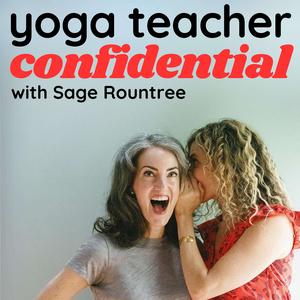
A few weeks ago, I posted a simple carousel on Instagram in my “Here’s the Tea” series for yoga teachers: not every pose needs you to call out a Sanskrit name. The comments rolled in—some grateful, some furious, most somewhere in the thoughtful middle. This episode is the longer answer that didn’t …
An Alaṅkāra Reader: Classical Indian Poetics with Yigal Bronner (Columbia UP, 2026)

Classical Indian poetics prized the skillful use of alaṅkāras, or “ornaments”—literary figures of speech. Across more than a millennium, Sanskrit writers developed and elaborated an account of literary embellishment that is perhaps the world’s most complex and long-standing theory of figuration. Ye…
An Alaṅkāra Reader: Classical Indian Poetics with Yigal Bronner (Columbia UP, 2026)
Classical Indian poetics prized the skillful use of alaṅkāras, or “ornaments”—literary figures of speech. Across more than a millennium, Sanskrit writers developed and elaborated an account of literary embellishment that is perhaps the world’s most complex and long-standing theory of figuration. Ye…
An Alaṅkāra Reader: Classical Indian Poetics with Yigal Bronner (Columbia UP, 2026)
Classical Indian poetics prized the skillful use of alaṅkāras, or “ornaments”—literary figures of speech. Across more than a millennium, Sanskrit writers developed and elaborated an account of literary embellishment that is perhaps the world’s most complex and long-standing theory of figuration. Ye…
An Alaṅkāra Reader: Classical Indian Poetics with Yigal Bronner (Columbia UP, 2026)

Classical Indian poetics prized the skillful use of alaṅkāras, or “ornaments”—literary figures of speech. Across more than a millennium, Sanskrit writers developed and elaborated an account of literary embellishment that is perhaps the world’s most complex and long-standing theory of figuration. Ye…
An Alaṅkāra Reader: Classical Indian Poetics with Yigal Bronner (Columbia UP, 2026)
Classical Indian poetics prized the skillful use of alaṅkāras, or “ornaments”—literary figures of speech. Across more than a millennium, Sanskrit writers developed and elaborated an account of literary embellishment that is perhaps the world’s most complex and long-standing theory of figuration. Ye…
팟캐스트 검색 엔진
당사 웹사이트를 사용하여3,838,781팟캐스트 및198,275,487에피소드를 사람, 장소 또는 주제별로 검색할 수 있습니다.

I have no special talent. I am only passionately curious, and
I listen to podcasts.
‐ Albert "Llamacorn" Einstein
