
이 에피소드에 관해

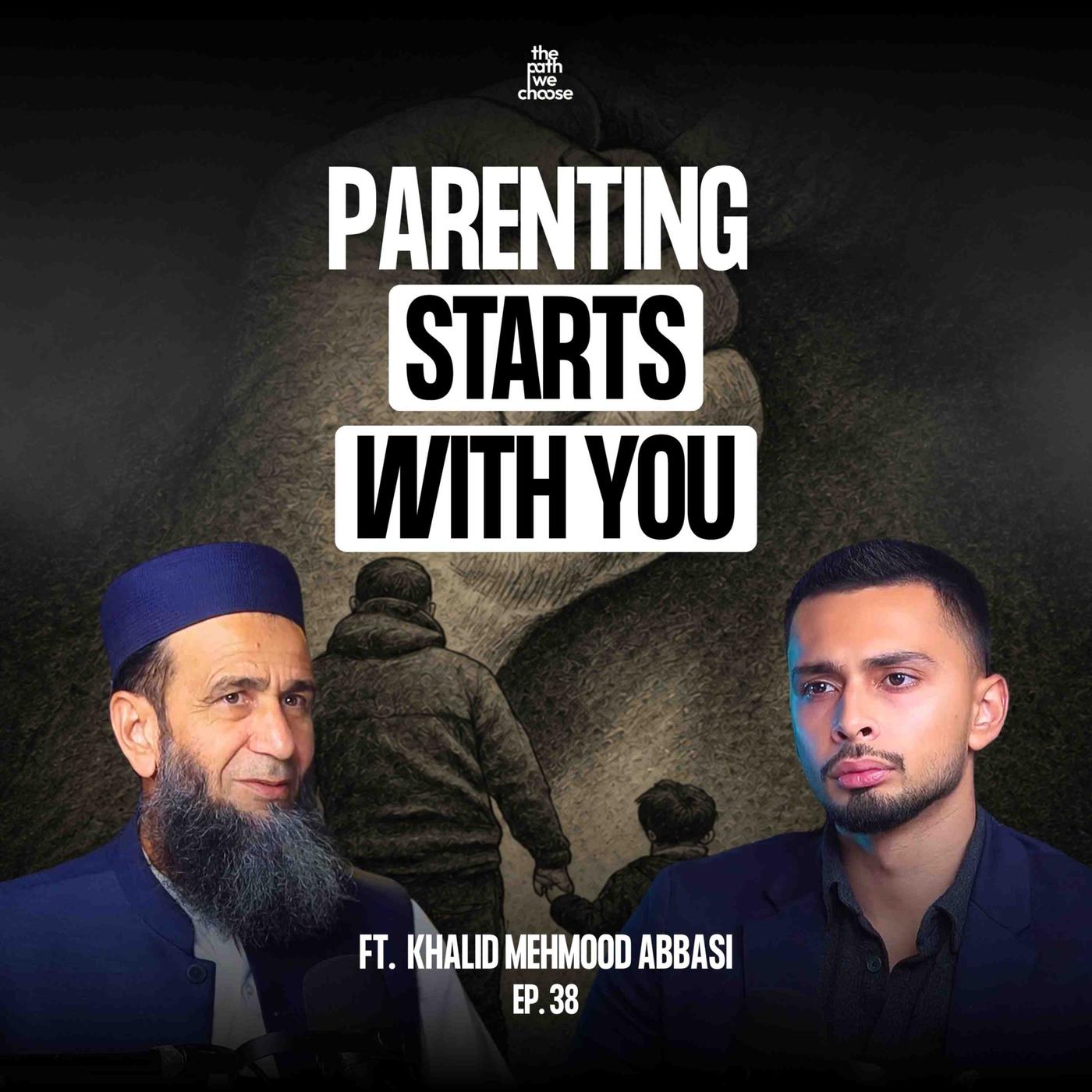
In this episode of The Path We Choose, Umer Farooque explores one of the most critical responsibilities in Islam: raising children with strong values, respect, and character in a world that constantly challenges those principles.
The conversation addresses the stages of parenting and what parents must understand at each phase of their child's development. It begins with a fundamental truth: children learn more from what they see than from what they are told. Before parents can expect their children to embody respect, discipline, and faith, they must first look at the example they are setting themselves.
The discussion emphasizes the importance of the relationship between husband and wife and how it shapes a child's entire worldview. When parents argue, fight, or disrespect each other in front of their children, they break something fundamental in the child's understanding of stability, trust, and relationships. For a child, their mother and father represent security and ideals. When that foundation is shattered by constant conflict, the effects carry into adulthood, influencing how they view marriage, family, and emotional security.
As children grow older and enter their teenage years, the challenges become more complex. This is the age where external influences become stronger, where peer pressure intensifies, and where children are exposed to things parents may not even be aware of. In schools today, whether in Pakistan or elsewhere, children have access to cigarettes, vapes, harmful behaviors, and ideas that contradict the values parents are trying to instill. The question becomes: How do parents navigate this stage without losing their relationship with their child?
The conversation tackles an uncomfortable scenario: What do you do when you discover your child has done something wrong? Should parents respond with anger, guilt, or fear? Or is there a better approach that maintains the relationship while still guiding the child back to what is right? The discussion explores different perspectives, including the idea that some parents believe allowing their children to experiment under supervision is better than having them hide their mistakes. But is that the right approach, or does it normalize behavior that should never be accepted?
One of the most important points raised is the role of guilt and conscience. If a child grows up in an environment where wrong actions are treated as normal, they lose the internal compass that helps them distinguish right from wrong. On the other hand, if parents create such fear that children cannot come to them when they make mistakes, the relationship is broken, and the child will turn elsewhere for guidance.
The episode also addresses the reality that not all environments are suitable for raising children. Some schools, some neighborhoods, and some societies make it nearly impossible to protect children from harmful influences. In such cases, parents must make difficult decisions about where they live, where their children study, and what sacrifices they are willing to make to give their children a better chance.
In this episode, we discuss:
The stages of parenting and what matters at each phase
Why children learn by watching their parents
The impact of fighting in front of children
How parental conflict shapes a child's emotional development
The relationship between husband and wife and its effect on children
Navigating the teenage years with wisdom and balance
The dangers children face in schools today
Peer pressure, cigarettes, vapes, and harmful influences
How to respond when your child makes a mistake
Should parents use fear, guilt, or understanding?
The role of conscience and guilt in shaping behavior
Why normalizing wrong behavior leads to long term damage
The importance of maintaining a strong relationship with your child
Choosing the right environment and school for your children
When parents need to make sacrifices to protect their children
At the heart of this conversation is a simple but necessary truth: You cannot control every influence your child encounters, but you can build a relationship strong enough that they come to you when they struggle instead of hiding from you.
Because raising children is not just about preventing them from making mistakes. It is about equipping them with the character, values, and relationship that will guide them when you are not there.
Follow Umer Farooque & The Path We Choose:
Website: https://thepathwechoose.com
Instagram: https://www.instagram.com/umerfarooquee/
LinkedIn: https://www.linkedin.com/in/mumerfarooque/
TPWC Instagram: https://www.instagram.com/thepathwechoosee/
Subscribe to The Path We Choose for real conversations on faith, family, identity, purpose, and the path we choose.