


이 에피소드에 관해
In 132 CE, Zhang Heng presented his latest invention: a large vase he claimed could tell them whenever an earthquake occurred for hundreds of miles. Today, we no longer rely on pots as warning systems, but earthquakes still offer challenges to those trying to track them. Why are earthquakes so hard to anticipate, and how could we get better at predicting them? Jean-Baptiste P. Koehl investigates.
영어
미국
전사 🔗
Are you the producer of this podcast?
Add a podcast transcript
Need Audio-to-Text?
Transcribe with Listen411 in Just 60 Seconds
이 팟캐스트의 다른 에피소드

The talented herbalist Xu Xian had just started his own medicine shop where he created remedies with the help of his wife, Bai Su Zhen. One day a monk named Fa Hai approached him, warning him that there was a demon in his house. The demon, he said, was Bai Su Zhen. Xu Xian laughed. How could his ki…
In the 13th century, Genghis Khan embarked on a mission to take over Eurasia, swiftly conquering countries and drawing them into his empire. But, legend has it that there was one obstacle that even he couldn’t overcome: a towering wall of ice, grown by locals across a mountain pass. M Jackson explo…
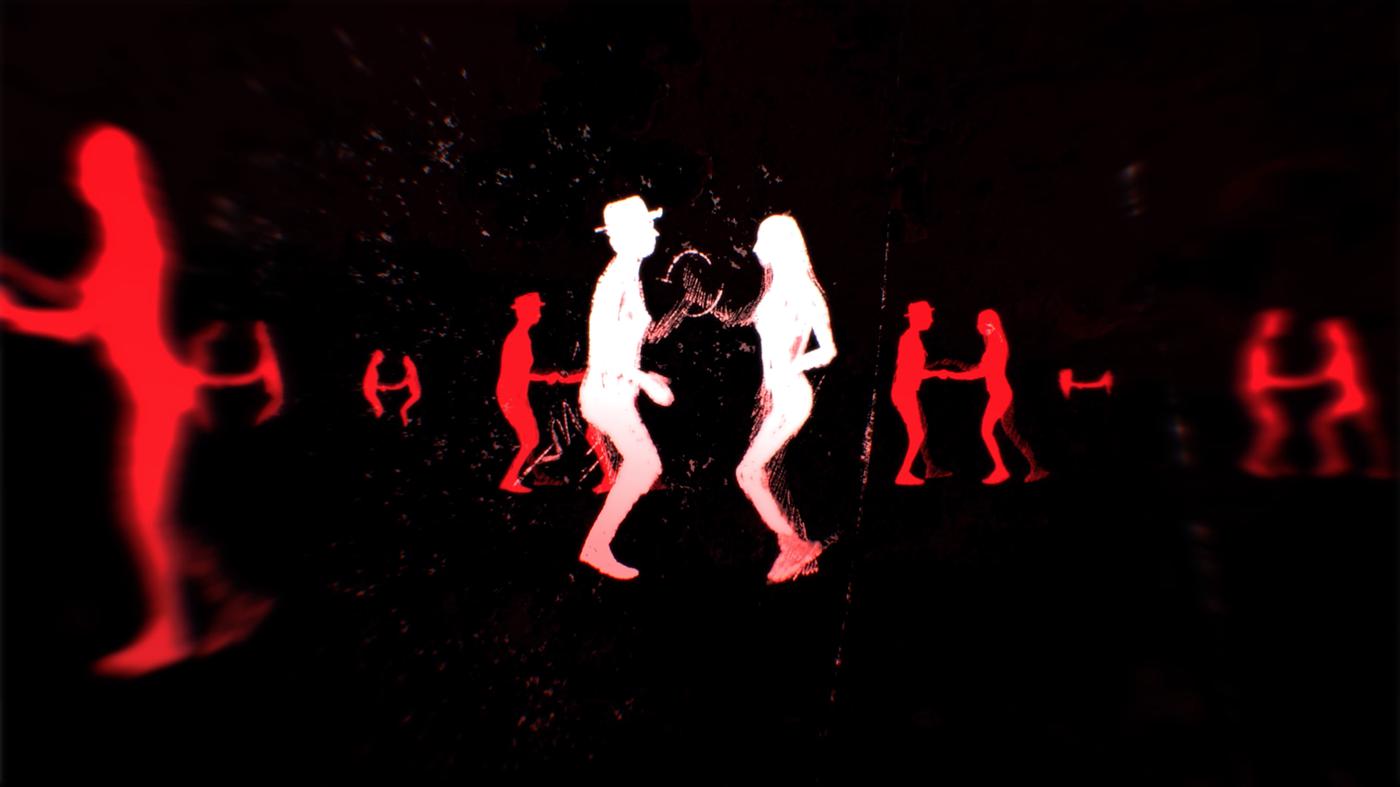
This animation is part of our new series, "There's a Poem for That," which features animated interpretations of poems both old and new that give language to some of life's biggest feelings. Check out the full series here: http://bit.ly/TEDEdTheresAPoemForThat
We’ve all been told that we should recycle plastic bottles and containers. But what actually happens to the plastic if we just throw it away? Emma Bryce traces the life cycles of three different plastic bottles, shedding light on the dangers these disposables present to our world.
면책 조항: 이 페이지에 포함된 팟캐스트와 작품은 TED에서 가져온 것입니다. 이 팟캐스트는 소유자의 재산이며 Listen Notes, Inc.와 제휴하거나 보증하지 않습니다.
