
이 에피소드에 관해
What happened
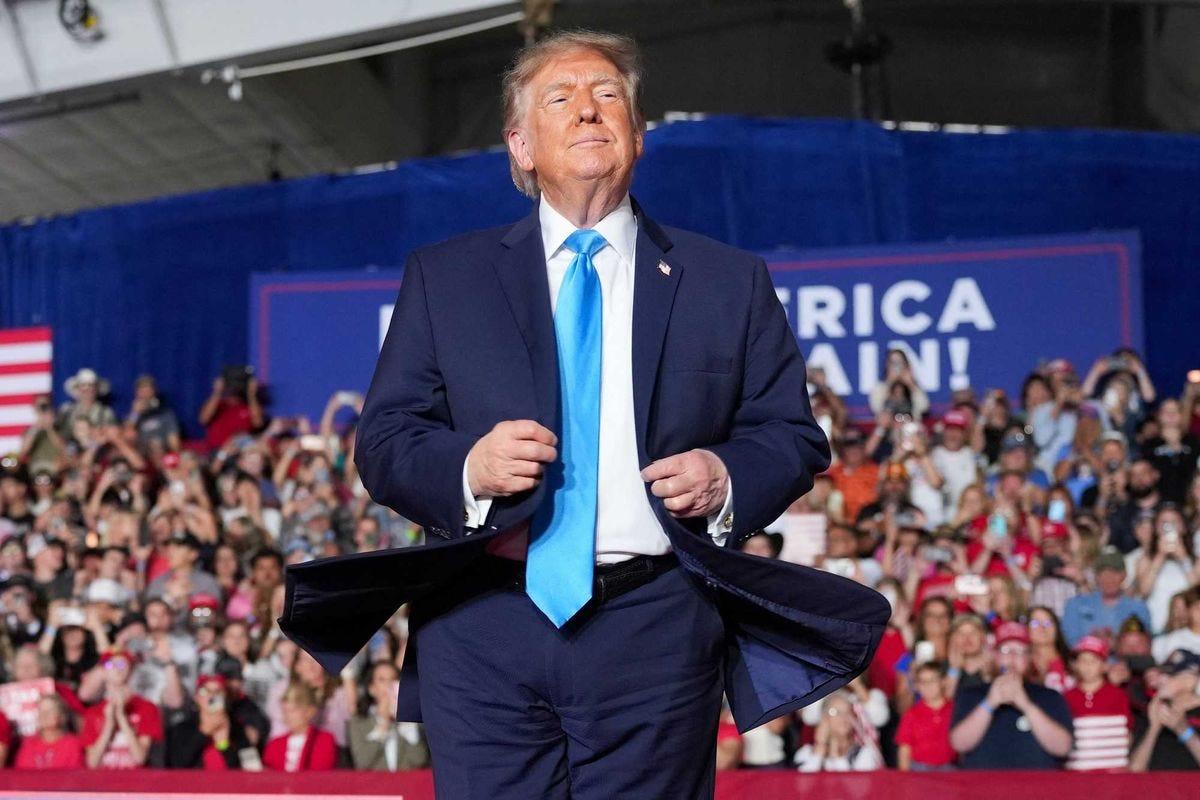
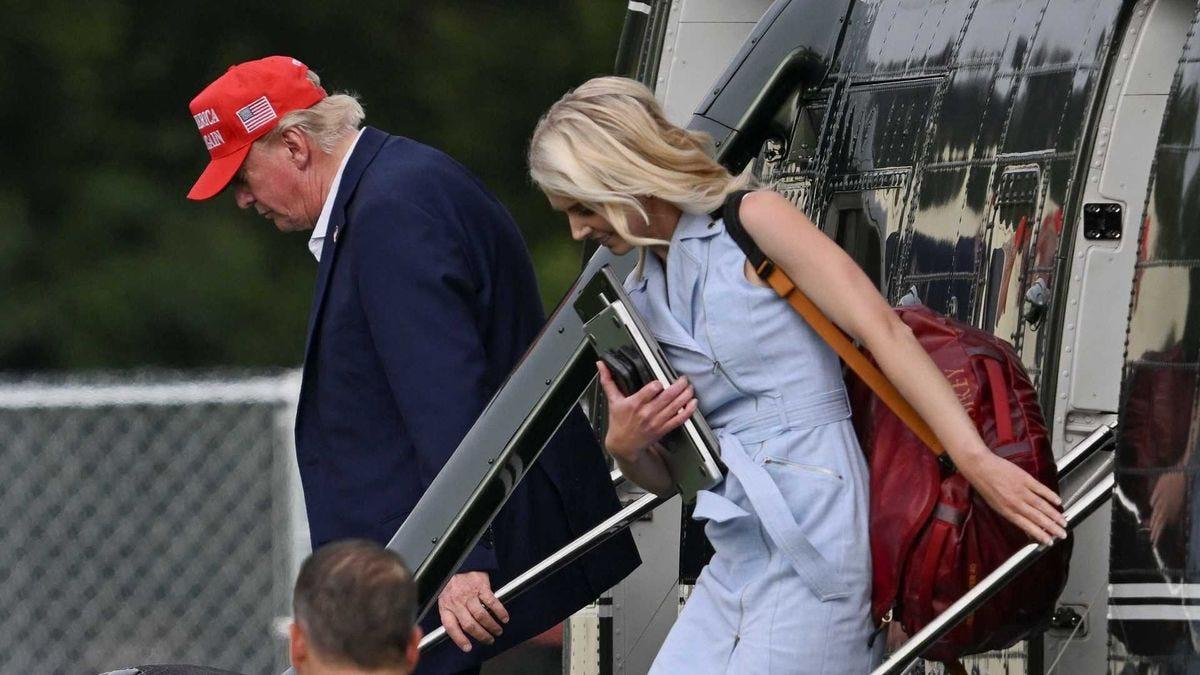
RawStory reports that President Donald Trump appeared to stare at senior aide Natalie Harp’s legs during a rally in Grand Island, Nebraska, held for Sen. Pete Ricketts. The moment came shortly after Trump called Harp “the perfect person.”
The outlet says the clip repulsed several social-media commentators, including activist Derek Cressman, Democratic strategist Mike Nellis, and podcaster Joanne Carducci. Their reactions supply the headline’s “disgusting” verdict; the article offers no comment from Trump or Harp and establishes no further consequence.
Where the power sits
Trump is the president. Harp is his aide. Whatever anyone infers from the footage, that hierarchy matters more than the strangers posting reaction GIFs.
RawStory describes Harp as an unusually attentive subordinate who follows Trump with flattering news printouts and has written him admiring letters. But eccentric devotion does not erase institutional rank. Trump controls access and status inside his operation; Harp does not hold equivalent power over him.
Reaction is not reporting
The article turns a brief visual moment into a procession of disgusted posts. That proves the clip circulated and provoked revulsion among selected critics. It does not establish Trump’s thoughts, Harp’s interpretation, or misconduct beyond the observable gaze.
The framing is weak because it substitutes commentary for development. “Onlookers” sounds broad; the evidence presented is a handful of named social-media reactions. One critic’s insult toward Harp is especially revealing: contempt travels downhill easily, even when the central figure is the president who created the spectacle.
The misdirection
Calling Harp “psycho” shifts attention from the man with presidential authority to the woman working beneath him. RawStory amplifies that insult while offering no evidence that Harp caused the incident described in its headline.
That is a familiar political-media failure: a powerful man behaves conspicuously, and coverage expands the target list to include a less powerful woman near him. Her reported flattery may illuminate how Trump’s information environment operates. It does not make her responsible for where he looked.
The machinery of flattery
The more politically significant detail is not the gaze but Harp’s reported role as a supplier of favorable coverage. A president surrounded by aides who curate praise is being served an information system organized around affirmation.
The article does not establish who designed that system or how it affected any decision. Still, the arrangement it describes raises a sharper institutional question than the viral clip: what reaches presidential attention when proximity is rewarded through flattering printouts and personal devotion?
Spectacle protects the structure
Outrage clips are efficient because they require little investigation and produce immediate engagement. Their political cost is that disgust replaces scrutiny. The audience is invited to recoil at a gesture and ridicule an aide, while the architecture of presidential access remains largely unexamined.
The systemic error is not noticing degrading conduct. It is stopping there. Political coverage should identify the hierarchy, examine who controls information, and trace consequences. Otherwise, the powerful figure remains the center of attention while escaping the more consequential inquiry into how his power is maintained.
Thanks to Raw Story
Source: Trump’s long gaze at Natalie Harp during rally repulses onlookers: ‘Disgusting’
This is a public episode. If you'd like to discuss this with other subscribers or get access to bonus episodes, visit paulstsmith.substack.com/subscribe