


이 에피소드에 관해
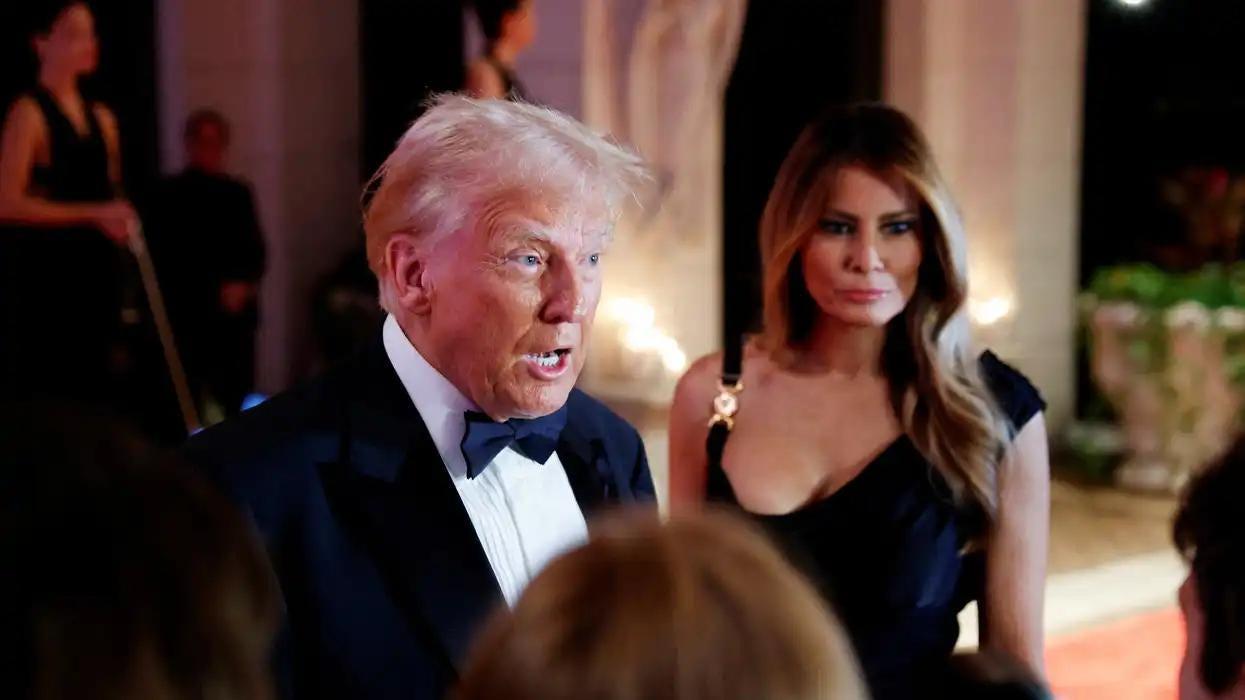
REUTERS/Marco Bello
“Mistakes Were Made” Is How Power Escapes Judgment
The Alibi of Good Intentions
An AlterNet interview with Anthony Scaramucci presents his book All the Wrong Moves as an explanation for Donald Trump’s rise: trade policy, unpaid wars, financial bailouts, housing policy, and weak Democratic candidates alienated working-class voters and created an opening for right-wing populism. That systemic account has value. Its central weakness is the insistence that these were largely bipartisan mistakes made by well-meaning people.
“Mistakes were made” is not analysis. It is an alibi written in the passive voice.
Help fuel the work. Independent analysis doesn’t fund itself:☕ Buy us a coffee
Trade agreements were negotiated. Wars were authorized. Tax constraints were discarded. Banks were rescued. Risky lending was encouraged and expanded. Political leaders made those choices, while powerful institutions collected the benefits and less powerful people absorbed the damage. Good intentions may explain some decisions; they do not erase agency or distribute responsibility equally.
Trump Had Enablers, Not Weather
Scaramucci correctly locates institutional power among Republican officials who could have acted against Trump and chose not to. He argues that congressional Republicans declined to remove Trump after his second impeachment because they feared losing primaries to candidates backed by Trump’s voters. That is not confusion inside a “Potomac bubble.” It is political calculation.
The distinction matters. Officials with impeachment votes, Senate seats, committee authority, and party machinery were not helpless bystanders. According to Scaramucci’s account, they placed their careers and personal power first. Calling them cowardly captures the moral failure, but the institutional failure is more precise: they possessed constitutional power and withheld it because accountability threatened their positions.
That is how an individual’s dominance becomes a party structure. Personal fear is converted into votes, nominations, silence, and continued access to office.
Bipartisanship Can Blur Unequal Responsibility
The book’s bipartisan framework also risks flattening different decisions into a single national accident. Scaramucci faults Democratic economic policy, Republican wars, Wall Street bailouts, and failures by both parties. Some of those choices may share assumptions or consequences. They do not therefore carry identical authorship, purpose, or responsibility.
His discussion of housing illustrates the problem. He describes the Clinton administration’s effort to expand homeownership as an early contributor to subprime instability, later amplified under George W. Bush. But the interview does not establish that broader access to mortgages, by itself, caused the housing crisis. Nor does it trace the separate authority of lenders, regulators, securitizers, or investors. Turning the story into a morality tale about excessive homeownership risks shifting attention toward financially vulnerable borrowers rather than the institutions that designed, sold, and profited from risky credit.
Systemic analysis should identify every relevant decision-maker. Otherwise “the system” becomes another passive construction—an immense machine apparently operated by no one.
Intolerance Is Political Fuel, Not Background Noise
Scaramucci retreats from an earlier claim that racism, xenophobia, and anti-LGBTQ hostility were not central to Trump’s rise. Based on his conversations with Trump supporters, he now says intolerance has become more pronounced, including anti-trans and anti-immigrant sentiment. He does not offer the granular polling he says would be needed to measure its electoral weight, so the interview cannot establish how many voters were primarily motivated by prejudice.
It does establish something narrower and politically important: economic alienation and organized intolerance are not competing explanations. A movement can exploit material grievance while directing anger toward immigrants, transgender people, Black people, or other politically weaker groups. Economic injury supplies resentment; political actors decide where to aim it.
The powerful beneficiaries of trade policy, war spending, and financial rescue are difficult targets. Marginalized people are easier ones. Any account that emphasizes working-class abandonment while treating scapegoating as incidental misses how elite power protects itself.
Euphemism Protects the Audience—and Power
The interview’s discussion of Gaza exposes another form of misdirection. Scaramucci calls the situation a humanitarian crisis and says Israeli Prime Minister Benjamin Netanyahu influenced Trump’s decision to strike Iran, while explicitly assigning the final responsibility for that reported decision to Trump. That is the correct allocation of formal power: influence is not command, and the American president owns an American military decision.
But Scaramucci also explains that he avoids the word “genocide” because it would polarize listeners and create professional consequences. The interviewer uses that term and alleges that Netanyahu prolonged the war for personal legal reasons; those are the interviewer’s claims, not facts established by the interview. Scaramucci does not adopt them.
His rhetorical caution nevertheless reveals how elite discourse works. Language is selected partly for its factual defensibility, but also for its compatibility with institutions, employers, governments, and audiences. Scaramucci recounts that his podcast partner retracted her use of “genocide” after the Israeli government complained to the BBC. The interview provides only his account of that episode, but the political mechanism he describes is clear: access and professional exposure narrow the vocabulary through which state violence can be discussed.
The System Fails Through Decisions
The larger pattern is not simply that American leaders made errors and voters punished them. It is that institutions repeatedly insulated powerful decision-makers from the consequences of their choices, then offered weaker actors as explanations for the resulting disorder.
Borrowers become the housing problem. Disaffected voters become the entire explanation for Trump. Polarization becomes the reason to avoid contested language. “Both sides” becomes a solvent that dissolves names, votes, offices, and chains of command.
Trump’s rise may be a consequence of institutional failure, as Scaramucci argues. But consequences do not govern by themselves. Officeholders enable them, parties normalize them, donors finance them, and media institutions decide which descriptions remain professionally acceptable. A system is not an alternative to individual responsibility. It is the durable arrangement through which powerful individuals exercise responsibility—and evade it.
Thanks to Alter Net
Source: Former Trump advisor drops a bomb on the president’s endgame
Systemic Error is a reader-supported publication. To receive new posts and support my work, consider becoming a free or paid subscriber.
We warned them.We told them.We shouted from the rooftops.We plead.We begged.They didn’t listen.Now, we all will suffer.Y’all know what to do, right?VOTE BLUE! 💙Vote as if your life — nay, our country — depend on it.Because, this time, and every time, it does.
This is a public episode. If you'd like to discuss this with other subscribers or get access to bonus episodes, visit paulstsmith.substack.com/subscribe


