WEBVTT
00:00:02.037 -->
00:00:09.417Welcome back to Season 14 of the Neuroscience Meets Social and Emotional Learning Podcast,
00:00:09.997 -->
00:00:15.277where we connect the science-based evidence behind social and emotional learning
00:00:15.277 -->
00:00:20.577and emotional intelligence training for improved well-being, achievement,
00:00:21.217 -->
00:00:26.277productivity, and results, using what I saw as the missing link,
00:00:26.277 -->
00:00:29.597since we weren't taught this when we were growing up in school.
00:00:30.017 -->
00:00:33.597The application of practical neuroscience.
00:00:36.577 -->
00:00:42.877I'm Andrea Samadhi, and seven years ago launched this podcast with a question
00:00:42.877 -->
00:00:46.857that I've never truly asked myself before, and that is...
00:00:59.670 -->
00:01:04.310And most of us were never taught how to apply neuroscience to improve productivity,
00:01:04.310 -->
00:01:06.750our results, or our well-being.
00:01:07.030 -->
00:01:12.930About a decade ago, I became fascinated by the mind-brain results connection
00:01:12.930 -->
00:01:16.710and how science can be applied to our everyday lives.
00:01:16.870 -->
00:01:21.850And that's why I've made it my mission to bring you the world's top experts,
00:01:21.850 -->
00:01:28.110so together we can explore the intersection of science and social and emotional learning.
00:01:28.110 -->
00:01:34.750We'll break down complex ideas and turn them into practical strategies we can
00:01:34.750 -->
00:01:38.090use for predictable, science-backed results.
00:01:38.970 -->
00:01:45.390And as we kick off Season 14, I've been revisiting past episodes and reflecting
00:01:45.390 -->
00:01:50.670on the incredible insights that our guests shared since we first launched in 2019.
00:01:51.490 -->
00:01:57.370So, as we dive into this review of our past conversations, know that this review
00:01:57.370 -->
00:02:00.310isn't just for you. It's for me as well.
00:02:00.550 -->
00:02:05.510I've learned that slowing down helps us to uncover even more wisdom,
00:02:05.510 -->
00:02:08.970and I'm excited for us to walk this path together.
00:02:09.750 -->
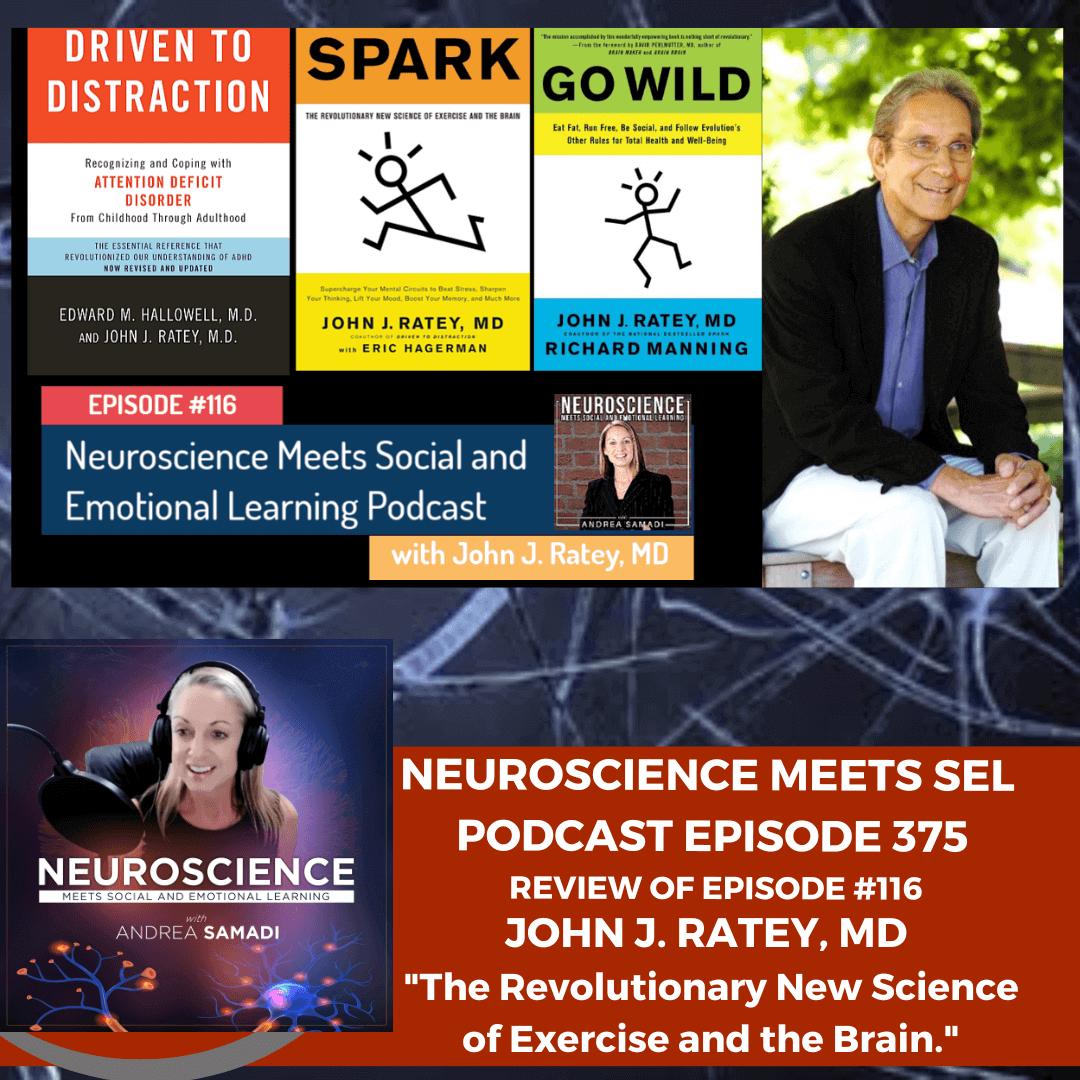
00:02:17.070For today's episode, number 375, we continue with our review of past episodes
00:02:17.070 -->
00:02:19.690as we make connections to prior
00:02:19.690 -->
00:02:24.010learning with whatever it is that we're currently working on this year.
00:02:24.310 -->
00:02:29.770I'll create a roadmap at the end of this season so this pathway will make sense
00:02:29.770 -->
00:02:36.090to us, I hope, as we piece together important parts of our success puzzle and
00:02:36.090 -->
00:02:37.810begin to bring them to life.
00:02:39.370 -->
00:02:44.690You'll notice that around the time of the pandemic in 2020, our interviews took
00:02:44.690 -->
00:02:48.730a turn towards health and wellness, and to stay on track,
00:02:49.150 -->
00:02:54.690I created a framework on our top five health staples on episode 87,
00:02:55.050 -->
00:02:58.650which eventually evolved into our top six health staples.
00:02:58.990 -->
00:03:05.050Today, we're covering the first health staple of exercise, jumping to episode
00:03:05.050 -->
00:03:08.370116 on the The Revolutionary New
00:03:08.370 -->
00:03:13.750Science of Exercise and the Brain with best-selling author Dr. John Rady.
00:03:14.030 -->
00:03:20.230Dr. Rady is also an Associate Clinical Professor of Psychiatry at Harvard Medical
00:03:20.230 -->
00:03:25.190School and an internationally recognized expert in neuropsychiatry.
00:03:25.410 -->
00:03:32.810Dr. Rady has published over 60 peer-reviewed articles and 11 books in 17 languages.
00:03:33.190 -->
00:03:40.110Including his groundbreaking ADHD Driven to Distraction series with Dr. Ed Holliwell.
00:03:40.410 -->
00:03:43.130And with the publication of his book Spark!
00:03:43.430 -->
00:03:47.530The Revolutionary New Science of Exercise in the Brain, Dr.
00:03:47.690 -->
00:03:49.390Rady established himself as
00:03:49.390 -->
00:03:54.050one of the world's foremost authorities on the brain-fitness connection.
00:03:54.370 -->
00:04:00.510His most recent book, Go Wild, explores how we can achieve optimal physical
00:04:00.510 -->
00:04:07.310and mental health by getting in touch with our caveman roots and how we can rewild our lives.
00:04:07.650 -->
00:04:12.670And I did put a link in the show notes so you can tune in to episode 87 on those
00:04:12.670 -->
00:04:17.750top five brain health tips, as well as a link to Dr. John Rady's website.
00:04:18.090 -->
00:04:22.550We also did a deep dive into Dr. Rady's books on episode 118,
00:04:22.550 -->
00:04:26.290and you can listen to that as well by clicking on the link in the show notes.
00:04:27.010 -->
00:04:32.330Now moving on to our first clip with Dr. Rady, it's on the power of exercise
00:04:32.330 -->
00:04:34.230to prime the brain for learning.
00:04:35.112 -->
00:04:38.492In our first video clip, reviewing our interview with Dr.
00:04:38.612 -->
00:04:43.552Rady, he talks about the power of exercise to prime our brain for learning.
00:04:43.832 -->
00:04:49.132He says, You're going to pay better attention if you exercise,
00:04:49.572 -->
00:04:53.652you know, because you turn on all the thinking parts of the brain.
00:04:53.652 -->
00:04:57.252When you move, you're turning on those thinking nerve cells,
00:04:57.432 -->
00:05:01.372if you want to put it like that, and especially your attention system.
00:05:01.372 -->
00:05:06.832And that allows you to stay with it, to stay with an idea, to evaluate,
00:05:07.012 -->
00:05:13.052to understand, to use your ideas, to scan your memory banks, if you will.
00:05:13.172 -->
00:05:18.652And also to keep in your seat while you're trying to parse through stuff that
00:05:18.652 -->
00:05:19.552David Perlmutter wrote.
00:05:19.832 -->
00:05:25.612You know, I mean, to try to understand that, you need to have the sitting power
00:05:25.612 -->
00:05:31.432and also the attention to go with it so that you can understand things. and so.
00:05:34.032 -->
00:05:38.492And it was right here that I understood why I couldn't make connections with
00:05:38.492 -->
00:05:41.872difficult material without exercising first.
00:05:42.132 -->
00:05:47.532I've mentioned it often on past episodes that exercise has to come before a
00:05:47.532 -->
00:05:52.072difficult day for me, or I know I won't be putting my best foot forward.
00:05:52.352 -->
00:05:57.072This practice gives me the capacity to handle life's daily stressors.
00:05:57.232 -->
00:06:01.052And I didn't need to read Dr. Rady's book Spark to know this.
00:06:01.212 -->
00:06:05.712It's just always been that way for me. Then I learned about his research and
00:06:05.712 -->
00:06:12.192how he used this connection between exercise and learning with a school in Chicago called Naperville,
00:06:12.312 -->
00:06:18.312which provides a powerful case study showing how aerobic activity can transform
00:06:18.312 -->
00:06:21.232not only the body, but also the mind.
00:06:21.232 -->
00:06:23.852A key takeaway from Dr.
00:06:23.972 -->
00:06:29.532Rady's book, Spark, is the impact of physical activity on not only our ability
00:06:29.532 -->
00:06:32.452to focus on difficult work, like I noticed,
00:06:32.692 -->
00:06:39.232but his research showed the direct impact on academic achievement in the classroom. Dr.
00:06:39.412 -->
00:06:44.972John Rady wrote the book Spark after he saw Naperville's results in the Trends
00:06:44.972 -->
00:06:49.352in International Mathematics and Science Study, and that's T-I-M-S-S.
00:06:49.812 -->
00:06:55.752Where the school ranked number one in science and number six in math in the world.
00:06:55.952 -->
00:07:00.572This success proved that Naperville had discovered something remarkable,
00:07:00.952 -->
00:07:05.972the strong correlation between exercise and academic achievement.
00:07:07.088 -->
00:07:12.328Naperville provided a powerful case study demonstrating that aerobic activity
00:07:12.328 -->
00:07:16.708can transform not only the body, but also the mind.
00:07:16.908 -->
00:07:22.428And what was being taught at Naperville that was so unique was not just a PE
00:07:22.428 -->
00:07:24.728class. It was a lifestyle.
00:07:25.148 -->
00:07:31.228They emphasized fitness instead of sports through a program they called Zero Hour PE,
00:07:31.228 -->
00:07:37.528which was supported by emerging research showing that physical activity sparks
00:07:37.528 -->
00:07:42.388biological changes that encourage brain cells to bind to one another.
00:07:42.588 -->
00:07:48.008For the brain to learn, these connections must be made, and they reflect the
00:07:48.008 -->
00:07:51.268brain's fundamental ability to adapt to challenges.
00:07:51.688 -->
00:07:57.308The more neuroscientists discover about this process, the clearer it becomes
00:07:57.308 -->
00:08:03.388that exercise provides an unparalleled stimulus, creating an environment in
00:08:03.388 -->
00:08:04.848which the brain is ready,
00:08:05.368 -->
00:08:07.528willing, and able to learn.
00:08:08.322 -->
00:08:12.862And what I loved about what they discovered at Naperville with their zero-hour
00:08:12.862 -->
00:08:17.922PE program, which prepared students to learn through vigorous exercise,
00:08:18.282 -->
00:08:23.902was that they created lifelong habits around using exercise as a stress management
00:08:23.902 -->
00:08:29.882tool throughout college and beyond, a habit that I personally adopted as my
00:08:29.882 -->
00:08:31.922number one stress management tool.
00:08:32.162 -->
00:08:37.302Now we can go back and look at our past episodes where we covered this important
00:08:37.302 -->
00:08:43.622health staple, uncovering that exercise seems to be the solution for every single brain problem.
00:08:43.822 -->
00:08:49.402I think this is one of the most important staples next to sleep and the reason
00:08:49.402 -->
00:08:52.182why I try to make it as non-negotiable.
00:08:52.302 -->
00:08:57.602If we can incorporate even 30 minutes of brisk walking every day,
00:08:57.762 -->
00:09:00.242we'll be miles ahead with our brain health.
00:09:00.242 -->
00:09:05.522And it wasn't until I started to measure my activity that I started to see that
00:09:05.522 -->
00:09:08.84230 minutes of walking really did make a difference.
00:09:09.222 -->
00:09:13.962It didn't need to be running or working really hard like I used to think I had
00:09:13.962 -->
00:09:15.962to do to notice a difference.
00:09:16.182 -->
00:09:19.682But I did need to put in some effort to move the needle.
00:09:19.682 -->
00:09:25.582And the benefits of daily consistent exercise come directly from its ability
00:09:25.582 -->
00:09:27.682to reduce insulin resistance.
00:09:28.122 -->
00:09:33.202Reduce inflammation, and stimulate the release of growth factors,
00:09:33.462 -->
00:09:37.162chemicals in the brain that affect the health of brain cells,
00:09:37.402 -->
00:09:44.542the growth of new blood vessels in the brain, and even the abundance and survival of new brain cells.
00:09:45.348 -->
00:09:49.768And if for some reason this whole idea of exercising still doesn't sound the
00:09:49.768 -->
00:09:53.828least bit interesting to you, you might be surprised, like I was,
00:09:54.068 -->
00:09:59.588that household activities like vacuuming or raking leaves or anything that gets
00:09:59.588 -->
00:10:01.988your heart rate up, like shoveling snow,
00:10:02.448 -->
00:10:05.908could also fall into the category of moderate exercise.
00:10:06.348 -->
00:10:10.528The idea is that whatever you choose, that it remains consistent,
00:10:10.528 -->
00:10:13.608so it eventually becomes something you do habitually.
00:10:13.608 -->
00:10:18.328I was actually shocked to see that while recording these podcast episodes,
00:10:18.608 -->
00:10:22.888my heart rate jumped up much higher than my typical resting heart rate.
00:10:22.908 -->
00:10:27.848I'm currently watching it, and it's in Zone 1, showing me that improving my
00:10:27.848 -->
00:10:32.508heart muscle can come in many different forms. Now, Dr.
00:10:32.668 -->
00:10:39.368Rady mentioned board-certified neurologist, researcher, and New York Times best-selling author Dr.
00:10:39.708 -->
00:10:46.008David Perlmutter, who wrote the foreword to his book Go Wild in this first interview clip. Dr.
00:10:46.188 -->
00:10:50.288Perlmutter, who created an important documentary called Alzheimer's,
00:10:50.388 -->
00:10:52.988the Science of Prevention Series in 2020,
00:10:53.608 -->
00:10:58.248attests that if exercise reduces insulin resistance and inflammation,
00:10:58.808 -->
00:11:03.008it would make sense that it also reduces the risk of Alzheimer's.
00:11:03.188 -->
00:11:08.688Studies show that people who are physically active have a lower risk of developing
00:11:08.688 -->
00:11:13.008Alzheimer's disease and possibly have improved thinking.
00:11:13.848 -->
00:11:18.248So some practical tips for implementing physical activity into your life.
00:11:18.428 -->
00:11:23.988Whether you're an educator working in a classroom or an employee in the corporate world,
00:11:24.228 -->
00:11:29.268this concept can be easily implemented to help you to reach a state of heightened
00:11:29.268 -->
00:11:34.408awareness before learning or before sitting to work for long periods of time.
00:11:35.563 -->
00:11:40.283Now, we interviewed Paul Zantarsky, who worked closely with Naperville Study
00:11:40.283 -->
00:11:43.043through his work in PE at the high school level,
00:11:43.063 -->
00:11:48.483and he has clear and practical ideas on how to implement a program like Naperville's
00:11:48.483 -->
00:11:51.963through his Learning Readiness PE program for schools.
00:11:52.463 -->
00:11:56.023And after seeing these results that we innately know are true,
00:11:56.023 -->
00:12:01.503I would highly encourage us all to think of ways to encourage our students and
00:12:01.503 -->
00:12:07.903our employees and ourselves to engage in aerobic activity before starting the day.
00:12:08.383 -->
00:12:13.563Consider how you might integrate a movement-based program before class or work
00:12:13.563 -->
00:12:17.763begins to boost focus, memory, and performance.
00:12:18.043 -->
00:12:22.563I know that some days this just isn't possible. Our schedules are tight,
00:12:22.623 -->
00:12:27.883and time sometimes just doesn't allow for this, but if we could find a way to
00:12:27.883 -->
00:12:32.203start most days with movement, we will all notice the benefits.
00:12:32.443 -->
00:12:37.903And it's clear from Dr. Rady's research that aerobic activity has a dramatic
00:12:37.903 -->
00:12:42.563effect on adaptation, regulating systems that might be out of balance,
00:12:42.723 -->
00:12:45.123and optimizing those that are not.
00:12:45.363 -->
00:12:50.043It's an indispensable tool for anyone looking to improve learning,
00:12:50.503 -->
00:12:57.263focus, and Which brings us to video clip number two where I asked Dr.
00:12:57.403 -->
00:13:03.703Rady how does nutrition and what we eat have such an impact on BDNF,
00:13:03.803 -->
00:13:06.143brain derived neurotropic factors?
00:13:06.963 -->
00:13:11.423Protein that's crucial for the survival, growth, and maintenance of neurons,
00:13:11.683 -->
00:13:17.403particularly in the areas of the brain involved with learning, memory, and emotion.
00:13:17.803 -->
00:13:19.783And Dr. Rady answered.
00:13:20.443 -->
00:13:25.423How does nutrition, or what we're choosing to eat, have such a profound effect
00:13:25.423 -->
00:13:28.683on BDNF and be so important for our brain health?
00:13:28.783 -->
00:13:35.003Well, because it really does impact the development of our brain and the feeding
00:13:35.003 -->
00:13:40.703of our brain. And what we do know, the offset of that is high glucose levels.
00:13:40.923 -->
00:13:46.583They are seen as toxic to the brain so that it really can injure our brain.
00:13:46.823 -->
00:13:52.783And so, and a big thing that it does is suppresses the production of high glucose levels,
00:13:52.903 -->
00:13:58.563will limit the production of this glorious compound BDNF, which is really the
00:13:58.563 -->
00:14:02.603master switch in terms of learning and healthy brain development.
00:14:02.603 -->
00:14:07.463We now see it as an antidepressant, an anti-anxiety agent.
00:14:08.363 -->
00:14:15.543After this interview, I wanted to understand more about what BDNF actually was, especially when Dr.
00:14:15.643 -->
00:14:18.983Rady described it as miracle grow for the brain.
00:14:19.183 -->
00:14:24.923He emphasized its importance for brain health, learning, physical and emotional well-being.
00:14:24.923 -->
00:14:30.743So I dove deeper into this topic on episode 114, building a stronger,
00:14:31.103 -->
00:14:35.363faster, more resilient brain by understanding BDNF.
00:14:35.503 -->
00:14:40.543And on that episode, we learned that what we eat is not the only way to impact
00:14:40.543 -->
00:14:42.263this important brain protein.
00:14:42.563 -->
00:14:48.123We covered what actually is BDNF, brain-derived neurotropic factor.
00:14:48.123 -->
00:14:53.943It's a protein found in the brain and body that supports plastic changes related
00:14:53.943 -->
00:14:57.763to learning, memory, and higher-level cognitive abilities.
00:14:58.780 -->
00:15:03.340And the signaling protein is the reason you can sit at your desk with a heightened
00:15:03.340 -->
00:15:05.980sense of focus after you exercise.
00:15:06.500 -->
00:15:13.020As Dr. Rady taught me, movement places demands on the brain just as it does on the muscle.
00:15:13.300 -->
00:15:18.900And so the brain releases BDNF, which triggers the growth of cells to meet the
00:15:18.900 -->
00:15:20.960increased mental demands of movement.
00:15:21.200 -->
00:15:24.800In short, the whole brain benefits from movement.
00:15:26.720 -->
00:15:32.720Then we looked at the benefits of BDNF with movement and the increase of this protein.
00:15:33.180 -->
00:15:37.120BDNF supports learning, memory, and higher-level thinking.
00:15:37.180 -->
00:15:42.460It grows new neurons and synapses while supporting existing ones.
00:15:42.620 -->
00:15:47.840And it increases neurogenesis, the process of creating new neurons,
00:15:48.060 -->
00:15:51.020and helps the brain to heal after injury.
00:15:52.046 -->
00:15:57.526And what else should we know about BDNF? BDNF is reduced in the brains of people
00:15:57.526 -->
00:16:03.886with Alzheimer's and Parkinson's disease, explaining memory decline and cognitive impairment.
00:16:04.266 -->
00:16:11.106It influences how quickly we learn. Children have higher BDNF and greater neuroplasticity,
00:16:11.306 -->
00:16:16.826which is why learning a second language or a new skill is easier when we're young.
00:16:17.806 -->
00:16:22.026So some practical tips to increase BDNF, building a stronger,
00:16:22.326 -->
00:16:24.206faster, more resilient brain?
00:16:24.506 -->
00:16:27.866Tip number one, exercise and nutrition.
00:16:28.246 -->
00:16:34.186In Go Wild, Dr. Rady explains that researchers studying aging found that seniors
00:16:34.186 -->
00:16:40.466who exercised had significantly larger hippocampal volumes, improving memory
00:16:40.466 -->
00:16:42.966and preventing loss of gray matter.
00:16:43.266 -->
00:16:48.826This research shows that exercise and nutrition are essential for maintaining
00:16:48.826 -->
00:16:55.346cognitive health at any age, another reason they're at the core of our top six health staples.
00:16:55.766 -->
00:17:02.226Dr. Rady reminded us in clip two that high glucose levels are toxic to the brain,
00:17:02.386 -->
00:17:06.026and too much glucose can injure our brain.
00:17:06.246 -->
00:17:13.306A second tip to increase BDNF is through hormesis or putting the body under stress.
00:17:13.586 -->
00:17:21.586Fitness expert Thomas DeLauer explains that fasting and the ketogenic diet can also boost BDNF.
00:17:21.666 -->
00:17:26.886Whenever we put our body under stress through fasting, intense exercise,
00:17:26.886 -->
00:17:32.306or even exposure to heat in a sauna, BDNF levels increase.
00:17:32.506 -->
00:17:38.586And this process called hormesis means that mild stress actually strengthens
00:17:38.586 -->
00:17:43.286the body and the brain, improving resilience and resistance to disease.
00:17:44.422 -->
00:17:51.202And our third tip to increase BDNF is through controlling stress and improving sleep.
00:17:51.462 -->
00:17:56.302Getting enough sleep, and experts still say around 7 to 8 hours,
00:17:56.622 -->
00:17:58.902is one of our top 5 health staples.
00:17:59.142 -->
00:18:06.482And research links poor sleep, obesity, and insulin resistance to lower BDNF levels.
00:18:06.662 -->
00:18:11.302The same conditions Dr. Perlmutter connects to Alzheimer's disease.
00:18:11.302 -->
00:18:16.202And if you're not getting enough sleep or you're living under chronic stress,
00:18:16.542 -->
00:18:20.222it will show up in your brain and your BDNF levels.
00:18:21.042 -->
00:18:24.942Remember, that which does not kill us makes us stronger.
00:18:25.182 -->
00:18:30.342As from Nietzsche, our bodies and brains are designed to release the chemicals
00:18:30.342 -->
00:18:35.242that keep us healthy, but we must create the right environment for that to happen.
00:18:35.242 -->
00:18:39.642And this conversation brings us full circle to the top five,
00:18:39.962 -->
00:18:44.362now six, health staples that we've discussed throughout this entire podcast.
00:18:44.602 -->
00:18:51.042It's a powerful reminder of why putting our health and well-being first isn't optional.
00:18:51.242 -->
00:18:57.202Our lives literally depend on it. Now, as we wrap up episode 375,
00:18:57.622 -->
00:19:00.642our review of episode 116 with Dr.
00:19:00.822 -->
00:19:05.562John Rady, we cover two important clips that highlight how movement,
00:19:05.922 -->
00:19:13.382nutrition, and lifestyle choices directly shape our brain's performance and overall well-being.
00:19:13.882 -->
00:19:19.242In clip number one, we looked at how exercise keeps our attention. Dr.
00:19:19.422 -->
00:19:23.042Rady's research shows that exercise primed the brain for learning,
00:19:23.542 -->
00:19:26.622improving attention, focus, and mental endurance.
00:19:27.552 -->
00:19:32.732Aerobic movement activates our thinking centers and enhances our ability to
00:19:32.732 -->
00:19:35.432process and retain complex information.
00:19:35.872 -->
00:19:40.132Some practical tips for increasing exercise in our daily life.
00:19:40.252 -->
00:19:45.252Number one, whether you're a teacher in the classroom or an employee in a corporate
00:19:45.252 -->
00:19:48.092environment, build movement into your day.
00:19:48.392 -->
00:19:52.692Even brief aerobic bursts can help the brain stay focused and alert.
00:19:52.692 -->
00:19:59.052And number two, remember the example from Naperville's zero-hour PE program.
00:19:59.432 -->
00:20:05.572Exercise before learning or work can boost academic and professional performance.
00:20:06.632 -->
00:20:11.412In our clip number two, building a faster, stronger, more resilient brain.
00:20:11.712 -->
00:20:17.332In this clip, Dr. Rady explains how nutrition, exercise, hormesis,
00:20:18.012 -->
00:20:23.212stress reduction, and quality sleep All influence levels of BDNF,
00:20:23.272 -->
00:20:28.592brain-derived neurotropic factor, what he calls miracle grow for the brain.
00:20:29.052 -->
00:20:35.152Some practical tips for increasing BDNF. First, nutrition and exercise.
00:20:35.952 -->
00:20:41.152Prioritize whole, low-glucose foods and regular physical activity to enhance
00:20:41.152 -->
00:20:43.612brain growth and protect against decline.
00:20:44.656 -->
00:20:50.3162. Hormesis. Induce mild stressors like fasting, intense workouts,
00:20:50.436 -->
00:20:56.696or sauna sessions to boost resilience and upregulate BDNF. And 3.
00:20:57.156 -->
00:21:02.236Through stress control and quality sleep. Manage stress effectively and aim
00:21:02.236 -->
00:21:08.716for 7-8 hours of restorative sleep to maintain optimal brain function and mood stability.
00:21:08.716 -->
00:21:15.296And as we now move from our mind to our brain to our body in this roadmap for health and wellness,
00:21:15.516 -->
00:21:21.036I hope you've enjoyed this quick review of the importance of exercise and nutrition
00:21:21.036 -->
00:21:24.536in building a stronger, more resilient brain.
00:21:24.536 -->
00:21:28.576And as we focus on finishing the last quarter of 2025,
00:21:29.216 -->
00:21:34.596let's all continue to put these practices into action, fueling both our mental
00:21:34.596 -->
00:21:41.196clarity and our physical vitality as we move forward together on this path toward
00:21:41.196 -->
00:21:43.196optimal health and well-being.
00:21:43.936 -->
00:21:48.736And with that, we'll close out this episode. I hope you join me next week for
00:21:48.736 -->
00:21:50.776part two of our review with Dr.
00:21:50.896 -->
00:21:56.516Rady, where we dive a bit deeper into his work focused on anti-aging and healthy
00:21:56.516 -->
00:21:58.496living. We'll see you next week.
00:21:59.436 -->
00:22:03.916If you're enjoying the Neuroscience Meets Social and Emotional Learning podcast,
00:22:03.916 -->
00:22:07.916please don't forget to subscribe so you'll stay up to date with our new episode.
00:22:08.136 -->
00:22:12.256While you're there, please feel free to give us a review or a five-star rating
00:22:12.256 -->
00:22:13.876as it helps others find us.
00:22:13.976 -->
00:22:17.836For more information on our programs, books and tools for schools,
00:22:18.056 -->
00:22:24.216and the workplace, visit us at www.achieveit360.com.