

이 에피소드에 관해

Welcome to this next episode in the series on the implications of Embodiment Science in education. After Episode 1 on intelligence and Episode 2 on learning, this is the third installment, where Guy Claxton and Emily Poel's take on what embodiment science has to say about how we understand memory and knowledge.
This is a hugely important call to those who have forgotten that the dominant way we talk about memory in education is actually a metaphor. And a bad one at that, that the science is now telling us needs to be replaced with something biologically plausible.
영어
전사 🔗
Are you the producer of this podcast?
Add a podcast transcript
Need Audio-to-Text?
Transcribe with Listen411 in Just 60 Seconds
이 팟캐스트의 다른 에피소드
There is a lot of talk about increasing agency in education and schooling, for young people and for teachers and we've done many episodes over the last 6 years that touch on it. But there is a tendency sometimes for discussions of agency to lack a bit of clarity in exactly what we mean by this slip…

After last week's inquiry into Guy Claxton and Emily Poel's theory of "real-world intelligence", this is the second of four short episodes exploring the fuller implications of embodiment science to our core concepts and deep grammars of schooling and education.
Today we are exploring the …

Rather than the narrow definition of schooling, if you think of education broadly, as raising children to become members of a community and as capable, functioning people contributing to the life and strength of that community, then the roles of schools and teachers in community can take on real si…
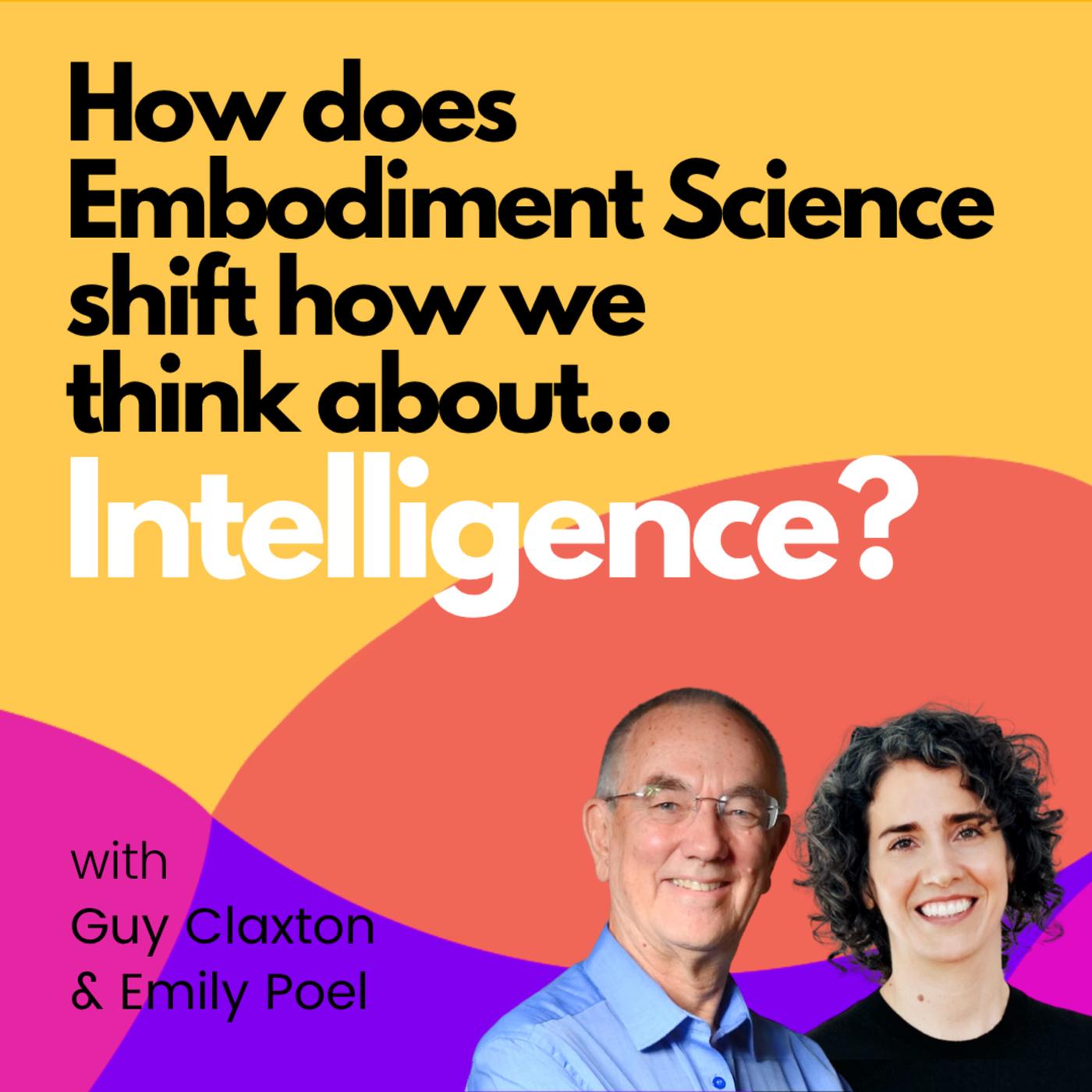
This is the first the 4 short episodes exploring the fuller implications of embodiment science to our core concepts and deep grammars of schooling and education.
As you will have heard on a previous episode I did with Prof. Guy Claxton and Emily Poel, their book 'Bodies of Learning: How Embodiment …
면책 조항: 이 페이지에 포함된 팟캐스트와 작품은 Tim Logan에서 가져온 것입니다. 이 팟캐스트는 소유자의 재산이며 Listen Notes, Inc.와 제휴하거나 보증하지 않습니다.
