WEBVTT
00:00:10.320 -->
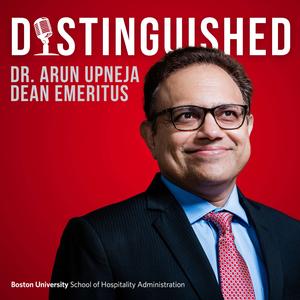
00:00:16.320Welcome to the Distinguished Podcast produced by Boston University School of Hospitality Administration.
00:00:16.480 -->
00:00:26.320I am Arunupneja, Dean of the School, and today I am pleased to welcome our guest, Keith Craig, Senior Director of Development at the NB Development Group.
00:00:26.559 -->
00:00:37.759As part of the senior management team, Keith is responsible for all aspects of development, including strategy, financial analysis, programming and design, and project execution.
00:00:38.079 -->
00:00:44.719Keith, you've been a guest speaker in our real estate courses, providing mentorship and field expertise to our students.
00:00:44.880 -->
00:00:50.079Welcome back to Shaw, and thank you for joining us for the distinguished podcast.
00:00:50.479 -->
00:00:51.280Thank you, Dean.
00:00:51.439 -->
00:00:52.399Appreciate it.
00:00:52.880 -->
00:00:54.799So first let's start with the basics.
00:00:55.039 -->
00:00:56.560How did you get into real estate?
00:00:56.880 -->
00:00:57.439Yeah, thank you.
00:00:57.520 -->
00:00:59.359I I uh so I'm from Canada.
00:00:59.600 -->
00:01:10.239Grew up in a fairly rural area of central Alberta, went to university in Alberta, and hadn't really started traveling uh much until my early 20s.
00:01:10.319 -->
00:01:24.079And so as I started to travel, started to see bigger cities in the US and and across the world, I I recognized that I I had an interest in what I would later understand as urban planning, right?
00:01:24.319 -->
00:01:30.000So starting to think about how you affect change and manage growth, you know, through the built environment.
00:01:30.239 -->
00:01:37.359So I I I picked a grad school in Nova Scotia, attended grad school studying urban and rural planning.
00:01:37.599 -->
00:01:42.319I I made my way, you know, one summer in the early 2000s down to Boston.
00:01:42.560 -->
00:01:44.719Hadn't really spent much time in a big U.S.
00:01:44.799 -->
00:01:49.359city, so it was kind of a really new great experience working in planning.
00:01:50.000 -->
00:02:00.159And um through my work over the next several years, I I worked on projects where I had a piece of you know, a development project, right?
00:02:00.239 -->
00:02:04.640So thinking about the initial planning, the entitlements, the permitting.
00:02:04.879 -->
00:02:25.199But what I realized was there was this whole range of other things going on here, you know, obviously construction and financing, property operations, leasing, all of these things that as you build a building and then you open it, that you have to accomplish in order for that to be successful.
00:02:25.439 -->
00:02:33.280Uh and what I found was that my interests were more aligned with, you know, kind of seeing how all these things happen.
00:02:33.680 -->
00:02:38.719So I started to to get more involved in the real estate side development side of it.
00:02:38.879 -->
00:02:42.240And then about 12 years ago, I ended up at NB Development Group.
00:02:42.479 -->
00:02:52.240And, you know, we at the time didn't know that it would turn into what it's turned into kind of a multi-phase, multi-project, multi-year development plan.
00:02:52.800 -->
00:03:15.599And, you know, what I've um realized that I really like is, you know, working on a project like this is that there's this vision, there's kind of a larger mission, and all that I think ties back to my interest in kind of the urban planning side of it, you know, how things work, how you manage all of these pieces of the puzzle as cities grow and change.
00:03:16.400 -->
00:03:23.360It's very interesting that you grew up in Alberta and then learned urban planning in Nova Scotia.
00:03:23.680 -->
00:03:26.639Both of those are not known for their urban centers.
00:03:26.879 -->
00:03:27.039Sure.
00:03:27.360 -->
00:03:27.759That's true.
00:03:27.840 -->
00:03:28.000Yeah.
00:03:28.159 -->
00:03:35.520Very very, very kind of smaller in terms of density, but obviously very large kind of suburban cities.
00:03:35.759 -->
00:03:36.000Yeah.
00:03:36.080 -->
00:03:37.280So just a different thing.
00:03:37.360 -->
00:03:41.439And and that that's probably why I I don't I don't live there anymore, right?
00:03:41.599 -->
00:03:48.479It's like attracting attracted to these kind of big, messy cities that are just fascinating.
00:03:49.439 -->
00:03:59.599So you mentioned NB Development Group, which sense when you balance uh development, you know, the sneaker company, which I've been told are seeing a resurgence in sales and they become very trendy.
00:03:59.759 -->
00:04:02.319But I want to focus on the NB development group.
00:04:02.479 -->
00:04:06.960So can you sort of describe how that group started and what does it do?
00:04:07.680 -->
00:04:15.439So that group specifically, we started back in 2011, which you know, I started back then, July 2011.
00:04:15.680 -->
00:04:19.360There was a property group that always existed before that.
00:04:19.519 -->
00:04:29.920You know, New Balance has uh been in that immediate neighborhood in Brighton for over 50 years since our owner, Jim Davis, has owned, you know, New Balance Athletics.
00:04:30.079 -->
00:04:34.639He's had three headquarters there over that time period.
00:04:34.879 -->
00:04:40.639And so it kind of coincided with a pretty concerted effort at growing the company.
00:04:40.879 -->
00:04:45.040And so what the immediate need was was to grow into a new building.
00:04:45.199 -->
00:04:51.199You know, they were at a building on site there, which was your kind of typical commercial office building.
00:04:51.439 -->
00:04:53.199He wanted kind of that campus feel.
00:04:53.360 -->
00:04:58.800He wanted to really attract the best and the brightest to come work for him.
00:04:59.120 -->
00:05:01.519He realized that he needed to grow.
00:05:01.759 -->
00:05:14.079And um, he happened to be in an area that was um very underutilized, you know, kind of a swath of of land that was industrial, light industrial, starting to, you know, have some change.
00:05:14.399 -->
00:05:21.120Kind of development started to really increase during that time coming out of the 2008 recession.
00:05:21.279 -->
00:05:25.279And so he saw an opportunity there to kind of capture that.
00:05:25.519 -->
00:05:30.240There was an ongoing proposal for a big box retail store.
00:05:30.480 -->
00:05:35.199And he, you know, looking out his window one day, said, you know, I don't want that as my neighbor.
00:05:35.360 -->
00:05:50.399And so he put a little small team of us together and we started to buy some of the land and figure out how to take the first step into kind of this master plan, which you know, we started to evolve in the ear in the early 2010s.
00:05:51.040 -->
00:05:55.439So until that time, New Balance was not buying all the surrounding areas.
00:05:55.519 -->
00:05:57.360It's only post-2010.
00:05:57.439 -->
00:06:05.279And I'm assuming that was a good time when the property prices were still down to sort of start expanding and buying up the, you know, landed on the area.
00:06:05.680 -->
00:06:06.560Very correct, yeah.
00:06:06.720 -->
00:06:11.120Um so over the course of a few years, he was able to capture about 15 acres.
00:06:11.279 -->
00:06:18.800And again, you know, these are all um older industrial, kind of not nice neighborhood uses, not good neighbors.
00:06:19.040 -->
00:06:28.959The the street there, guest street, was, you know, just a two-lane road, no sidewalks, and it was where uh the local car dealership would kind of test their cars on.
00:06:29.120 -->
00:06:34.319So it was really kind of a forgotten area that, you know, needed some planning and needed some some change.
00:06:35.519 -->
00:06:44.240So uh so far you've been in NB development is uh that's where you're focused in on Austin and Brighton neighborhoods.
00:06:44.480 -->
00:06:54.720So can you sort of describe over the last 15, 20 years, um, what has the change been in in that neighborhood and what is the vision for future growth?
00:06:55.199 -->
00:07:03.439Alston Brighton's its history has typically been because of its location, because of its neighbors, transient, a lot of a lot of students.
00:07:03.600 -->
00:07:11.120You've got uh probably the at that time the lowest owner-occupied housing in the city, probably somewhere in the 20% range.
00:07:11.360 -->
00:07:16.000So a lot of um rental housing for students and grad students and teachers.
00:07:16.160 -->
00:07:23.120And I think because of that, um, you've got a lot of older housing stock, little incentive to build new.
00:07:23.439 -->
00:07:28.319So, you know, not not a lot of change in terms of of the housing availability.
00:07:28.560 -->
00:07:41.920And then, you know, you've got these three powerful educational institutions, you know, Harvard, BC, and BU kind of tri triangulated, you know, in the neighborhood at each of the corners.
00:07:42.160 -->
00:07:58.160You know, so that's kind of been its its history, albeit, you know, a very um engaged citizenry, very active in um as much as it can be in kind of the the local politics, the local economy.
00:07:58.319 -->
00:08:13.839And I think, you know, fast forward to to now, 2023, and looking forward, you have seen partly because of what we've done, but partly because of the strong economy and and other changes in the city, you've seen a lot of a lot of development.
00:08:14.000 -->
00:08:21.120You've seen thousands of new units created in the neighborhood, either built under construction or proposed.
00:08:21.360 -->
00:08:24.879Those are both ownership and and rental.
00:08:25.120 -->
00:08:38.559You've seen a diversity of of you know, new lab space, new office space, you know, new retail and restaurants, not only in the areas that are growing, but also along some of the main street areas.
00:08:38.799 -->
00:08:50.159So that translates into new jobs, it translates into general convenience for people, having things closer to where they live, so they're not commuting like all of us do in some way.
00:08:50.320 -->
00:08:54.720So, you know, I I'm very positive about the future in the neighborhood.
00:08:54.799 -->
00:08:58.320Uh, you know, change is good, and certainly there is a lot of change.
00:08:58.480 -->
00:09:06.320And I think, you know, with those strong institutions, there's always that, you know, inherent town gown conflict.
00:09:06.559 -->
00:09:10.159There are a lot of impacts with having institutions in your neighborhood.
00:09:10.320 -->
00:09:24.240And I think residents have gotten much better and are much uh more skilled at working with institutions to make sure that they do get the benefits that come along with being neighbors to these powerful, powerful schools.
00:09:24.559 -->
00:09:24.799Right.
00:09:24.960 -->
00:09:37.679I want to uh get into the town and gown uh relationship, but before that, I wanted to just sort of point out that NB Development Group, the way you have developed that is more of a mixed-use real estate development.
00:09:37.759 -->
00:09:42.480And so how do you define mixed use and what are the benefits of it?
00:09:42.879 -->
00:09:49.600Yeah, so I I think you know, all new large-scale development in the city ends up being mixed use, right?
00:09:49.840 -->
00:09:52.159You know, we're certainly a good example of it.
00:09:52.399 -->
00:10:00.159Other developments like North Point in Cambridge and Assembly Row in Somerville, though much bigger, obviously are very mixed use.
00:10:00.320 -->
00:10:09.919You know, at Boston Landing, we have, you know, we have lab, office, residential, you know, a mix of retail and restaurants, kind of feature hotel coming.
00:10:10.159 -->
00:10:21.360I think what separates us a little bit is that we've because of New Balance, we've got that sports and and fitness piece, you know, with the Boston Brewers, the Boston Celtics, a track and multi-sport facility.
00:10:21.519 -->
00:10:40.399And then, you know, we've also brought live music there with Roadrunner, a uh 3,500-person um venue, which again is is is another piece, right, to to really create a destination, which I think a lot of these larger developments are trying to do, right?
00:10:40.720 -->
00:10:45.440And that mixed use nature is kind of what allows obviously all that to happen.
00:10:45.600 -->
00:10:57.600But I think what what makes a success to to some of these new developments are that you you kind of have to you have to kind of define a place and make it really legible, right?
00:10:57.759 -->
00:11:18.480So and you do that not with the buildings you're building, but you do that with the streetscape, you do that with, you know, a strong pedestrian experience, you know, nice streets, bike lanes, wide sidewalks, street furniture, street trees, open space opportunities, all of these things that help define how how you and I experience the place.
00:11:18.720 -->
00:11:21.200I think that's really what makes an area successful.
00:11:21.279 -->
00:11:25.519You know, you think about all the places that you want to enjoy.
00:11:25.759 -->
00:11:33.679We might think of uh places in in the Back Bay, we might think of places in New York City like Greenwich Village or places in Washington, D.C.
00:11:33.919 -->
00:11:44.960And in some of those places that you experience where you're walking, it's because of all of these elements that they're really interesting places to be and they have very pedestrian-friendly environments.
00:11:45.200 -->
00:11:45.519Right.
00:11:45.600 -->
00:11:47.039You know, it's very interesting.
00:11:47.120 -->
00:12:06.000You know, you describe the music venue, the hotel, uh, the ice arena, and and all these different things that you're blending uh the music and fitness and labs and sports, which is the complete opposite of an office park, where you just have rows and rows and you know, deep uh office buildings.
00:12:06.080 -->
00:12:14.000And I think the pandemic sort of has um outlined the shortcomings of that approach, and now no one is going to the offices anymore.
00:12:14.159 -->
00:12:22.080And so this mixed-use development, which you started way before the pandemic, seems to be what is going to be the norm of the future.
00:12:22.480 -->
00:12:33.440Uh I I think I think 2023 will be that change where you'll you'll start to see that it's three or four days a week that people will be in the office, not because they have to, but I think because they might want to be.
00:12:33.600 -->
00:12:34.559You know, coming out of COVID.
00:12:34.639 -->
00:12:36.399I think obviously we've all learned a lot of things.
00:12:36.720 -->
00:12:40.080Having New Balance as our as our primary sponsor, right?
00:12:40.240 -->
00:12:43.840Kind of the major tenant here, kind of all things permeate New Balance.
00:12:44.000 -->
00:12:51.600You know, it's been easy to attract, you know, kind of those other like-minded companies, athletic teams, people young and old.
00:12:51.759 -->
00:12:55.600You know, Jim Davis, he he wanted this place, as I mentioned, to be a destination.
00:12:55.679 -->
00:13:00.799He wanted it to be unlike anything else there there is around.
00:13:01.039 -->
00:13:07.279So, you know, we needed a a broad range of things, a broad range of uses and attractions to for that to happen.
00:13:07.600 -->
00:13:10.159My question is um, how did you engage?
00:13:10.320 -->
00:13:19.519So, first of all, I'm assuming that engaging with the communities are the are the neighborhoods and engaging with the town are one and the same thing.
00:13:19.679 -->
00:13:24.720Is that true or you engage with them as two different sets of uh stakeholders?
00:13:25.360 -->
00:13:27.759Yeah, I I think you do it together.
00:13:28.000 -->
00:13:42.559I think, you know, the the city and the Boston Planning and Development Agency, you know, all the city departments, I think, you know, kind of that that has a process and those are conversations that you need to have.
00:13:42.879 -->
00:14:01.279I think it it's aligned with, you know, at times and depending on where you are in in your process, with your relationships with, you know, your neighbors, your abutters, kind of the the community groups that that are that are strong in Austin Brighton, and then your elected officials on the local and the state levels.
00:14:01.440 -->
00:14:04.559It, you know, in all of those conversations are really important ones.
00:14:04.799 -->
00:14:07.600The history of that immediate area was was a strong one.
00:14:07.679 -->
00:14:09.440It was a job generator.
00:14:09.840 -->
00:14:13.120It was uh quite an important piece of the neighborhood.
00:14:13.200 -->
00:14:16.159It was rail yards for a long, long time before that.
00:14:16.240 -->
00:14:19.679It was stockyards and you know, where a lot of cattle were.
00:14:19.919 -->
00:14:22.639So again, it was it was uh part of the economy.
00:14:22.879 -->
00:14:28.639And as each of those economies moved on and moved out of the city, obviously the area stagnated.
00:14:28.799 -->
00:14:35.279So there were no neighbors, you know, residents in the area, especially around the area, wanted change.
00:14:35.440 -->
00:14:37.519They wanted things to improve.
00:14:37.759 -->
00:14:45.120Um and I think they liked New Balance's commitment to the neighborhood, right?
00:14:45.200 -->
00:14:52.399That it wasn't a company that was looking to move away, wanted to stay, and I wanted to become stronger and I wanted to grow.
00:14:52.639 -->
00:14:54.480So they liked that commitment.
00:14:54.720 -->
00:15:05.279I think as a um developer, as someone that's causing change, you know, we we talked about uh the neighbors, community groups, elected officials, you got to start those conversations early.
00:15:05.440 -->
00:15:07.919You have to, you know, meet and talk often.
00:15:08.080 -->
00:15:10.799So I think you know, that's really kind of lesson one in that.
00:15:10.960 -->
00:15:15.279I think and as you're having those things, obviously they're not always easy conversations.
00:15:15.360 -->
00:15:24.399There's a lot of challenging conversations because you're trying to understand what the issues are in the neighborhood and and hopefully you can, you know, directly make change to those issues.
00:15:24.639 -->
00:15:30.240So I think, you know, lesson two in that is that you need to do what you say you're going to do.
00:15:30.399 -->
00:15:37.360So it's not just that you're hearing them, it's that you're going to help them resolve some of those issues.
00:15:37.600 -->
00:15:49.440And then lesson three, kind of a subset of that, is that you're hearing these problems, whether it's traffic or the environment or any myriad of housing issues, that you're gonna um solve those problems.
00:15:49.679 -->
00:15:53.200You might not solve all of them, but um, you might solve some of them.
00:15:53.440 -->
00:15:59.919So a good example of of this is that from the very beginning, we knew that public transportation was an issue in this neighborhood.
00:16:00.000 -->
00:16:11.440Really, all you have is pieces of the green line, which we know is is a valuable resource for everybody, but it's also not the best means of of uh rail transportation.
00:16:11.679 -->
00:16:18.080And this neighborhood had really good commuter rail service um back in the 50s and 60s.
00:16:18.240 -->
00:16:28.559Once the uh mass turnpike was extended into downtown, you know, kind of squeezed the width for uh commuter rail and commuter rail was was removed.
00:16:28.720 -->
00:16:32.000So there was always been that goal of how do you get this back?
00:16:32.159 -->
00:16:37.679And uh, you know, the the state has always had plans to return commuter rail to the neighborhood.
00:16:37.840 -->
00:16:43.360But again, you know, there's there are they have their own problems and this wasn't a prior priority.
00:16:43.600 -->
00:16:45.600So we knew that we needed to help with that.
00:16:45.759 -->
00:16:53.519We, you know, we took on the responsibility for designing it and for building it and for um funding 75% of it.
00:16:53.679 -->
00:17:02.159So, you know, we work closely with all of our state partners, MBTA, um, Masti OT, Keolis, all the elected officials.
00:17:02.320 -->
00:17:08.559And we started construction in 2015 and we opened it in May of 2017.
00:17:09.119 -->
00:17:11.279So you you think about that for a second, right?
00:17:11.440 -->
00:17:20.9602012, 2017, five years to us, which just seemed like an eternity, and not knowing until that last year if we were going to be successful at it.
00:17:21.119 -->
00:17:34.079But when you think about big public infrastructure projects, kind of those groundbreaking things where you're involved with multiple stakeholders, five years really isn't that long, right?
00:17:34.240 -->
00:17:42.799It's it's it's not a long time when you kind of are are bringing a service like that to an area, to a neighborhood.
00:17:42.960 -->
00:17:55.440And what we learned was um not only, you know, obviously our selfish goal was to provide another transportation choice for people to come to Boston Lanning for for work, for to live, whatever.
00:17:55.599 -->
00:18:04.480But what we realized in the first year uh of operations of that um station is that it wasn't us that was getting the benefit.
00:18:04.640 -->
00:18:10.799It was the neighborhood that there was this really latent need for another transportation choice.
00:18:10.960 -->
00:18:24.880So kind of a fascinating um uh piece of information is that we knew that the state had a year 2030 goal of 1,200 riders a day using a future station, right?
00:18:25.039 -->
00:18:26.799So uh our station.
00:18:27.200 -->
00:18:31.119We achieved that 1,200 riders within the first year.
00:18:31.279 -->
00:18:40.319So in 2018, we already were, you know, up above 1,200 riders a day, 12 years ahead of that goal.
00:18:40.720 -->
00:18:44.079I mean, that's just a huge success, right?
00:18:44.480 -->
00:18:59.039And then for us, benefit to us was um as that station started to come out of the ground, as people could see that this was real and that one day it was going to open, we had a building 80 Geth Street, which is the building attached to Warrior.
00:18:59.440 -->
00:19:07.920It was um we built that on spec, which means we didn't have a tenant before we started construction, finished the building, still had no tenant.
00:19:08.160 -->
00:19:15.920And once people saw that the train station was real, we were completely fully leased, 100% leased within one year.
00:19:16.240 -->
00:19:20.960So again, you know, it kind of proves if you build it, they will come.
00:19:21.200 -->
00:19:32.480And that people's desire to get out of their cars and have choice for how they commute and live and and travel is is real.
00:19:33.200 -->
00:19:46.160Well, uh it is certainly true if they if you build it, they come, but as long as it's in the right place and the right product, and you seem to have hit the nail on the head with that if you were ten years ahead of your ridership uh goals.
00:19:46.400 -->
00:20:02.960Uh one to pivot a little bit to climate change, uh, since you've been so forward thinking in terms of, you know, way ahead of times, in terms of creating that um sustainability has obviously become a very big uh goal in in our communities and our society.
00:20:03.519 -->
00:20:09.759Clearly, uh anybody building new buildings um in the city today, you know, wants to be sustainable.
00:20:09.839 -->
00:20:15.200It's it's good for everybody, it's good for the tenants, it's good for their um their electrical costs.
00:20:16.799 -->
00:20:23.279Um so you know, the the three things at uh at Boston Landing that I think have, you know, kind of are our highlights.
00:20:23.359 -->
00:20:26.240You know, one I think is is uh brownfield sites.
00:20:26.480 -->
00:20:33.839So talked about most of Boston Landing was industrial, like industrial uses, you know, dirty, dirtier uses.
00:20:34.000 -->
00:20:40.079Um so what you're left with is um soil that needs to be remediated and taken care of.
00:20:40.240 -->
00:20:42.640And so we we've had to do a lot of that.
00:20:42.799 -->
00:20:46.240You know, we talked a lot about a few minutes ago, just about the train station.
00:20:46.400 -->
00:20:52.480I think, you know, you might not think of that as as uh sustainability, but obviously it is, right?
00:20:52.559 -->
00:20:57.039It's getting people out of their single occupancy vehicles, um, providing choice for people.
00:20:57.200 -->
00:21:00.559Um so that's uh a huge sustainable effort.
00:21:00.799 -->
00:21:13.119And then lastly, I think one of the things we're we're kind of really most proud of is, you know, the track and field building that we just built has what I believe to be the largest uh rooftop solar installation in the city.
00:21:13.359 -->
00:21:24.559It's uh about 1.75 acres of solar panels, about 2,400 panels on the roof, massive uh four-acre site with an enormous south-facing roof.
00:21:24.880 -->
00:21:39.920Um, you know, so we are producing about 1.2 million kilowatt hours a year, um, which we hope um will you know fully offset the electrical usage of that building.
00:21:40.160 -->
00:21:47.920Um so kind of good for us, I guess, to like but uh you know, kind of a uh a nice story there.
00:21:48.160 -->
00:21:48.400Right.
00:21:48.559 -->
00:21:56.720And and I agree the the train station is important because you know when you get people out of these single occupancy vehicles, it's it's always a plus.
00:21:56.960 -->
00:21:59.759So I want to turn to you personally and I want to add.
00:22:00.559 -->
00:22:04.400What is the most exciting and invigorating part of your work?
00:22:04.640 -->
00:22:06.640And what are you most proud of?
00:22:08.000 -->
00:22:16.880Yeah, I think to kind of tie this back to the first part that we talked about, which you know how I how I got into um real estate development.
00:22:17.119 -->
00:22:20.799I I think seeing a project through, right?
00:22:20.960 -->
00:22:28.880Kind of from concept to completion and seeing a building opening, you know, that process is a is a messy process.
00:22:29.039 -->
00:22:31.039Um every day is different.
00:22:31.279 -->
00:22:37.680There's issues every day that make for challenging and and you know rewarding work.
00:22:38.160 -->
00:22:54.559I think um probably in all of our work there's there's very little opportunity, or we we all may not take the opportunity to celebrate kind of our achievements, um how little or big they may be.
00:22:54.799 -->
00:23:10.960Um but you know, in some of the work that that that I've that I've done here, that we've done here, NB Development, is you have these moments in time where you have a groundbreaking or you have a an opening or you have a topping-off ceremony for the steel workers.
00:23:11.200 -->
00:23:16.400And I think those are the moments that you learn to kind of, wow, okay, this is a great day, right?
00:23:16.480 -->
00:23:18.079Look at what we've accomplished together.
00:23:18.240 -->
00:23:25.440You know, you the team, um, the the broad team with all your designers and engineers and contractors, um, neighborhood partners.
00:23:25.680 -->
00:23:28.880It's it's kind of a fun thing and it's it's a good day.
00:23:28.960 -->
00:23:30.559It's a it's a happy day.
00:23:30.799 -->
00:23:41.039You know, Jim Davis is kind of our our uh our sponsor of all of this, helping him achieve his legacy and his goals.
00:23:41.200 -->
00:23:45.200Um, you know, I think is is is pretty rewarding.
00:23:45.359 -->
00:23:51.680Um that you know he can look back and say, you know, look, look what we've done together.
00:23:51.759 -->
00:23:56.079Um so to have been a part of that is obviously uh very rewarding.
00:23:56.480 -->
00:23:57.200Fantastic.
00:23:57.440 -->
00:24:04.000So Keith, uh for a little fun, we want to wrap up this edition with a speedrunner questions to learn more about you.
00:24:04.240 -->
00:24:04.480Right.
00:24:04.640 -->
00:24:07.279So what's your ideal vacation spot?
00:24:07.759 -->
00:24:11.200So um uh that's a good one, actually.
00:24:11.440 -->
00:24:16.880Um you know, my my wife and I and son, you know, we do like to see things.
00:24:16.960 -->
00:24:20.400We love kind of driving, walking, hiking, all of those things.
00:24:20.559 -->
00:24:26.480Um, but the joke my wife always uh tells me is that I only will go on cold vacations.
00:24:27.039 -->
00:24:36.400So, you know, Iceland, Scotland, Ireland, Canada, the all of, you know, Europe, wherever, and she's a product of her most of her adult life of coming from the south.
00:24:36.640 -->
00:24:40.480And she likes things hot and I'm the exact opposite.
00:24:42.160 -->
00:24:43.680What was your first job?
00:24:43.839 -->
00:24:46.799And what was one thing you learned from your experience?
00:24:47.200 -->
00:24:48.880So I I've had a lot of jobs.
00:24:49.039 -->
00:24:54.799I I've been working in some capacity probably since I was a a young, younger teenager.
00:24:54.880 -->
00:24:57.279Um, so that's kind of a hard question.
00:24:57.519 -->
00:25:02.000But I think I also had that eclectic mix of employment.
00:25:02.160 -->
00:25:11.759So so you know, three things I might say is um I spent a few years in the Canadian military, which was a fascinating time in my uh early 20s.
00:25:12.079 -->
00:25:23.359I um traveled and and spent some time working in in England, where I, you know, worked to set up big top tents for big events, you know, a laborer setting up tents.
00:25:23.519 -->
00:25:31.759And then I also worked uh in kind of northern Alberta and Canada, working on the oil rigs as a as a rig worker.
00:25:31.920 -->
00:25:38.400So kind of a very diverse, not particularly useful when you're talking urban planning and real estate development.
00:25:38.559 -->
00:25:47.039But um, I think kind of what what you learn from those experiences that is that you need to be able to communicate well and you need to be able to work as a team.
00:25:47.279 -->
00:25:51.519Because in all of those examples, if you don't, someone's gonna get hurt.
00:25:51.599 -->
00:25:55.680And so uh I think that's that's probably the most important thing I've learned.
00:25:55.759 -->
00:25:57.440Aaron Powell What's your favorite TV show?
00:25:57.759 -->
00:25:58.880Funny from my wife.
00:25:59.039 -->
00:26:06.640She'll tell me that if I see any of the Jason Bourne series or the uh Band of Brothers series on TV, I can't not but watch it.
00:26:06.880 -->
00:26:09.519So action act.
00:26:09.839 -->
00:26:14.640Yeah, I'm not Jason Bourne and all the series and everything around them.
00:26:14.960 -->
00:26:17.519Um Lastly, what type of music do you like?
00:26:17.839 -->
00:26:18.000Yeah.
00:26:18.240 -->
00:26:26.880A few months ago I saw a band called uh The National, which is um kind of a rock alternative band from Oh Ohio via Brooklyn.
00:26:27.119 -->
00:26:30.640Um so I you know I think it's kind of singer-songwriter rock.
00:26:30.720 -->
00:26:35.200Um maybe I I could say also most anything Canadian except for perhaps rush.
00:26:35.920 -->
00:26:42.960When you go to that kind, that that venue, do you look up and you can see your features of the whole building?
00:26:43.279 -->
00:26:50.400Does that ever come in your way that, you know, I put that beam there, I put that feature in there for this purpose, or are you able to enjoy the music?
00:26:50.720 -->
00:27:09.680Yeah, kind of the one thing that I do think about it, I think anybody from our team that's in there is that because the building is such a jigsaw puzzle and there's so many volumes within the building and a diversity of uses and events, is that we were really careful at kind of the sound impact of each of those users.
00:27:09.839 -->
00:27:20.720So making sure that we planned and designed in kind of all of the sound attenuation to prevent another user from experiencing, you know, an event that they're not actually at.
00:27:21.599 -->
00:27:26.000Keith, it has been an absolute pleasure to have you on the Distinguished Podcast.
00:27:26.160 -->
00:27:26.400Thank you.
00:27:26.799 -->
00:27:27.359Thanks, Ru.
00:27:27.759 -->
00:27:29.759And thank you everyone for joining us today.
00:27:30.000 -->
00:27:40.079Special thanks to the team who produces this podcast, Bara Littman, Andy Halleck, and the entire team at Boston University School of Hospitality Administration.
00:27:40.319 -->
00:27:46.720To keep up with Distinguished Podcasts, be sure to subscribe wherever you listen to your favorite podcast.
00:27:46.960 -->
00:27:58.960You can also learn more about our undergraduate and graduate programs at Boston University School of Hospitality Administration by visiting bu.edu slash hospitality.