


이 에피소드에 관해
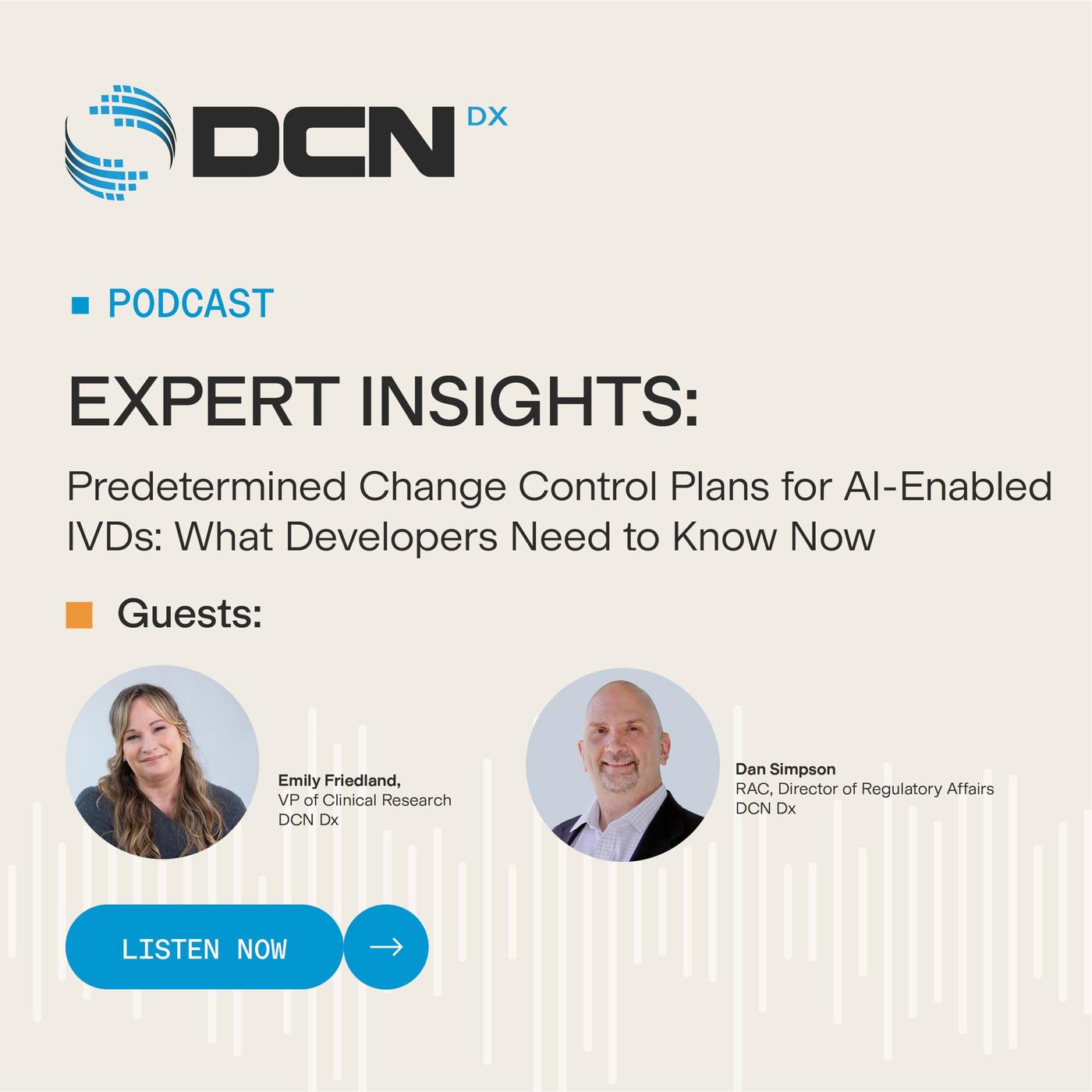
A DCN Dx Expert Insights conversation with Dan Simpson, RAC, Director of Regulatory Affairs at DCN Dx, and Emily Friedland, VP of Clinical Research at DCN Dx.
FDA’s Predetermined Change Control Plan (PCCP) mechanism is designed to let manufacturers pre-specify certain post-clearance or post-approval changes, along with the protocol and acceptance criteria used to verify and validate those changes. For AI-enabled device software functions, PCCPs are now a core concept in FDA’s approach to iterative software updates.
In this episode, we break down what belongs in a PCCP, how it shows up in a marketing submission, and how teams can connect PCCP planning to design controls, risk management, and quality system processes so the plan is executable after authorization, not just well written on paper.
What we cover (bullets)
• What FDA means by a PCCP and when it is relevant for AI-enabled IVDs
• The three core components FDA expects to see (and why each one matters)
• How PCCPs interact with marketing submissions (510(k), De Novo, PMA) and public-facing submission summaries
• Where teams get tripped up: scope control, evidence expectations, and operationalizing the plan inside the QMS
• What the broader “PCCPs for Medical Devices” draft guidance signals for non-AI device changes (hardware, materials, software)
Dan Simpson, RAC is Director of Regulatory Affairs at DCN Dx, supporting regulatory strategy, pre-submission engagement, and U.S. and global submission planning for diagnostics teams.
Emily Friedland is the VP of Clinical Research at DCN Dx, where she leads and fosters growth within the clinical operations teams.
Questions about whether a PCCP makes sense for your device, or how to structure one so it holds up through review and post-market execution?
DCN Dx’s Regulatory Affairs Services help IVD teams develop successful regulatory plans and submissions. We support FDA pathways including 510(k), De Novo, and PMA, with early Pre-Sub positioning and submission development, and we can advise on accelerated programs like Breakthrough Devices and STeP when they fit the product. Our team aligns verification and validation expectations across software and cybersecurity, biocompatibility, labeling, shelf life, analytical and clinical performance, usability and human factors, and CLIA waiver flex studies. We also support QMS readiness (ISO 13485, CLIA, CAP) and post-market obligations. Contact us at dcndx.com.
영어
미국
전사 🔗
Are you the producer of this podcast?
Add a podcast transcript
Need Audio-to-Text?
Transcribe with Listen411 in Just 60 Seconds
이 팟캐스트의 다른 에피소드
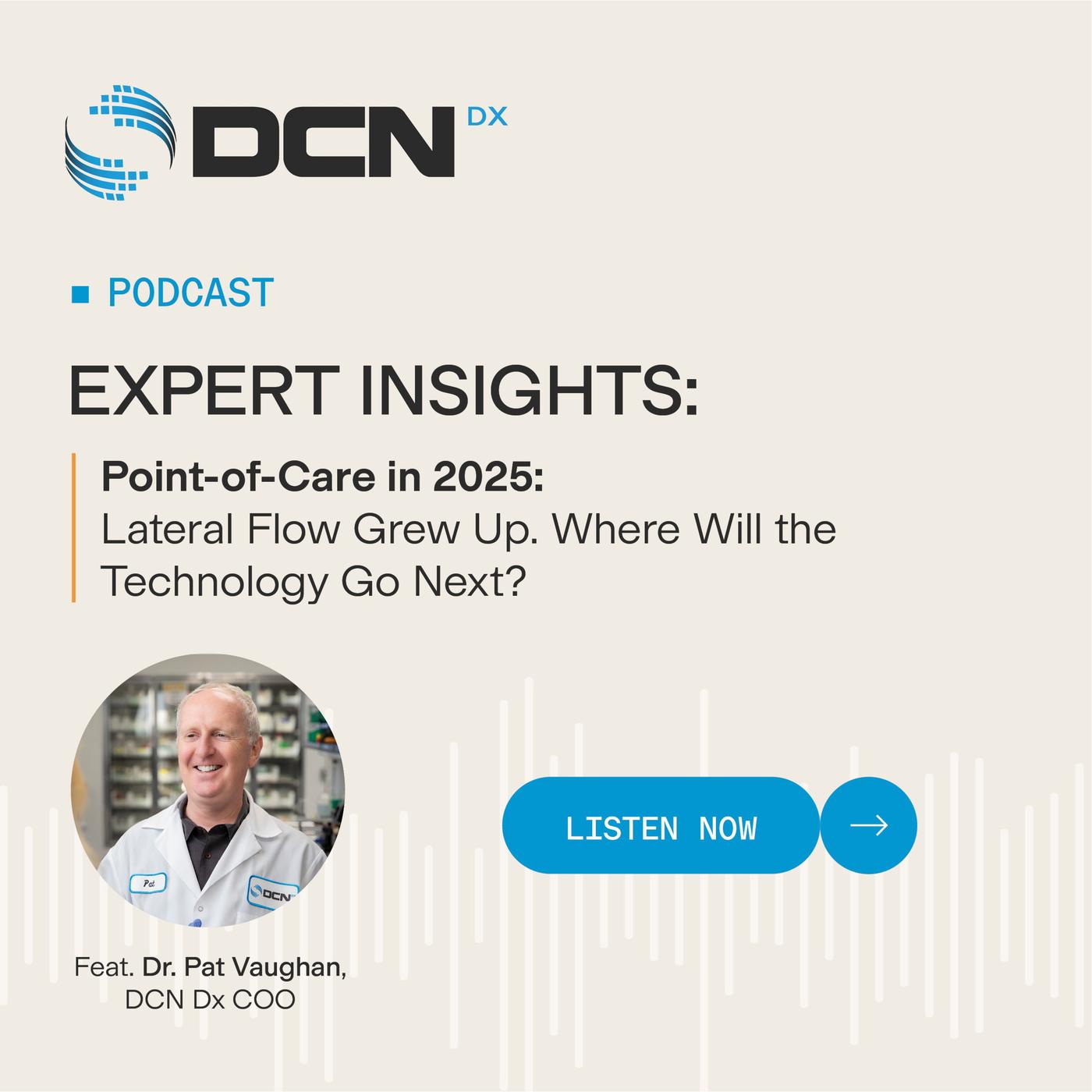
In this episode of Expert Insights, DCN Dx’s Mitzi Rettinger speaks with Dr. Pat Vaughan, DCN Dx’s Chief Operating Officer, about what point-of-care really meant in 2025, how development expectations have shifted, and his predictions for what 2026 will bring.
Drawing from Pat’s recent article and …
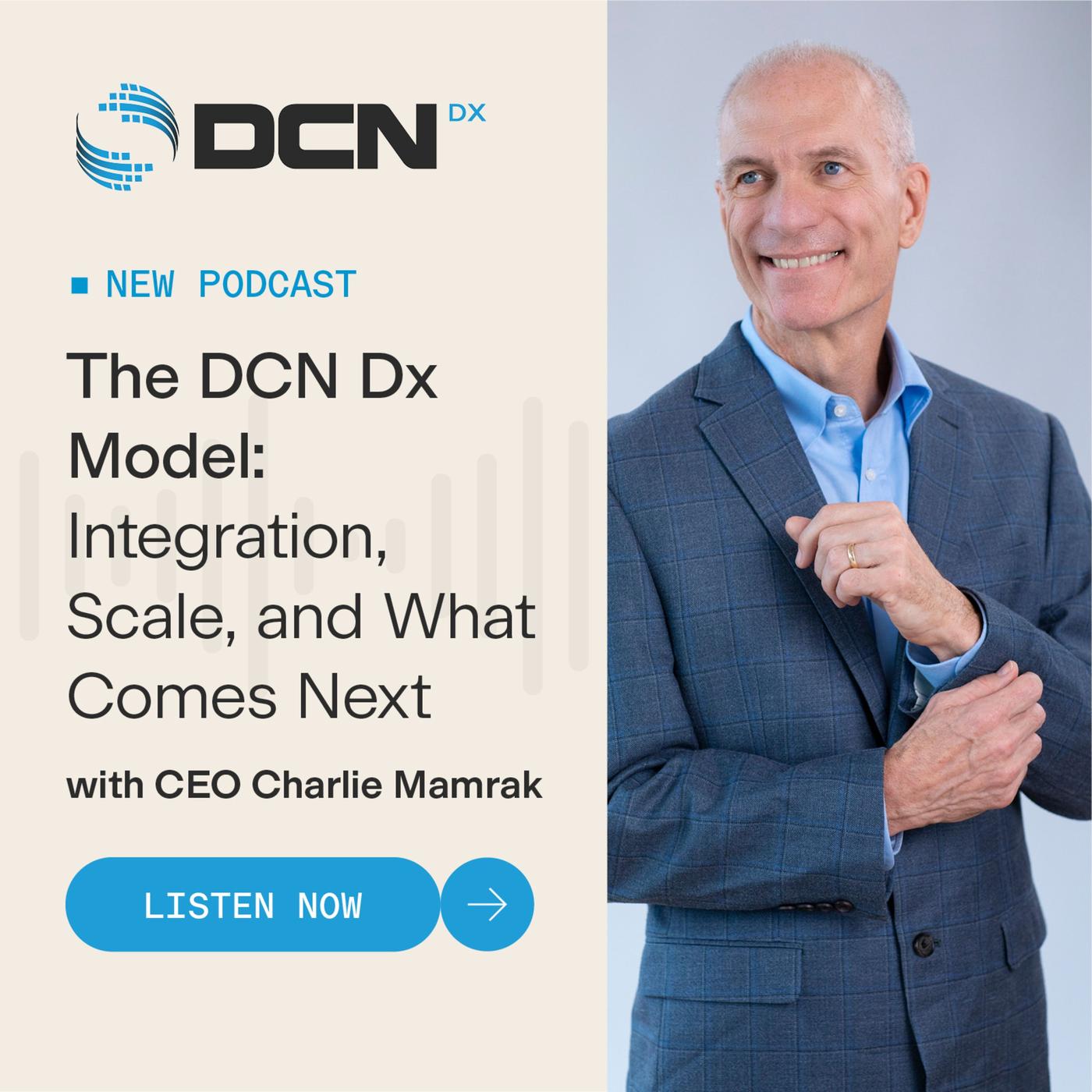
A DCN Dx Expert Insights conversation with Charlie Mamrak, CEO at DCN Dx, hosted by Mitzi Rettinger.
Most IVD programs don’t lose months because a single experiment failed. They lose months at the seams: development to clinical, clinical to regulatory, scale-up to routine manufacturing, and specim…

In this episode, Emily Friedland, VP of Clinical Research at DCN Dx, talks with two guests who come at QMSR from different directions: the regulatory strategy side and the quality systems implementation side.
Dan Simpson, RAC, Director of Regulatory Affairs at DCN Dx, covers the regulatory framing…
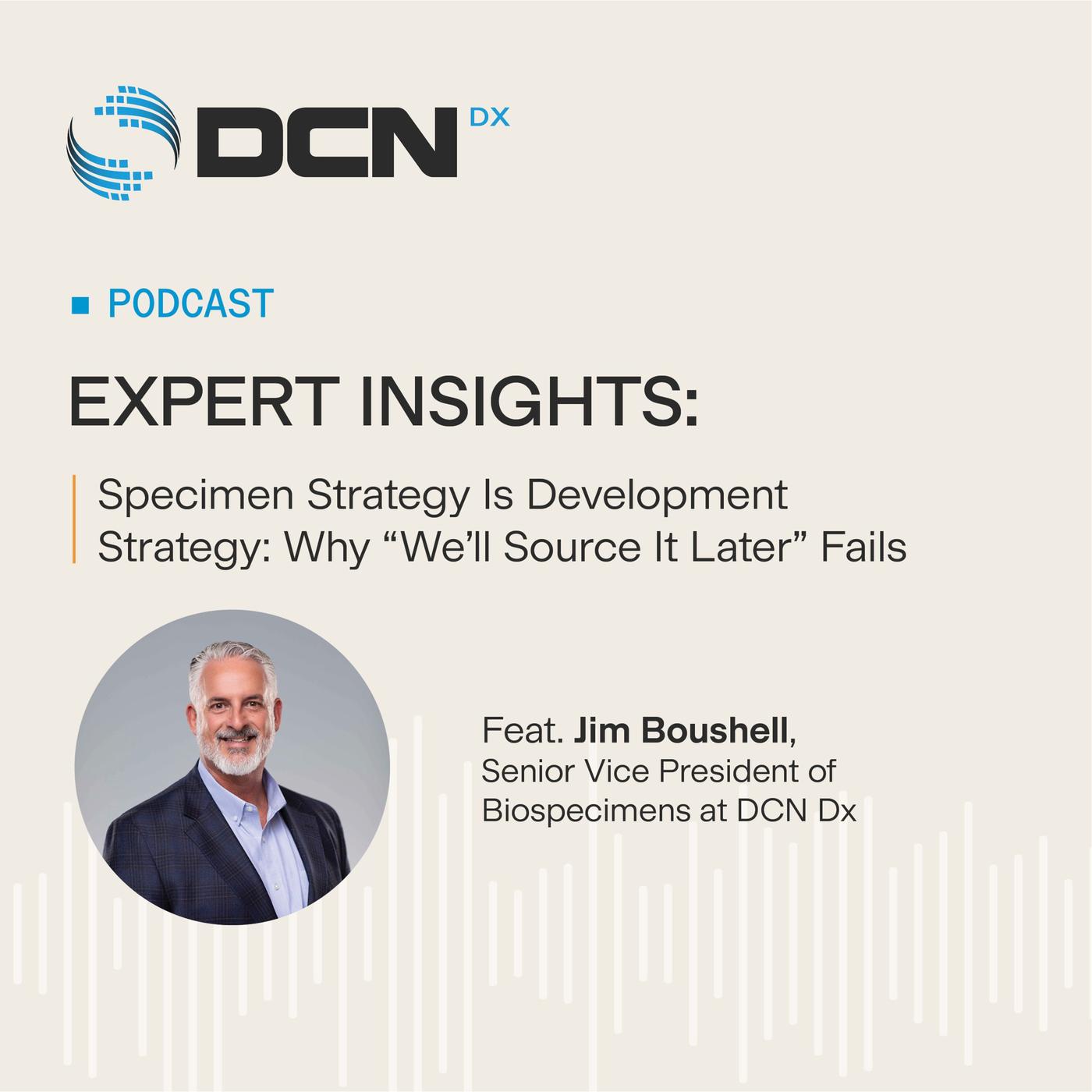
Specimen strategy is one of the most common sources of avoidable delay in IVD development. Teams that defer specimen decisions until after the evidence plan is set tend to discover the mismatch at the worst possible time: during analytical validation, clinical performance work, or submission prep.
…
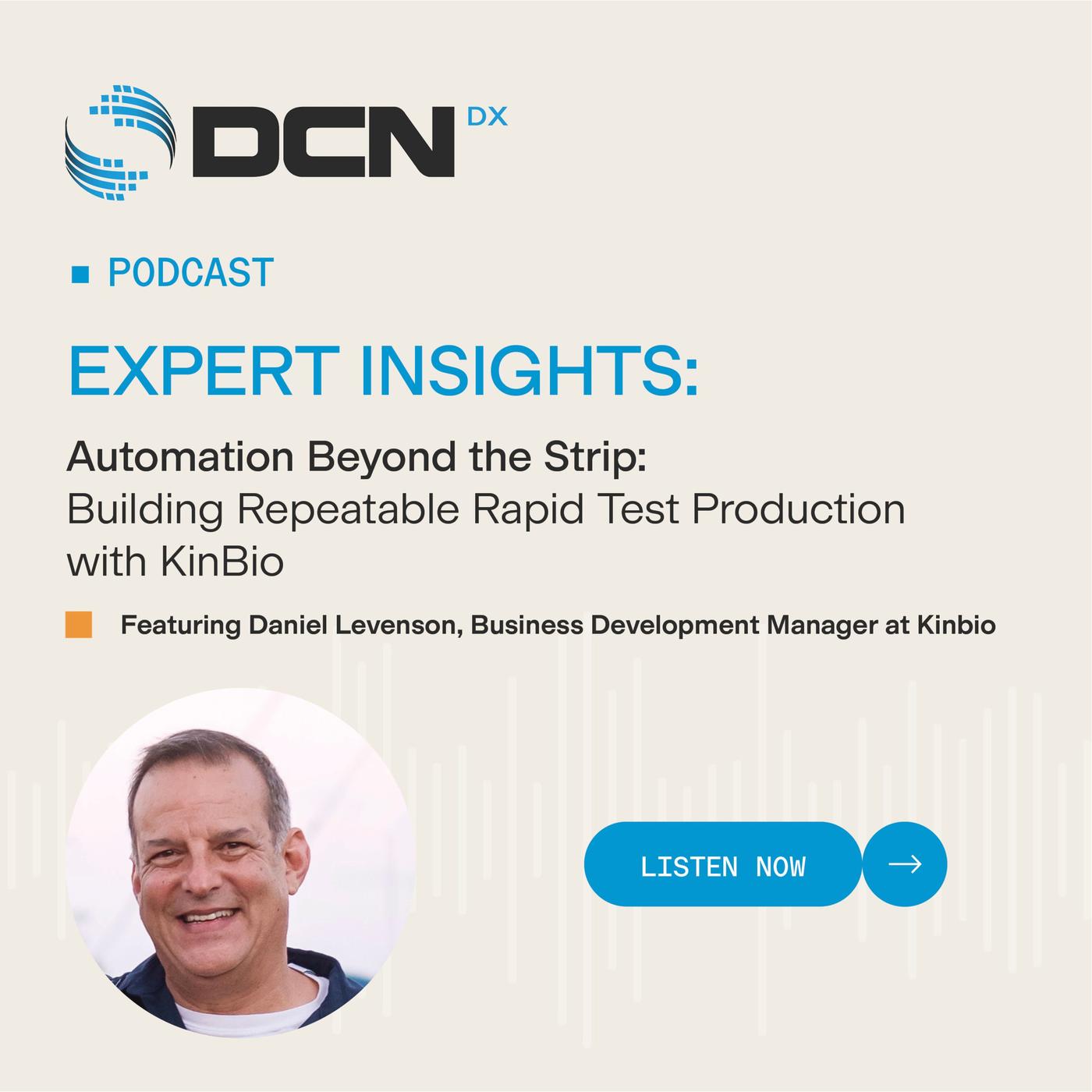
As rapid diagnostic programs transition from R&D to scaled production, small sources of variation can quickly become major risks. In this episode of Expert Insights, Mitzi Rettinger, Chief Revenue Officer at DCN Dx, sits down with Daniel Levenson, Business Development Manager at KinBio, to disc…
면책 조항: 이 페이지에 포함된 팟캐스트와 작품은 DCN Dx에서 가져온 것입니다. 이 팟캐스트는 소유자의 재산이며 Listen Notes, Inc.와 제휴하거나 보증하지 않습니다.
