
이 에피소드에 관해
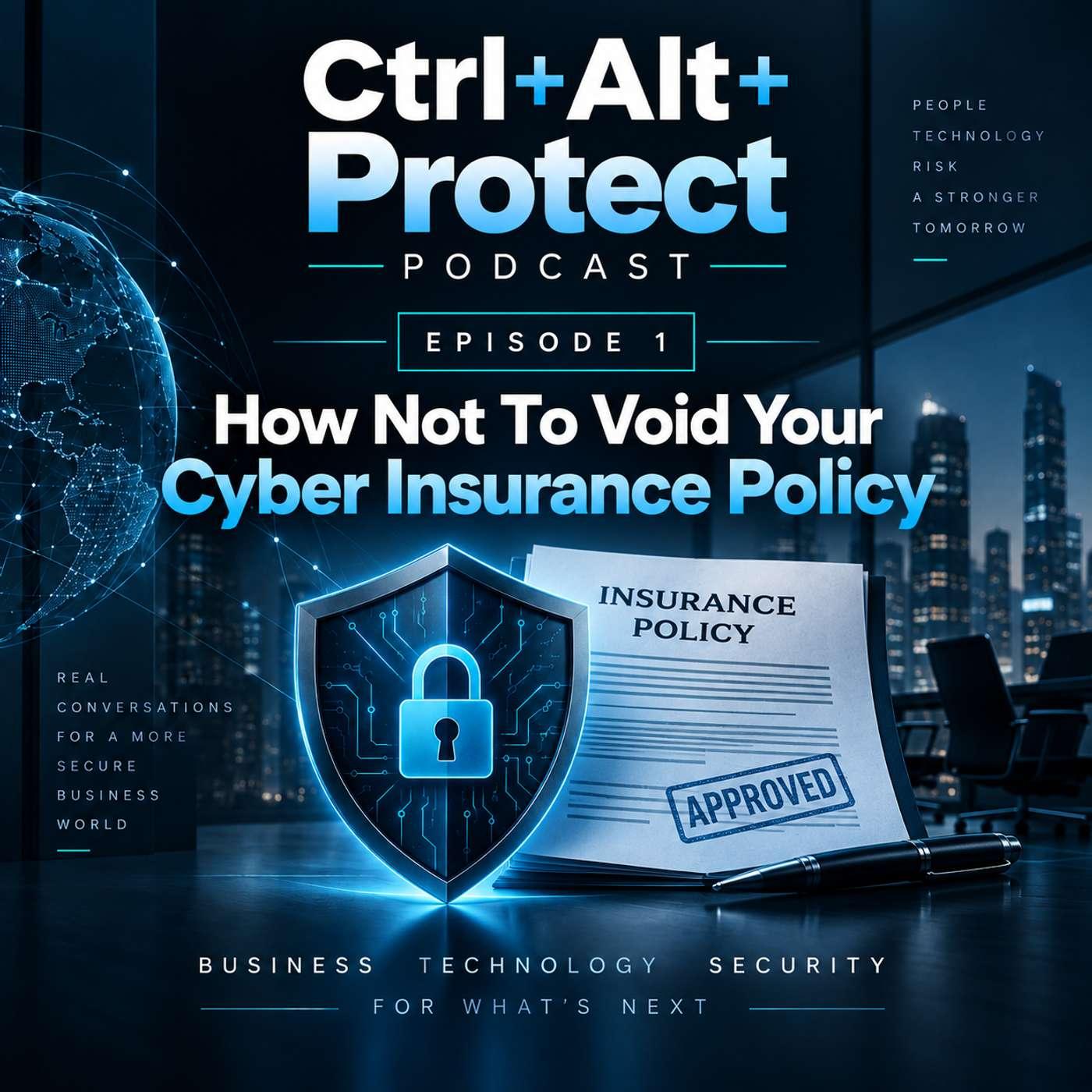
Your cyber insurance renewal questionnaire got longer this year, and it isn't because you did something wrong. It's because carriers paid out on a run of very expensive claims and started asking sharper questions.
Here's what most business owners don't realize: that application is a warranty document. Every box you check is a legal promise about how your business actually operates. If a forensic investigation after a claim finds your environment didn't match what you wrote down, the carrier can rescind the policy, which means your claim is denied and prior payouts can be clawed back. Some courts have held that the carrier doesn't even have to prove the misrepresentation caused the loss.
In this episode, Jason Russell walks through the three incidents that rewrote the modern cyber insurance application, what underwriters are really asking in each section, and how to answer accurately when you know you have a gap.
You'll learn:
- Why MOVEit, Change Healthcare, and the Arup deepfake fraud are behind nearly every new question on your form
- What "immutable" and "air-gapped" actually mean, and why "we back up Microsoft 365" no longer clears the bar
- The five places MFA has to be turned on to pass clean, and why SMS codes are now the weak answer
- The privileged access management question most owners have never seen before
- Callback verification for wire transfers, and what carriers now refuse to cover at all
- The difference between EDR and MDR, and how to answer when you don't have MDR yet
- Why rescission is a worse outcome than any premium increase
- A 30-day pre-renewal checklist you can work through before you sign
The short version: an honest application with a couple of gaps and a plan is a policy that will still be there when you need it. A perfect-looking application that doesn't match your network is an expensive piece of paper.