


이 에피소드에 관해

Most CI/CD pipelines are built to detect failure, not to resolve it. As software systems grow more distributed and complex, that limitation is becoming a bottleneck for resilience.
In this episode, David sits down with Tomer Karin, a seasoned software architect in the automotive industry, to explore a new paradigm he calls Continuous Integration and Continuous Solution (CI/CS). Tomer argues that the future of automated software development isn’t just faster feedback loops, it's systems that can autonomously remediate failures using AI.
Tomer shares how his years of working on large-scale automotive software revealed the inefficiencies of traditional development pipelines, where engineers spend significant time diagnosing and fixing issues instead of building new capabilities. With CI/CS, AI agents don’t just identify failing builds, they apply fixes that are verified through existing test pipelines, allowing teams to start the next day with a healthier codebase.
Join us as we discuss:
- Why traditional CI/CD breaks down as systems scale and complexity increases
- What Continuous Integration and Continuous Solution looks like in practice
- How AI agents can safely diagnose and fix software failures
- Where human oversight fits into autonomous development pipelines
- The economic and productivity impact of autonomous software workflows
영어
미국
전사 🔗
Are you the producer of this podcast?
Add a podcast transcript
Need Audio-to-Text?
Transcribe with Listen411 in Just 60 Seconds
이 팟캐스트의 다른 에피소드
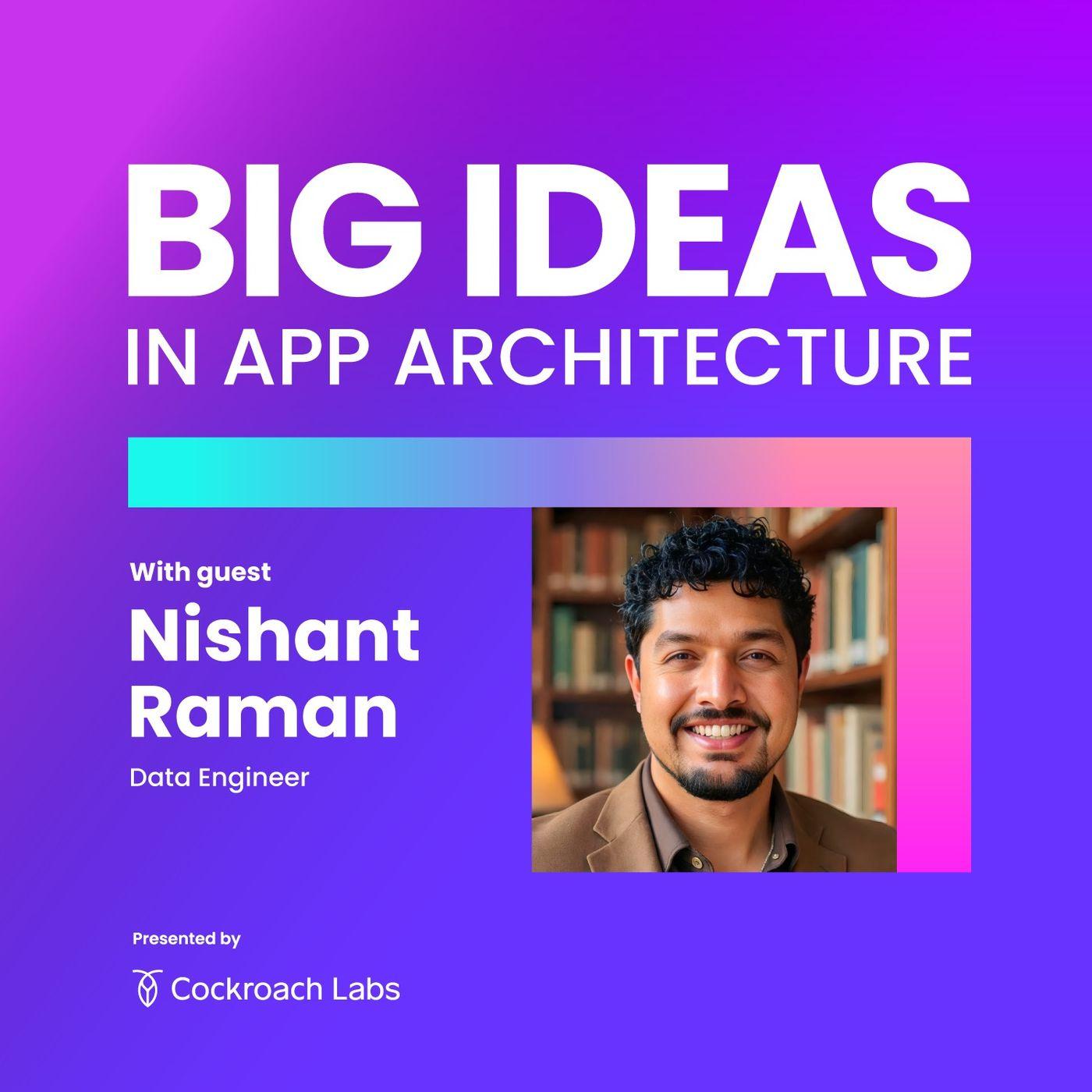
In this episode, David sits down with Nishant Raman, a seasoned data infrastructure expert, to explore the evolving world of data engineering, AI integration, and building scalable systems from the ground up. With experience across logistics, healthcare, and fintech, Nishant shares hard-won insight…
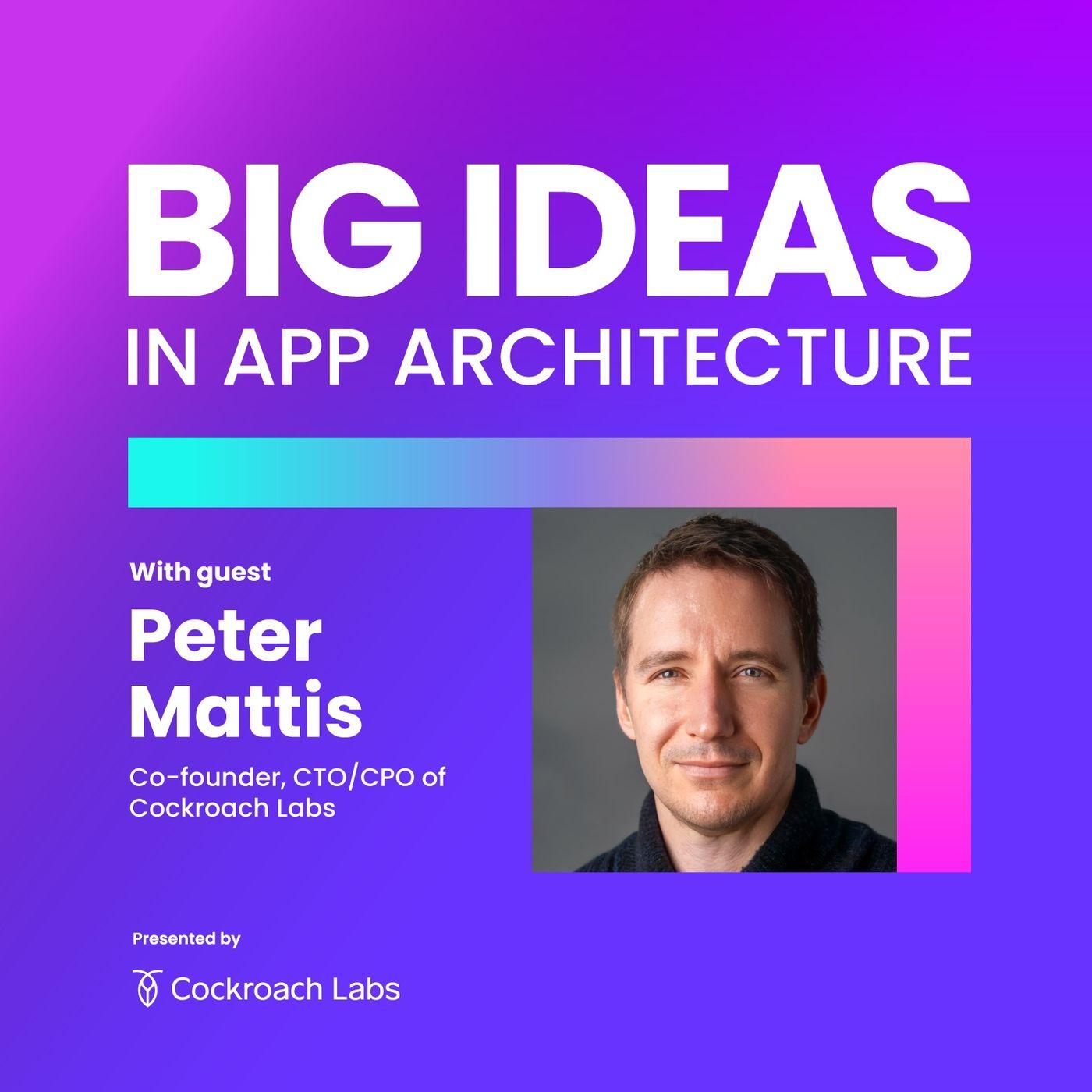
In this episode, David sits down with Peter Mattis, co-founder, CTO, and CPO of Cockroach Labs, to dive into the world of resilient databases, the evolution of AI in tech, and the journey of building a company that’s transforming how engineers approach scalability and performance. Peter shares insi…
Most databases are designed for success cases. Real systems fail– the difference is whether they’re built and tested for it. In this episode, David sits down with Spencer Kimball, co-founder and CEO of Cockroach Labs, to explore the architectural and testing decisions behind CockroachDB, and why va…
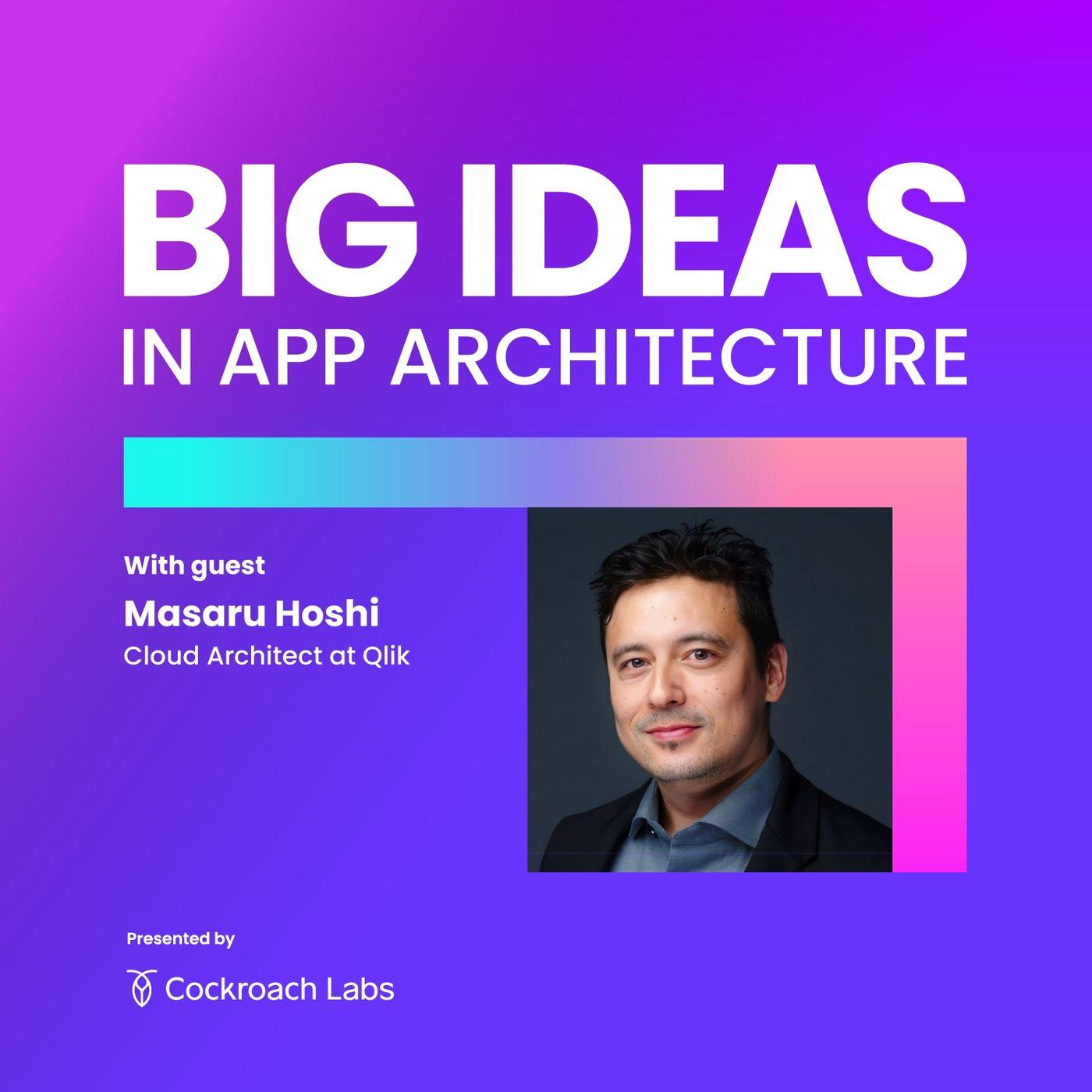
In this episode, David sits down with Masaru Hoshi, a cloud architect at Qlik, to explore his unexpected journey into cloud architecture, the cultural influences that shaped his career, and the evolving disciplines transforming enterprise technology today. Join as we discuss:
Masaru’s path from d…
면책 조항: 이 페이지에 포함된 팟캐스트와 작품은 Cockroach Labs에서 가져온 것입니다. 이 팟캐스트는 소유자의 재산이며 Listen Notes, Inc.와 제휴하거나 보증하지 않습니다.
