
이 에피소드에 관해
Mention the words ‘Venice’ and ‘opera’ together and for most of us that would bring to mind La Fenice, the city’s world-famous opera house, which first opened in the 1790s. But the history of opera in Venice goes back much further, beginning with a small, largely forgotten playhouse called Teatro San Cassiano.
More significantly, it was in fact the world’s first public opera house. Until Teatro San Cassiano opened in 1637, opera had remained a private spectacle, reserved for the aristocracy and performed only in the ducal palaces of cities such as Florence and Mantua.
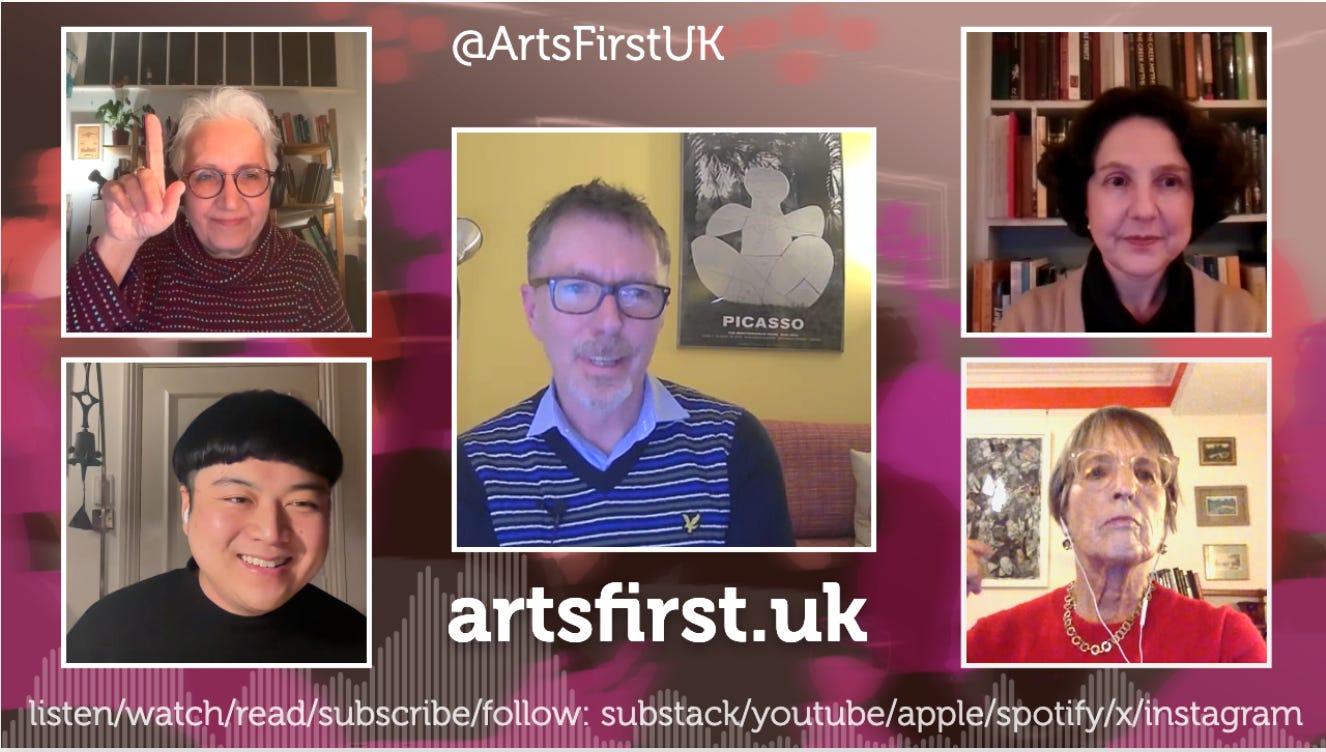
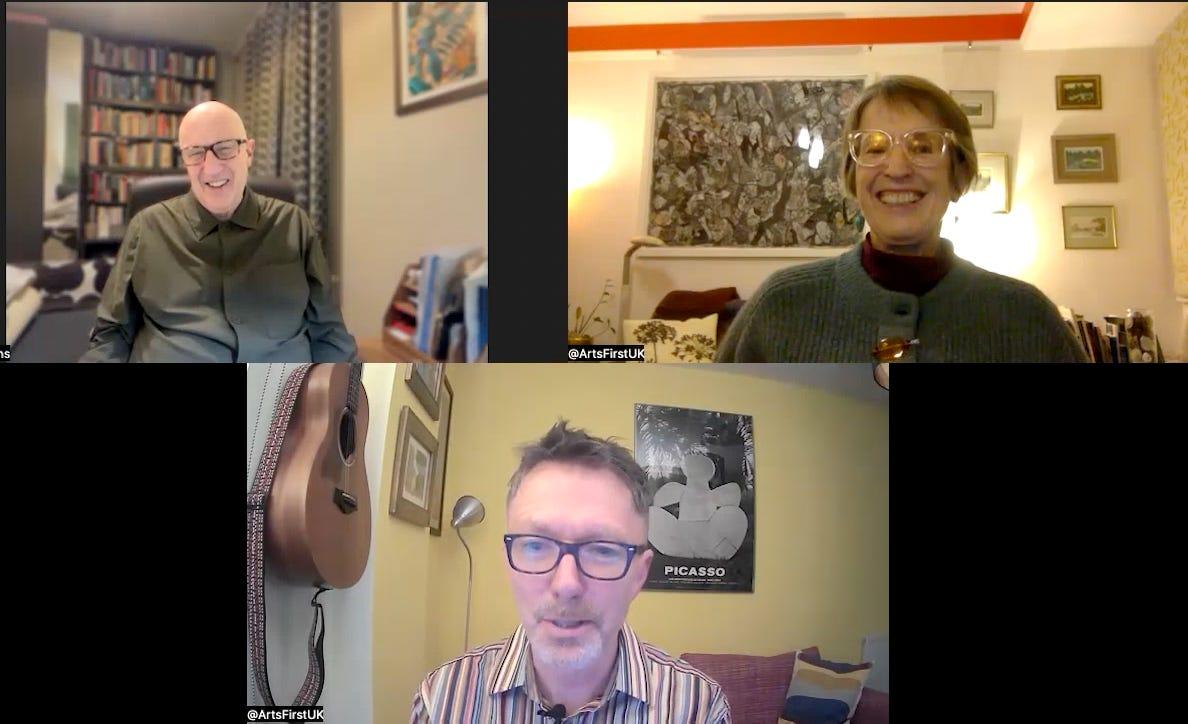
Our guest today, Dr Paul Atkin, is the founder and CEO of a hugely ambitious project to bring San Cassiano back to life – to reconstruct the theatre in the Santa Croce district of Venice, along the Grand Canal, close to its original site. Niall is joined for this conversation by linguist Elisabetta Gasperoni, who brings her own particular knowledge and perspective on Italian culture and music to our discussion.
It’s a fascinating project that holds out the promise of all kinds of possibilities and benefits. According to the project website, there are three ‘clear objectives’:
* To reconstruct the Teatro San Cassiano of 1637 as faithfully as modern scholarship and traditional craftsmanship will allow, delivering a fully functioning, dedicated Baroque opera house, complete with its own fully operational Baroque stage machinery, moving scene-sets and special effects.
* To restore historically-informed Baroque opera to Venice.
* To establish the Teatro San Cassiano as a world-renowned centre for the research, exploration and staging of Historically Informed Performance – literally studying Baroque opera through its recital on stage and in the orchestra pit.
Dr Atkin is a musicologist and entrepreneur based in Venice. The project he founded launched officially in 2019 with an international conference and exhibition. His vision of recreating the world’s first public opera house goes back much further, and Paul has been working tirelessly on it ever since. In March, he launched the project in the US with high-profile events in New York and Washington. And the list of Paul’s media and press appearances and coverage is exhausting.
One of the difficulties in planning this discussion was where to begin, what to focus on and what to leave out. The project throws up so many possibilities for discussion. We could easily talk about architecture, stage and theatre design, Baroque music, 17th-century Venice, musicology, education, the meaning of Historically Informed Performance, and even tourism.
In a wide-ranging conversation, we certainly touch on many of those themes. We look at how and why the original Teatro San Cassiano came about – thanks to the Venetian noble family, the Trons – and consider its significance and impact on the city and beyond. We explore the musical context of the time, the Early Baroque period, and prominent composers such as Monteverdi and his student Francesco Cavalli.
We also ask what impact Teatro San Cassiano had on the musical landscape. Was Monteverdi’s ‘return’ to opera prompted by the emergence of the new public opera house? And how did opera’s newfound freedom from the royal courts affect the music and the artists who created it? Did opera become a more democratic art form?
We consider why the project matters, what Paul is aiming to achieve, and its significance in terms of musicology and academic research.
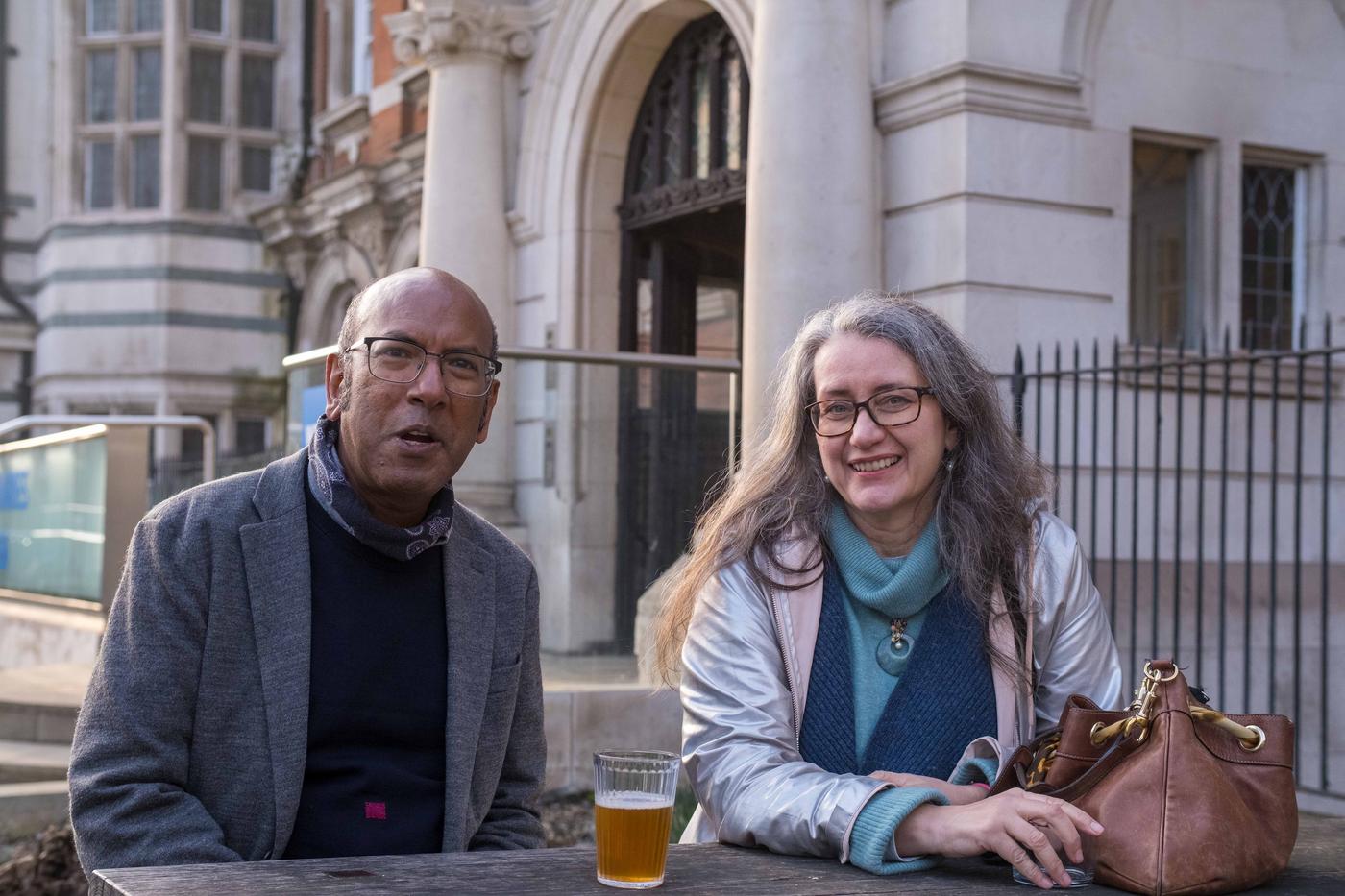
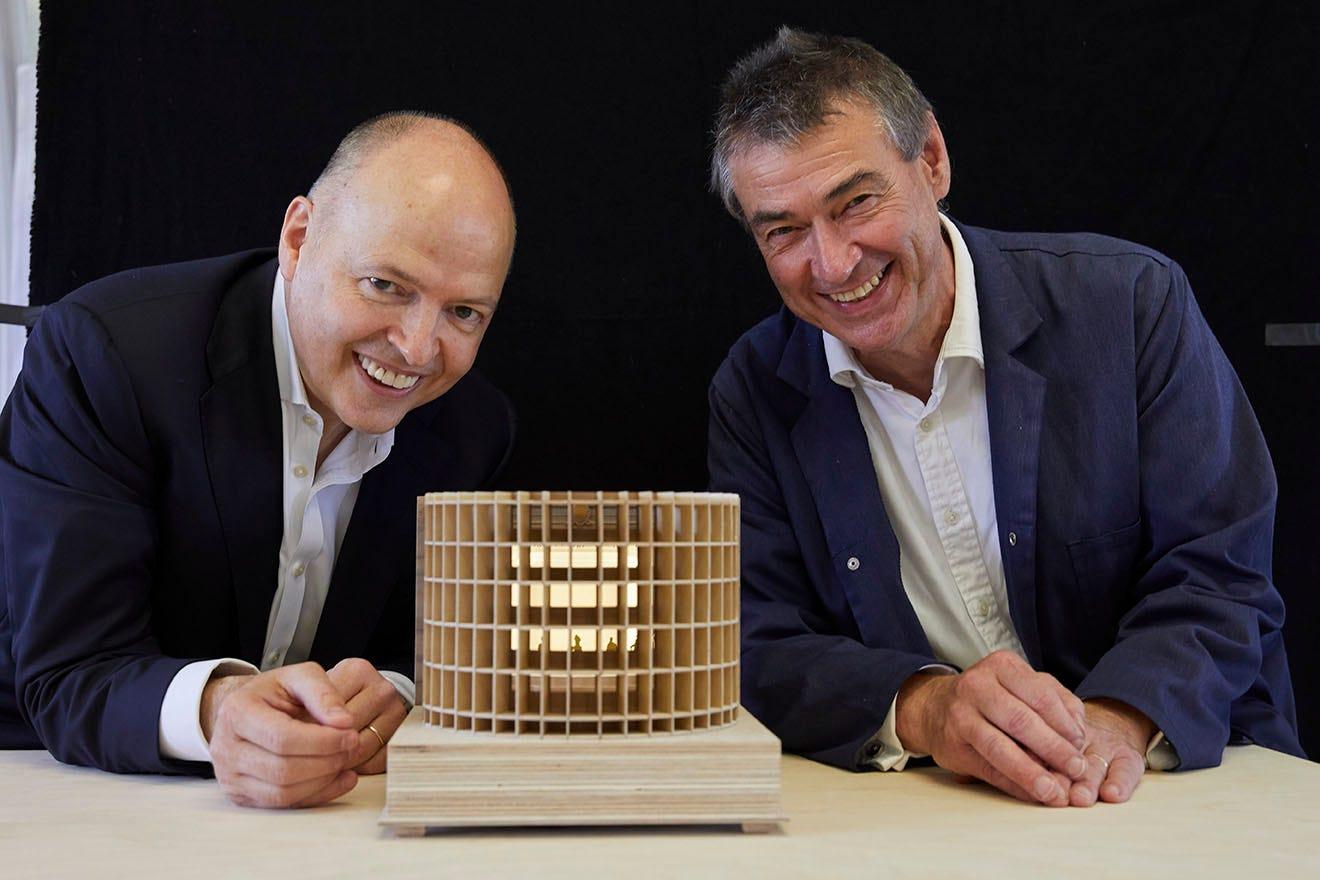
Paul draws comparisons with the recreated Shakespeare’s Globe Theatre and tells us about the influence and support of key members of the London project, including Globe architect Jon Greenfield (pictured above).
We also look at the project in terms of wider public understanding and education, tourism and more, before looking ahead to some of the challenges and obstacles that remain before the project can finally be realised.
Links, listening and reading recommendations
‘The Eight Book of Madrigals’ Claudio Monteverdi (link to Apple Classical)
‘Carnevale 1729’ Ann Hallenberg (Apple Classical)
‘Calisto a le stelle: Cavalli and the staging of Venetian opera’ Series of filmed Gresham College lectures led by Ellen Rosand.
‘Sustainable Musicology’ by Marco Bizzarini
‘From Madrigal to Opera: Monteverdi’s Staging of the Self’ by Mauro Calcagno
Get full access to Arts First at artsfirst.substack.com/subscribe