

이 에피소드에 관해
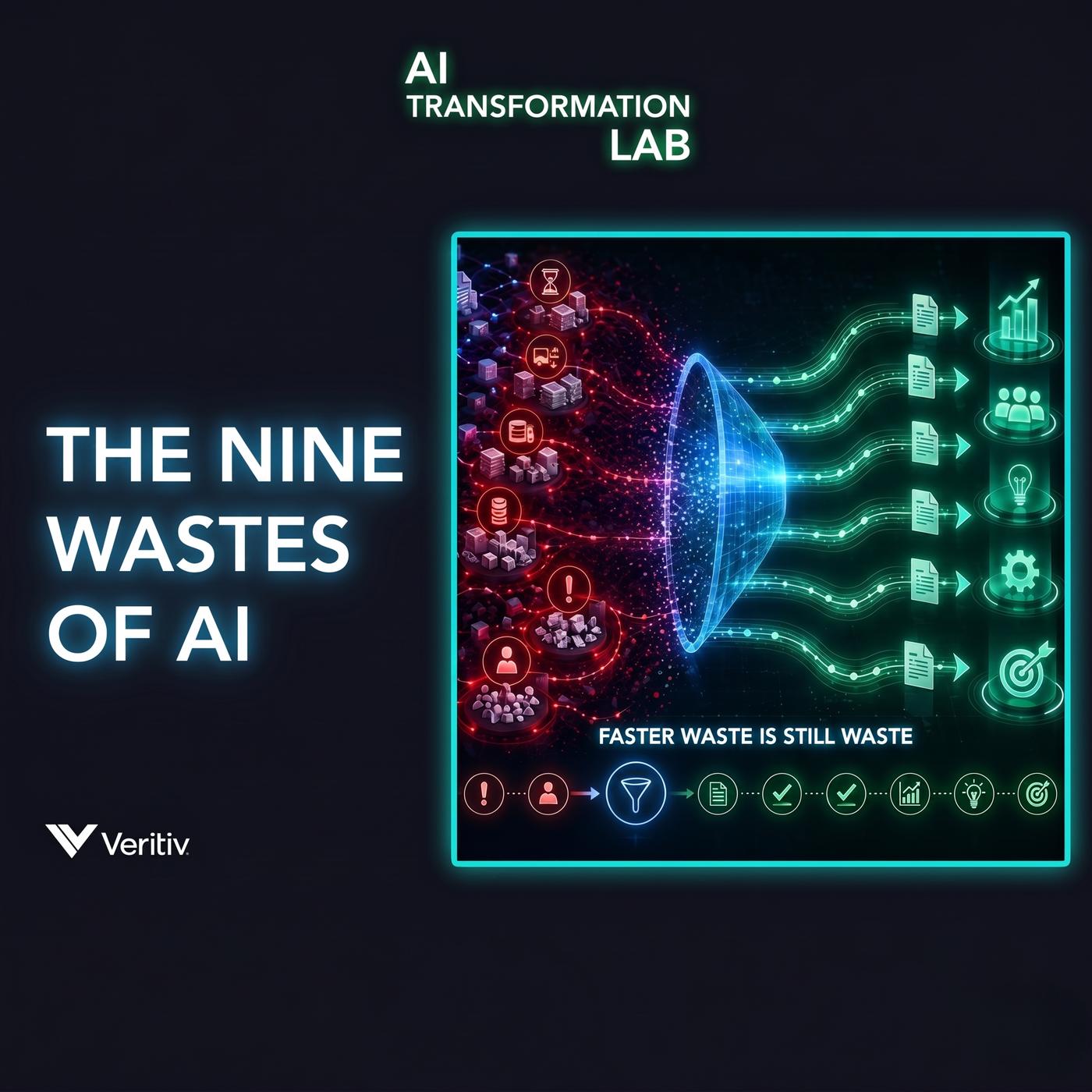
AI doesn’t remove waste — it just makes it faster, and often moves it somewhere you’re not looking. That’s the trap this episode is built to help you avoid: pointing a powerful agent at a process and accelerating every redundant, wasteful step inside it at machine speed.
In this episode, Chris Bradley borrows a seventy-year-old lens from the Toyota Production System and applies it to knowledge work. He walks the seven process wastes — waiting, inventory, handoffs, motion, defects, rework, and overprocessing — grouped into three families: work that waits, work that moves, and work that misfires. For each, he shows the same pattern: automate without redesign, and the agent preserves the waste, then relocates the cost downstream onto whoever has to sift through or correct the output.
Then he goes past the classic list. The eighth Lean waste — non-utilized talent — reframes the whole point: AI’s real payoff isn’t speed, it’s reclaiming the judgment and creativity the process had buried. And there’s a ninth the factory never had, because only AI could create it — verification, the new and quietly exhausting labor of checking work that reads exactly like the truth and isn’t. The Lean mnemonic DOWNTIME becomes DOWNTIME-V. He’s specific about how to manage it, including how to use a verification agent to narrow the burden without ever handing over the accountability.
The episode closes with the Delete Test — Delete, Collapse, then Automate — the discipline that makes sure you remove waste before you cement it in code, and a Lean practice for spotting it: go to the gemba, the real place the work happens.
Two things to try this week are included.
영어
미국
전사 🔗
Are you the producer of this podcast?
Add a podcast transcript
Need Audio-to-Text?
Transcribe with Listen411 in Just 60 Seconds
이 팟캐스트의 다른 에피소드
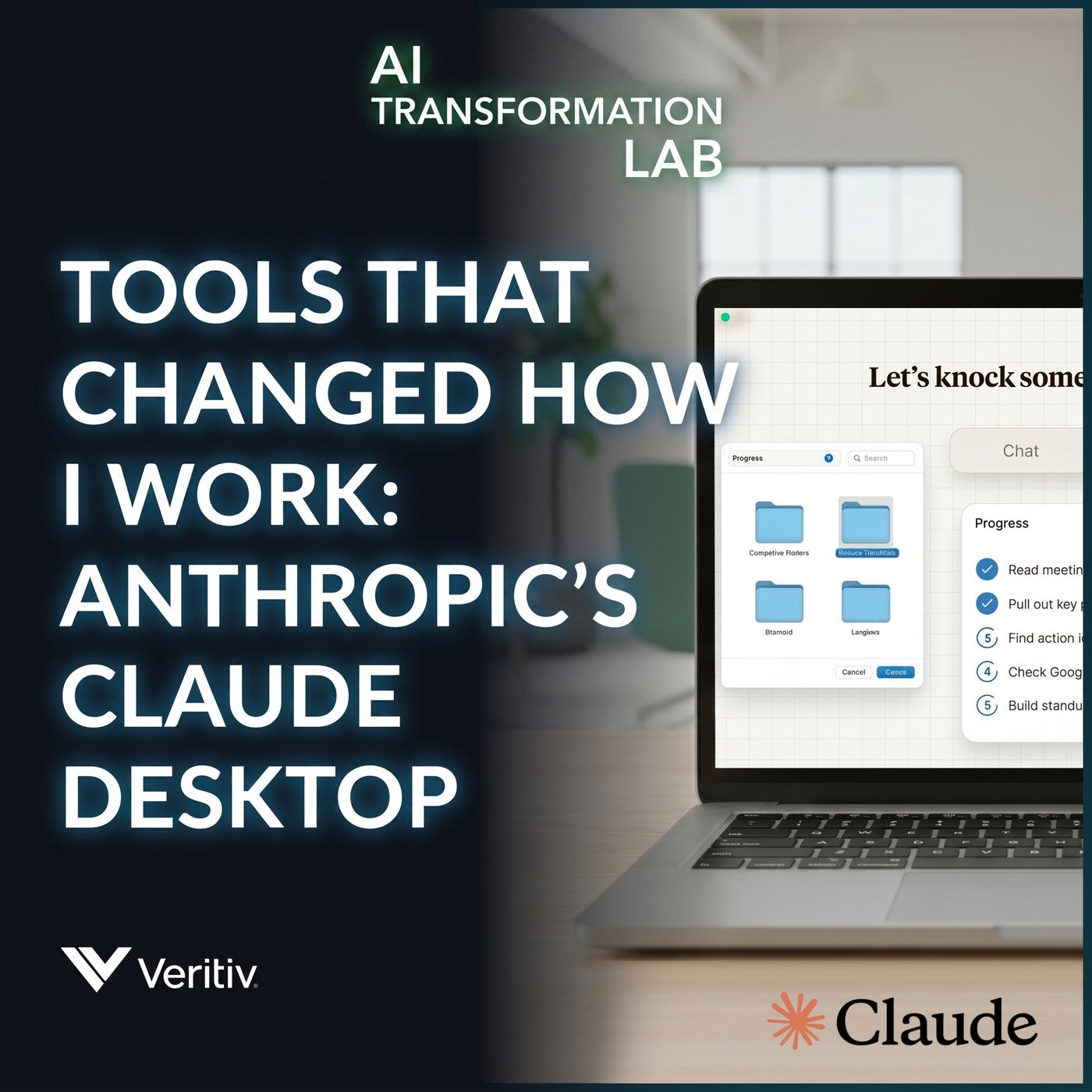
The big three AI labs are all building superapps — but each is packaging them differently. Google blurs everything together inside Antigravity. OpenAI is consolidating into Codex. Anthropic took a third path: three distinct surfaces inside one Claude desktop app — Chat, Cowork, and Code.
In this ep…

In Episode 1, I mentioned a competitive analysis I ran in thirty minutes that would have taken two weeks. A global network analysis — fifty-plus competitor locations, fifteen manufacturing hubs, proximity calculations, coverage gaps, and a full action plan for leadership.
I never finished that stor…
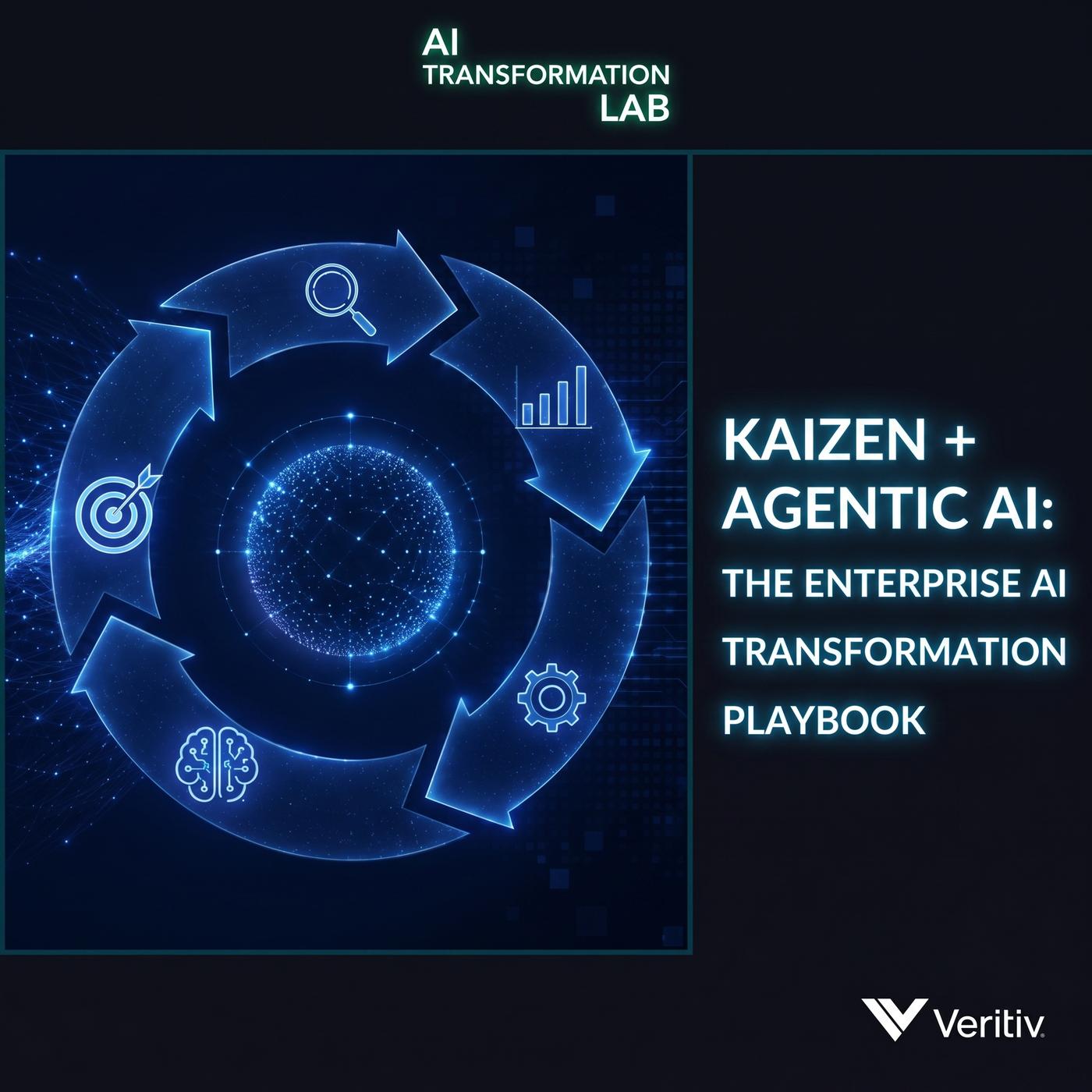
AI won't fix a broken process — it just helps you run it faster. That's the trap most organizations are walking into: pointing powerful agents at workflows that were never worth doing in the first place, and cementing the waste in place.
In this episode, Chris Bradley makes the case that Continuous…
Four years of ChatGPT history. Two years of Claude projects. Custom instructions, saved memories, accumulated context built up across thousands of conversations. And then a new harness ships — Cowork, Claude Code, Codex — and suddenly the question isn't which AI do I use. It's how do I move what I'…

On April 16th, OpenAI shipped a capability expansion that turned Codex from a coding tool into a true agentic super app. Computer use, in-app browser, GPT Image 2.0, persistent memory, and a plugin ecosystem of ninety-plus integrations — layered on top of the desktop release from February.
The prac…
면책 조항: 이 페이지에 포함된 팟캐스트와 작품은 Veritiv에서 가져온 것입니다. 이 팟캐스트는 소유자의 재산이며 Listen Notes, Inc.와 제휴하거나 보증하지 않습니다.
