

このエピソードについて
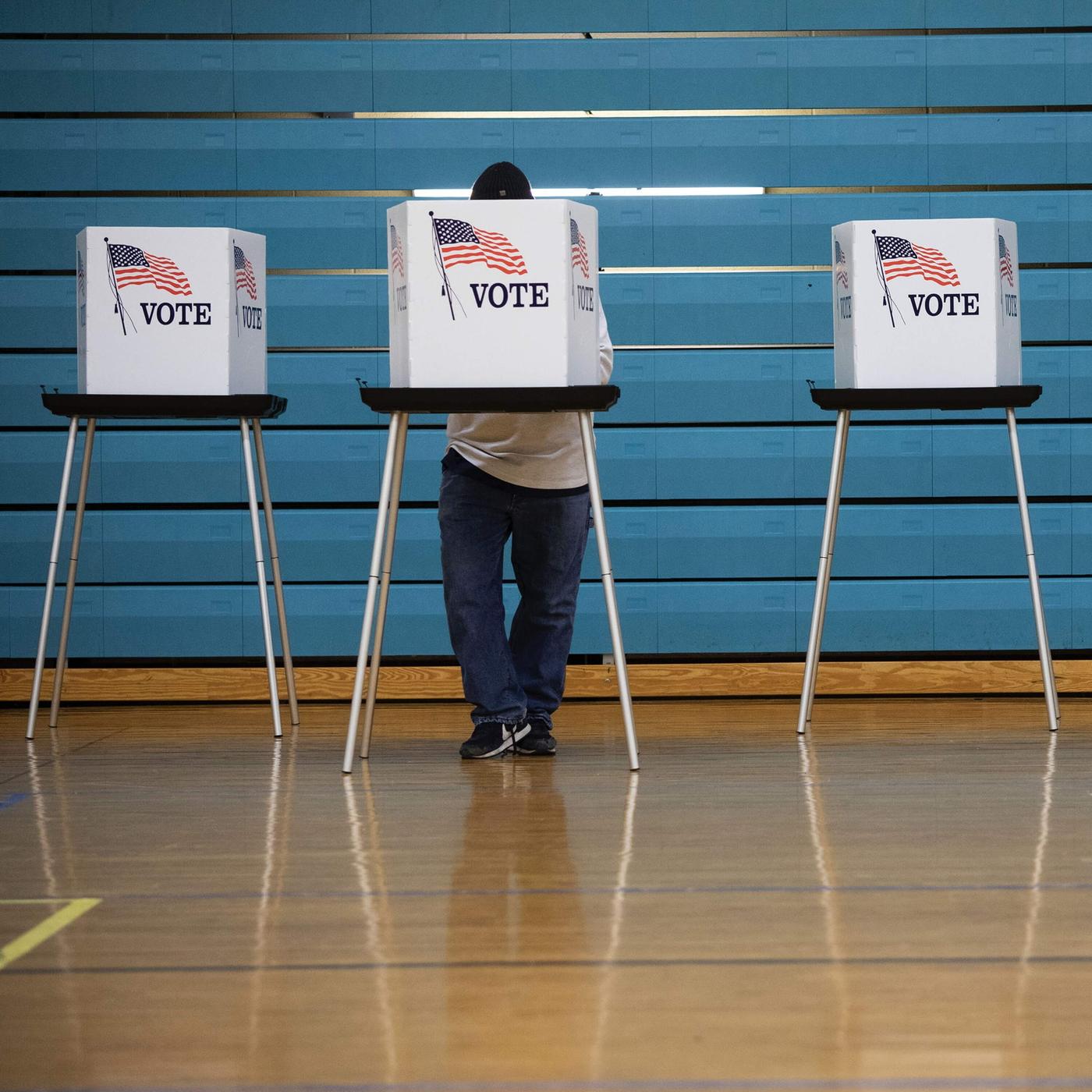
Today on the show, the balance of Congressional power is up for grabs in this midterm election. It could be determined by a small number of voters in a few battleground states. Blueprints from the past could be the guide for big wins. The GOP has embraced a block-the-vote strategy set in motion in Arizona in the 1960s. And the Democrats are embracing a grassroots power base set up in Michigan in the 1970s.
Guests:
John A. Jenkins, author of The Partisan: The Life of William Rehnquist
Tova Wang, Director of Research Projects in Democratic Practice at the Ash Center at the Harvard Kennedy School and author of The Politics of Voter Suppression: Defending and Expanding Americans' Right to Vote.
Ismael Ahmed, co-founder of the Arab American Center for Economic and Social Services.
Sally Howell, Professor of History with a focus on Arab American studies at the University of Michigan-Dearborn.
Support public media with NPR+ and enjoy perks for over 25 podcasts like this one. This show’s perks include sponsor-free listening. Learn more at plus.npr.org.
Correction: An earlier version of this episode incorrectly said that Michigan voters could send the first Arab American to the Senate. South Dakotan James Abourezk became the first Arab American U.S. senator in 1973.
See pcm.adswizz.com for information about our collection and use of personal data for sponsorship and to manage your podcast sponsorship preferences.
NPR Privacy Policy
英語
アメリカ合衆国
文字起こし 🔗
Are you the producer of this podcast?
Add a podcast transcript
Need Audio-to-Text?
Transcribe with Listen411 in Just 60 Seconds
このポッドキャストの他のエピソード
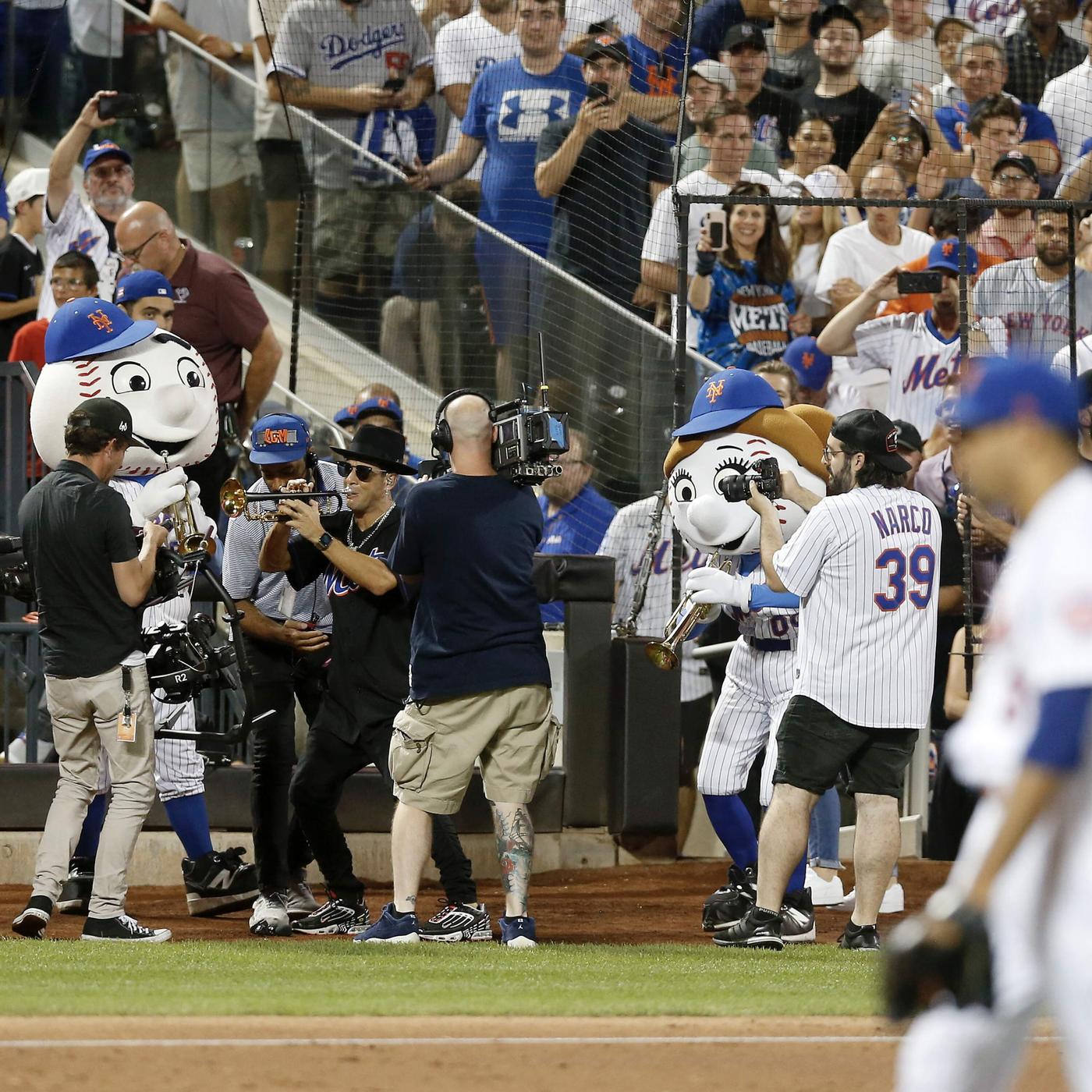
Major League Baseball’s postseason is just a few weeks away, and here on Throughline we know the power of a good walk-up song. But how did baseball become such a musical sport? And where did the idea for walk up-music come from? Guests:John Thorn, author and Official Baseball Historian for Major Le…
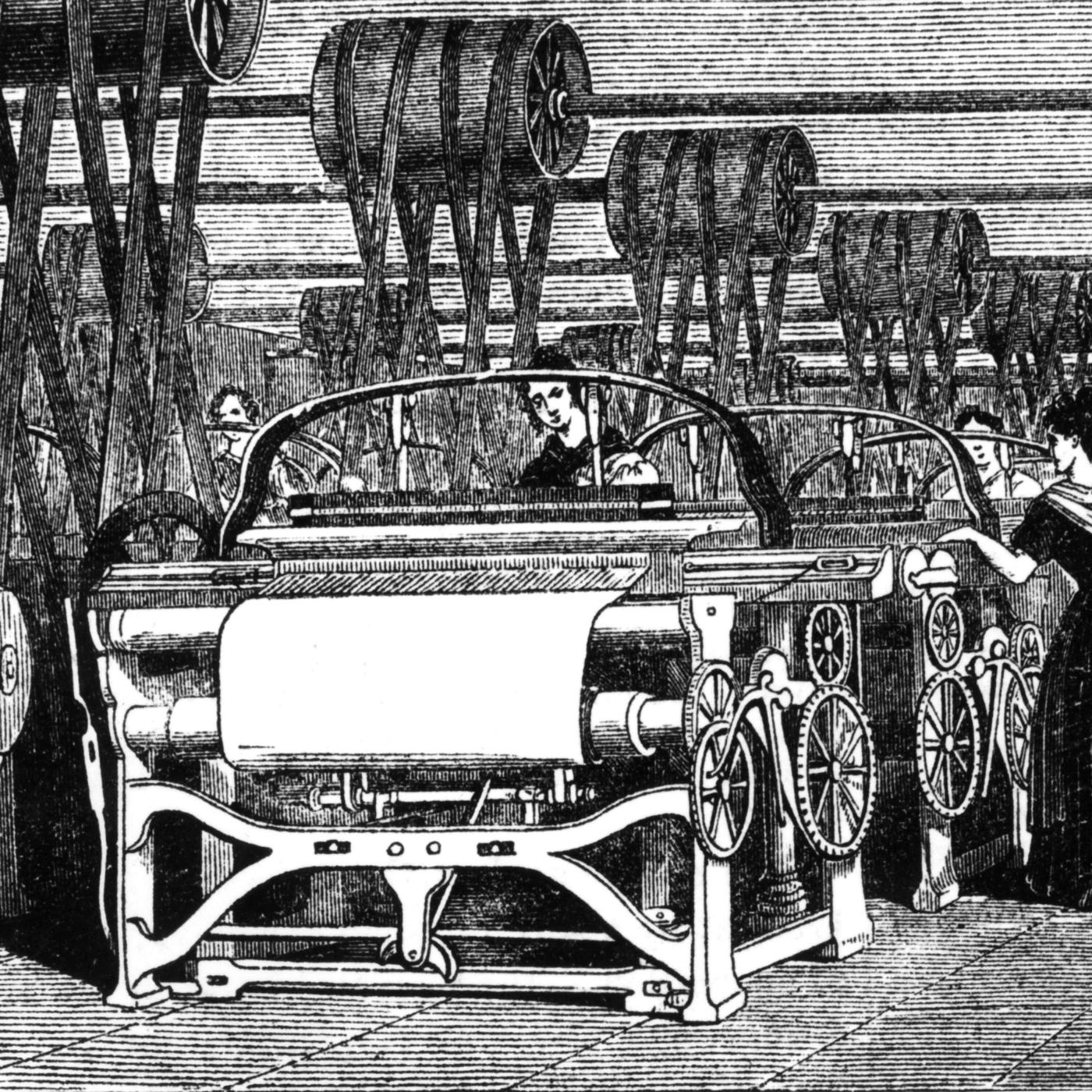
Calling someone a "Luddite" is usually an insult – shorthand for someone who is behind the times. But the real Luddites weren't just afraid of change; they were a labor movement fighting to save their jobs from being replaced by machines. Today, with the rise of AI, many feel the same kind of exist…
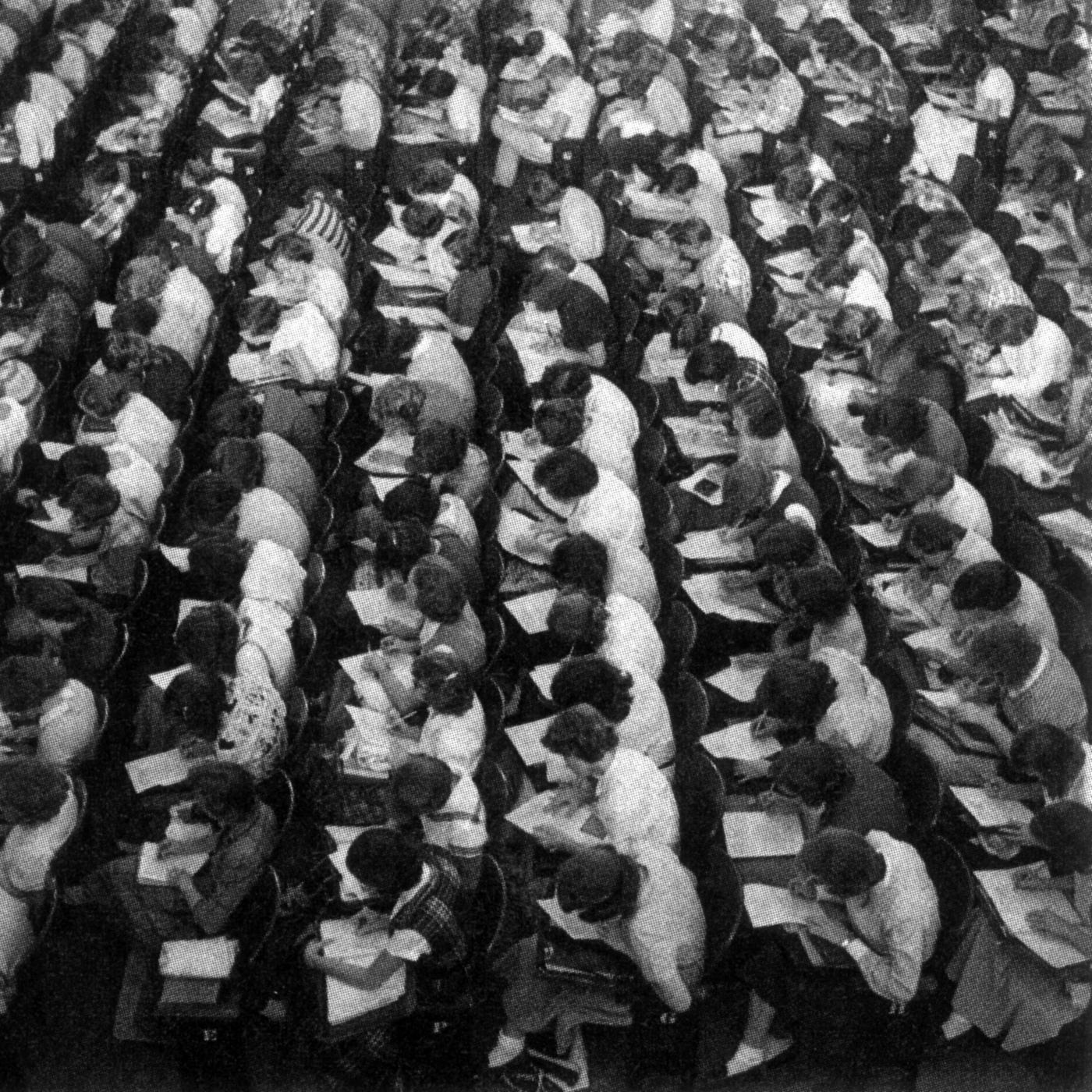
For generations, the SAT has loomed large in the lives of teenagers. The quest for a perfect or near-perfect score has filled many test takers with dread. In this episode, a listener's question makes us wonder... who decided the SAT was the best and brightest way to filter students? And how did it …
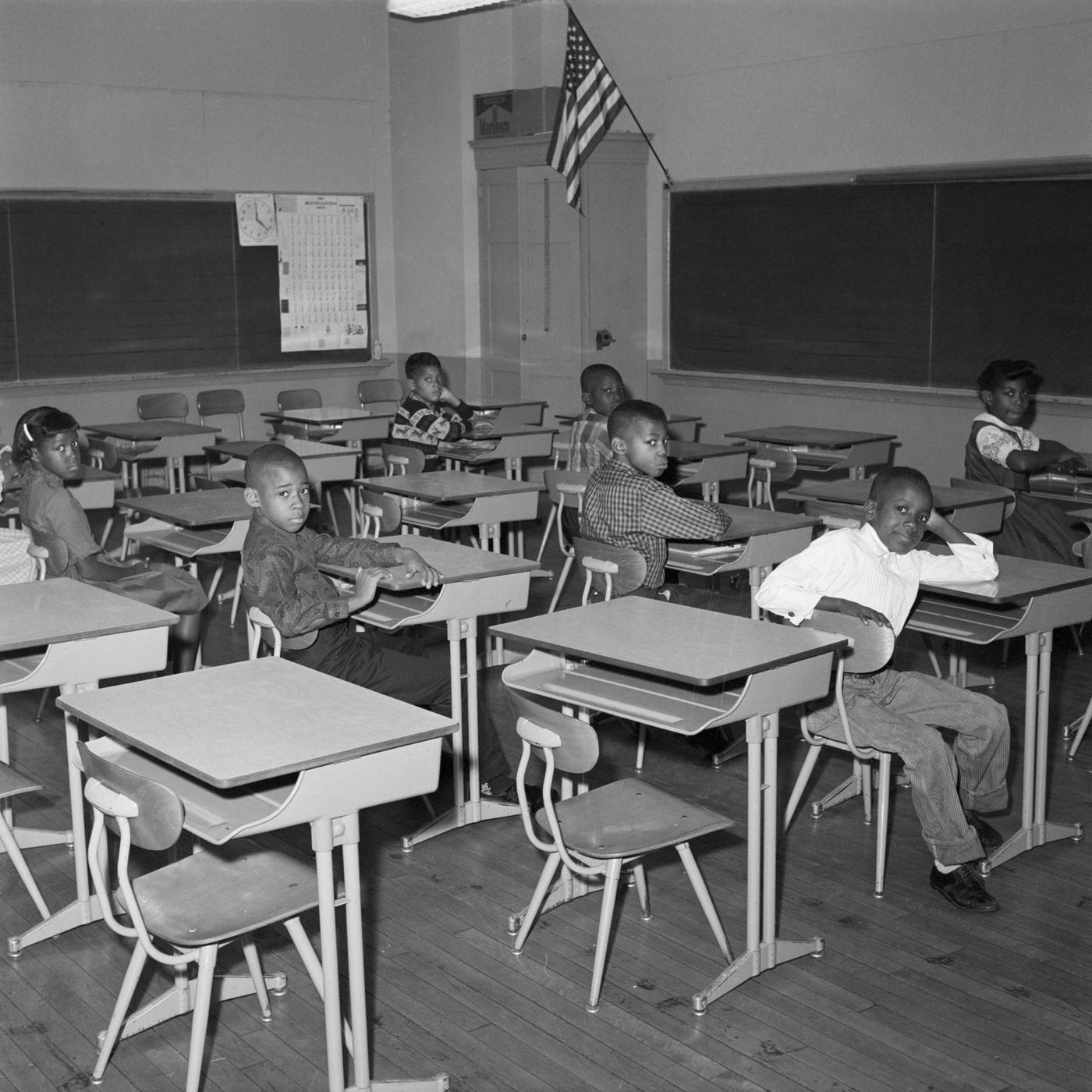
In 1966, the federal government commissioned a massive survey aimed at solving educational inequality. Instead, the explosive Coleman Report unleashed a 60-year debate over race, resources, and what education in America is actually for. This is the story of how the report came together… and the pol…
免責: このページに埋め込まれているポッドキャストとアートワークは NPR からのものであり、その所有者の所有物であり、Listen Notes, Inc. と提携または承認されていません。
