


このエピソードについて
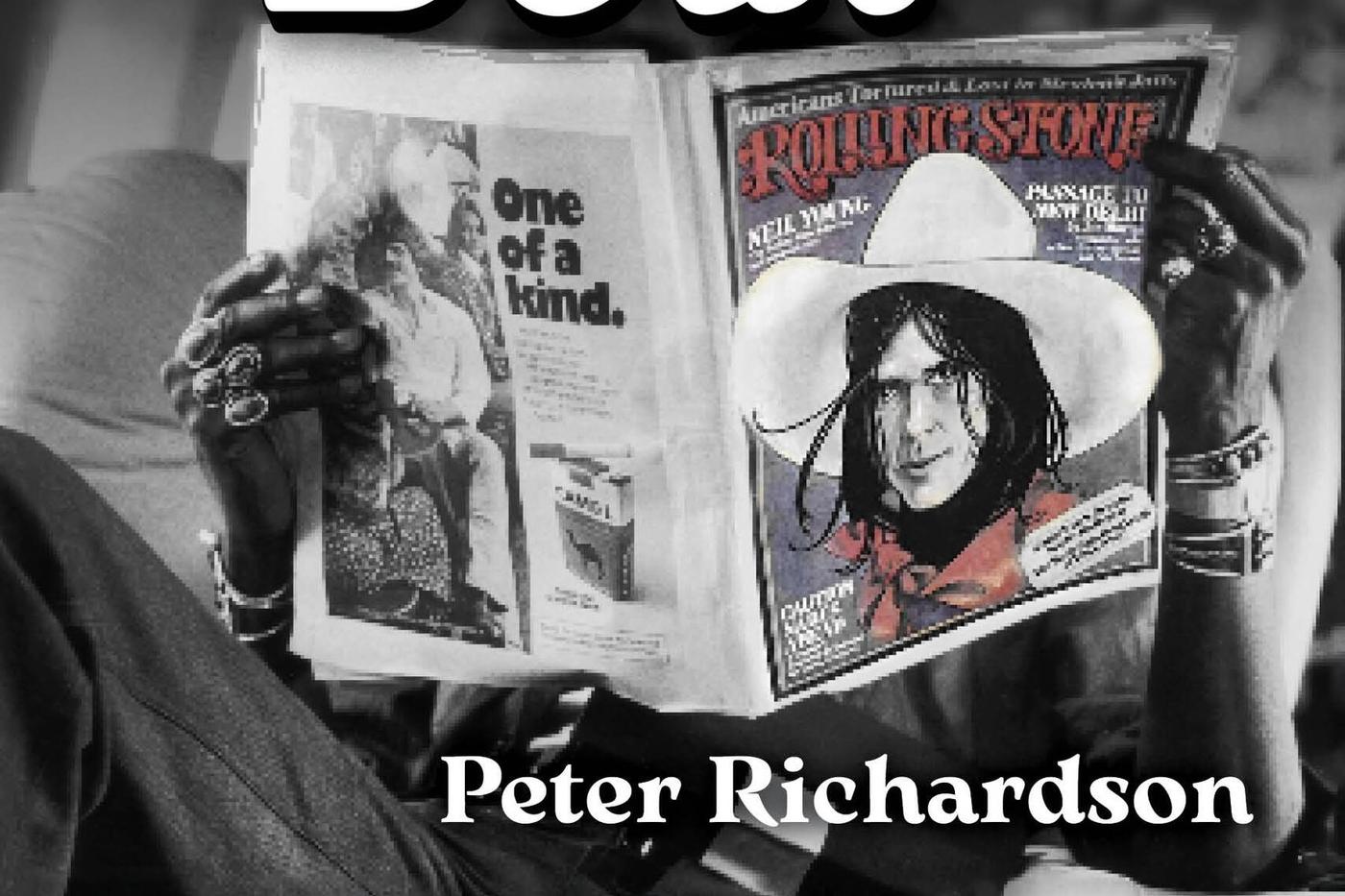
It’s often argued that culture is the gateway to politics — that if you can influence cultural values, it will ultimately change society as whole. In the late Sixties, the counterculture was animated by that idea, including Rolling Stone Magazine, which began in the Bay Area. Peter Richardson reflects on Rolling Stone’s debt to the counterculture – and the limits to both endeavors.
Peter Richardson, Brand New Beat: The Wild Rise of Rolling Stone Magazine UC Press, 2026
The post Rolling Stone and the Limits of the Counterculture appeared first on KPFA.
英語
アメリカ合衆国
文字起こし 🔗
Are you the producer of this podcast?
Add a podcast transcript
Need Audio-to-Text?
Transcribe with Listen411 in Just 60 Seconds
このポッドキャストの他のエピソード

Some of the most important struggles for health justice have taken place in New York City — from the Young Lords to ACT UP, from battles to make school lunches free to the Fight for $15 for low wage workers. Public health scholar Nicholas Freudenberg discusses the lessons he’s gleaned from fifty ye…

Are women as strong as men? According to science writer Starre Vartan, in some cases, they are stronger. She argues that scientific research over the last several decades shows that culture shapes strength as much as hormones — and that much of what we presume about sex differences, strength, and a…

Calling 911 can save lives. But all too often phoning the emergency hotline leads to maiming or death at the hands of the police. Rebecca Neusteter describes the origins of the emergency response system as a means of quashing social unrest, out of the urban uprisings of the 1960s.
Rebecca Neustete…

We live our lives often through the things we buy — presuming the more we have, the happier we’ll be. Have we always thought this way? Economist Mark Joseph Stelzner examines the need for ever more consumption under capitalism — and reflects on what our lives might be like if we exchanged the quest…
Elites, especially in tech, over at least the last decade have espoused repugnant ideas arguing that extreme social inequality is not only inevitable, but desirable. Acclaimed historian Kim Phillips-Fein argues that there is a long US tradition promoting wealth inequality that has once again moved …
免責: このページに埋め込まれているポッドキャストとアートワークは KPFA からのものであり、その所有者の所有物であり、Listen Notes, Inc. と提携または承認されていません。
