

INFORMAZIONI SU QUESTO EPISODIO
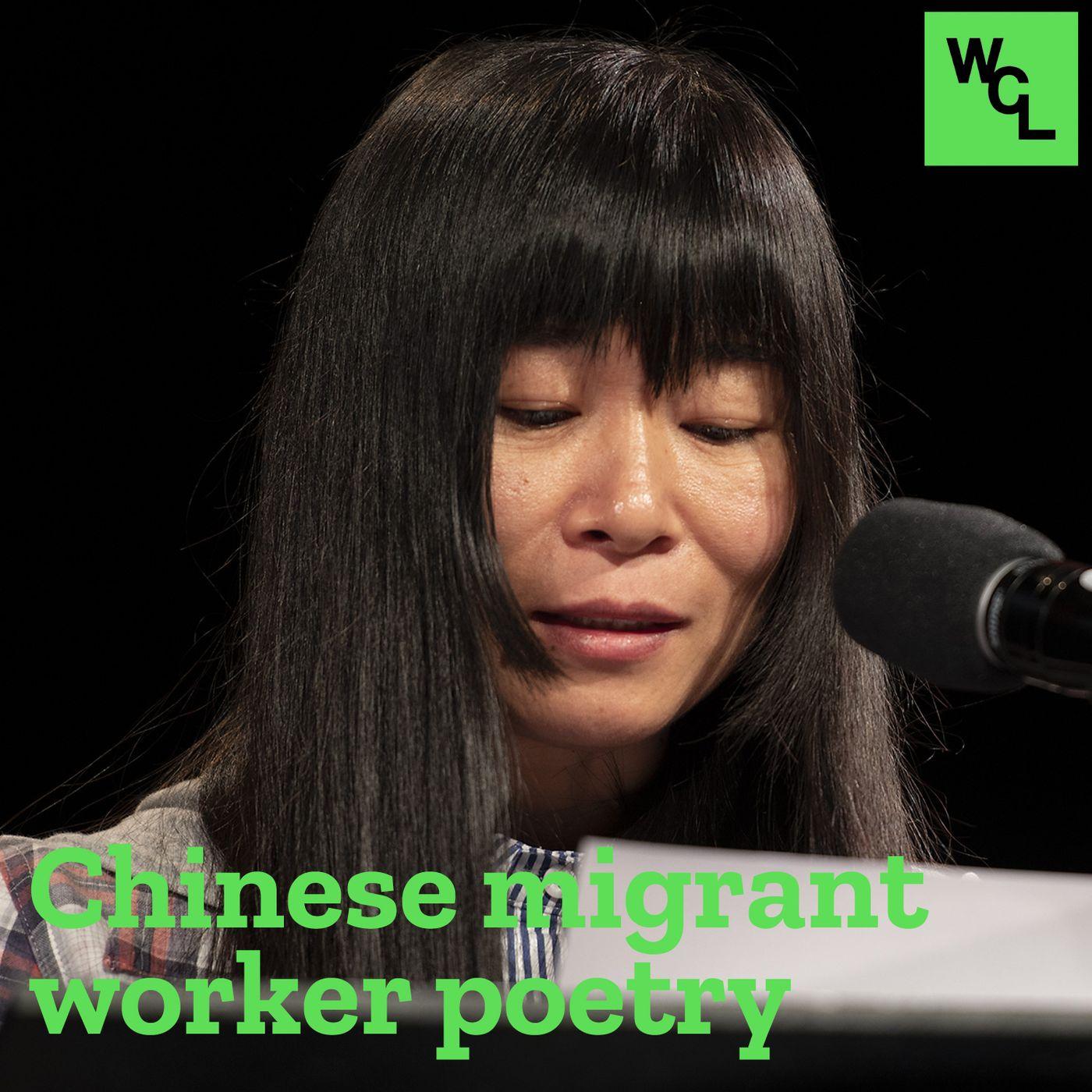
First of the three-part series on migrant worker poetry in China. In these episodes, we speak to Maghiel van Crevel, Professor of Chinese Language and Literature at Leiden University. Maghiel has travelled extensively in China meeting with and writing about the work of Chinese migrant worker poets.
In this episode, we discuss the concept of the 'migrant worker' in China, and how it relates to the internal hukou system and China's relationship to global capitalism. We also discuss what we mean by 'migrant worker/migrant worker poetry' in relation to the Chinese words dagong and dagong shige. We also look at two migrant worker poets, Wu Xia and Zheng Xiaoqiong.
Full show notes including sources, further reading, photos, films and eventually a transcript are here on our website: https://workingclasshistory.com/podcast/wcl-7-9-chinese-migrant-worker-poetry/
Acknowledgements
- As always, huge thanks to our patreon supporters who make this podcast possible. A special thanks to Jamison D. Saltsman, Jazz Hands, Fernando Lopez Ojeda and Jeremy Cusimano.
- Our theme tune for these episodes is ‘A Young Man from the Village’ by the New Labour Art Troupe, from the Migrant Worker Home. Stream it here.
- This episode was produced by Jack Franco and edited by Jesse French.
Inglese
Stati Uniti
IN QUESTO EPISODIO
TRASCRIZIONE 🔗
WEBVTT
1
00:00:00.200 --> 00:00:03.240
In two thousand and two, three Chinese workers who had
2
00:00:03.279 --> 00:00:07.400
migrated from their rural hometowns founded the Migrant Worker Home
3
00:00:07.519 --> 00:00:10.880
on the outskirts of Beijing. The home serves as a
4
00:00:10.919 --> 00:00:15.000
community and cultural center for China's precariously employed migrant workers,
5
00:00:15.359 --> 00:00:18.879
including a theater, a writers group with its own literary journal,
6
00:00:19.…
CERCA TRA GLI EPISODI PASSATI
Cerca gli episodi passati di Working Class Literature.
Dichiarazione di non responsabilità: Il podcast e la grafica incorporati in questa pagina provengono da Working Class History, che è di proprietà del suo proprietario e non è affiliato o approvato da Listen Notes, Inc.
MODIFICA
Grazie, ci hai aiutato a mantenere aggiornato il database dei podcast.
