

INFORMAZIONI SU QUESTO EPISODIO
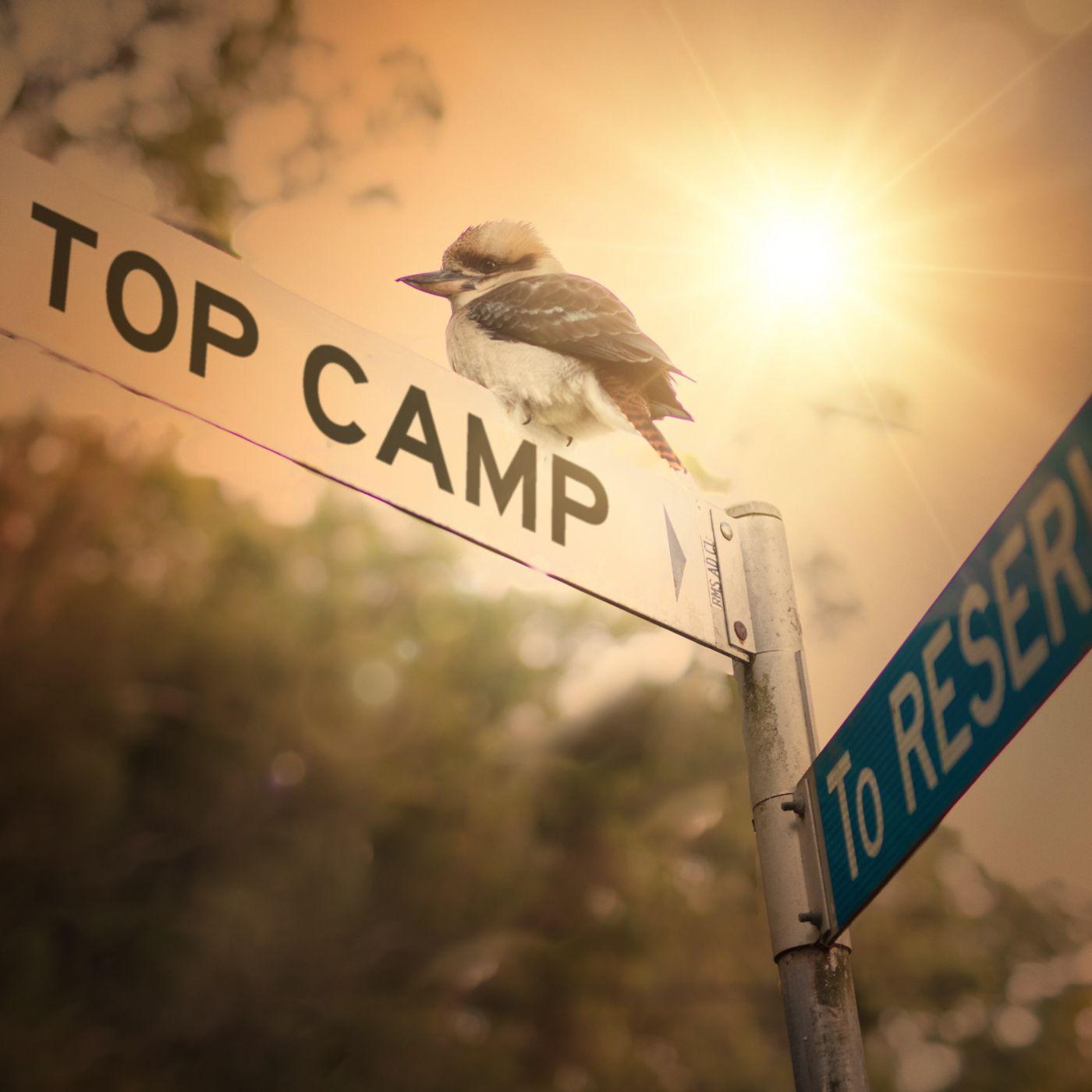
In Part 3 Top Camp we follow Matthew's river of story into lived memory, tracing segregation, survival and the struggle for rights.
This podcast has been informed by the historical work of Aunty Noelene Briggs, and particularly her books Winanga-li and Burrul Wallaay. To find out more about Aunty Noelene's books click here
Detailed Music Credits
"Dramatic Violin and Didgeridoo" by Studio FLG, "Another One" by Mirko Sosai, "Omen" by Richard Johnson, "Tranquility Base" by Chill Factor, "Quirky Play" by Marco Pesci, "Porch Blues" by Kevin MacLeod, "Running South" by Score Wizards, "Hurt Track 13" by Philip Okerstrom, Damian Mason and Symon Aytonn, "Slow Burn" by Kevin MacLeod, "Didgeridoo Night" by All Stars.
This podcast was made with funding from Create NSW.
A podcast from Matthew Priestley supported by Third Space Ventures and Coequal.
To contact Coequal and find out more, check out our Patreon page, click here
Content Description: This episode contains references to forced child removal, segregation, racism, and violence against Aboriginal people
Setting: Moves between river Country (Mehi and Gwydir), Dreaming story, lived memory of segregation in Moree, and the emergence of Stanley Village.
🪶 STRUCTURE AND CONTENT BREAKDOWN
Opening: Listening, Dreaming and Becoming Speaker: Matthew Priestley
Listening as knowledge · Dreaming as present · Story as lived reality · Place as continuum.
Storytelling as Continuation of Culture Speaker: Matthew Priestley
Cultural continuity · Responsibility of storytelling · Old knowledge in new forms.
At the Rivers: Mehi and Gwydir Speakers: Dante, Matthew
River as archive · Story embedded in landscape · Overlapping knowledge systems.
Dreaming Story: The Dinewan and the Mehi River Narrator: Dante
Creation through imbalance · Knowledge and consequence · Animal agency · Water as life force.
Matthew: Water, Identity and Connection Speaker: Matthew
Relational identity · Water as kin · Embodied connection to Country.
Water, Purity and Culture Speaker: Matthew
This podcast has been informed by the historical work of Aunty Noelene Briggs, and particularly her books Winanga-li and Burrul Wallaay. To find out more about Aunty Noelene's books click here
Detailed Music Credits
"Dramatic Violin and Didgeridoo" by Studio FLG, "Another One" by Mirko Sosai, "Omen" by Richard Johnson, "Tranquility Base" by Chill Factor, "Quirky Play" by Marco Pesci, "Porch Blues" by Kevin MacLeod, "Running South" by Score Wizards, "Hurt Track 13" by Philip Okerstrom, Damian Mason and Symon Aytonn, "Slow Burn" by Kevin MacLeod, "Didgeridoo Night" by All Stars.
This podcast was made with funding from Create NSW.
A podcast from Matthew Priestley supported by Third Space Ventures and Coequal.
To contact Coequal and find out more, check out our Patreon page, click here
Content Description: This episode contains references to forced child removal, segregation, racism, and violence against Aboriginal people
Setting: Moves between river Country (Mehi and Gwydir), Dreaming story, lived memory of segregation in Moree, and the emergence of Stanley Village.
🪶 STRUCTURE AND CONTENT BREAKDOWN
Opening: Listening, Dreaming and Becoming Speaker: Matthew Priestley
- Matthew opens with a reflection on listening (Gunnai Binna) — urging people to be still, to hear beyond themselves.
- Frames life as “magic” and existence as part of Dreaming — not past, but ongoing.
- Positions Stanley Village as a place that holds beginning, middle and end — a site of layered meaning.
Listening as knowledge · Dreaming as present · Story as lived reality · Place as continuum.
Storytelling as Continuation of Culture Speaker: Matthew Priestley
- Reflects on becoming a storyteller through guidance of Elders.
- Frames storytelling as a modern continuation of song and dance — a vehicle for Dreaming in contemporary form.
Cultural continuity · Responsibility of storytelling · Old knowledge in new forms.
At the Rivers: Mehi and Gwydir Speakers: Dante, Matthew
- Matthew and Kim travel to where the Mehi and Gwydir rivers meet.
- Matthew describes the density of stories connected to the Mehi — too many to hold at once.
River as archive · Story embedded in landscape · Overlapping knowledge systems.
Dreaming Story: The Dinewan and the Mehi River Narrator: Dante
- A drought forces animals to uncover how Dinewan (the emu) controls water.
- A small bird follows and discovers the hidden rock controlling water flow.
- When the bird attempts to replicate it, the water cannot be contained — forming the Mehi River.
Creation through imbalance · Knowledge and consequence · Animal agency · Water as life force.
Matthew: Water, Identity and Connection Speaker: Matthew
- Describes being inseparable from the river — water as bloodline, identity, and living connection.
- Rejects ownership in favour of belonging within the system.
Relational identity · Water as kin · Embodied connection to Country.
Water, Purity and Culture Speaker: Matthew
- Extends the metaphor: humans are like water — connected but often forgetting.
- Names Aboriginal culture as the “purest” surviving system of knowledge.
Inglese
Stati Uniti
contenuto esplicito
IN QUESTO EPISODIO
TRASCRIZIONE 🔗
Are you the producer of this podcast?
Add a podcast transcript
Need Audio-to-Text?
Transcribe with Listen411 in Just 60 Seconds
CERCA TRA GLI EPISODI PASSATI
Cerca gli episodi passati di Wirilla.
ALTRI EPISODI IN QUESTO PODCAST
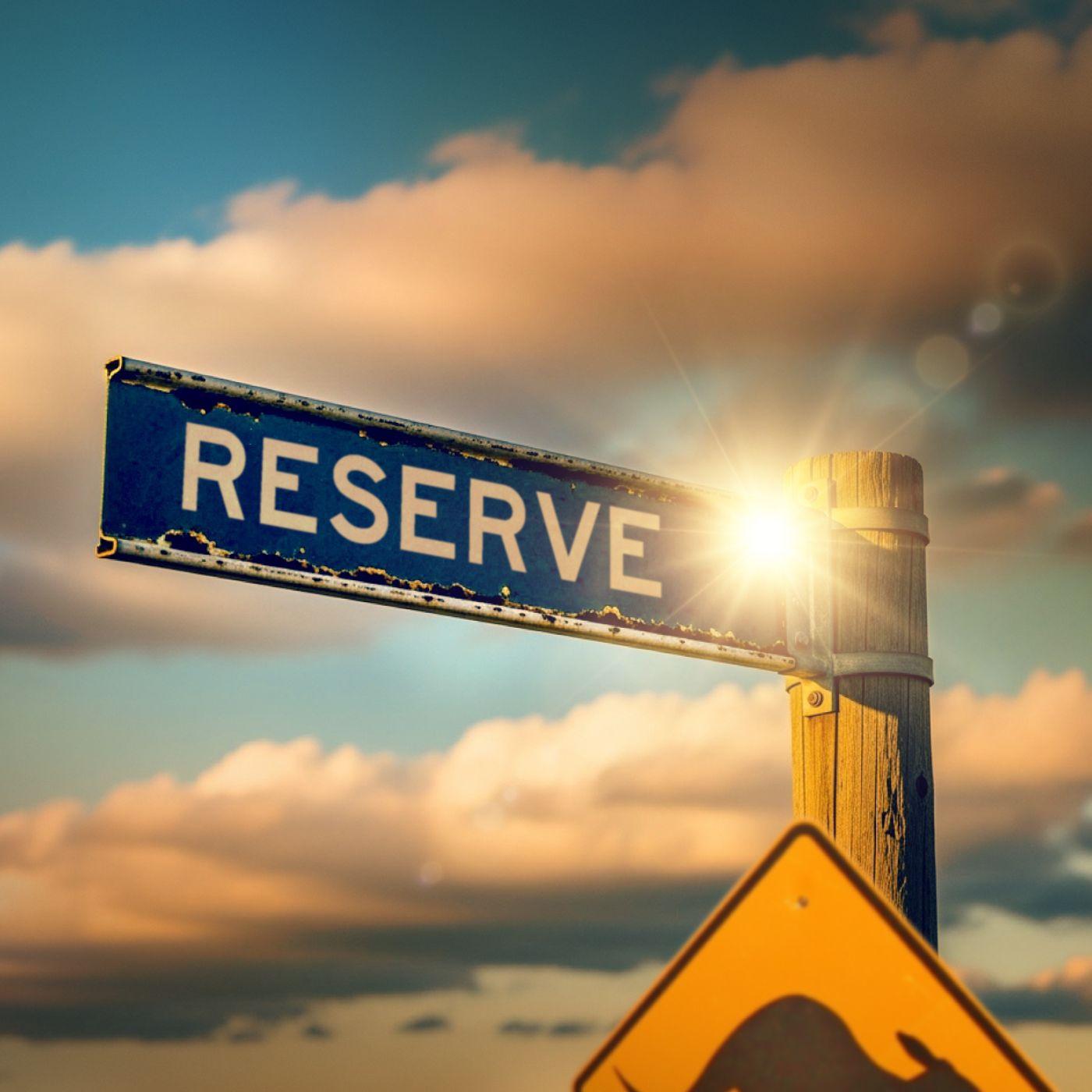
In Part 2: Reserve we move from Dreaming and sky-knowledge to the ground-level realities of segregation, following the creation of reserves and camps while tracing the life of Matthew’s great grandfather Alexander Stanley.This podcast has been informed by the historical work of Aunty Noelene Briggs…
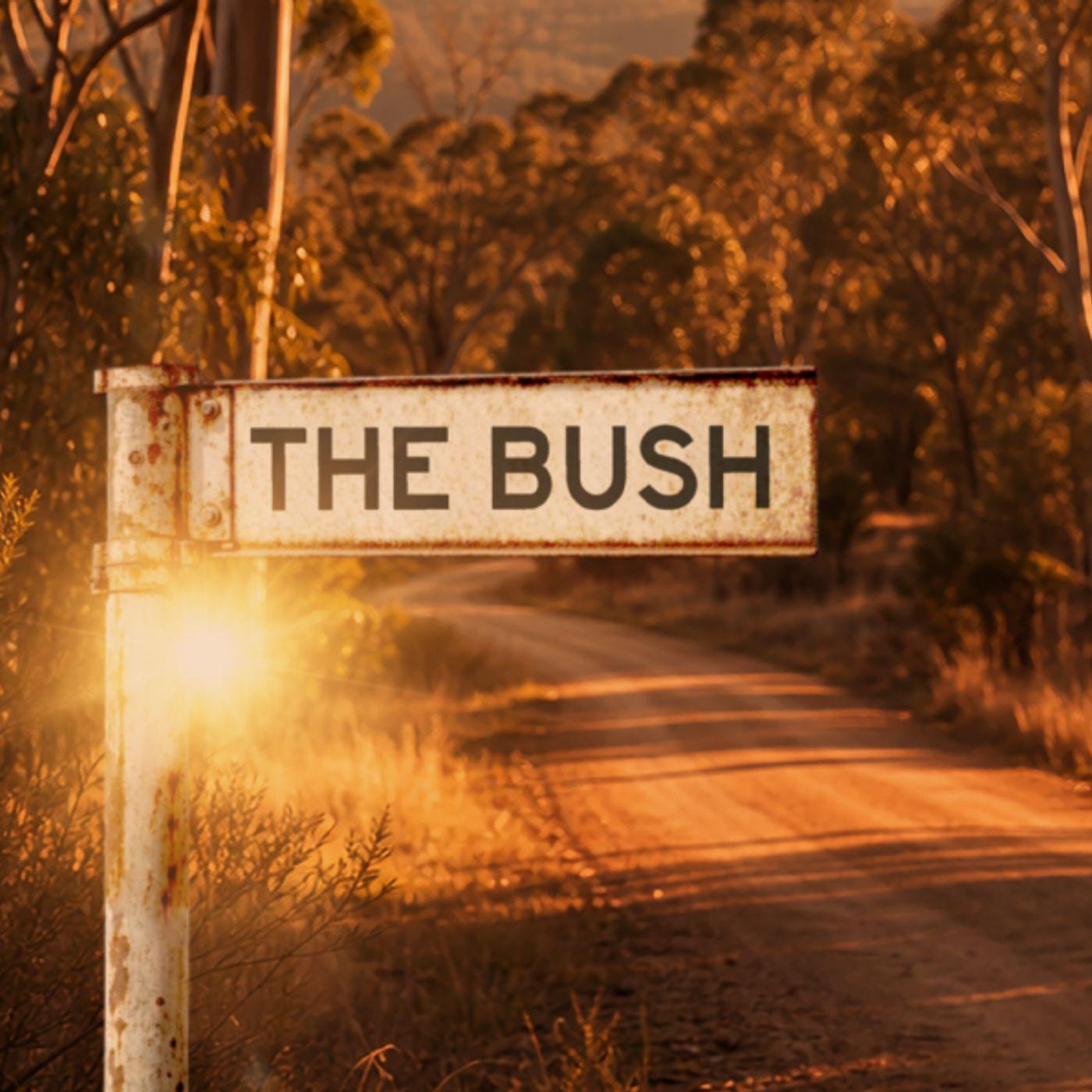
In The Bush, Matthew Priestley reflects on growing up at a time when incarceration was a new rite of passage for Aboriginal boys, a new way of taking kids away, and a yarn inspired by his own teenage years unfolds across the Dreamings of Gomeroi Country.To check out the film Hurt click here to go t…
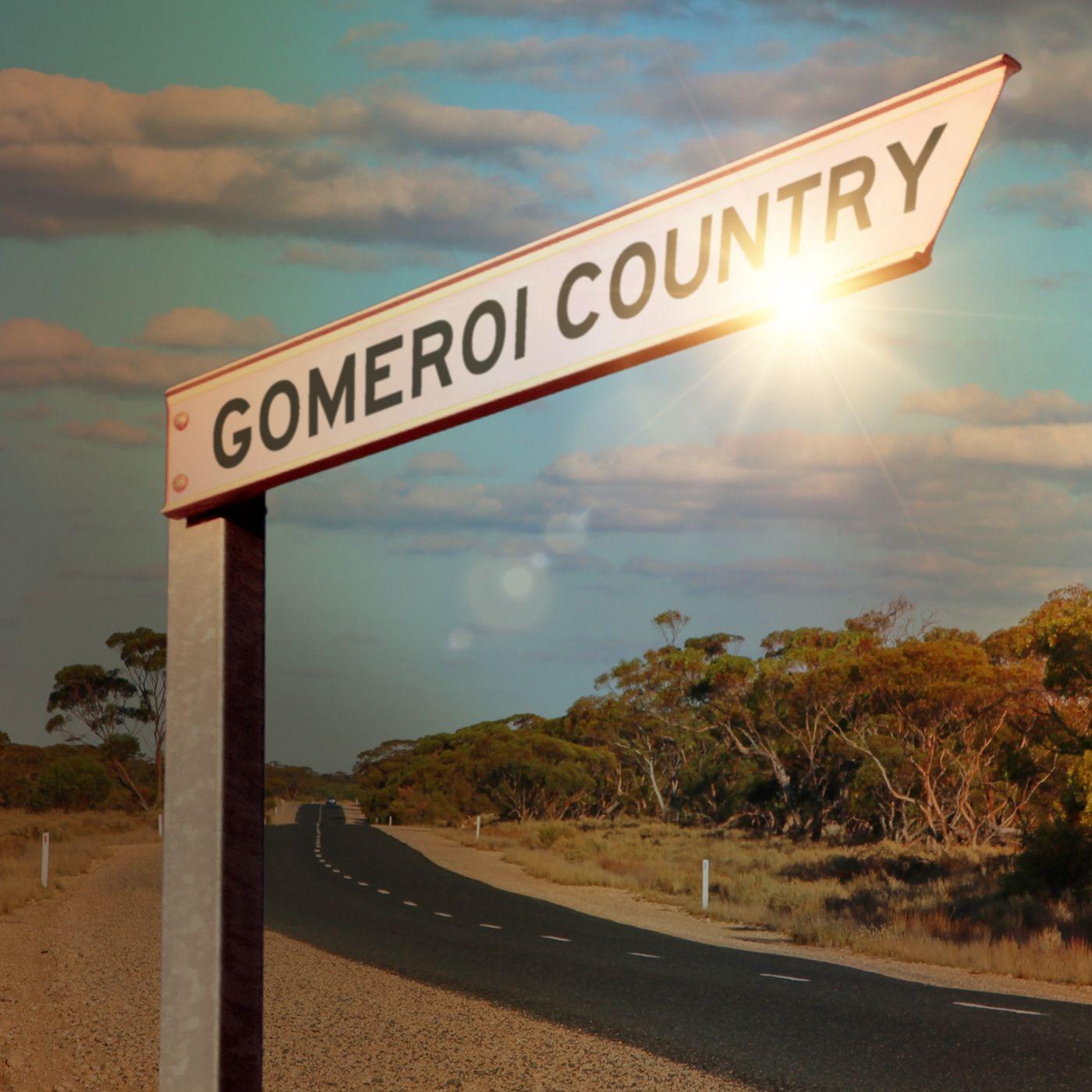
In Part 1 Gomeroi Country we start at the beginning and then encounter invasion, massacre and colonisation.This podcast has been informed by the historical work of Aunty Noelene Briggs, and particularly her books Winanga-li and Burrul Wallaay. To find out more about Aunty Noelene's books click here…
Dichiarazione di non responsabilità: Il podcast e la grafica incorporati in questa pagina provengono da Coequal, che è di proprietà del suo proprietario e non è affiliato o approvato da Listen Notes, Inc.
MODIFICA
Grazie, ci hai aiutato a mantenere aggiornato il database dei podcast.
