


INFORMAZIONI SU QUESTO EPISODIO

Coding isn't just for computer whizzes, says Mitch Resnick of MIT Media Lab -- it's for everyone. In a fun, demo-filled talk Resnick outlines the benefits of teaching kids to code, so they can do more than just "read" new technologies -- but also create them. (Filmed at TEDxBeaconStreet.)
Talk by Mitch Resnick.
Learn more about your ad choices. Visit megaphone.fm/adchoices
Inglese
Stati Uniti
TRASCRIZIONE 🔗
Are you the producer of this podcast?
Add a podcast transcript
Need Audio-to-Text?
Transcribe with Listen411 in Just 60 Seconds
CERCA TRA GLI EPISODI PASSATI
Cerca gli episodi passati di TED-Ed.
ALTRI EPISODI IN QUESTO PODCAST

Uncover the rich history of illuminated manuscripts and the often bizarre images that filled the margins of medieval books.--A rabbit attempts to play a church organ, while a knight fights a giant snail and a naked man blows a trumpet with his rear end. These bizarre images, painted with squirrel-h…

Trace the 7,000 year old history of alcohol, from its first known origins in China to cultures all over the world fermenting their own drinks.--Nobody knows exactly when humans began to create fermented beverages. The earliest known evidence comes from 7,000 BCE in China, where residue in clay pots…

Each kind of light has a unique wavelength, but human eyes can only perceive a tiny slice of the full spectrum -- the very narrow range from red to violet. Microwaves, radio waves, x-rays and more are hiding, invisible, just beyond our perception. Here is a closer look at the waves we can't see. An…
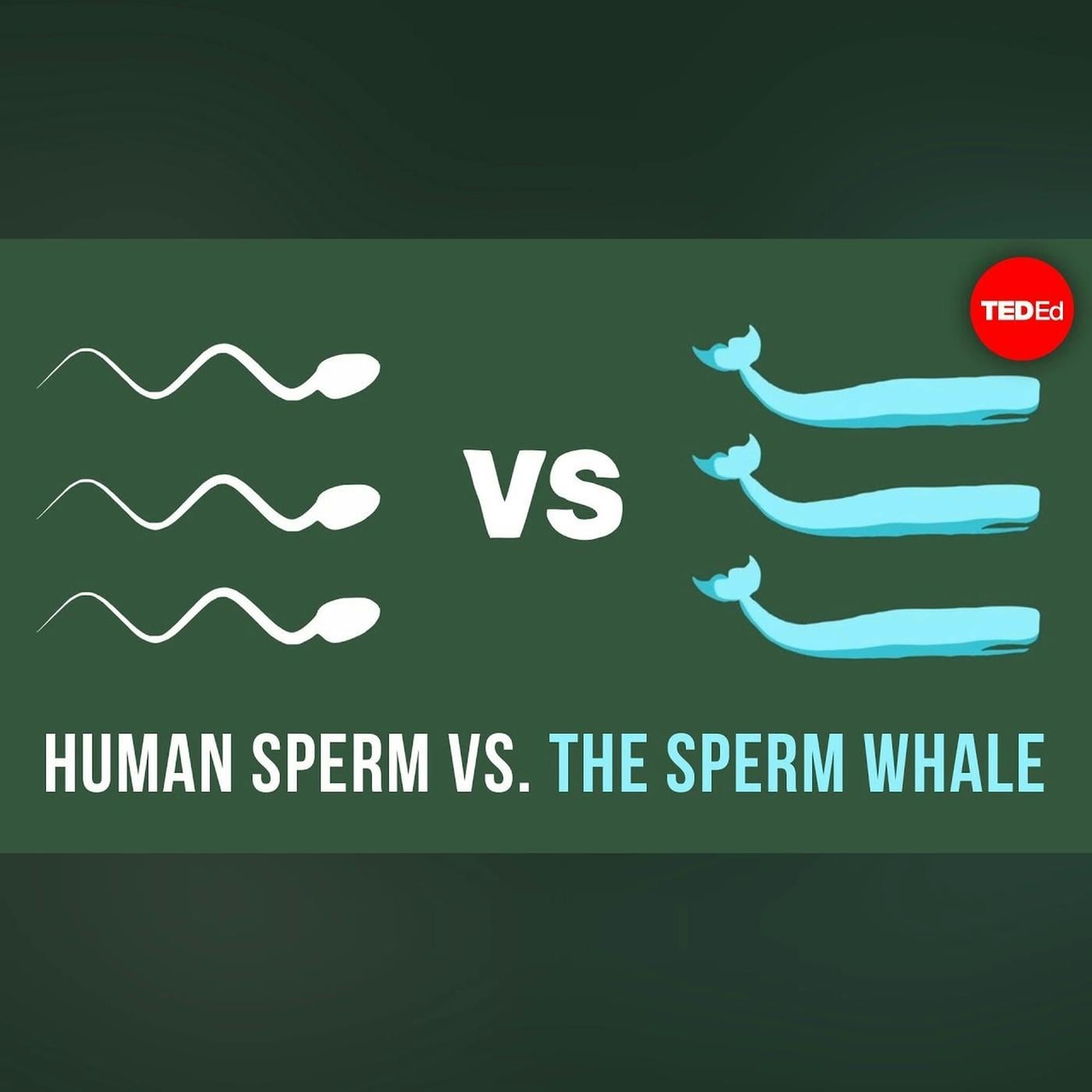
View full lesson: http://ed.ted.com/lessons/human-sperm-vs-the-sperm-whale-aatish-bhatiaTraveling is extremely arduous for microscopic sperm -- think of a human trying to swim in a pool made of...other humans. We can compare the journey of a sperm to that of a sperm whale by calculating the Reynold…
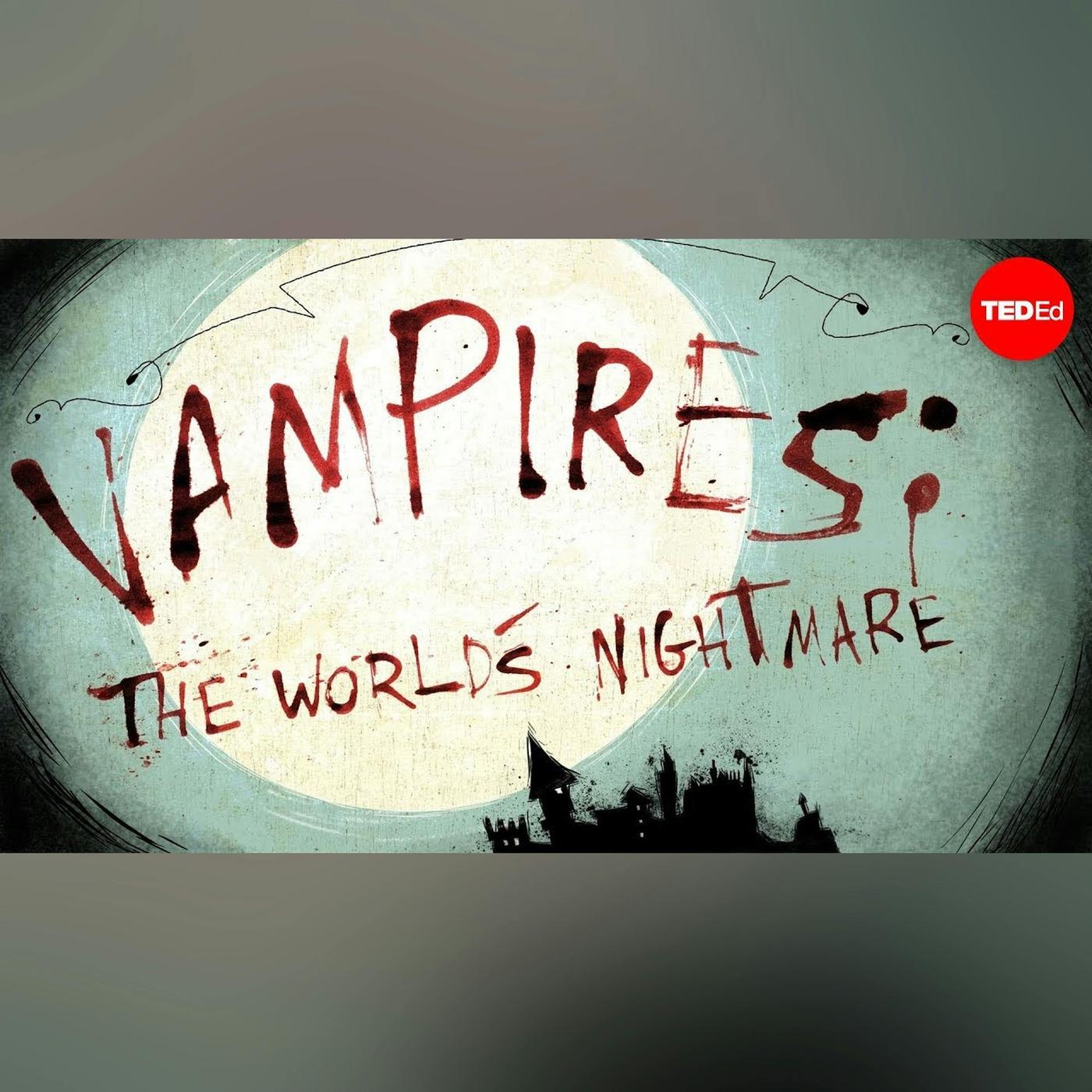
Dig into the science and superstition behind the myth of vampires, and how it has persisted from ancient Mesopotamia to today.--The myth of the bloodsucking vampire has stalked humans from ancient Mesopotamia to 18th-century Eastern Europe, but it has differed in the terrifying details. So, how did…
Dichiarazione di non responsabilità: Il podcast e la grafica incorporati in questa pagina provengono da TED-Ed, che è di proprietà del suo proprietario e non è affiliato o approvato da Listen Notes, Inc.
MODIFICA
Grazie, ci hai aiutato a mantenere aggiornato il database dei podcast.
