


INFORMAZIONI SU QUESTO EPISODIO
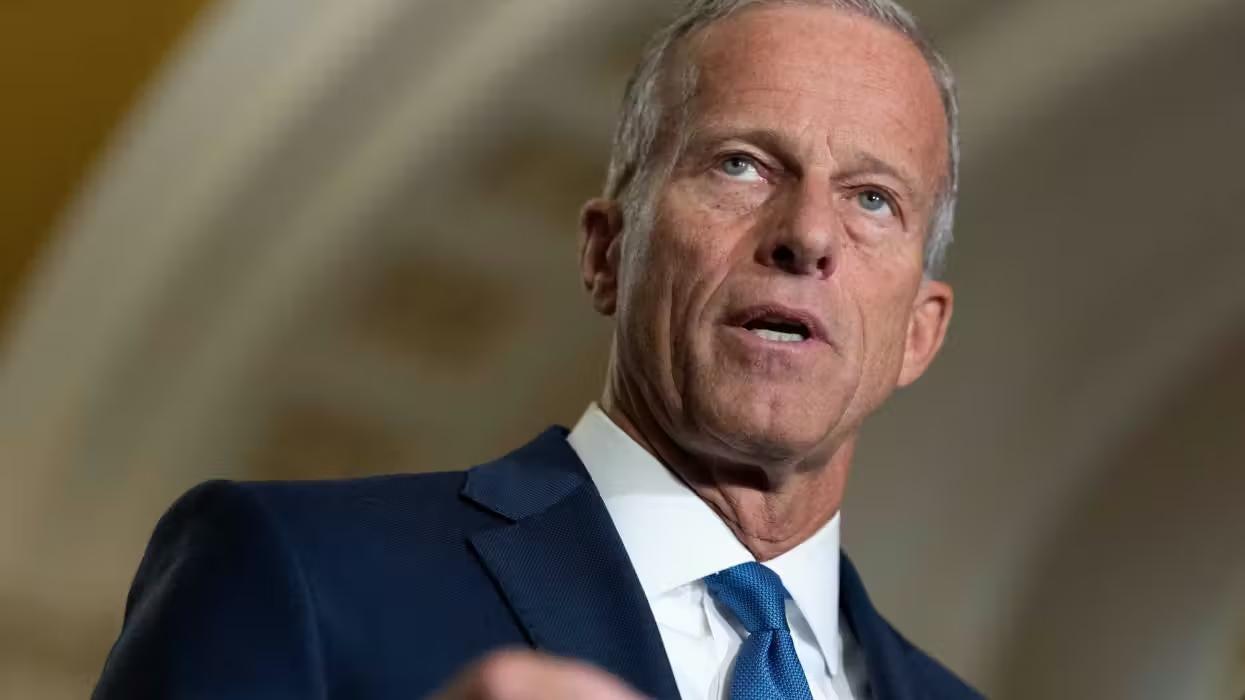
U.S. Senate Majority Leader John Thune (R-SD) in Washington, D.C., U.S., September 15, 2026. REUTERS/Evan Vucci
Republicans Built the Squeeze. Farmers Are Paying for It.
A Price Crisis With Authors
The immediate dispute is over diesel: with Grassley citing a price of $6.57 in Iowa in a September 19 post, he urged President Trump to embargo exports. But The Hill’s reporting places that demand inside a broader squeeze created partly by federal policy. Trump’s global trade war has hit commodities including pork and soybeans, while fuel and fertilizer costs have further strained farm income.
That is not economic weather. The trade war was a presidential choice. Farmers absorbed its consequences. Republican senators are now fighting over how to contain the political damage.
Help fuel the work. Independent analysis doesn’t fund itself:☕ Buy us a coffee
Grassley Names the Pain, Not the Power
Grassley says high diesel prices are “killing” farmers’ income. His alarm is directed at a real constituency problem, but his proposed remedy carefully avoids confronting the administration’s role in creating the wider pressure.
The senator is not a powerless observer pleading with an inscrutable market. He belongs to the party controlling the relevant federal institutions described in the reporting. Senate Majority Leader John Thune is open to an export ban, and Trump has the presidential authority Grassley is asking him to use. The people with power are debating among themselves while farmers carry the costs of policies those same political forces supported or enabled.
The “Clash” Is About Constituencies
Calling this a Republican “clash” is descriptively accurate but politically thin. The disagreement tracks material interests.
Farm-state Republicans face voters angered by expensive fuel, fertilizer and trade disruption. Oil-state Republicans oppose restricting exports. Outgoing Texas Sen. John Cornyn dismisses the proposal as a “gimmick,” while Alaska Sen. Lisa Murkowski questions whether it would materially affect prices in a global market. The American Petroleum Institute’s Mike Sommers goes further, arguing that export restrictions would raise prices rather than lower them.
These positions may reflect genuine policy disagreements. They also reveal whom each faction is under pressure to protect. Farmers want relief. Petroleum interests want continued access to export markets. Republican leaders are searching for an answer that does not require admitting that their governing choices helped produce the backlash.
California Becomes the Convenient Target
South Dakota Sen. Mike Rounds redirects attention toward two California refinery closures, which he attributes to the state’s environmental rules. The reporting provides his claim, not independent evidence establishing that those rules caused the diesel-price increase or that reopening the facilities would solve it.
That distinction matters. Blaming California offers Republicans a familiar external villain. It is politically easier than examining the effects of Trump’s trade war or explaining why a party with federal power has no agreed response beyond an export restriction that some of its own senators and the oil industry say could backfire.
The misdirection is structural: responsibility is pushed downward or outward, while decisions made at the center of power are treated as background conditions.
Electoral Fear Produces Sudden Interventionism
The Hill reports that Democrats now have opportunities in Iowa, Kansas and Nebraska Senate races that were not considered competitive a year earlier. That prospect clarifies the urgency. Republican concern intensified as farmer anger became an electoral threat.
This is not evidence that every proposed intervention is insincere. It is evidence that suffering becomes actionable in Washington when it endangers incumbents. Grassley’s export-ban proposal and Thune’s openness to it show a party willing to intervene in markets when politically important constituencies are being crushed—even as other Republicans reject that intervention when it conflicts with oil-state priorities.
The System Protects Power Before It Corrects Policy
The larger pattern is not simply Republican disagreement over diesel exports. It is a governing coalition confronting the collision of its own constituencies after presidential trade policy and rising production costs have narrowed farmers’ margins.
The institutional response is therefore organized around blame management: target exports, invoke California, denounce gimmicks, warn of unintended consequences—anything except a clear accounting of who exercised power and who bore the risk. Farmers are presented as victims of a crisis without authors. The reporting itself contains the more revealing truth: elected officials made consequential choices, and only the threat of losing safe seats forced those consequences into the center of the debate.
Thanks to Alter Net
Source: GOP senators ‘clash’ as Trump’s ‘double whammy’ sparks red state backlash
Systemic Error is a reader-supported publication. To receive new posts and support my work, consider becoming a free or paid subscriber.
We warned them.We told them.We shouted from the rooftops.We plead.We begged.They didn’t listen.Now, we all will suffer.Y’all know what to do, right?VOTE BLUE! 💙Vote as if your life — nay, our country — depend on it.Because, this time, and every time, it does.
This is a public episode. If you'd like to discuss this with other subscribers or get access to bonus episodes, visit paulstsmith.substack.com/subscribe


