


INFORMAZIONI SU QUESTO EPISODIO
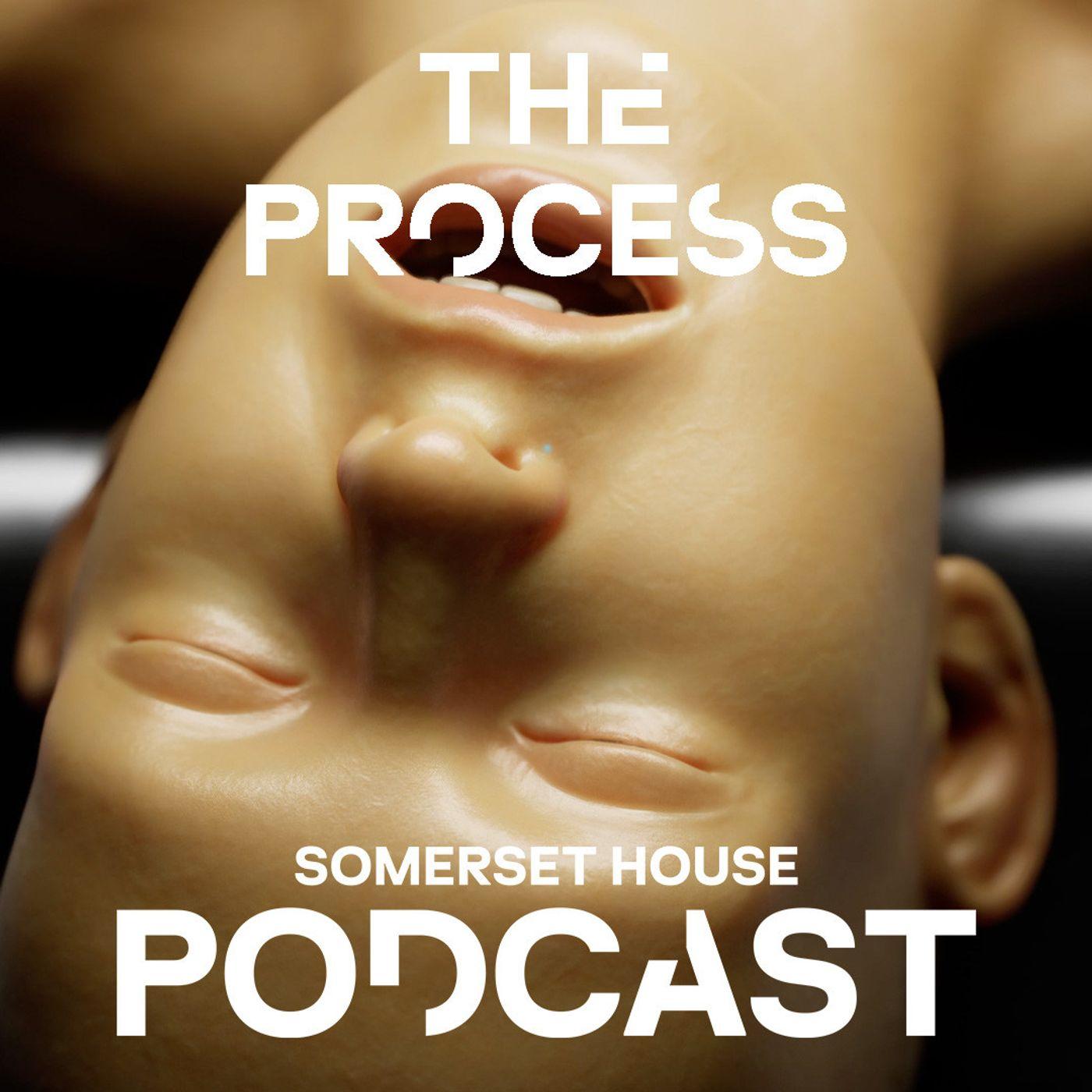
In this special interview edition of the Process, artist Sidsel Meineche Hansen unpacks the background to her digital commission Grumpy.
Sidsel Meineche Hansen is a Danish artist who is interested in how things are made, both through the lens of the industrial complex and material forms of craft. Her work looks at the ways gender is produced and mutated through the production of female gendered commodities in the tech and porn industry, such as the sex robot or the sex doll, exploring questions around ownership and profit.
In Grumpy, her commission for our digital platform Channel, Sidsel created a computer-animated version of the anatomical Venus - a wax model of a dissected woman, clad in pearls, which was used to teach medical students' anatomy in the 18th Century. The head of the model hangs backwards, singing softly, as we pan up over her splayed open torso, revealing only the reproductive organs and a smiling foetus
To make the work, Sidsel sourced real-life human sexual organs from a cadaver before working on the animation. In this special interview version of The Process, Sidsel unpacks the background to the work with the director of Somerset House Studios Marie McPartlin. She talks about her experience in the operating theatre, the questions it brought up about the role of the artist, the relationship between object and subject and what it was like to make the work while pregnant with her first child.
Interviewer: Marie McPartlin
Artist: Sidsel Meineche Hansen
Executive Producer: Eleanor Ritter-Scott
Producer: Alannah Chance
Host: Laurent John
Sound Engineer: Mike Woolley
Theme Music: Ka Baird
The Process is an artist-led podcast series, developed by Somerset House, which explores the new ideas, big questions and surprising tangents which emerge from the artistic process.
Drawing on the creative community both on site at Somerset House and from the exhibition programme, each episode follows artists as they explore one idea they’re currently pursuing, to see where it ends up. From financial astrology to the black renaissance, quantum listening to the transformative powers of cute, along the way we hear from a cross-section of thinkers who have inspired them to help shape where it might go next.
Sidsel Meineche Hansen is a Danish artist who is interested in how things are made, both through the lens of the industrial complex and material forms of craft. Her work looks at the ways gender is produced and mutated through the production of female gendered commodities in the tech and porn industry, such as the sex robot or the sex doll, exploring questions around ownership and profit.
In Grumpy, her commission for our digital platform Channel, Sidsel created a computer-animated version of the anatomical Venus - a wax model of a dissected woman, clad in pearls, which was used to teach medical students' anatomy in the 18th Century. The head of the model hangs backwards, singing softly, as we pan up over her splayed open torso, revealing only the reproductive organs and a smiling foetus
To make the work, Sidsel sourced real-life human sexual organs from a cadaver before working on the animation. In this special interview version of The Process, Sidsel unpacks the background to the work with the director of Somerset House Studios Marie McPartlin. She talks about her experience in the operating theatre, the questions it brought up about the role of the artist, the relationship between object and subject and what it was like to make the work while pregnant with her first child.
Interviewer: Marie McPartlin
Artist: Sidsel Meineche Hansen
Executive Producer: Eleanor Ritter-Scott
Producer: Alannah Chance
Host: Laurent John
Sound Engineer: Mike Woolley
Theme Music: Ka Baird
The Process is an artist-led podcast series, developed by Somerset House, which explores the new ideas, big questions and surprising tangents which emerge from the artistic process.
Drawing on the creative community both on site at Somerset House and from the exhibition programme, each episode follows artists as they explore one idea they’re currently pursuing, to see where it ends up. From financial astrology to the black renaissance, quantum listening to the transformative powers of cute, along the way we hear from a cross-section of thinkers who have inspired them to help shape where it might go next.
Inglese
Regno Unito
IN QUESTO EPISODIO
TRASCRIZIONE 🔗
Are you the producer of this podcast?
Add a podcast transcript
Need Audio-to-Text?
Transcribe with Listen411 in Just 60 Seconds
CERCA TRA GLI EPISODI PASSATI
Cerca gli episodi passati di Somerset House Podcast.
ALTRI EPISODI IN QUESTO PODCAST
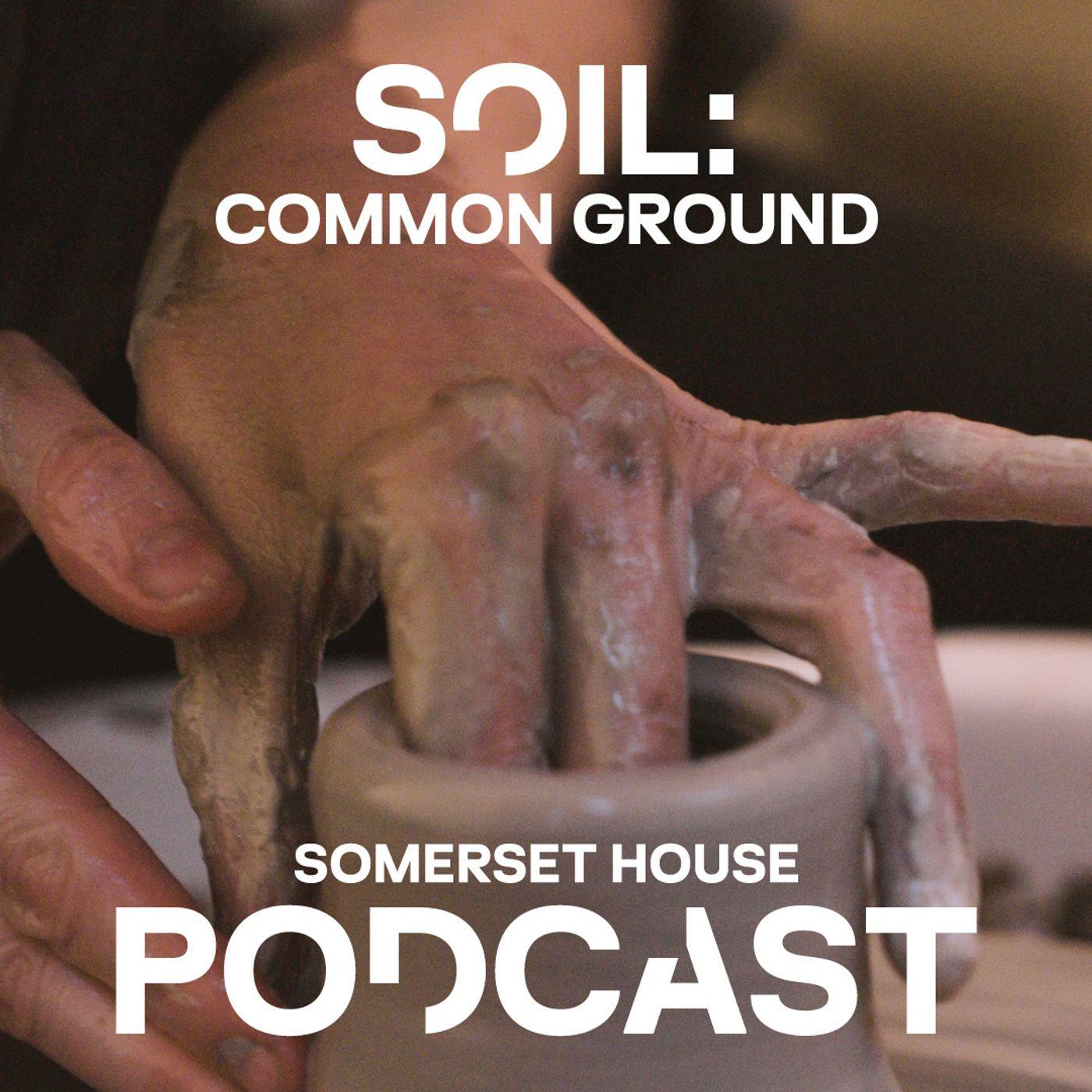
Much of the history of human making springs from the soil. Cuneiform, the earliest form of writing, was engraved into clay; paint pigments come from minerals in the soil; and much of our material history is held in ceramics. But soil is not neutral; it is deeply entangled with politics of ownership…
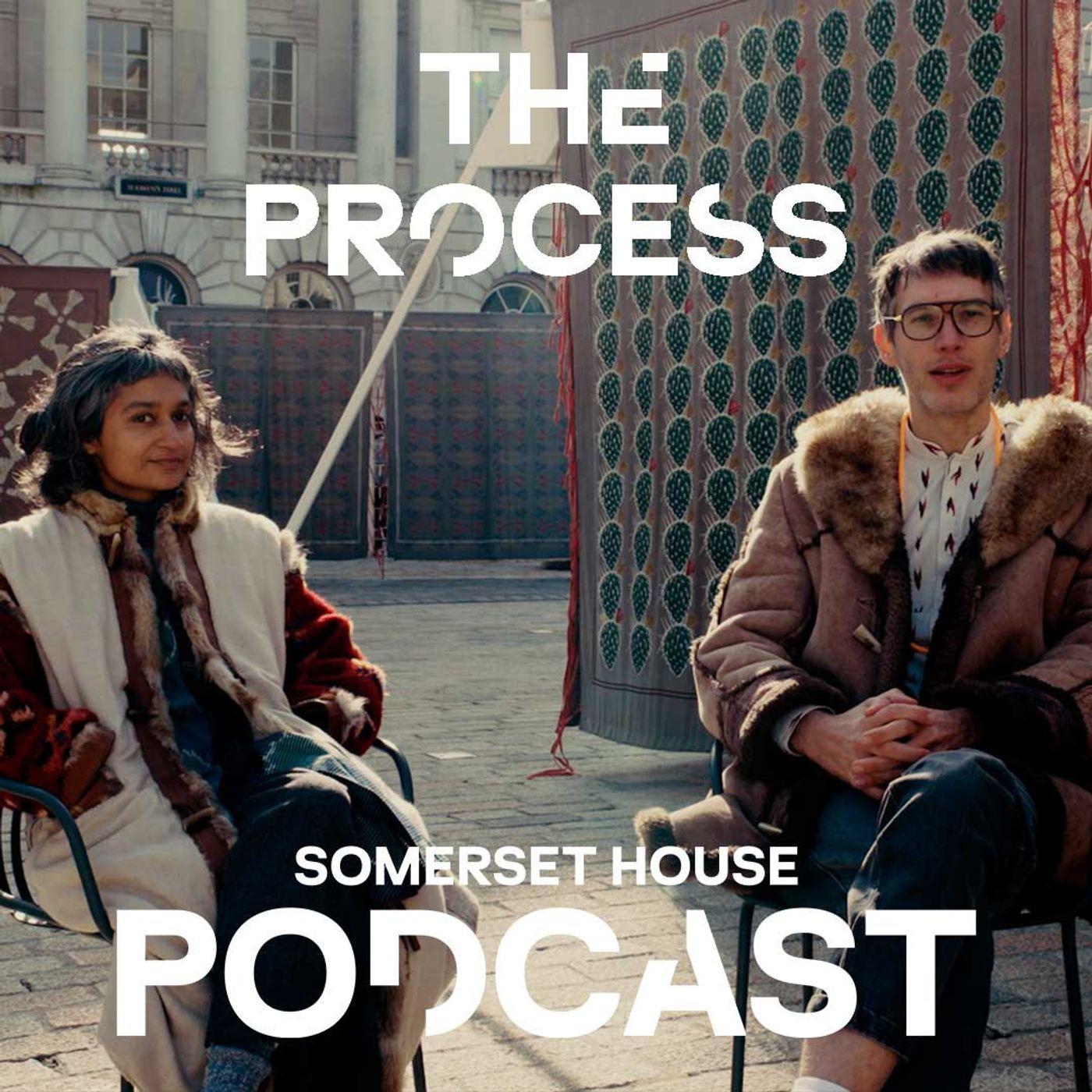
And how did it manage to disappear with barely a trace? Artists Himali Singh Soin and David Soin Tappeser (Hylozoic/Desires) go on a journey through the archives to unearth the story of the Great Hedge of India, a 4,000km long hedge grown by the British East India Company in the 1840s, to control t…
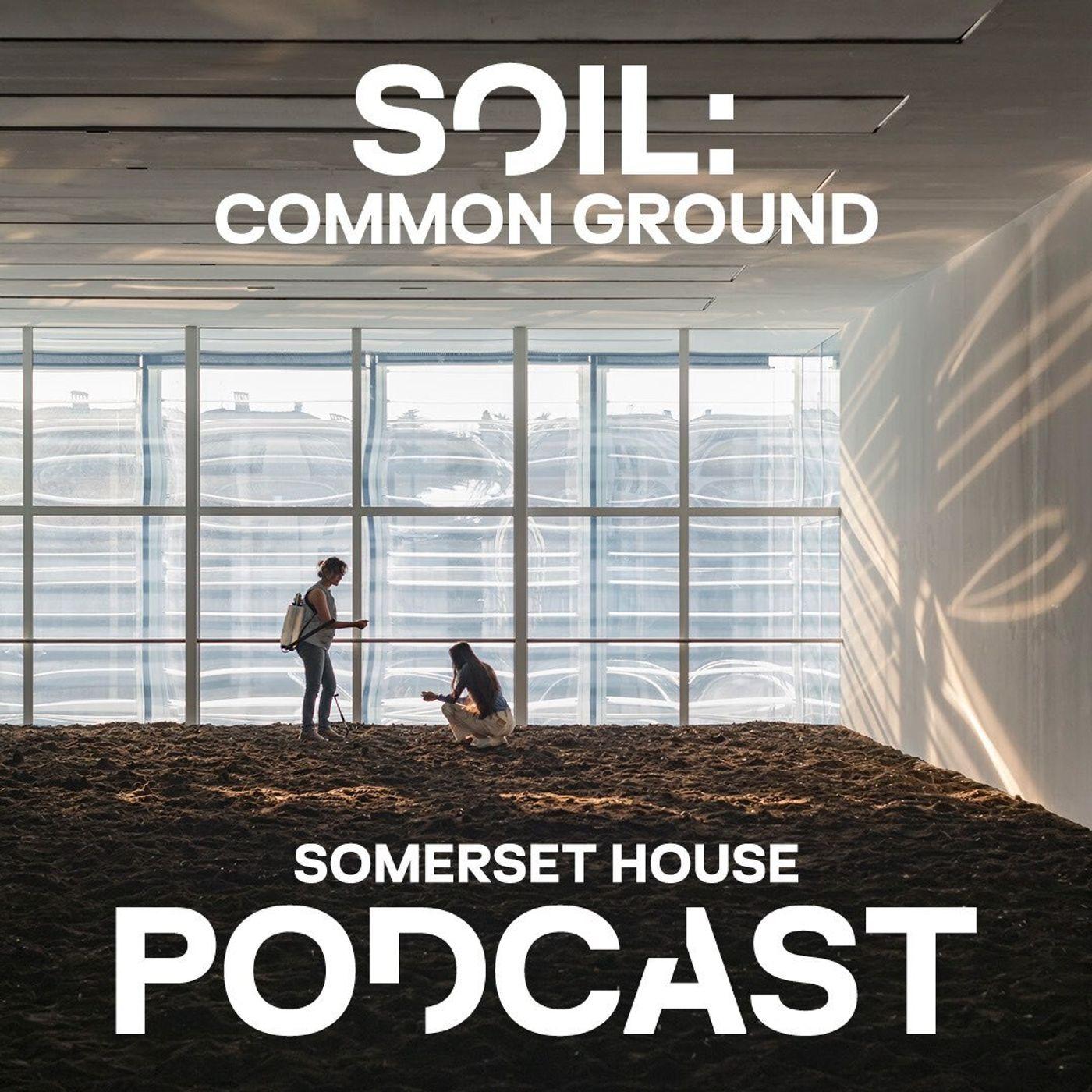
Our entire existence is dependent on our relationship with soil. As awareness builds of the enormity of the ecological crisis that we are facing, a growing number of artists are engaging with soil as a material in their work. This three part series responds to the Somerset House exhibition ‘Soil: …
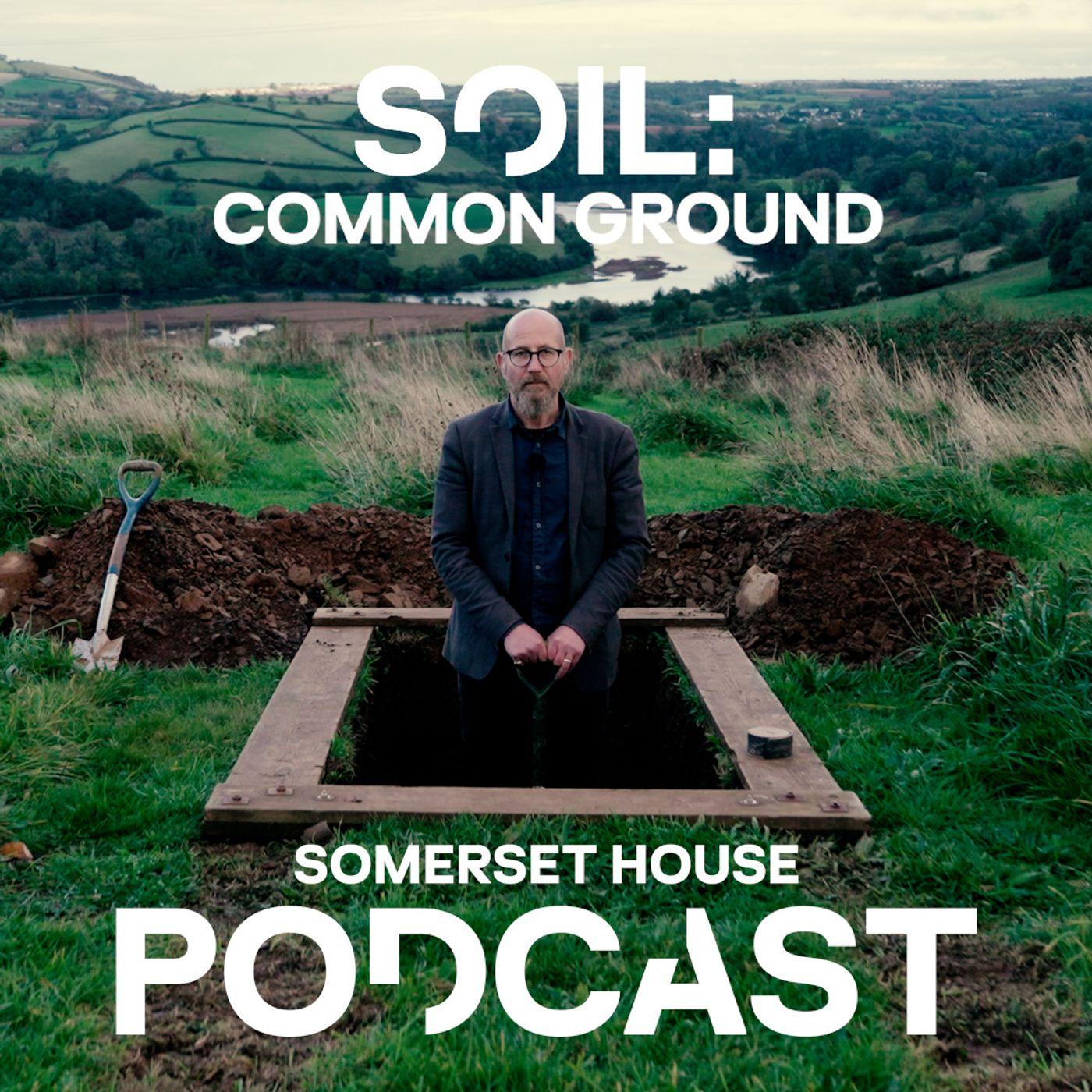
Our Future is tied to the future of our soil. Our decisions as to how we care for and use it matter. Soil teaches us that cycles are ongoing, and even in decline every day offers us opportunities for new beginnings. In this final episode Shenece Oretha explores the regenerative qualities of soil an…
Dichiarazione di non responsabilità: Il podcast e la grafica incorporati in questa pagina provengono da Somerset House, che è di proprietà del suo proprietario e non è affiliato o approvato da Listen Notes, Inc.
MODIFICA
Grazie, ci hai aiutato a mantenere aggiornato il database dei podcast.
