

INFORMAZIONI SU QUESTO EPISODIO
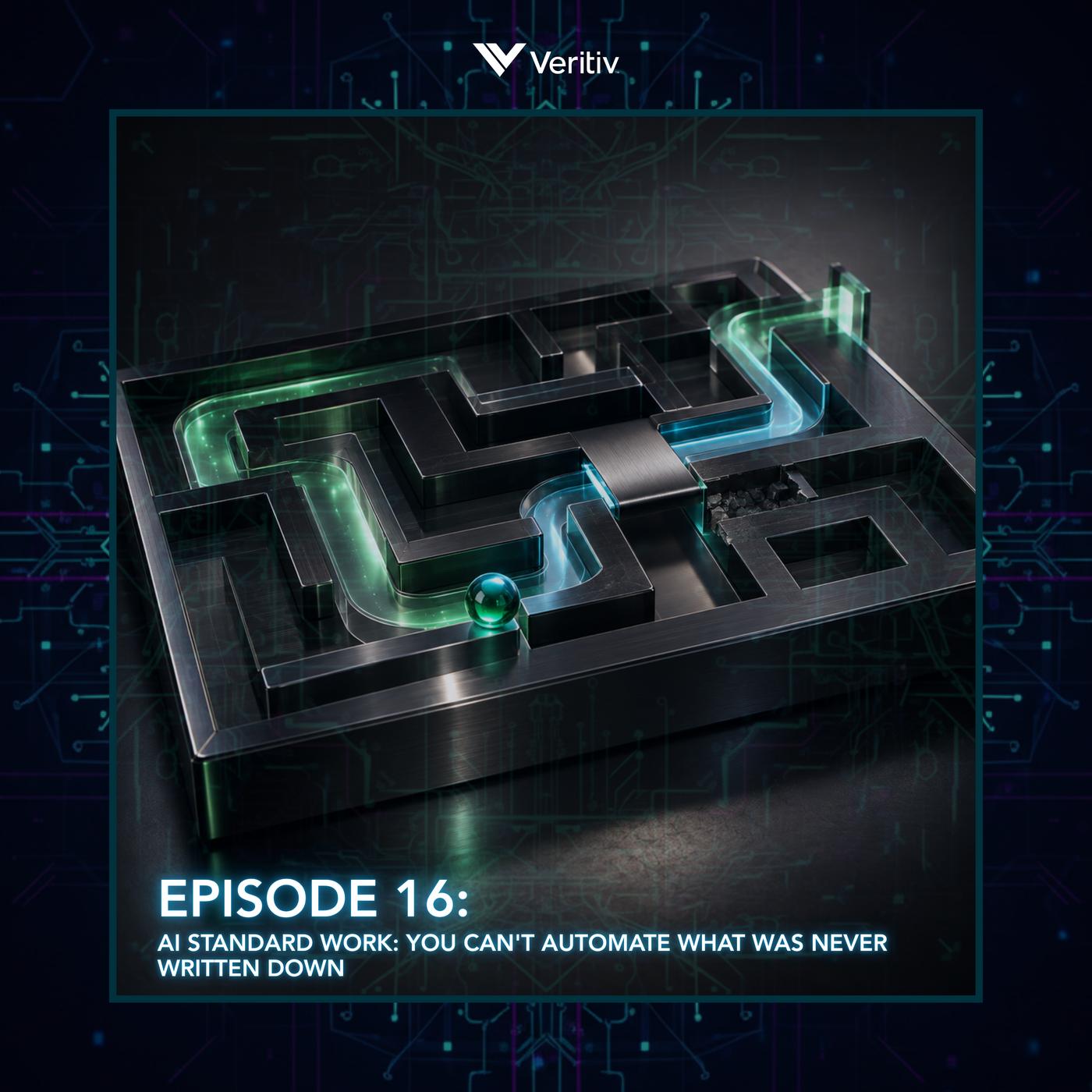
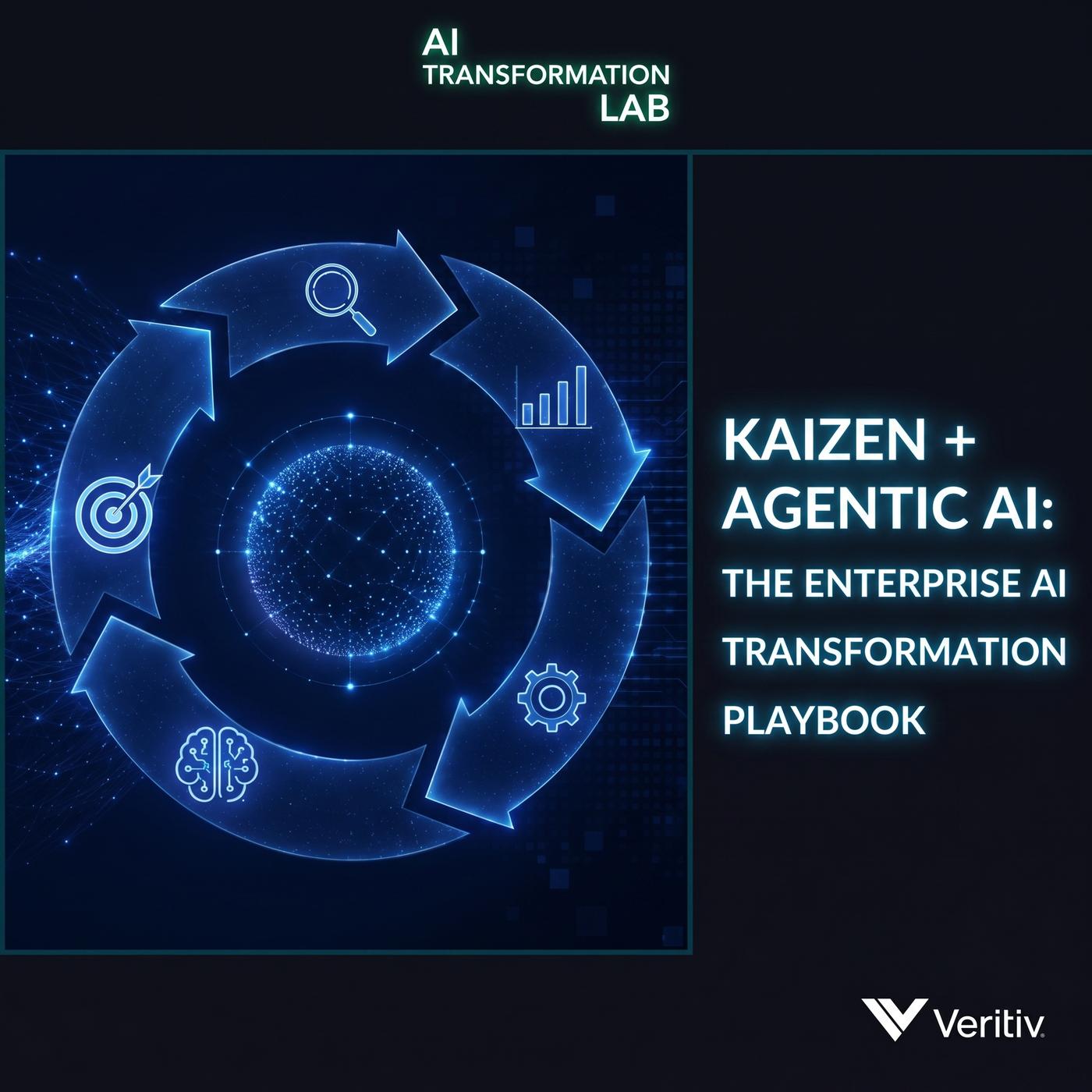
Taiichi Ohno posted standard work sheets at every workstation, in the open, written by the operators themselves. He wasn't interested in whether people followed them. He was interested in how often they changed — because a standard that sat untouched meant the improvement engine had stopped. Frederick Taylor had standardized to prevent change. Ohno standardized to make it possible.
Chris Bradley argues that distinction now decides whether an enterprise AI program compounds or stalls. Ohno's rule was that without a standard there can be no kaizen. The AI version is stricter: you cannot automate a process that was never standardized, because there is nothing for the agent to execute. Most failed pilots, he suggests, are operations problems that AI happened to expose.
He describes what Veritiv found when it had to define order entry precisely for the first time — experienced people each holding a different sound method, none of it written anywhere — and what happened on a separate credit-and-rebill project where an agent was built to follow an existing procedure faithfully. The problems that surfaced weren't deviations. They were everything the document didn't say: which cost belongs on a line when two versions of the procedure disagree in the same numbered step, what to do when two systems contradict each other about whether an original order exists, and a documented remedy that turned out to be a checkbox the system won't let you click.
From there: why SOPs are structurally incomplete rather than carelessly written, why building an agent skill is really the act of converting tacit human competence into explicit standard work, and the governance question almost nobody has answered — when the business changes, who updates the agent?
The episode closes on the finding he didn't expect. The documentation turned out to be worth more than the automation.
Inglese
Stati Uniti
TRASCRIZIONE 🔗
Are you the producer of this podcast?
Add a podcast transcript
Need Audio-to-Text?
Transcribe with Listen411 in Just 60 Seconds
CERCA TRA GLI EPISODI PASSATI
Cerca gli episodi passati di AI Transformation Lab.
ALTRI EPISODI IN QUESTO PODCAST
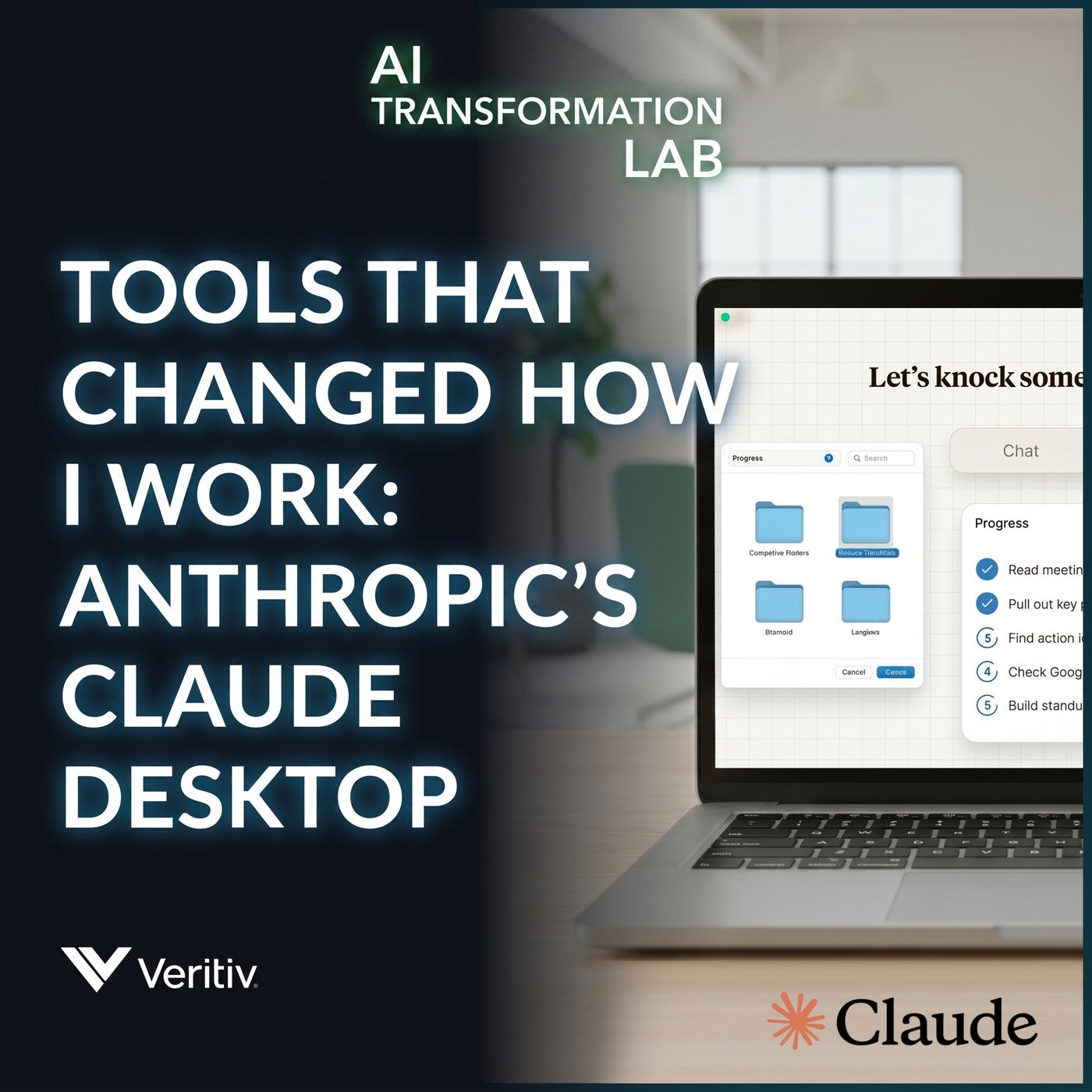
The big three AI labs are all building superapps — but each is packaging them differently. Google blurs everything together inside Antigravity. OpenAI is consolidating into Codex. Anthropic took a third path: three distinct surfaces inside one Claude desktop app — Chat, Cowork, and Code.
In this ep…

In Episode 1, I mentioned a competitive analysis I ran in thirty minutes that would have taken two weeks. A global network analysis — fifty-plus competitor locations, fifteen manufacturing hubs, proximity calculations, coverage gaps, and a full action plan for leadership.
I never finished that stor…
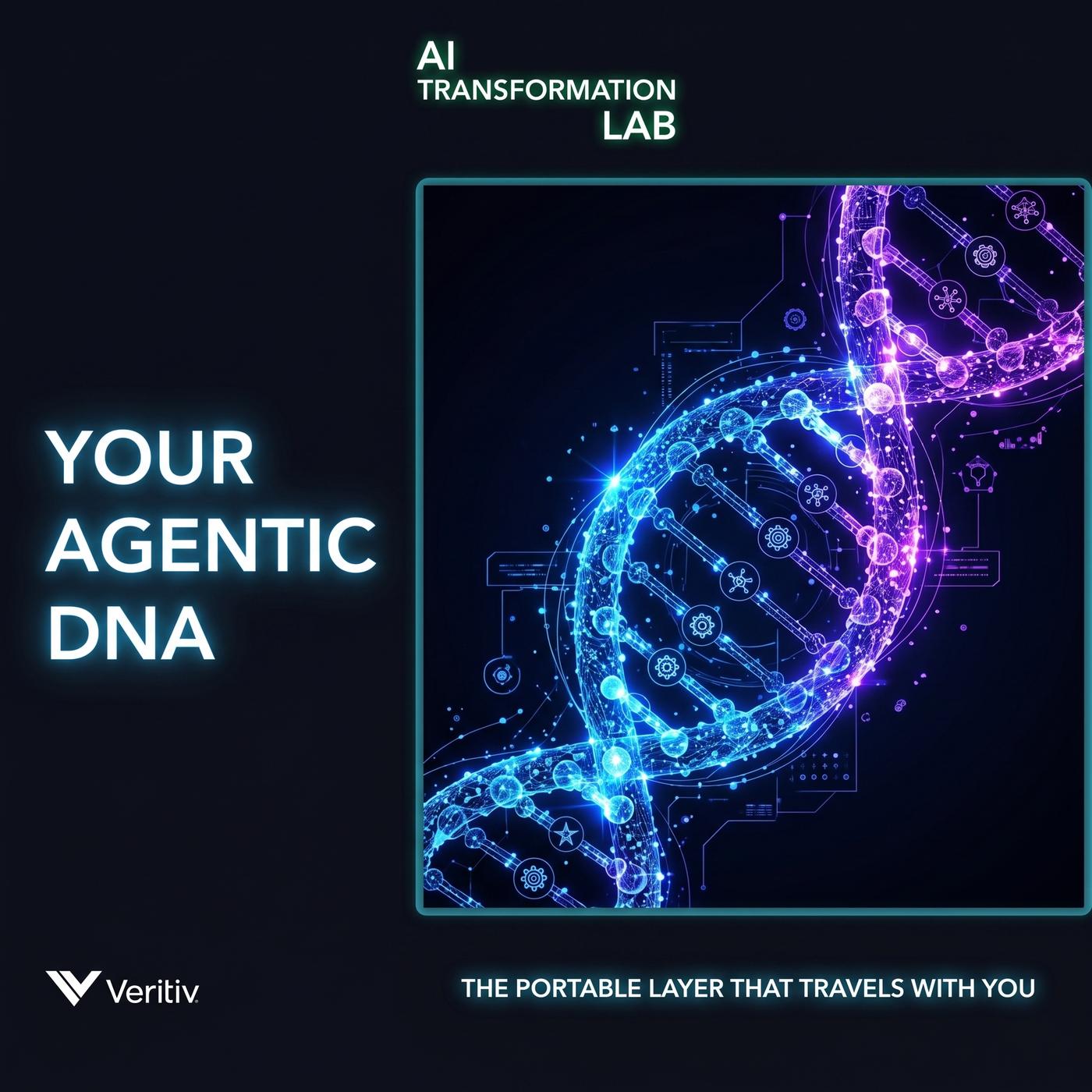
Four years of ChatGPT history. Two years of Claude projects. Custom instructions, saved memories, accumulated context built up across thousands of conversations. And then a new harness ships — Cowork, Claude Code, Codex — and suddenly the question isn't which AI do I use. It's how do I move what I'…

On April 16th, OpenAI shipped a capability expansion that turned Codex from a coding tool into a true agentic super app. Computer use, in-app browser, GPT Image 2.0, persistent memory, and a plugin ecosystem of ninety-plus integrations — layered on top of the desktop release from February.
The prac…
AI won't fix a broken process — it just helps you run it faster. That's the trap most organizations are walking into: pointing powerful agents at workflows that were never worth doing in the first place, and cementing the waste in place.
In this episode, Chris Bradley makes the case that Continuous…
Dichiarazione di non responsabilità: Il podcast e la grafica incorporati in questa pagina provengono da Veritiv, che è di proprietà del suo proprietario e non è affiliato o approvato da Listen Notes, Inc.
MODIFICA
Grazie, ci hai aiutato a mantenere aggiornato il database dei podcast.
