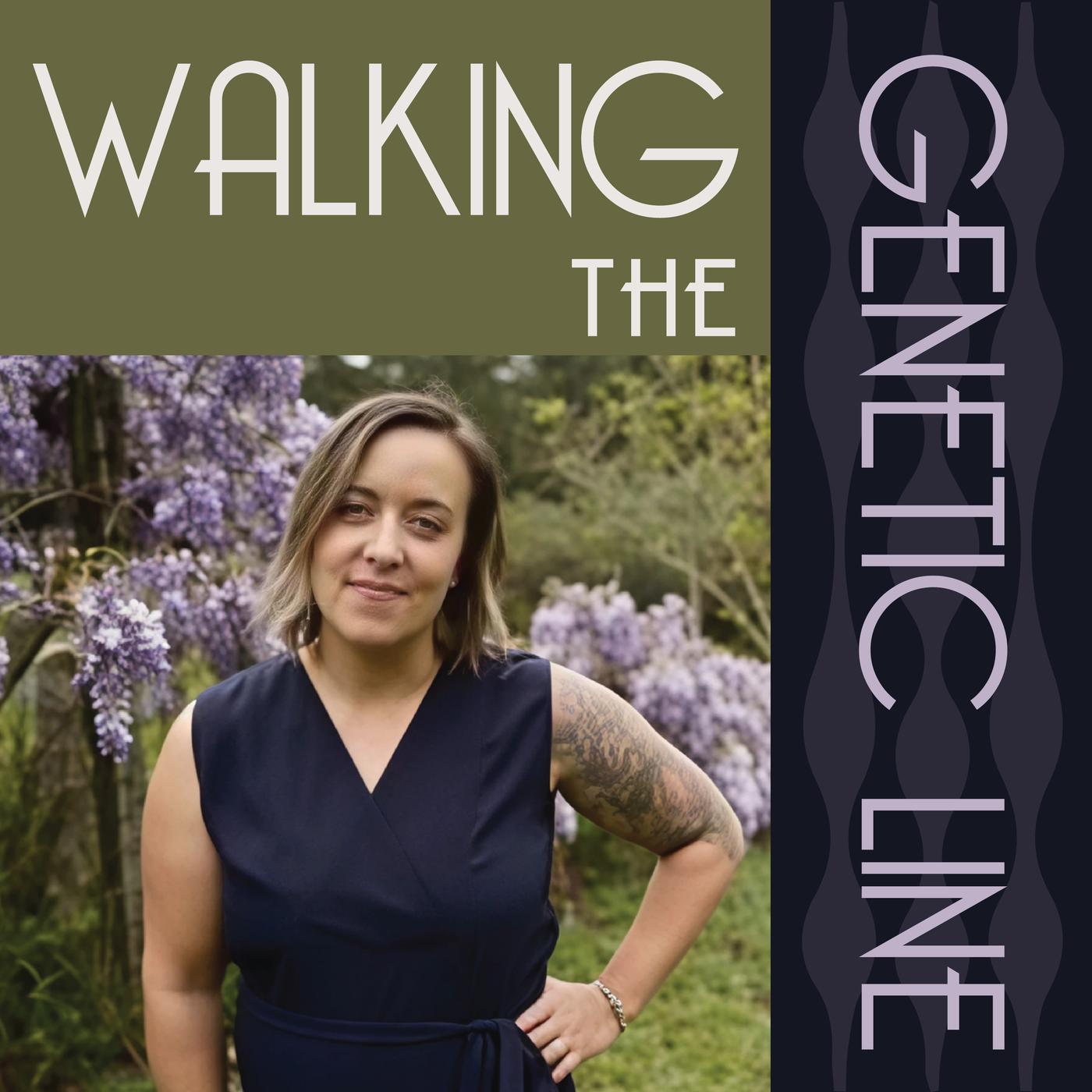

इस एपिसोड के बारे में
Guest: Ali Hall
Theme: Queer Identity, Bodily Autonomy, and the BRCA Diagnosis Nobody Saw Coming
_*]:min-w-0 gap-3"> _*]:min-w-0 gap-3">Episode Summary
_*]:min-w-0 gap-3">When Ali Hall stole a 23andMe kit from a family white elephant exchange, she wasn't looking for anything life-changing. Five years later, an email arrived while she was picking her kid up from school: her results had been updated. She had a BRCA mutation. What followed wasn't panic — and that itself is the story. Ali's response was shaped by something older than the diagnosis: a lifelong pattern of minimizing her own experience when people around her were suffering more visibly.
_*]:min-w-0 gap-3">What makes this conversation rare is the intersection Ali navigates without apology. As a queer, gender-expansive person living in Florida, going flat wasn't just a medical decision — it was a question of safety, identity, and what it finally meant to feel at home in her own body. Three weeks post-surgery, something unexpected happened: she stopped caring what other people thought. This episode sits at the crossroads of intergenerational emotional inheritance, bodily autonomy, and what it looks like when a medical intervention accidentally hands you the self-acceptance you were never quite given permission to claim.
_*]:min-w-0 gap-3"> _*]:min-w-0 gap-3">We Cover
_*]:min-w-0 gap-3">- The accidental diagnosis: How Ali discovered her BRCA mutation through a forgotten 23andMe test — and what it means to receive life-altering information you never sought out
- Minimizing your own risk as a survival pattern: Why Ali's first response was "this isn't a big deal" — and how being surrounded by people with active cancer taught her, long before any lab result, that her experience counted less
- Navigating prophylactic mastectomy in a queer body: The real safety calculations, identity considerations, and bodily autonomy questions that mainstream BRCA spaces don't make room for
- The noise problem: How well-meaning but homogenized Facebook groups pushed Ali back toward her own body knowledge — and why returning to herself was the most important decision she made
- Information, timing, and emotional maturity: Why Ali believes she made the right decision at exactly the right moment — and what she thinks happens when young people receive this diagnosis before they have the scaffolding to hold it
- Going flat and gaining ground: What happened to Ali's confidence three weeks after surgery — and why it surprised her
- The gap in hereditary cancer care: Why even world-class medical systems leave patients without trauma-informed emotional support after a BRCA diagnosis
Highlights & Takeaways
_*]:min-w-0 gap-3">- Minimizing your own risk is a survival pattern, not a personality trait. When people around you have "real" cancer, your genetic warning can feel like it doesn't count — and that belief has roots long before the diagnosis arrives.
- The body knows before the mind catches up. Ali knew she would go flat before she could fully articulate why. Fighting that knowledge — researching implants she never wanted — was the cost of not yet trusting herself.
- Prophylactic surgery carries different stakes in a queer body. The decision wasn't just medical. It was a calculation about safety, visibility, and what kind of presence Ali could have in the world after surgery.
- More information isn't always better. Ali raises a question this field rarely asks: what would have happened if she'd gotten this diagnosis at 25, before she had the emotional scaffolding to hold it?
- Sometimes the medical intervention is the least disruptive part. The harder work was learning to stop abandoning herself in service of everyone else's comfort — a pattern the diagnosis finally cracked open.
Content Note
_*]:min-w-0 gap-3">This episode discusses BRCA mutation, prophylactic mastectomy, queer identity and gender expression, bodily safety, parenting with genetic risk, and the emotional experience of unsought medical information.
_*]:min-w-0 gap-3"> _*]:min-w-0 gap-3">Resources Mentioned
_*]:min-w-0 gap-3">- FORCE (Facing Our Risk of Cancer Empowered): facingourrisk.org — national organization for hereditary cancer advocacy and peer support
- Fierce Flat Community: peer support for those who choose to go flat after mastectomy
- National Society of Genetic Counselors (NSGC): nsgc.org — find a certified genetic counselor for hereditary cancer risk
- Face the Risk Together: Sara Champie's support groups for people in California: sarachampielcsw.com
Connect
_*]:min-w-0 gap-3">If this conversation resonates, follow, rate, and share the show. Find Sara Champie on IG @FaceTheRiskTogether and sarachampielcsw.com for free resources and access to 1:1 and group support.
_*]:min-w-0 gap-3">You already speak this language — come walk the genetic line with us.
_*]:min-w-0 gap-3">_*]:min-w-0 gap-3">