

इस एपिसोड के बारे में

Compliance Is Becoming the Cost of Doing Business in Supply Chain
Compliance used to be something transportation and logistics companies could afford to treat as a back-office function. That era may be over.
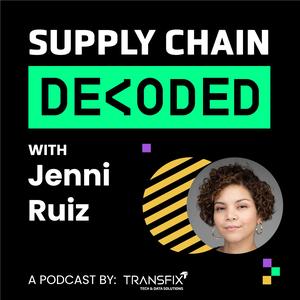
In this episode of Supply Chain Decoded, Jenni Ruiz sits down with Joe Hurst, Co-Founder and President of Veroot Compliance, to unpack the changing world of supply chain compliance, CTPAT, customs regulations, importer of record requirements, and freight broker liability.
At the center of the conversation is a new executive order reshaping expectations for foreign importers of record (FIORs) and the customs brokers that serve them. Joe breaks down what the changes could mean for companies importing goods into the United States, why CTPAT certification and validation are suddenly getting much more attention, and how businesses should prepare as compliance shifts from penalties after the fact toward proving eligibility and security upfront.
Jenni and Joe also decode the bigger compliance picture across transportation, including U.S. Customs and Border Protection (CBP), TSA air cargo security, cross-border freight, carrier vetting, documentation, audit trails, and the Montgomery v. Caribe Transport ruling affecting freight brokers and carrier selection.
In this episode:
* What CTPAT (Customs Trade Partnership Against Terrorism) actually is and how the program works
* The difference between CTPAT certification and validation
* What the new requirements could mean for foreign importers of record and customs brokers
* The operational benefits of becoming a CTPAT trusted trader
* Why cross-border shippers should be thinking about compliance before a deadline forces the issue
* How TSA cargo security, chain of custody, and carrier compliance fit into the larger picture
* Why freight brokers and logistics providers need a defensible documentation trail
* How the role of the compliance professional is becoming increasingly central to executive decision-making
* Why Joe believes transportation companies need to start treating compliance as a real investment, not an administrative afterthought
From customs and cross-border trade to trucking, air cargo, and freight brokerage, the message is increasingly clear: if you touch the shipment, you need to understand your responsibility for it.
For logistics companies wondering how much compliance is enough, Joe’s advice is simple: don’t wait until the penalty, lawsuit, customer requirement, or government deadline tells you.
--
Disclaimer: All views and opinions expressed in this podcast are those of the speakers and do not necessarily reflect the views or positions of Transfix, Inc. or any parent companies or affiliates or the companies with which the participants are affiliated, and may have been previously disseminated by them. The views and opinions expressed in this podcast are based upon information considered reliable, but neither Transfix, Inc. nor its affiliates, nor the companies with which such participants are affiliated, warrant its completeness or accuracy, and it should not be relied upon as such. All such views and opinions are subject to change.
Compliance used to be something transportation and logistics companies could afford to treat as a back-office function. That era may be over.
In this episode of Supply Chain Decoded, Jenni Ruiz sits down with Joe Hurst, Co-Founder and President of Veroot Compliance, to unpack the changing world of supply chain compliance, CTPAT, customs regulations, importer of record requirements, and freight broker liability.
At the center of the conversation is a new executive order reshaping expectations for foreign importers of record (FIORs) and the customs brokers that serve them. Joe breaks down what the changes could mean for companies importing goods into the United States, why CTPAT certification and validation are suddenly getting much more attention, and how businesses should prepare as compliance shifts from penalties after the fact toward proving eligibility and security upfront.
Jenni and Joe also decode the bigger compliance picture across transportation, including U.S. Customs and Border Protection (CBP), TSA air cargo security, cross-border freight, carrier vetting, documentation, audit trails, and the Montgomery v. Caribe Transport ruling affecting freight brokers and carrier selection.
In this episode:
* What CTPAT (Customs Trade Partnership Against Terrorism) actually is and how the program works
* The difference between CTPAT certification and validation
* What the new requirements could mean for foreign importers of record and customs brokers
* The operational benefits of becoming a CTPAT trusted trader
* Why cross-border shippers should be thinking about compliance before a deadline forces the issue
* How TSA cargo security, chain of custody, and carrier compliance fit into the larger picture
* Why freight brokers and logistics providers need a defensible documentation trail
* How the role of the compliance professional is becoming increasingly central to executive decision-making
* Why Joe believes transportation companies need to start treating compliance as a real investment, not an administrative afterthought
From customs and cross-border trade to trucking, air cargo, and freight brokerage, the message is increasingly clear: if you touch the shipment, you need to understand your responsibility for it.
For logistics companies wondering how much compliance is enough, Joe’s advice is simple: don’t wait until the penalty, lawsuit, customer requirement, or government deadline tells you.
--
Disclaimer: All views and opinions expressed in this podcast are those of the speakers and do not necessarily reflect the views or positions of Transfix, Inc. or any parent companies or affiliates or the companies with which the participants are affiliated, and may have been previously disseminated by them. The views and opinions expressed in this podcast are based upon information considered reliable, but neither Transfix, Inc. nor its affiliates, nor the companies with which such participants are affiliated, warrant its completeness or accuracy, and it should not be relied upon as such. All such views and opinions are subject to change.
अंग्रेज़ी
संयुक्त राज्य अमरीका
अनुलिपि 🔗
Are you the producer of this podcast?
Add a podcast transcript
Need Audio-to-Text?
Transcribe with Listen411 in Just 60 Seconds
इस पॉडकास्ट के अन्य एपिसोड

This week on The Transfix Take, Jenni Ruiz and NFI's Justin Maze unpack a freight market that's holding steady on the surface, but showing signs of change underneath.
With shippers rushing to front-load inventory ahead of looming tariff deadlines, import volumes climbing, and uncertainty surroundi…
What does more than six decades in freight brokerage teach you about navigating today’s most pressing risks?
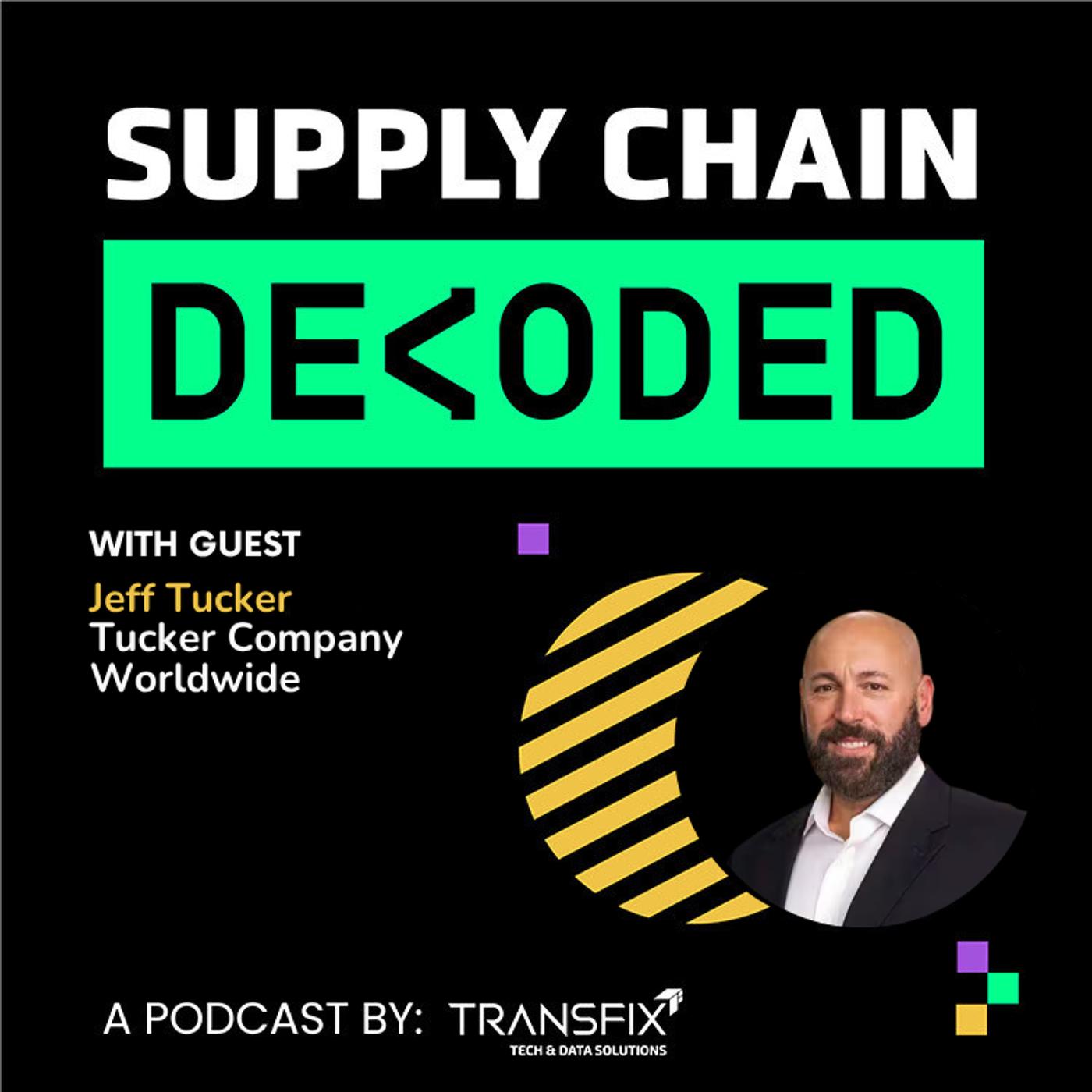
In this episode of Supply Chain Decoded, Jenni Ruiz sits down with Jeff Tucker, third-generation CEO of Tucker Company Worldwide, to explore how freight brokerage has evolved from index car…

The freight market is finally cooling after an unexpectedly tight July, but that does not mean rates are returning to their old lows.
This week, Jenni Ruiz and NFI market expert Justin Maze unpack the late-summer slowdown, including how tariff-driven import front-loading, persistent driver constra…

The freight market is loosening as summer winds down, but the question is how long that relief will last.
This week on the Transfix Take Podcast, Jenni Ruiz and NFI Industries market expert Justin Maze break down falling tender rejections, easing linehaul rates, and the regional shifts shaping the…
अस्वीकरण: इस पृष्ठ पर एम्बेडेड पॉडकास्ट और कलाकृति Transfix से हैं, जो इसके मालिक की संपत्ति है और Listen Notes, Inc. से संबद्ध या समर्थित नहीं है।
संपादित करें
पॉडकास्ट डेटाबेस को अपडेटेड रखने में मदद के लिए धन्यवाद।
