

इस एपिसोड के बारे में
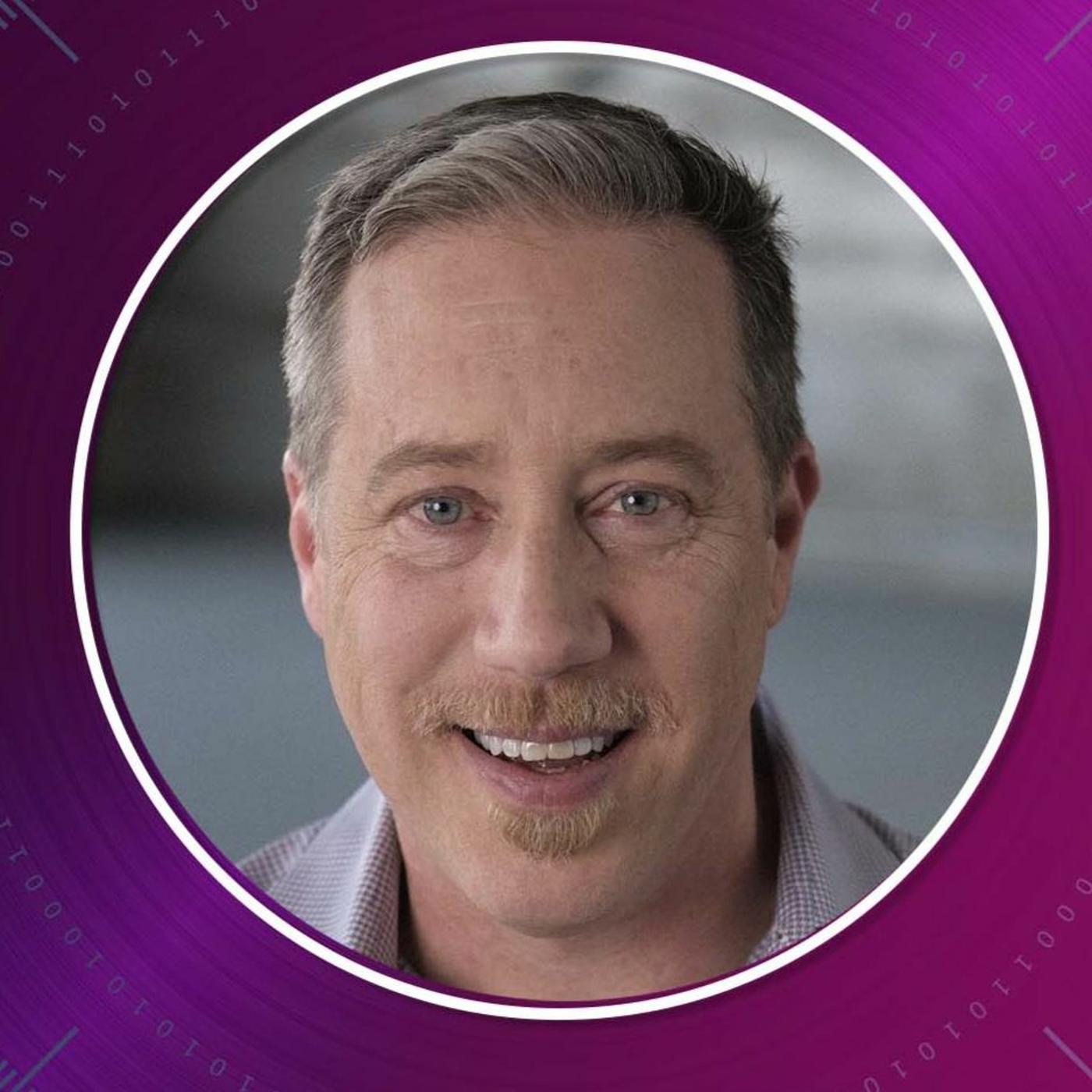
We all love to talk about our ‘multi-cloud’ stories and strategies, but the fact is most organizations go ‘multi-cloud’ by accident. Different teams within an organization pick their own cloud and they end up with ‘accidental’ multi-cloud, which leads to more complexities and problems. In this episode of Let’s Talk, Tim Wagner, CEO of Vendia, talks about such accidental multi-cloud deployments, what challenges they pose and what are the correct steps to embrace a truly multi-cloud strategy. He also talks about the concept of “Polycloud”, which he believes is the right way to approach ‘many’ clouds.
This discussion covers a wide range of topics including how companies fall into the trap of accidental multi-cloud, what role cross-cloud solutions like containers and Kubernetes play in accidental multi-cloud, and what are the side-effects of accidental multi-cloud beyond cost. Next, we take a deep dive into the Polycloud and how different it is from multi-cloud. Will we ever achieve cloud nirvana where users can run their workloads in ‘any’ cloud without having to worry about data gravity and getting locked into one vendor? We also talk about Vendia’s solution to address this problem and also ask Tim to share some tips on how to have a coherent and concrete multi-cloud strategy.
Show: Let’s Talk
Guest: Tim Wagner (LinkedIn, Twitter)
Company: Vendia
Topics: Cloud Computing
About the guest: Tim Wagner is CEO of Vendia, and formerly kick-started the serverless movement with the development of AWS Lambda.
About the company: Vendia is a serverless, distributed data platform for sharing data and code in real time across clouds, teams, and partners. Vendia is designed to be simple to use and easy to deploy by bringing together the ease-of-use and unlimited scalability of serverless, with the decentralization benefits of distributed ledgers so that enterprise IT can access and manage data easily, securely, and at scale, no matter where it resides.
This discussion covers a wide range of topics including how companies fall into the trap of accidental multi-cloud, what role cross-cloud solutions like containers and Kubernetes play in accidental multi-cloud, and what are the side-effects of accidental multi-cloud beyond cost. Next, we take a deep dive into the Polycloud and how different it is from multi-cloud. Will we ever achieve cloud nirvana where users can run their workloads in ‘any’ cloud without having to worry about data gravity and getting locked into one vendor? We also talk about Vendia’s solution to address this problem and also ask Tim to share some tips on how to have a coherent and concrete multi-cloud strategy.
Show: Let’s Talk
Guest: Tim Wagner (LinkedIn, Twitter)
Company: Vendia
Topics: Cloud Computing
About the guest: Tim Wagner is CEO of Vendia, and formerly kick-started the serverless movement with the development of AWS Lambda.
About the company: Vendia is a serverless, distributed data platform for sharing data and code in real time across clouds, teams, and partners. Vendia is designed to be simple to use and easy to deploy by bringing together the ease-of-use and unlimited scalability of serverless, with the decentralization benefits of distributed ledgers so that enterprise IT can access and manage data easily, securely, and at scale, no matter where it resides.
अंग्रेज़ी
संयुक्त राज्य अमरीका
अनुलिपि 🔗
Are you the producer of this podcast?
Add a podcast transcript
Need Audio-to-Text?
Transcribe with Listen411 in Just 60 Seconds
पिछले एपिसोड्स खोजें
TFIR: Open Source, Cloud Native & AI/ML के पिछले एपिसोड खोजें।
इस पॉडकास्ट के अन्य एपिसोड
Summary: Ondat is a Kubernetes-native platform for running stateful applications, anywhere, at scale. The company recently announced Trousseau, an open source project for the encryption of resources and in particular, the encryption of Kubernetes Secret. We sat down with Nic Vermande, Principal Dev…
Learn more about Puppet Relay: https://puppet.com/products/relay/
Puppet announced the general availability of Relay recently. We hosted Deepak Giridharagopal, CTO of Puppet to learn more about the project. He said that Relay is based on a couple of core hypotheses. If you are an ops type of person…
Observability is key to your cloud strategy
According to anynines, observability is defined as The value for how well the internal state of a system can be derived from external sources. Although monitoring can warn you of failure, observability can help you discover why something failed.
Patrick…
The Amazon EKS community has added support for Loft Labs’ open source project vcluster, which enables you to spin up lightweight, virtual Kubernetes clusters inside the namespaces of an underlying Kubernetes cluster. In this episode of Newsroom, Swapnil Bhartiya sits down with Lukas Gentele, Co-Fou…
अस्वीकरण: इस पृष्ठ पर एम्बेडेड पॉडकास्ट और कलाकृति TFiR Media LLC से हैं, जो इसके मालिक की संपत्ति है और Listen Notes, Inc. से संबद्ध या समर्थित नहीं है।
संपादित करें
पॉडकास्ट डेटाबेस को अपडेटेड रखने में मदद के लिए धन्यवाद।
