

אודות פרק זה
In an age where critical infrastructure, democratic processes and public services all depend on digital technology, the stakes for getting cybersecurity right have never been higher. A ransomware attack can shut down a country’s health service overnight, and AI now makes it possible to fabricate passports, clone voices and impersonate anyone convincingly. The question is no longer whether something will go wrong - it is how we build the foundations to bounce back when it does.
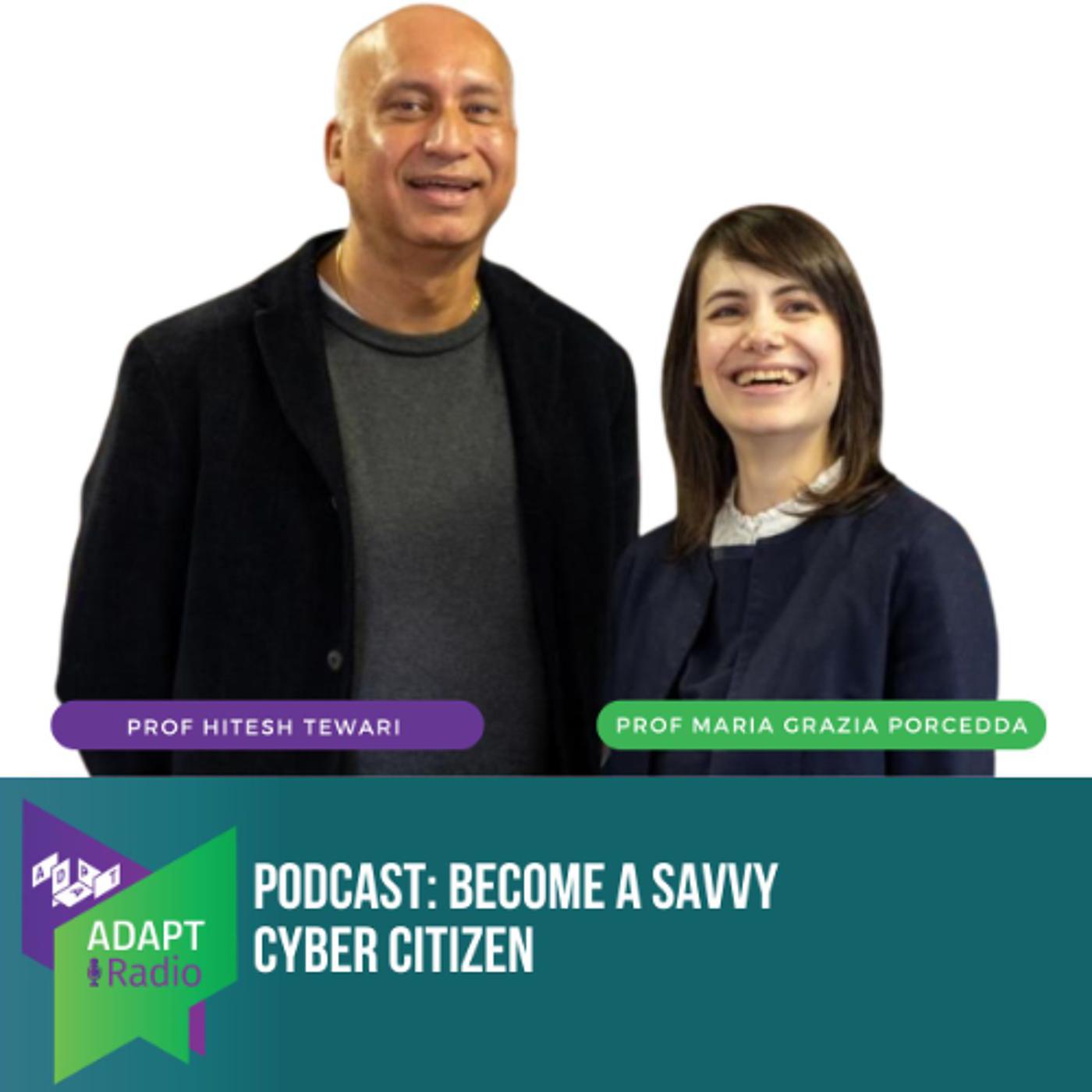
Professor Hitesh Tewari and Dr Maria Grazia Porcedda join Dr. Claire O’Connell to discuss the newly launched Trinity Centre for Digital Security and Societal Resilience at Trinity College Dublin. They explore what separates digital security from societal resilience, how zero-knowledge proofs could reshape how we prove our identity online, and why cybersecurity is too important to be left to computer scientists alone. They also share their personal journeys into the field, from blockchain research to EU law, and lay out their ambitions for turning the centre into a nationally funded, cross-Ireland research hub.
THINGS WE SPOKE ABOUT
What digital security and societal resilience actually mean, and why we need both
The 2021 HSE ransomware attack as a wake-up call for Ireland
How AI is enabling identity fraud, deepfakes and document forgery
Zero-knowledge proofs: proving who you are without revealing your data
Protecting Ireland’s undersea cables and critical digital infrastructure
The newly launched Trinity Centre for Digital Security and Societal Resilience
Top tips for everyday digital security — and why individual responsibility only goes so far
GUEST DETAILS
Prof. Hitesh Tewari leads the Applied Cryptography Research Lab at Trinity College Dublin, where his research spans Security, Applied Cryptography, Privacy, and Decentralisation. He co-authored Electronic Payment Systems, and has since focused on the broader application of Blockchain technology across areas including public health and personal privacy. A member of the Ripple UBRI professorial network, his lab most recently released zkBallot in 2025 — a privacy-preserving electronic voting platform delivering both voter anonymity and public auditability.
Maria Grazia Porcedda is Assistant Professor of IT Law at Trinity College Dublin, specialising in privacy, data protection, cybersecurity, and cybercrime at the intersection of law and technology. She is the author of Cybersecurity, Privacy and Data Protection in EU Law (Hart Publishing) and has advised the EU Directorate General for Development and Cooperation on cyber capacity building. Her policy-oriented, interdisciplinary scholarship is supported by several research awards, and she holds a PhD in Law from the European University Institute, where her thesis examined cybersecurity and privacy rights in EU law.
Connect with the Guests:
Prof. Hitesh Tewari
Website: https://www.tcd.ie/research/profiles/?profile=htewari
Social Media: https://www.linkedin.com/in/hiteshtewari/
Maria Grazia Porcedda
Website: https://www.tcd.ie/research/profiles/?profile=mariagrp
Social Media: https://www.linkedin.com/in/mariagraziaporcedda/
Professor Hitesh Tewari and Dr Maria Grazia Porcedda join Dr. Claire O’Connell to discuss the newly launched Trinity Centre for Digital Security and Societal Resilience at Trinity College Dublin. They explore what separates digital security from societal resilience, how zero-knowledge proofs could reshape how we prove our identity online, and why cybersecurity is too important to be left to computer scientists alone. They also share their personal journeys into the field, from blockchain research to EU law, and lay out their ambitions for turning the centre into a nationally funded, cross-Ireland research hub.
THINGS WE SPOKE ABOUT
What digital security and societal resilience actually mean, and why we need both
The 2021 HSE ransomware attack as a wake-up call for Ireland
How AI is enabling identity fraud, deepfakes and document forgery
Zero-knowledge proofs: proving who you are without revealing your data
Protecting Ireland’s undersea cables and critical digital infrastructure
The newly launched Trinity Centre for Digital Security and Societal Resilience
Top tips for everyday digital security — and why individual responsibility only goes so far
GUEST DETAILS
Prof. Hitesh Tewari leads the Applied Cryptography Research Lab at Trinity College Dublin, where his research spans Security, Applied Cryptography, Privacy, and Decentralisation. He co-authored Electronic Payment Systems, and has since focused on the broader application of Blockchain technology across areas including public health and personal privacy. A member of the Ripple UBRI professorial network, his lab most recently released zkBallot in 2025 — a privacy-preserving electronic voting platform delivering both voter anonymity and public auditability.
Maria Grazia Porcedda is Assistant Professor of IT Law at Trinity College Dublin, specialising in privacy, data protection, cybersecurity, and cybercrime at the intersection of law and technology. She is the author of Cybersecurity, Privacy and Data Protection in EU Law (Hart Publishing) and has advised the EU Directorate General for Development and Cooperation on cyber capacity building. Her policy-oriented, interdisciplinary scholarship is supported by several research awards, and she holds a PhD in Law from the European University Institute, where her thesis examined cybersecurity and privacy rights in EU law.
Connect with the Guests:
Prof. Hitesh Tewari
Website: https://www.tcd.ie/research/profiles/?profile=htewari
Social Media: https://www.linkedin.com/in/hiteshtewari/
Maria Grazia Porcedda
Website: https://www.tcd.ie/research/profiles/?profile=mariagrp
Social Media: https://www.linkedin.com/in/mariagraziaporcedda/
אנגלית
ארצות הברית
תעתיק 🔗
Are you the producer of this podcast?
Add a podcast transcript
Need Audio-to-Text?
Transcribe with Listen411 in Just 60 Seconds
פרקים אחרים בפודקאסט הזה
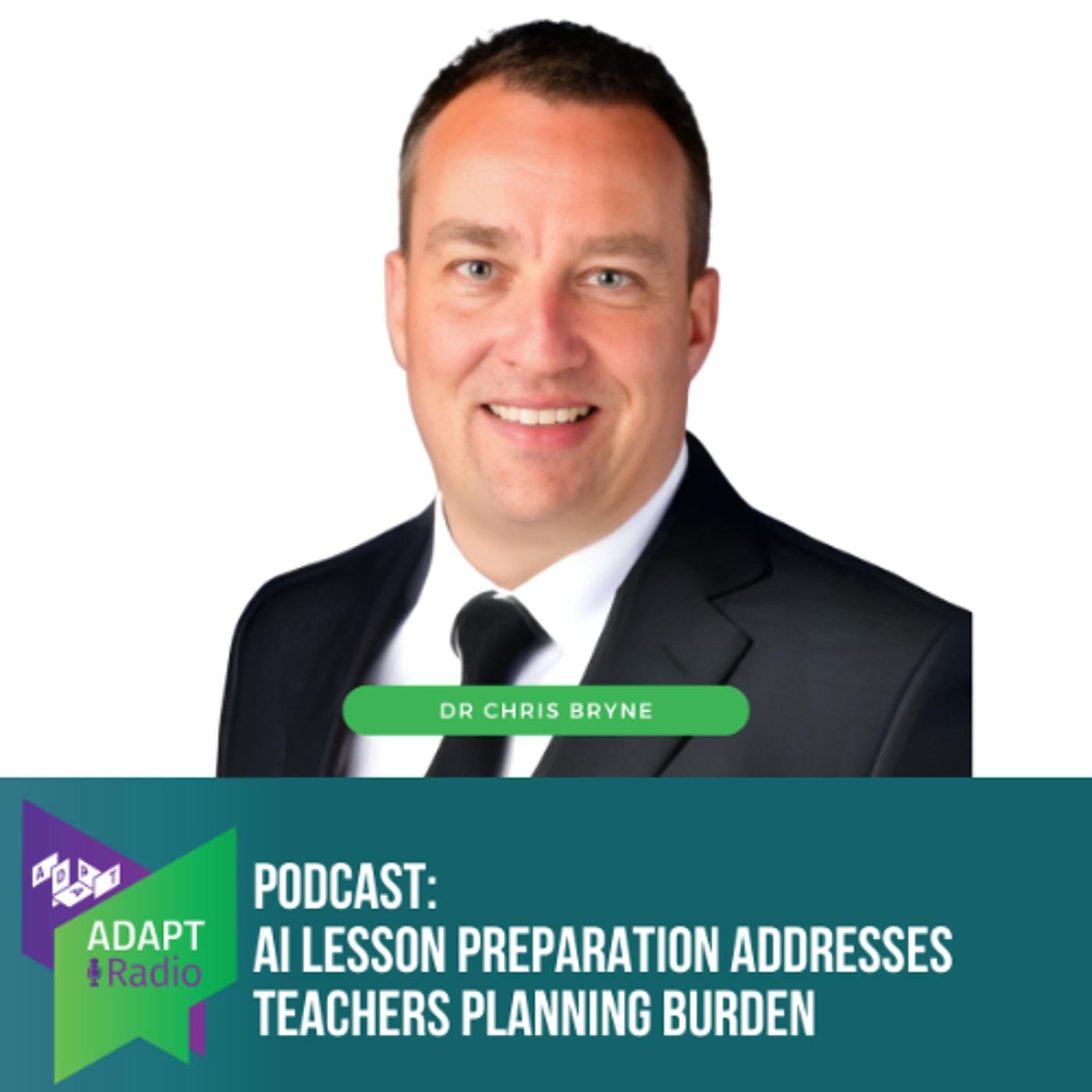
Teachers face overwhelming preparation burden as global education shifts toward personalised learning and outcomes based curricula without adequate infrastructure support creating fragmented system between teachers, students, school leaders and departments.
Dr Chris Byrne, founder and CEO of MESO…
Local government faces challenge implementing generative AI ethically whilst maintaining public trust and data security as new EU AI Act regulations require basic AI literacy training for staff.
Khizer Ahmed Biyabani, researcher with ADAPT at Trinity College Dublin and 2025 Digital
Transformatio…

When your AI agent books a rental car, it needs your driver's license, credit card, calendar access and permission to message your contacts—creating what Meredith Whittaker calls "fundamental backdoor" threatening apps like Signal.
At ADAPT ADVANCE 2025, Signal Foundation President and AI Now In…
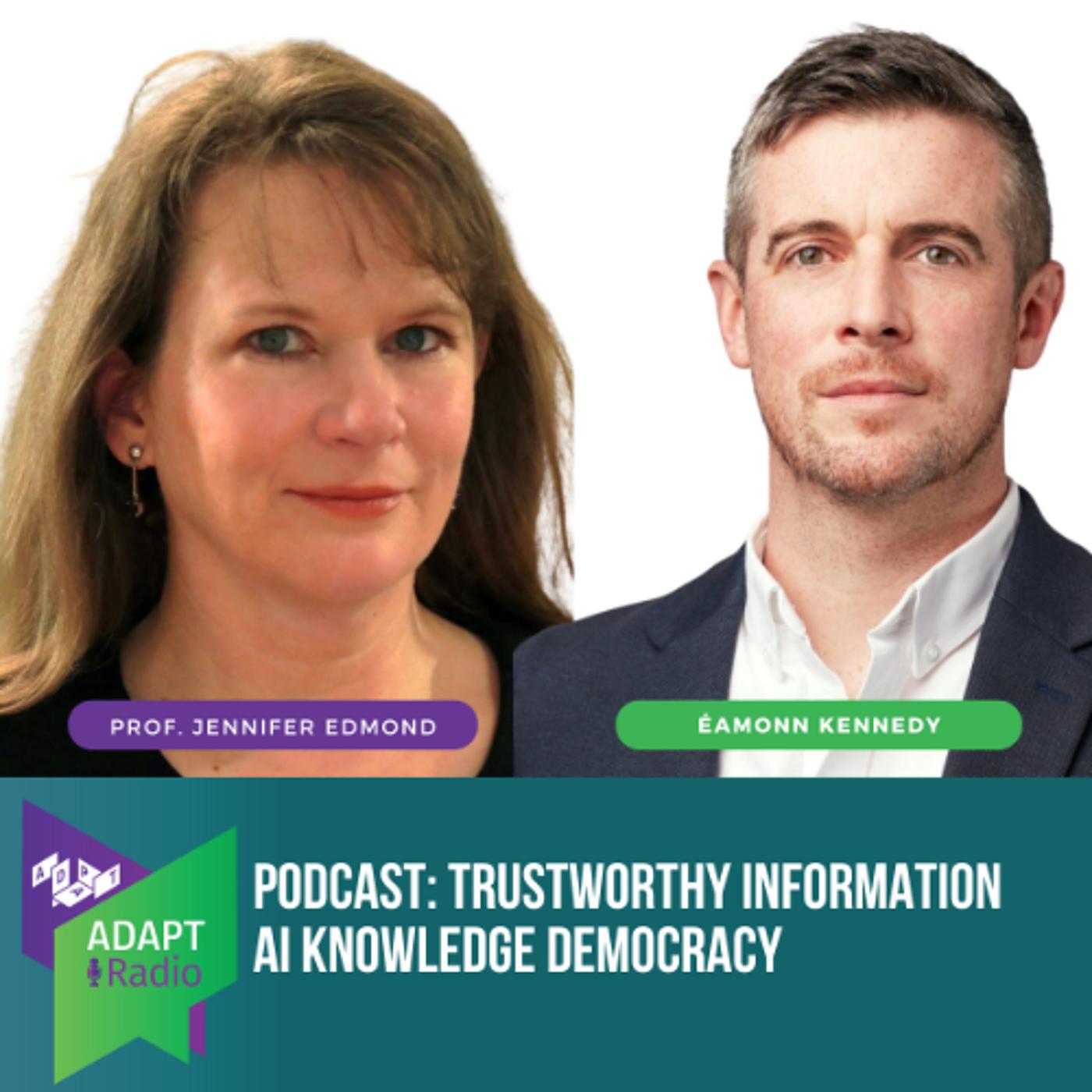
Trustworthy information faces crisis as overwhelming content volume pushes people toward single trusted voices yet statistical language models trained on internet data produce plausible but sometimes incorrect answers lacking true intelligence or understanding.
Professor Jennifer Edmond, Director …

Ireland's territorial waters are among Europe's largest, yet monitoring this vast maritime expanse for unauthorized vessels, environmental threats, and infrastructure protection remains an enormous challenge with current surveillance technologies.
Professor Marco Ruffini and Dr. John Kennedy from…
הצהרה: הפודקאסט והגרפיקה המוטבעים בדף זה הם מ-The ADAPT Centre, שהוא רכושו של בעליו ואינו קשור או מאושר על ידי Listen Notes, Inc.
