
TUNGKOL SA EPISODE NA ITO
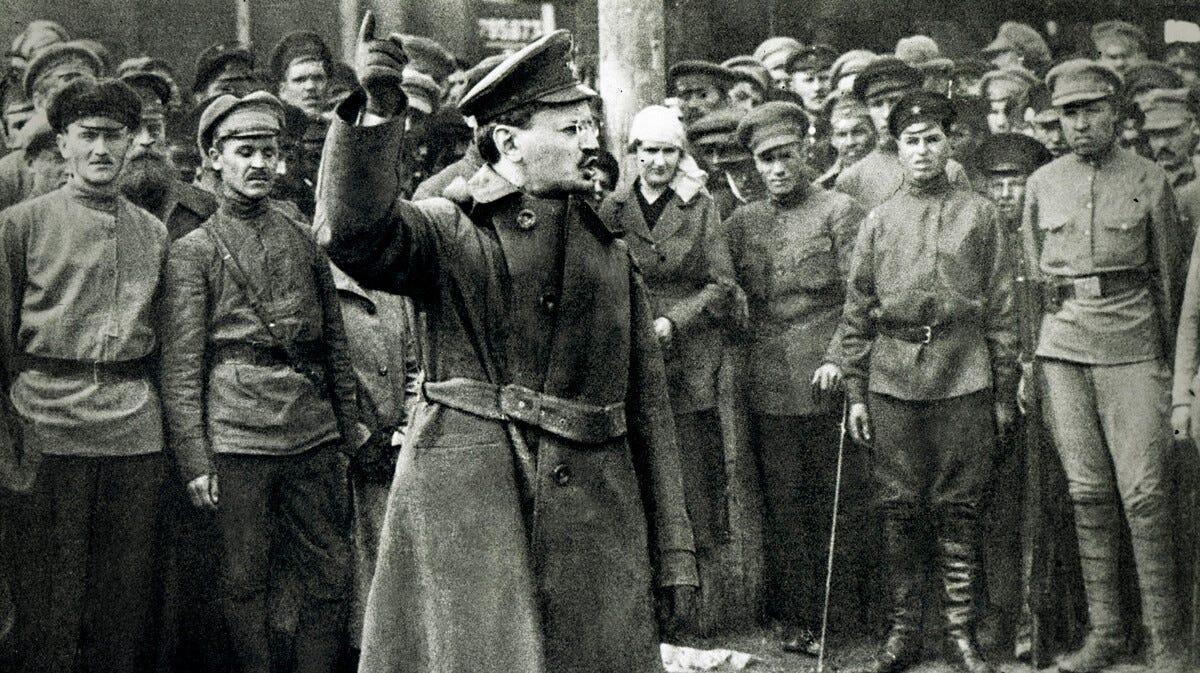
Trotsky helped lead the October Revolution, built the Red Army, and saw himself as Lenin’s political heir. Yet within a few years, he was exiled, erased from Soviet history, and eventually murdered in Mexico by a Stalinist agent.
So what happened?
Was Trotsky simply outmanoeuvred by a more effective political operator—or was the revolution itself transformed into something he no longer recognised?
In this episode, we break down the strongest arguments on both sides:
* The “Inevitable Loser” Thesis: Why Trotsky’s elitism, factional isolation, and contempt for party bureaucracy left him unable to compete with Stalin’s organisational machine.
* The General Secretary Trap: How Stalin used the Orgotdel, the nomenklatura system, and the Party Secretariat to quietly build a loyal bureaucratic empire inside the USSR.
* Lenin’s Final Alliance: The explosive “Georgian Affair,” Lenin’s final letters, and the failed attempt to form a bloc against Stalin before Lenin’s death.
* The Ban on Factions: How Trotsky helped create the very mechanisms later used to destroy the Left Opposition.
* Permanent Revolution vs. Socialism in One Country: The ideological split that defined the future of the Soviet Union after the failure of the German Revolution.
* The Revolution Betrayed: Trotsky’s argument that the USSR had become a “degenerated workers’ state” ruled not by workers, but by a bureaucratic caste.
* The Great Terror and the “Amalgam”: Why Stalin’s regime didn’t just defeat Trotsky politically—it attempted to erase him historically.
This episode asks a deeper question that still matters today:
Can revolutions survive bureaucracies—or do successful revolutions inevitably create new ruling classes of their own?
Thanks for reading Fault Lines Politics! Subscribe free — essays on political theory, history, and power, delivered fortnightly.
This is a public episode. If you would like to discuss this with other subscribers or get access to bonus episodes, visit faultlinespolitics.substack.com