

TUNGKOL SA EPISODE NA ITO

Orgs don't have to wait for the next zero-day, the next batch of 1,000 CVEs, or the next exploit in the wild to harden their defenses. Rob Allen talks about turning an expectation of "assume breach" into proactive defenses based on zero trust. We also discuss why "assume breach" doesn't have to be a pessimistic stance or even one that presumes malicious intent. After all, with so many agents being adopted throughout an org, restricting access and adding observability reduces the side-effects of agents taking actions you didn't expect regardless of what they were prompted to do.
This segment is sponsored by ThreatLocker. Visit https://securityweekly.com/threatlocker to learn more about them!
Show Notes: https://securityweekly.com/asw-409
Ingles
Estados Unidos
KOPYA NG SALIN 🔗
Are you the producer of this podcast?
Add a podcast transcript
Need Audio-to-Text?
Transcribe with Listen411 in Just 60 Seconds
I-SEARCH ANG MGA NAKARAANG EPISODE
I-search ang mga nakaraang episode ng Application Security Weekly (Video).
IBA PANG MGA EPISOD SA PODCAST NA ITO
We showcase recordings from this year's Black Hat.
The Hidden Risks of the AI Supply Chain - Black Hat interview with Michael Leland, VP and Field CTO of Island
Agents can independently discover and install tools, but the emerging ecosystem of Skills and MCP servers lacks many of the trust and se…
AppSec has always emphasized techniques and tools for discovering vulns, along with taxonomies and lists for describing them. But just piling up more CVEs into a prioritized patching queue has never been an effective strategy. Nidhi Aggarwal talks about some of the economics and decisions that orgs…

Finding flaws with LLMs and agents is changing bug bounty programs. But it's not necessarily changing how orgs fix those flaws. Shlomie Liberow shares his experience across a decade of bounty programs and how they have changed for researchers and orgs. He explains why fixing the bug reported throug…
Prompt injection demonstrates one of the major challenges in securing LLMs and agents -- how do you ensure an agent ignores attackers and only does what you instructed it to do. The flaw highlights how LLMs mix inputs, context, and outputs without any strict boundaries between them. Julie Brunias j…
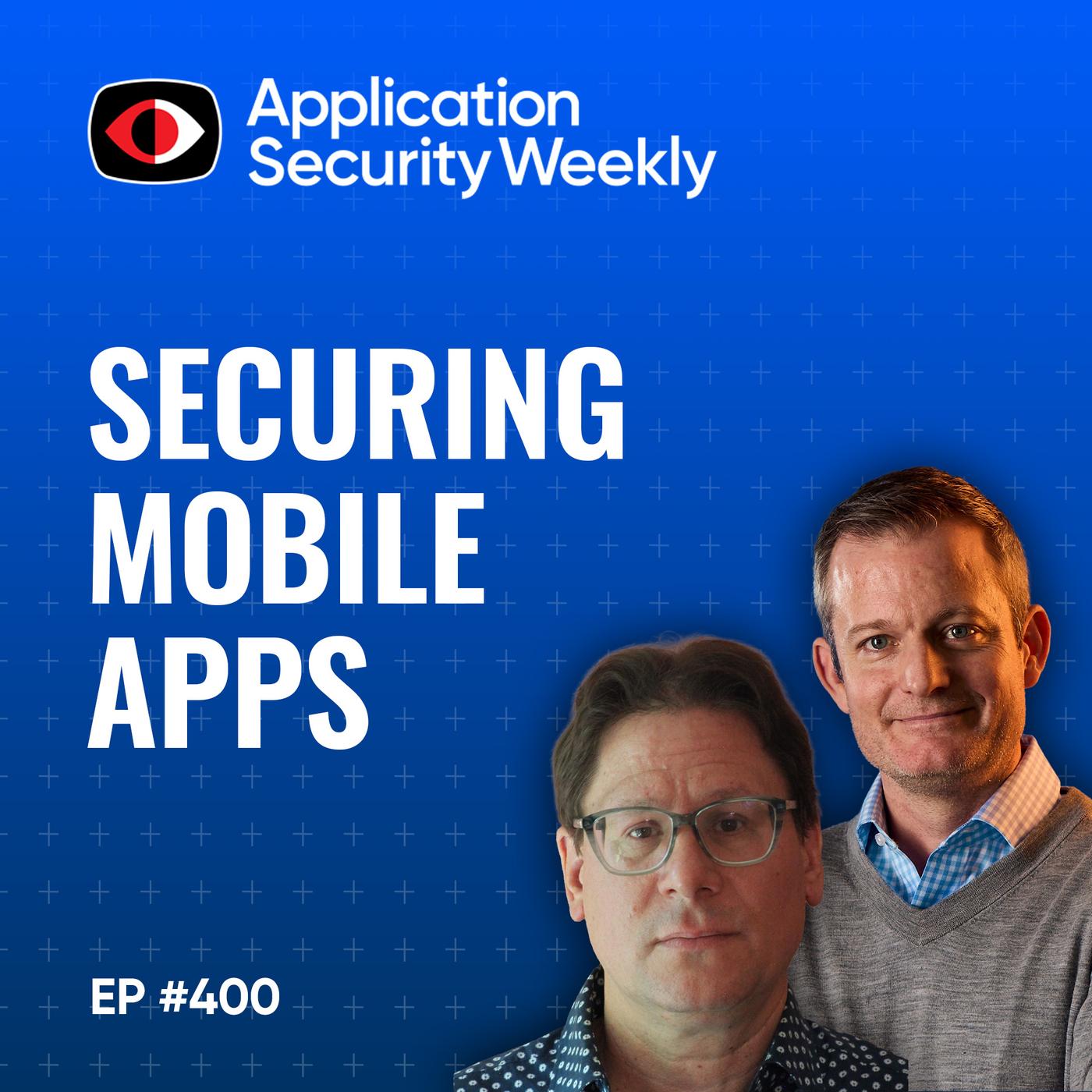
While agents and LLMs haven't fundamentally changed core mobile vulnerability types, they have supercharged speed, scale, and accessibility—democratizing threats like automated phishing, synthetic identity fraud, and easier identification of hard-coded secrets. Ryan Lloyd and Jason Cortlund break d…
Paunawa: Ang podcast at artwork na naka-embed sa page na ito ay mula sa Mike Shema, na pag-aari ng may-ari nito at hindi kaakibat o ineendorso ng Listen Notes, Inc.
I-EDIT
Salamat sa pagtulong na mapanatiling naka-update ang database ng podcast.
