


WEBVTT
00:00:00.000 --> 00:00:05.440
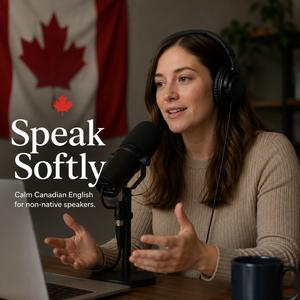
Everyday Canadian phrases episode two, polite requests, and asking for help topic.
00:00:05.441 --> 00:00:08.080
How to ask for things politely the Canadian way one?
00:00:09.040 --> 00:00:12.560
Opening hello, and welcome back to everyday Canadian phrases.
00:00:13.520 --> 00:00:14.720
I'm glad you're here.
00:00:15.680 --> 00:00:20.800
In this series, we are learning the kind of English that you can actually use in everyday Canadian life.
00:00:21.840 --> 00:00:23.760
Not just English from a textbook.
00:00:24.800 --> 00:00:26.240
Not just grammar rules.
00:00:27.200 --> 00:00:32.320
We are looking at the small phrases, tones, and habits that help you sound natural, comfortable,
00:00:32.321 --> 00:00:34.720
and respectful when you speak with people in Canada.
00:00:35.600 --> 00:00:38.560
Today, we are going to talk about something very practical.
00:00:39.440 --> 00:00:41.280
How do you ask for something politely?
00:00:42.160 --> 00:00:43.840
How do you ask someone for help?
00:00:44.720 --> 00:00:47.280
How do you ask a question without sounding demanding?
00:00:48.160 --> 00:00:52.400
And how do you say what you need while still giving the other person some space to respond?
00:00:53.360 --> 00:00:56.400
These are simple skills, but they can make a very big difference.
00:00:57.440 --> 00:00:59.680
You may already know many English words.
00:01:00.720 --> 00:01:02.880
You may understand what people are saying.
00:01:03.920 --> 00:01:05.520
You may even have good grammar.
00:01:06.480 --> 00:01:09.200
But sometimes, the difficult part is not the grammar.
00:01:10.080 --> 00:01:12.720
The difficult part is knowing how direct you should be.
00:01:13.680 --> 00:01:16.320
For example, imagine you are in a coffee shop.
00:01:17.280 --> 00:01:18.640
You need a glass of water.
00:01:19.600 --> 00:01:21.440
You could say, give me some water.
00:01:22.400 --> 00:01:24.000
The sentence is understandable.
00:01:24.960 --> 00:01:26.160
The grammar is simple.
00:01:27.040 --> 00:01:30.320
But in most everyday situations, it sounds too direct.
00:01:31.280 --> 00:01:34.560
Instead, you might say, could I have a glass of water, please?
00:01:35.600 --> 00:01:38.000
That small change makes the request softer.
00:01:38.880 --> 00:01:42.320
Or imagine you are at work and you need help with a computer problem.
00:01:43.280 --> 00:01:45.120
You could say, help me with this.
00:01:46.080 --> 00:01:47.680
Again, the meaning is clear.
00:01:48.560 --> 00:01:52.240
But a more natural request might be, could you help me with this when you have a
00:01:52.241 --> 00:01:52.640
minute?
00:01:53.680 --> 00:01:55.760
Now the request sounds more considerate.
00:01:56.800 --> 00:01:59.360
This is an important idea for today's episode.
00:02:00.320 --> 00:02:04.960
Politeness in Canadian English is often not about using complicated vocabulary.
00:02:05.840 --> 00:02:08.080
It is often about how you frame the request.
00:02:09.120 --> 00:02:12.160
Framing means the way you introduce and present an idea.
00:02:13.120 --> 00:02:16.400
You can ask for exactly the same thing in several different ways.
00:02:17.440 --> 00:02:18.800
Some ways sound direct.
00:02:19.840 --> 00:02:20.960
Some sound neutral.
00:02:21.920 --> 00:02:23.760
Some sound warm and considerate.
00:02:24.640 --> 00:02:27.680
And some can sound too formal for everyday conversation.
00:02:28.640 --> 00:02:31.520
Today, we are going to learn how to choose the right level.
00:02:32.560 --> 00:02:35.440
One thing I want you to remember from the beginning is this,
00:02:35.441 --> 00:02:37.280
being polite does not mean being weak.
00:02:38.320 --> 00:02:40.640
It does not mean apologizing for everything.
00:02:41.600 --> 00:02:43.440
It does not mean avoiding your needs.
00:02:44.480 --> 00:02:47.040
And it does not mean using very long sentences.
00:02:48.000 --> 00:02:50.480
A polite request can be clear and confident.
00:02:51.440 --> 00:02:53.680
For example, could you send me that file?
00:02:54.640 --> 00:02:55.520
That is polite.
00:02:56.480 --> 00:02:57.920
Would you mind closing the door?
00:02:58.960 --> 00:02:59.840
That is polite.
00:03:00.720 --> 00:03:02.320
Can I ask you a quick question?
00:03:03.360 --> 00:03:04.240
That is polite.
00:03:05.200 --> 00:03:06.720
Could I get a little help with this?
00:03:07.840 --> 00:03:08.720
That is polite.
00:03:09.680 --> 00:03:11.680
You are still asking for what you need.
00:03:12.640 --> 00:03:16.000
You are simply giving the other person a respectful way to respond.
00:03:17.040 --> 00:03:20.400
This is especially useful if English is not your first language.
00:03:21.440 --> 00:03:25.040
Sometimes learners think they need to speak more formally to sound polite.
00:03:26.000 --> 00:03:30.320
They may say things like, I would be greatly appreciative if you could possibly provide
00:03:30.321 --> 00:03:31.840
me with the requested information.
00:03:32.880 --> 00:03:34.960
That sentence is grammatically possible.
00:03:35.920 --> 00:03:39.440
But in an ordinary conversation, it can sound much too formal.
00:03:40.320 --> 00:03:45.040
A Canadian colleague might simply say, could you send me that information when you get a chance?
00:03:46.080 --> 00:03:46.560
Short.
00:03:47.520 --> 00:03:47.920
Clear.
00:03:48.960 --> 00:03:49.520
Natural.
00:03:50.480 --> 00:03:51.040
Friendly.
00:03:52.000 --> 00:03:54.560
That is the kind of English we will focus on today.
00:03:55.520 --> 00:03:57.840
We will also talk about something more subtle.
00:03:58.800 --> 00:04:01.440
Sometimes the words are polite, but the tone is not.
00:04:02.480 --> 00:04:03.920
For example, could you move?
00:04:04.880 --> 00:04:07.760
Depending on your tone, that could sound perfectly normal.
00:04:08.720 --> 00:04:10.160
Or it could sound impatient.
00:04:11.040 --> 00:04:13.680
Compare that with, could you move over a little please?
00:04:14.640 --> 00:04:16.720
Or, would you mind moving over a little?
00:04:17.600 --> 00:04:19.520
The words create a softer feeling.
00:04:20.480 --> 00:04:21.920
Your voice also matters.
00:04:22.880 --> 00:04:27.600
If you speak calmly with a relaxed tone, the request usually feels more comfortable.
00:04:28.560 --> 00:04:31.360
During this episode, I will give you many examples.
00:04:32.320 --> 00:04:34.000
I will explain when to use them.
00:04:34.880 --> 00:04:39.920
I will also give you real life situations involving work, stores, public transportation,
00:04:39.921 --> 00:04:42.640
neighbors, restaurants, and everyday conversations.
00:04:43.760 --> 00:04:44.720
You do not need.
00:04:45.520 --> 00:04:48.240
To memorize every sentence.
00:04:49.200 --> 00:04:50.960
Instead, listen for patterns.
00:04:52.000 --> 00:04:54.880
Listen for the little structures that appear again and again.
00:04:55.920 --> 00:05:00.800
Words like could, would can please, mind when you get a chance, and if you have a minute.
00:05:01.760 --> 00:05:04.160
These expressions are small, but they are powerful.
00:05:05.040 --> 00:05:06.480
And remember something else.
00:05:07.520 --> 00:05:11.760
If you make a mistake that is completely okay, you are learning.
00:05:12.640 --> 00:05:16.320
You do not need perfect English before you can have a polite conversation.
00:05:17.360 --> 00:05:18.880
You can use a simple sentence.
00:05:19.840 --> 00:05:21.120
You can speak slowly.
00:05:22.080 --> 00:05:24.160
You can ask someone to repeat themselves.
00:05:25.200 --> 00:05:26.480
You can correct yourself.
00:05:27.440 --> 00:05:28.960
That is normal communication.
00:05:30.080 --> 00:05:31.120
So take a breath.
00:05:32.080 --> 00:05:33.280
Relax your shoulders.
00:05:34.240 --> 00:05:37.600
And imagine that we are sitting together having a quiet English lesson.
00:05:38.640 --> 00:05:39.680
There is no test.
00:05:40.640 --> 00:05:41.760
There is no pressure.
00:05:42.720 --> 00:05:46.160
We are simply building useful language, one phrase at a time.
00:05:47.200 --> 00:05:52.800
Now, let's move to the next part and look at the core idea behind polite requests in Canadian English.
00:05:53.760 --> 00:05:57.600
2. Core concept now let's move to the next part.
00:05:58.640 --> 00:06:01.760
We are going to focus on the core concept of polite requests.
00:06:02.800 --> 00:06:06.560
The first thing to understand is that a request is different from a command.
00:06:07.440 --> 00:06:09.360
A command tells someone what to do.
00:06:10.320 --> 00:06:12.160
For example, open the window.
00:06:13.120 --> 00:06:14.320
Send me the document.
00:06:15.360 --> 00:06:16.240
Move your car.
00:06:17.200 --> 00:06:18.480
Give me your phone number.
00:06:19.520 --> 00:06:22.480
These sentences can be appropriate in some situations.
00:06:23.440 --> 00:06:26.320
A manager may give a direct instruction to an employee.
00:06:27.280 --> 00:06:29.920
A parent may give a direct instruction to a child.
00:06:30.880 --> 00:06:34.160
A person dealing with an emergency may need to speak directly.
00:06:35.120 --> 00:06:37.760
So direct language is not automatically rude.
00:06:38.720 --> 00:06:40.160
The problem is context.
00:06:41.120 --> 00:06:45.840
In many everyday situations, especially when you are speaking to someone who has equal or
00:06:45.841 --> 00:06:49.120
greater social power, a direct command can feel too strong.
00:06:50.160 --> 00:06:52.240
Instead of saying, open the window.
00:06:53.200 --> 00:06:55.600
You can say, could you open the window please?
00:06:56.560 --> 00:06:58.400
The action is exactly the same.
00:06:59.360 --> 00:07:01.040
But the social meaning is different.
00:07:02.000 --> 00:07:04.640
This is one of the most useful patterns in English.
00:07:05.600 --> 00:07:09.200
Instead of giving the action directly, you turn it into a question.
00:07:10.160 --> 00:07:10.720
Could you?
00:07:11.680 --> 00:07:12.240
Can you?
00:07:13.200 --> 00:07:13.760
Would you?
00:07:14.800 --> 00:07:15.520
Would you mind?
00:07:16.480 --> 00:07:17.040
Could I?
00:07:18.000 --> 00:07:18.560
Can I?
00:07:19.520 --> 00:07:24.640
These forms give the listener an opportunity to agree, refuse, or suggest another option.
00:07:25.600 --> 00:07:26.560
That is important.
00:07:27.600 --> 00:07:30.560
A request recognizes that the other person has a choice.
00:07:31.600 --> 00:07:32.960
Let's start with, can you?
00:07:33.840 --> 00:07:34.720
Can you help me?
00:07:35.600 --> 00:07:36.720
Can you open the door?
00:07:37.600 --> 00:07:39.040
Can you send me the address?
00:07:40.000 --> 00:07:41.280
Can you take a look at this?
00:07:42.320 --> 00:07:43.600
These are very common.
00:07:44.640 --> 00:07:47.040
They are natural in everyday Canadian English.
00:07:48.080 --> 00:07:50.720
They are polite when used with a normal friendly tone.
00:07:51.680 --> 00:07:53.360
You do not always need could.
00:07:54.240 --> 00:07:58.960
For example, if a colleague is sitting beside you, you can say, can you take a look at this?
00:07:59.920 --> 00:08:01.360
That is perfectly normal.
00:08:02.320 --> 00:08:04.640
Now compare it with, could you take a look at this?
00:08:05.600 --> 00:08:07.600
Could often sounds a little softer.
00:08:08.480 --> 00:08:12.400
It can be useful when you are making a request to someone you do not know well.
00:08:12.401 --> 00:08:16.000
Someone you want to show extra respect toward, or someone who is busy.
00:08:16.880 --> 00:08:19.600
For example, could you help me find this address?
00:08:20.560 --> 00:08:22.320
Could you explain that one more time?
00:08:23.200 --> 00:08:24.960
Could you let me know when you're available?
00:08:25.920 --> 00:08:27.440
The difference is not enormous.
00:08:28.400 --> 00:08:30.480
Both can and could can be polite.
00:08:31.440 --> 00:08:34.800
But could often give the request a slightly more gentle feeling.
00:08:35.760 --> 00:08:37.200
Now let's look at can I?
00:08:38.160 --> 00:08:42.800
This is used when you are asking for permission, or asking whether something is possible.
00:08:43.680 --> 00:08:44.640
Can I sit here?
00:08:45.520 --> 00:08:46.640
Can I use your phone?
00:08:47.520 --> 00:08:48.880
Can I ask you a question?
00:08:49.760 --> 00:08:50.960
Can I pay by card?
00:08:51.840 --> 00:08:52.640
Can I come in?
00:08:53.680 --> 00:08:55.200
These are extremely common.
00:08:56.160 --> 00:08:57.760
You may also hear, could I?
00:08:58.640 --> 00:09:00.000
Could I ask you a question?
00:09:00.880 --> 00:09:02.320
Could I get a glass of water?
00:09:03.200 --> 00:09:04.320
Could I have a receipt?
00:09:05.280 --> 00:09:06.720
Could I speak with the manager?
00:09:07.600 --> 00:09:09.920
Again, could can sound slightly softer.
00:09:10.880 --> 00:09:13.600
There is another very common phrase, would you mind?
00:09:14.640 --> 00:09:18.000
This one deserves special attention because it can confuse learners.
00:09:18.960 --> 00:09:21.360
When you say, would you mind closing the door?
00:09:22.320 --> 00:09:24.560
You are asking the person to close the door.
00:09:25.440 --> 00:09:30.320
But grammatically, you are asking whether the person objects to doing it.
00:09:31.200 --> 00:09:33.440
If they say, no, not at all.
00:09:34.400 --> 00:09:35.920
That means they do not mind.
00:09:37.040 --> 00:09:37.600
They are.
00:09:39.440 --> 00:09:40.320
Happy to do it.
00:09:41.360 --> 00:09:45.520
This can be confusing because the answer no means yes, in a practical sense.
00:09:46.480 --> 00:09:48.640
For example, would you mind helping me?
00:09:49.680 --> 00:09:50.880
No, not at all.
00:09:51.840 --> 00:09:54.160
This means, I don't mind helping you.
00:09:55.040 --> 00:09:56.240
I'd be happy to help.
00:09:57.200 --> 00:10:00.480
You can also say, would you mind waiting here for a moment?
00:10:01.440 --> 00:10:03.600
Would you mind speaking a little more slowly?
00:10:04.480 --> 00:10:05.840
Would you mind moving your bag?
00:10:06.800 --> 00:10:08.320
Would you mind sending that again?
00:10:09.360 --> 00:10:11.360
This structure is polite and useful.
00:10:12.320 --> 00:10:14.720
But it is not necessary for every request.
00:10:15.680 --> 00:10:19.600
If you use it constantly, your speech may start to sound overly careful.
00:10:20.560 --> 00:10:22.880
So think of it as one tool in your toolbox.
00:10:23.840 --> 00:10:26.640
Another useful expression is, when you get a chance.
00:10:27.680 --> 00:10:31.600
This is very common in Canadian workplace and everyday communication.
00:10:32.560 --> 00:10:35.680
For example, could you send me the report when you get a chance?
00:10:36.640 --> 00:10:38.640
Can you give me a call when you get a chance?
00:10:39.600 --> 00:10:41.760
Could you take a look at this when you get a chance?
00:10:42.800 --> 00:10:44.640
This phrase does something interesting.
00:10:45.600 --> 00:10:48.880
It tells the listener that the request is not necessarily urgent.
00:10:49.840 --> 00:10:54.320
You are saying, I need this, but you do not have to stop everything immediately.
00:10:55.280 --> 00:10:57.840
That can make a request feel much less demanding.
00:10:58.720 --> 00:10:59.920
However, be careful.
00:11:00.880 --> 00:11:04.000
If something really is urgent, do not hide the urgency.
00:11:04.880 --> 00:11:09.520
If your car is blocking traffic, saying, could you move your car when you get a chance?
00:11:09.521 --> 00:11:11.200
Might sound like you are happy to wait.
00:11:12.240 --> 00:11:15.760
Instead, you could say, could you move your car when you have a moment?
00:11:16.720 --> 00:11:18.080
It's blocking the driveway.
00:11:19.120 --> 00:11:21.440
Now the listener understands the situation.
00:11:22.480 --> 00:11:25.200
Let's look at another phrase, if you have a minute.
00:11:26.160 --> 00:11:29.200
This is especially common when asking someone for help.
00:11:30.160 --> 00:11:32.880
For example, could I talk to you if you have a minute?
00:11:33.840 --> 00:11:34.800
Do you have a minute?
00:11:35.680 --> 00:11:37.360
Could you help me if you have a minute?
00:11:38.400 --> 00:11:41.920
This phrase is useful because it recognizes the other person's time.
00:11:42.880 --> 00:11:44.720
You are not assuming they are available.
00:11:45.760 --> 00:11:46.560
You are checking.
00:11:47.520 --> 00:11:49.920
You may also hear, do you have a second?
00:11:50.960 --> 00:11:53.520
This does not usually mean exactly one second.
00:11:54.480 --> 00:11:56.880
It means, do you have a short amount of time?
00:11:57.920 --> 00:12:00.160
For example, hey, do you have a second?
00:12:01.120 --> 00:12:01.600
Sure.
00:12:02.560 --> 00:12:03.120
What's up?
00:12:04.080 --> 00:12:07.040
This is very natural between colleagues or acquaintances.
00:12:08.000 --> 00:12:11.200
A slightly more formal version would be, do you have a moment?
00:12:12.240 --> 00:12:13.440
Do you have a few minutes?
00:12:14.400 --> 00:12:16.080
Now let's talk about please.
00:12:17.120 --> 00:12:21.120
Many learners are taught that adding please automatically makes a sentence polite.
00:12:22.080 --> 00:12:23.280
It certainly can help.
00:12:24.240 --> 00:12:25.840
But please is not magic.
00:12:26.720 --> 00:12:28.880
Consider this, give me that please.
00:12:29.840 --> 00:12:32.560
It is grammatically polite because it contains please.
00:12:33.520 --> 00:12:36.960
But it can still sound demanding, especially with a strong tone.
00:12:37.920 --> 00:12:39.920
Compare, could you pass me that please?
00:12:40.880 --> 00:12:43.360
The second sentence is usually more comfortable.
00:12:44.320 --> 00:12:47.920
So politeness comes from the whole request, not one magic word.
00:12:48.880 --> 00:12:54.160
Another useful pattern is, I was wondering if this is softer and often more indirect.
00:12:55.120 --> 00:12:58.080
For example, I was wondering if you could help me.
00:12:59.040 --> 00:13:01.600
I was wondering if you could send me the information.
00:13:02.560 --> 00:13:05.680
I was wondering if there was any way to change the appointment.
00:13:06.720 --> 00:13:09.120
This can be useful in professional situations.
00:13:10.160 --> 00:13:12.480
But again, you do not need it every time.
00:13:13.440 --> 00:13:18.080
If you are asking someone at a coffee shop for a napkin, you probably do not need to say.
00:13:18.720 --> 00:13:22.240
I was wondering if you might possibly be able to provide me with a napkin.
00:13:23.280 --> 00:13:24.640
That would sound strange.
00:13:25.680 --> 00:13:28.000
Simply say, could I get a napkin please?
00:13:29.040 --> 00:13:31.040
This brings us to an important principle.
00:13:32.000 --> 00:13:33.920
Politeness depends on context.
00:13:34.880 --> 00:13:38.960
The same sentence can sound natural in one situation and strange in another.
00:13:39.920 --> 00:13:41.680
Imagine you are at a restaurant.
00:13:42.640 --> 00:13:43.840
You want another fork.
00:13:44.800 --> 00:13:47.360
You can say, could I get another fork please?
00:13:48.320 --> 00:13:48.800
Perfect.
00:13:49.760 --> 00:13:51.120
You do not need.
00:13:51.121 --> 00:13:54.720
I was wondering if you would be so kind as to provide me with another fork.
00:13:55.760 --> 00:13:57.120
That is much too formal.
00:13:58.080 --> 00:14:00.560
Now imagine you are writing to a government office.
00:14:01.600 --> 00:14:03.920
A more formal structure may be appropriate.
00:14:04.800 --> 00:14:09.440
You might write, I was wondering if you could provide some information about my application.
00:14:10.480 --> 00:14:13.120
That sounds reasonable in professional communication.
00:14:14.160 --> 00:14:15.600
So we have several levels.
00:14:16.720 --> 00:14:18.160
There is direct language.
00:14:19.120 --> 00:14:20.160
There is everyday.
00:14:21.920 --> 00:14:22.880
Polite language.
00:14:23.920 --> 00:14:26.320
There is softer or more indirect language.
00:14:27.280 --> 00:14:28.800
And there is formal language.
00:14:29.760 --> 00:14:32.480
The goal is not to always choose the softest option.
00:14:33.440 --> 00:14:36.240
The goal is to choose the option that fits the situation.
00:14:37.200 --> 00:14:38.560
Let's imagine a scale.
00:14:39.520 --> 00:14:41.360
At one end, move your car.
00:14:42.400 --> 00:14:43.920
Then, can you move your car?
00:14:44.880 --> 00:14:46.720
Then, could you move your car please?
00:14:47.840 --> 00:14:49.680
Then, would you mind moving your car?
00:14:50.640 --> 00:14:54.720
And perhaps, I was wondering if you could move your car when you have a moment.
00:14:55.680 --> 00:14:58.320
All of these can communicate the same basic request.
00:14:59.360 --> 00:15:01.360
But they create different social feelings.
00:15:02.400 --> 00:15:03.920
Now, one important point.
00:15:04.880 --> 00:15:07.040
Longer does not always mean more polite.
00:15:08.080 --> 00:15:11.040
Sometimes a short request is actually more natural.
00:15:12.000 --> 00:15:13.760
For example, could you help me?
00:15:14.720 --> 00:15:16.080
That is already polite.
00:15:17.040 --> 00:15:19.600
You do not need to add five extra phrases.
00:15:20.640 --> 00:15:23.600
In fact, too much softening can make you sound uncertain.
00:15:24.560 --> 00:15:30.000
For example, I'm sorry, I was just wondering if you don't mind and if you have time,
00:15:30.001 --> 00:15:31.600
maybe you could possibly help me.
00:15:32.560 --> 00:15:33.520
That is too much.
00:15:34.560 --> 00:15:36.640
You sound as if you are afraid to ask.
00:15:37.600 --> 00:15:40.640
A better sentence is, could you help me when you have a minute?
00:15:41.600 --> 00:15:42.080
Clear.
00:15:43.040 --> 00:15:43.520
Warm.
00:15:44.480 --> 00:15:45.200
Respectful.
00:15:46.160 --> 00:15:48.000
Let's also talk about sorry.
00:15:48.880 --> 00:15:51.680
In Canada, you may hear sorry quite often.
00:15:52.640 --> 00:15:54.400
People use it when they make a mistake.
00:15:55.440 --> 00:15:57.840
They may also use it to get someone's attention.
00:15:58.880 --> 00:16:01.840
For example, sorry, could you tell me where the washroom is?
00:16:02.800 --> 00:16:04.240
Sorry, could you say that again?
00:16:05.360 --> 00:16:06.800
Sorry, is this seat taken?
00:16:07.840 --> 00:16:11.600
This sorry does not necessarily mean that you have done something wrong.
00:16:12.560 --> 00:16:14.960
It can simply soften the opening of a request.
00:16:16.000 --> 00:16:18.480
But you do not need to apologize for existing.
00:16:19.440 --> 00:16:24.240
You do not need, sorry to bother you, sorry to ask, sorry for taking your time.
00:16:24.241 --> 00:16:28.080
But could you maybe, if someone is available and you have a reasonable question,
00:16:28.081 --> 00:16:31.040
you can simply say, excuse me, could you help me?
00:16:32.000 --> 00:16:34.320
Or, hi, could I ask you a quick question?
00:16:35.280 --> 00:16:37.600
Excuse me, is another useful phrase.
00:16:38.560 --> 00:16:41.280
It is common when you need to get a stranger's attention.
00:16:42.240 --> 00:16:45.600
For example, excuse me, could you tell me where the station is?
00:16:46.640 --> 00:16:48.480
Excuse me, is this seat taken?
00:16:49.440 --> 00:16:51.280
Excuse me, could I get past you?
00:16:52.240 --> 00:16:56.160
Notice that excuse me is often used before the actual request.
00:16:57.120 --> 00:16:59.120
It opens the conversation politely.
00:17:00.080 --> 00:17:01.920
Now let's look at asking for help.
00:17:02.880 --> 00:17:05.600
A very simple pattern is, could you help me with?
00:17:06.640 --> 00:17:09.040
For example, could you help me with this form?
00:17:09.920 --> 00:17:11.680
Could you help me with my application?
00:17:12.640 --> 00:17:14.160
Could you help me with this machine?
00:17:15.120 --> 00:17:16.640
Could you help me with my English?
00:17:17.680 --> 00:17:22.640
You can also say, I'm having trouble with, this is useful because it explains the problem
00:17:22.641 --> 00:17:23.840
before asking for help.
00:17:24.800 --> 00:17:27.520
For example, I'm having trouble with this printer.
00:17:28.400 --> 00:17:29.360
Could you take a look?
00:17:30.320 --> 00:17:32.800
Or, I'm having trouble finding the address.
00:17:33.760 --> 00:17:34.640
Could you help me?
00:17:35.680 --> 00:17:38.800
This sounds natural because you are giving the listener context.
00:17:39.760 --> 00:17:43.840
Another useful phrase is, I'm not sure how to, for example,
00:17:43.841 --> 00:17:45.680
I'm not sure how to use this machine.
00:17:46.640 --> 00:17:47.440
Could you show me?
00:17:48.400 --> 00:17:50.480
I'm not sure how to fill out this section.
00:17:51.440 --> 00:17:52.320
Could you help me?
00:17:53.280 --> 00:17:54.880
I'm not sure how this works.
00:17:55.840 --> 00:17:56.800
Could you explain it?
00:17:57.760 --> 00:18:02.240
This is especially useful for non-native speakers, because it allows you to ask for help
00:18:02.241 --> 00:18:05.520
without pretending that you understand something you do not understand.
00:18:06.480 --> 00:18:10.160
And there is nothing embarrassing about saying, I don't understand.
00:18:11.120 --> 00:18:12.640
You can make it softer.
00:18:12.641 --> 00:18:14.480
I'm not quite sure I understand.
00:18:15.440 --> 00:18:17.040
Or could you explain that again?
00:18:18.000 --> 00:18:20.080
Or could you go over that one more time?
00:18:21.040 --> 00:18:23.920
Go over means review or explain something again.
00:18:24.880 --> 00:18:27.600
For example, could you go over the last part again?
00:18:28.640 --> 00:18:30.480
That is natural workplace English.
00:18:31.600 --> 00:18:34.560
Now, let's consider what happens after someone helps you.
00:18:35.440 --> 00:18:37.040
A simple thanks is enough.
00:18:38.080 --> 00:18:39.440
You can say, thanks.
00:18:40.480 --> 00:18:41.360
Thanks so much.
00:18:42.480 --> 00:18:43.040
Thank you.
00:18:44.000 --> 00:18:45.280
I really appreciate it.
00:18:46.240 --> 00:18:47.520
I appreciate your help.
00:18:48.480 --> 00:18:51.440
These expressions show that you recognize the person's effort.
00:18:52.400 --> 00:18:54.560
I appreciate it is especially useful.
00:18:55.520 --> 00:18:57.520
For example, could you send that to me?
00:18:58.480 --> 00:18:58.960
Sure.
00:18:59.840 --> 00:19:01.360
Thanks, I appreciate it.
00:19:02.320 --> 00:19:04.080
That sounds warm and natural.
00:19:05.040 --> 00:19:08.000
Now we can see the full structure.
00:19:08.960 --> 00:19:10.400
You open the interaction.
00:19:11.360 --> 00:19:12.480
You make the request.
00:19:13.520 --> 00:19:15.440
You give context if necessary.
00:19:17.200 --> 00:19:18.880
You allow the person to respond.
00:19:19.840 --> 00:19:21.440
And then you acknowledge their help.
00:19:22.400 --> 00:19:24.640
For example, hey, do you have a minute?
00:19:25.600 --> 00:19:26.000
Sure.
00:19:26.880 --> 00:19:28.640
I'm having trouble with this form.
00:19:29.520 --> 00:19:30.480
Could you take a look?
00:19:31.520 --> 00:19:32.640
Yeah, no problem.
00:19:33.680 --> 00:19:34.160
Thanks.
00:19:35.120 --> 00:19:36.160
I appreciate it.
00:19:37.120 --> 00:19:39.200
That is a very natural conversation.
00:19:40.160 --> 00:19:42.960
Before we move on, remember the main idea.
00:19:43.840 --> 00:19:47.600
Polite Canadian English is usually clear, moderate and considerate.
00:19:48.560 --> 00:19:50.320
You do not need fancy words.
00:19:51.280 --> 00:19:52.800
You need useful structures.
00:19:53.760 --> 00:19:54.320
Can you?
00:19:55.280 --> 00:19:55.840
Could you?
00:19:56.800 --> 00:19:57.520
Would you mind?
00:19:58.480 --> 00:19:59.120
Could I?
00:20:00.000 --> 00:20:00.560
Can I?
00:20:01.520 --> 00:20:02.480
Do you have a minute?
00:20:03.440 --> 00:20:07.680
When you get a chance, if you have a moment, I was wondering if I appreciate it.
00:20:08.720 --> 00:20:10.400
These are some of the building blocks.
00:20:11.520 --> 00:20:16.480
Now let's move to the next part, where we will focus more closely on Canadian English and the
00:20:16.481 --> 00:20:18.880
small details that make requests sound natural.
00:20:19.840 --> 00:20:20.240
Three.
00:20:21.200 --> 00:20:24.960
Canadian English focus now let's move to the Canadian English focus.
00:20:26.000 --> 00:20:30.080
In this section, we are going to listen more carefully to how Canadians often
00:20:30.081 --> 00:20:32.480
soften requests in everyday conversation.
00:20:33.440 --> 00:20:36.560
Remember, there is no single way that every Canadian speaks.
00:20:37.600 --> 00:20:39.840
Canada is a large and diverse country.
00:20:40.720 --> 00:20:44.720
People have different regional accents, cultural backgrounds, personalities,
00:20:44.721 --> 00:20:46.160
and communication styles.
00:20:47.120 --> 00:20:51.760
So when I say Canadian English, I am talking about common patterns you may hear in
00:20:51.761 --> 00:20:53.360
many everyday Canadian settings.
00:20:54.400 --> 00:20:56.880
One of the most useful features is moderation.
00:20:57.840 --> 00:21:01.280
People often try to avoid sounding unnecessarily forceful.
00:21:02.240 --> 00:21:04.480
That does not mean everyone is indirect.
00:21:05.440 --> 00:21:09.920
It means that in many ordinary interactions, there is a preference for language that leaves
00:21:09.921 --> 00:21:11.120
room for the other person.
00:21:12.160 --> 00:21:13.760
Let's take a simple example.
00:21:14.560 --> 00:21:16.960
Imagine you want someone to lower the music.
00:21:17.920 --> 00:21:20.000
You could say, turn the music down.
00:21:20.960 --> 00:21:24.000
A more neutral request is, can you turn the music down?
00:21:24.960 --> 00:21:28.640
A softer request is, could you turn the music down a little please?
00:21:29.600 --> 00:21:33.920
And if you want to be especially considerate, would you mind turning the music down a little?
00:21:34.800 --> 00:21:37.200
The situation determines which one is best.
00:21:38.240 --> 00:21:42.480
Now listen to the difference between, give me a pen, and could I borrow a pen?
00:21:43.440 --> 00:21:45.600
The second one is not just more polite.
00:21:46.560 --> 00:21:49.760
It also changes the relationship between the speaker and listener.
00:21:50.720 --> 00:21:53.120
Give me a pen focuses on the speaker's need.
00:21:54.080 --> 00:21:55.360
Could I borrow a pen?
00:21:55.361 --> 00:21:57.840
Recognizes that the pen belongs to someone else.
00:21:58.880 --> 00:22:01.360
This is an important part of polite communication.
00:22:02.320 --> 00:22:04.000
You show awareness of boundaries.
00:22:05.040 --> 00:22:08.160
Let's look at another common Canadian phrase, no worries.
00:22:09.200 --> 00:22:12.240
You may hear this after you make a request or apology.
00:22:13.200 --> 00:22:15.120
For example, sorry I'm late.
00:22:16.160 --> 00:22:16.960
No worries.
00:22:17.920 --> 00:22:19.360
Or could you send that again?
00:22:20.320 --> 00:22:21.680
Sure, no worries.
00:22:22.720 --> 00:22:25.280
No worries means something like, that's okay.
00:22:26.240 --> 00:22:27.280
It's not a problem.
00:22:28.320 --> 00:22:29.840
You don't need to be concerned.
00:22:30.800 --> 00:22:32.560
It is friendly and very common.
00:22:33.520 --> 00:22:35.760
You may also hear, no problem.
00:22:36.800 --> 00:22:37.200
Sure.
00:22:38.160 --> 00:22:38.800
Sure thing.
00:22:39.840 --> 00:22:40.640
Absolutely.
00:22:41.520 --> 00:22:42.160
Of course.
00:22:43.200 --> 00:22:45.440
These are common responses to requests.
00:22:46.480 --> 00:22:48.560
For example, could you help me with this?
00:22:49.600 --> 00:22:50.000
Sure.
00:22:50.880 --> 00:22:52.320
Can you send me the address?
00:22:53.360 --> 00:22:54.160
Absolutely.
00:22:55.120 --> 00:22:56.400
Would you mind waiting here?
00:22:57.360 --> 00:22:58.160
No problem.
00:22:59.200 --> 00:23:01.120
These responses are often brief.
00:23:02.080 --> 00:23:03.760
You do not need a long answer.
00:23:04.800 --> 00:23:08.080
Now let's look at a phrase that learners sometimes misunderstand.
00:23:08.081 --> 00:23:08.720
Do you mind?
00:23:09.680 --> 00:23:11.920
For example, do you mind if I sit here?
00:23:12.880 --> 00:23:15.280
This means, is it okay if I sit here?
00:23:16.240 --> 00:23:18.320
You can answer, no go ahead.
00:23:19.360 --> 00:23:21.280
That means, no I don't mind.
00:23:22.320 --> 00:23:23.280
You can sit here.
00:23:24.240 --> 00:23:25.520
Or, not at all.
00:23:26.400 --> 00:23:28.160
Again, that means it is okay.
00:23:29.200 --> 00:23:31.280
If you say, yes I do mind.
00:23:32.240 --> 00:23:33.680
You are saying that you object.
00:23:34.720 --> 00:23:37.920
This is why questions with mind require careful listening.
00:23:38.800 --> 00:23:40.240
Here is another example.
00:23:41.200 --> 00:23:42.880
Do you mind if I open the window?
00:23:43.840 --> 00:23:44.800
No go ahead.
00:23:45.840 --> 00:23:47.360
The person is giving permission.
00:23:48.320 --> 00:23:51.440
You can also hear, would you mind if I opened the window?
00:23:52.400 --> 00:23:54.720
This is another polite way to ask permission.
00:23:55.760 --> 00:23:58.160
Notice the grammar, would you mind if I opened?
00:23:59.120 --> 00:24:01.280
Even though the action is in the future,
00:24:01.281 --> 00:24:03.600
opened is often used after the structure.
00:24:04.560 --> 00:24:06.400
You do not need to worry about the.
00:24:07.360 --> 00:24:08.880
Technical grammar right now.
00:24:09.840 --> 00:24:12.160
Simply learn the pattern as a useful phrase.
00:24:13.200 --> 00:24:14.320
Would you mind if I?
00:24:15.280 --> 00:24:17.520
For example, would you mind if I joined you?
00:24:18.480 --> 00:24:20.160
Would you mind if I asked a question?
00:24:21.200 --> 00:24:22.400
Would you mind if I took?
00:24:24.160 --> 00:24:24.800
A photo.
00:24:25.760 --> 00:24:27.200
Now let's talk about could.
00:24:28.160 --> 00:24:31.600
Canadian speakers use could frequently in polite requests.
00:24:32.560 --> 00:24:34.880
But there is an important pronunciation point.
00:24:35.840 --> 00:24:38.640
In natural speech, could you often sounds connected?
00:24:39.520 --> 00:24:40.400
Could you help me?
00:24:41.360 --> 00:24:44.000
When spoken naturally, the words flow together.
00:24:44.880 --> 00:24:47.520
You may hear something closer to, could you help me?
00:24:48.480 --> 00:24:51.120
You do not need to copy that exact pronunciation.
00:24:52.080 --> 00:24:55.520
As a learner, it is perfectly fine to say, could you help me?
00:24:56.480 --> 00:24:57.760
Clearly and naturally.
00:24:58.720 --> 00:25:01.840
But it is useful to recognize the connected sound when listening.
00:25:02.800 --> 00:25:04.880
The same thing happens with would you?
00:25:05.920 --> 00:25:06.640
Would you mind?
00:25:07.680 --> 00:25:10.160
In relaxed speech, words often connect.
00:25:11.120 --> 00:25:14.160
The goal is not to pronounce every word like a separate block.
00:25:15.120 --> 00:25:16.960
English is a rhythm-based language.
00:25:18.000 --> 00:25:20.400
The important words receive more emphasis.
00:25:21.440 --> 00:25:23.520
For example, could you send me the file?
00:25:24.480 --> 00:25:27.360
The words send and file may carry more stress.
00:25:28.400 --> 00:25:30.160
The smaller words become lighter.
00:25:31.120 --> 00:25:32.400
Let's look at can I get?
00:25:33.440 --> 00:25:37.440
This is extremely common in Canadian restaurants, cafes and shops.
00:25:38.480 --> 00:25:40.720
For example, can I get a coffee please?
00:25:41.680 --> 00:25:43.120
Can I get a medium latte?
00:25:44.000 --> 00:25:45.280
Can I get a bag please?
00:25:46.320 --> 00:25:47.360
Can I get a receipt?
00:25:48.320 --> 00:25:50.400
You may also hear, could I get?
00:25:51.280 --> 00:25:52.720
Could I get a coffee please?
00:25:53.840 --> 00:25:54.800
Both are natural.
00:25:55.760 --> 00:25:59.200
Can I get is especially common in casual service situations?
00:26:00.240 --> 00:26:02.240
You might be wondering about can I have?
00:26:03.360 --> 00:26:05.200
This is also completely natural.
00:26:06.080 --> 00:26:07.200
Can I have a coffee?
00:26:08.080 --> 00:26:09.040
Can I have the bill?
00:26:09.920 --> 00:26:11.040
Can I have a napkin?
00:26:11.920 --> 00:26:13.200
Can I have another fork?
00:26:14.160 --> 00:26:15.520
Could I have the bill please?
00:26:16.560 --> 00:26:17.520
All of these work.
00:26:18.560 --> 00:26:22.800
There is no need to worry that one is always correct and another is always wrong.
00:26:23.840 --> 00:26:26.480
Different regions and speakers have different preferences.
00:26:27.520 --> 00:26:29.840
Now let's discuss a phrase you may hear at work.
00:26:30.160 --> 00:26:31.200
When you have a chance.
00:26:32.240 --> 00:26:36.000
For example, when you have a chance, could you send me the updated file?
00:26:37.040 --> 00:26:40.240
This sounds less urgent than, could you send me the file now?
00:26:41.120 --> 00:26:44.320
It is useful because workplaces involve competing priorities.
00:26:45.360 --> 00:26:48.080
You may need something, but you may not need it immediately.
00:26:49.040 --> 00:26:50.720
So you can communicate that difference.
00:26:51.760 --> 00:26:54.480
You may also hear, whenever you get a chance.
00:26:55.600 --> 00:26:57.280
This is even more relaxed.
00:26:58.240 --> 00:27:01.600
For example, whenever you get a chance, could you take a look at this?
00:27:02.560 --> 00:27:04.400
The phrase does not mean never.
00:27:05.280 --> 00:27:08.160
It simply means that you are not setting a strict deadline.
00:27:09.120 --> 00:27:10.000
But be careful.
00:27:10.960 --> 00:27:13.680
If you really need something by three o'clock, say so.
00:27:14.640 --> 00:27:18.000
You can say, could you send this to me by three if possible?
00:27:18.960 --> 00:27:20.640
That is both clear and polite.
00:27:21.680 --> 00:27:23.840
This phrase is useful if possible.
00:27:24.800 --> 00:27:27.760
For example, could I get a window seat if possible?
00:27:28.640 --> 00:27:30.560
Could you send it today if possible?
00:27:31.520 --> 00:27:33.600
Would it be possible to move the appointment?
00:27:34.560 --> 00:27:36.560
Would it be possible to change my booking?
00:27:37.520 --> 00:27:42.080
If possible, communicates a preference without pretending that the other person must make it happen.
00:27:43.040 --> 00:27:45.680
Another useful phrase is, I'd appreciate it.
00:27:46.640 --> 00:27:50.000
For example, if you could send that today, I'd appreciate it.
00:27:50.960 --> 00:27:52.640
This is polite and professional.
00:27:53.440 --> 00:27:56.640
You can also say, I'd really appreciate your help.
00:27:57.600 --> 00:27:59.120
This is stronger and warmer.
00:28:00.160 --> 00:28:03.120
For example, I'm having trouble with the application.
00:28:04.080 --> 00:28:05.840
I'd really appreciate your help.
00:28:06.800 --> 00:28:10.480
Now, let's talk about a subtle difference between, I need and I'd like.
00:28:11.440 --> 00:28:13.280
I need communicates necessity.
00:28:14.160 --> 00:28:15.920
I need a copy of this document.
00:28:16.880 --> 00:28:17.840
I need some help.
00:28:18.720 --> 00:28:20.480
I need to change my appointment.
00:28:21.440 --> 00:28:23.600
Sometimes that is completely appropriate.
00:28:24.560 --> 00:28:27.840
But I'd like often sound softer when you are making a request.
00:28:28.800 --> 00:28:30.320
I'd like to make an appointment.
00:28:31.280 --> 00:28:33.280
I'd like to speak with someone about this.
00:28:34.320 --> 00:28:35.760
I'd like to order a coffee.
00:28:36.720 --> 00:28:38.960
I'd like some information about the program.
00:28:39.920 --> 00:28:43.440
I'd like means I want but in a more polite and formal neutral way.
00:28:44.400 --> 00:28:45.520
You may also hear.
00:28:46.080 --> 00:28:47.440
I was hoping you could.
00:28:47.441 --> 00:28:49.440
This is a very useful softening phrase.
00:28:50.480 --> 00:28:53.520
For example, I was hoping you could help me with this.
00:28:54.560 --> 00:28:56.640
I was hoping you could move my appointment.
00:28:57.600 --> 00:28:59.520
I was hoping you could take a look at this.
00:29:00.560 --> 00:29:01.760
It communicates a.
00:29:02.880 --> 00:29:04.880
Request while sounding less forceful.
00:29:05.840 --> 00:29:08.000
But again, do not use it for everything.
00:29:08.960 --> 00:29:11.040
You can simply say, could you help me?
00:29:12.080 --> 00:29:13.360
That is already polite.
00:29:14.480 --> 00:29:16.080
Let's compare three versions.
00:29:17.120 --> 00:29:18.240
Send me the document.
00:29:19.200 --> 00:29:19.520
Can.
00:29:21.360 --> 00:29:22.640
You send me the document.
00:29:23.520 --> 00:29:25.920
Could you send me the document when you have a chance?
00:29:26.960 --> 00:29:28.560
The first is a direct command.
00:29:29.520 --> 00:29:31.280
The second is a normal request.
00:29:32.320 --> 00:29:34.320
The third adds softness and timing.
00:29:35.360 --> 00:29:36.880
Now compare, help me.
00:29:37.840 --> 00:29:38.640
Can you help me?
00:29:39.600 --> 00:29:41.280
Could you help me when you have a minute?
00:29:42.240 --> 00:29:44.400
Again, the basic meaning stays the same.
00:29:45.440 --> 00:29:46.960
The social framing changes.
00:29:47.920 --> 00:29:50.560
Now let's talk about asking strangers for help.
00:29:51.440 --> 00:29:53.440
You generally want a short opening.
00:29:54.320 --> 00:29:55.200
Excuse me.
00:29:56.160 --> 00:29:57.040
Hi, sorry.
00:29:58.000 --> 00:29:59.680
Excuse me, could you help me?
00:30:00.640 --> 00:30:02.160
Hi, could I ask you something?
00:30:03.120 --> 00:30:04.160
These are natural.
00:30:05.120 --> 00:30:08.960
You do not need to introduce yourself unless the situation requires it.
00:30:09.840 --> 00:30:13.600
For example, on a train, excuse me, is this seat taken?
00:30:14.640 --> 00:30:15.040
Simple.
00:30:15.920 --> 00:30:19.280
At a bus stop, excuse me, does this bus go downtown?
00:30:20.320 --> 00:30:20.800
Simple.
00:30:21.680 --> 00:30:24.240
In a store, hi, could you help me find this?
00:30:25.360 --> 00:30:25.760
Simple.
00:30:26.800 --> 00:30:31.360
One thing that can make your English sound less natural is translating a request directly from
00:30:31.361 --> 00:30:32.320
your first language.
00:30:33.360 --> 00:30:36.240
Different languages have different ideas about politeness.
00:30:37.200 --> 00:30:41.920
A phrase that is normal in one language may sound too formal or too direct in English.
00:30:42.880 --> 00:30:48.000
So instead of translating word for word, learn English request patterns as complete units.
00:30:48.960 --> 00:30:50.720
For example, could you help me?
00:30:51.600 --> 00:30:53.200
Could I ask you a quick question?
00:30:54.160 --> 00:30:55.520
Would you mind taking a look?
00:30:56.480 --> 00:30:58.080
Do you happen to know where this is?
00:30:59.040 --> 00:31:00.800
Could you point me in the right direction?
00:31:01.840 --> 00:31:03.200
These are useful chunks.
00:31:04.160 --> 00:31:07.280
A chunk is a group of words that speakers often use together.
00:31:08.320 --> 00:31:10.640
Learning chunks can make speaking much easier.
00:31:11.520 --> 00:31:14.000
Do you happen to know, is especially useful?
00:31:14.960 --> 00:31:18.000
For example, do you happen to know where the nearest bank is?
00:31:19.040 --> 00:31:21.360
Do you happen to know what time the store closes?
00:31:22.400 --> 00:31:24.880
Do you happen to know if this bus goes to the station?
00:31:25.920 --> 00:31:28.320
The phrase happened to makes the question softer.
00:31:29.280 --> 00:31:31.280
You are not assuming that the person knows.
00:31:32.320 --> 00:31:35.040
You are asking whether they happen to have the information.
00:31:36.000 --> 00:31:39.040
Another useful expression is, would you happen to have?
00:31:40.000 --> 00:31:42.480
For example, would you happen to have a pen?
00:31:43.440 --> 00:31:45.200
Would you happen to have the address?
00:31:46.240 --> 00:31:48.320
Would you happen to have a copy of the form?
00:31:49.200 --> 00:31:51.280
Again, it is indirect and polite.
00:31:52.240 --> 00:31:56.400
But in casual situations, you can also simply say, do you have a pen?
00:31:57.440 --> 00:31:58.400
Both are useful.
00:31:59.360 --> 00:32:00.880
Let's talk about just.
00:32:01.840 --> 00:32:03.520
Just can soften requests.
00:32:04.480 --> 00:32:07.520
For example, I'm just wondering if you could help me.
00:32:08.400 --> 00:32:10.080
I'm just looking for the washroom.
00:32:11.040 --> 00:32:13.280
I just wanted to ask you a quick question.
00:32:14.240 --> 00:32:15.600
But do not overuse it.
00:32:16.560 --> 00:32:21.280
If every sentence contains, just your speech can become unnecessarily hesitant.
00:32:22.320 --> 00:32:24.560
Use it when it naturally fits the context.
00:32:25.520 --> 00:32:30.480
There is also a difference between asking for information and asking someone to take action.
00:32:31.440 --> 00:32:34.240
For information, could you tell me where the station is?
00:32:35.200 --> 00:32:37.520
For action, could you take me to the station?
00:32:38.480 --> 00:32:40.320
For permission, could I sit here?
00:32:41.280 --> 00:32:43.120
For assistance, could you help me?
00:32:44.000 --> 00:32:46.400
For service, could I get a coffee, please?
00:32:47.360 --> 00:32:49.920
For clarification, could you explain that again?
00:32:50.960 --> 00:32:54.000
Recognizing these patterns makes requests much easier.
00:32:54.960 --> 00:32:59.520
Now let's look at something very important, the difference between politeness and friendliness.
00:33:00.480 --> 00:33:02.400
A request can be polite but cold.
00:33:03.360 --> 00:33:06.240
For example, could you provide the requested information?
00:33:07.280 --> 00:33:09.280
That is polite, but it sounds formal.
00:33:10.160 --> 00:33:14.400
A warmer version might be, could you send me that information when you have a chance?
00:33:15.360 --> 00:33:18.000
And an even more conversational version might be,
00:33:18.001 --> 00:33:20.960
hey, could you send me that information when you get a chance?
00:33:22.000 --> 00:33:24.080
The word hey makes it more casual.
00:33:24.960 --> 00:33:28.400
So you should consider both the level of politeness and the relationship.
00:33:29.280 --> 00:33:33.840
At work you might say, hi Sarah, could you take a look at this when you have a chance?
00:33:34.800 --> 00:33:37.520
To a close friend, hey, can you take a look at this?
00:33:38.480 --> 00:33:41.680
To a stranger, excuse me, could you help me with this?
00:33:42.720 --> 00:33:44.080
Same basic request.
00:33:45.120 --> 00:33:46.320
Different social setting.
00:33:47.360 --> 00:33:49.840
Now let's move into real life situations.
00:33:50.880 --> 00:33:53.120
This is where the language becomes practical.
00:33:54.080 --> 00:33:59.920
For, soft skills and action now let's move to the next part, soft skills and action.
00:34:00.880 --> 00:34:04.960
We are going to look at several real life situations.
00:34:05.920 --> 00:34:09.280
As you listen, imagine yourself inside each situation.
00:34:10.320 --> 00:34:12.400
Do not only listen for vocabulary.
00:34:14.160 --> 00:34:16.480
Listen for the relationship between the speakers.
00:34:17.520 --> 00:34:19.280
Listen to how the request begins.
00:34:20.400 --> 00:34:22.560
Listen to how the speaker gives context.
00:34:23.600 --> 00:34:25.520
Listen to how the listener responds.
00:34:26.480 --> 00:34:28.560
And notice how the speaker says thank you.
00:34:29.520 --> 00:34:32.560
Situation one, asking for help at work imagine,
00:34:32.561 --> 00:34:34.960
you have recently started a new job in Canada.
00:34:35.920 --> 00:34:38.000
You are still learning the workplace systems.
00:34:38.960 --> 00:34:41.920
You need to submit a document through an online system,
00:34:41.921 --> 00:34:43.680
but you cannot find the correct section.
00:34:44.640 --> 00:34:47.200
Your coworker, Daniel, is sitting nearby.
00:34:48.160 --> 00:34:50.880
You do not want to interrupt him if he is busy.
00:34:51.760 --> 00:34:54.720
You could simply say, Daniel, help me with this.
00:34:55.680 --> 00:34:57.920
But that is too direct for this situation.
00:34:58.880 --> 00:35:02.240
Instead you might say, hey Daniel, do you have a minute?
00:35:03.200 --> 00:35:04.240
Daniel looks up.
00:35:05.200 --> 00:35:06.160
Yeah, sure.
00:35:07.120 --> 00:35:07.680
What's up?
00:35:08.640 --> 00:35:11.120
You say, I'm having trouble with this form.
00:35:12.080 --> 00:35:14.960
I'm not sure where I'm supposed to upload the document.
00:35:15.840 --> 00:35:16.800
Could you take a look?
00:35:17.840 --> 00:35:20.000
Daniel says, yeah, no problem.
00:35:21.040 --> 00:35:21.840
Let me see.
00:35:22.800 --> 00:35:24.400
You move your laptop closer.
00:35:25.360 --> 00:35:26.720
Daniel looks at the screen.
00:35:27.680 --> 00:35:29.520
Oh, it's under the documents tab.
00:35:30.480 --> 00:35:32.240
You say, ah, I see it now.
00:35:33.200 --> 00:35:33.680
Thanks.
00:35:34.720 --> 00:35:35.680
I appreciate it.
00:35:36.640 --> 00:35:38.480
Daniel says, no worries.
00:35:39.520 --> 00:35:40.640
Notice what happened.
00:35:41.680 --> 00:35:43.920
You did not immediately ask for the action.
00:35:44.960 --> 00:35:47.040
You first checked whether Daniel had time.
00:35:48.080 --> 00:35:49.040
Do you have a minute?
00:35:50.000 --> 00:35:52.240
This is a small but useful soft skill.
00:35:53.200 --> 00:35:55.680
You recognize that another person may be busy.
00:35:56.640 --> 00:35:58.000
Then you explain the problem.
00:35:58.960 --> 00:36:00.640
I'm having trouble with this form.
00:36:01.680 --> 00:36:03.920
Then you explain what you do not understand.
00:36:04.880 --> 00:36:07.760
I'm not sure where I'm supposed to upload the document.
00:36:08.720 --> 00:36:10.000
Then you make the request.
00:36:10.960 --> 00:36:12.000
Could you take a look?
00:36:12.960 --> 00:36:14.880
This creates a smooth interaction.
00:36:15.920 --> 00:36:18.240
Now imagine Daniel is clearly busy.
00:36:19.120 --> 00:36:21.840
He is typing quickly and looking at another screen.
00:36:22.800 --> 00:36:25.600
You could say, hey, Daniel, do you have a minute?
00:36:26.480 --> 00:36:29.200
He says, unactually in the middle of something.
00:36:30.000 --> 00:36:32.240
Can I get back to you in about 10 minutes?
00:36:33.200 --> 00:36:35.600
You could respond, sure, no problem.
00:36:36.560 --> 00:36:37.040
Thanks.
00:36:38.080 --> 00:36:39.440
That is an important moment.
00:36:40.480 --> 00:36:43.120
Being polite does not mean only asking politely.
00:36:44.080 --> 00:36:46.000
It also means accepting the answer.
00:36:47.040 --> 00:36:48.640
Daniel has said he is busy.
00:36:49.600 --> 00:36:52.240
You do not need to say, but I really need help.
00:36:53.200 --> 00:36:55.200
Instead, you can say, sure.
00:36:56.080 --> 00:36:58.080
I'll check back with you in 10 minutes.
00:36:59.120 --> 00:37:00.960
That shows respect for his time.
00:37:02.000 --> 00:37:03.920
Now imagine the problem is urgent.
00:37:04.880 --> 00:37:07.360
You need to submit the document in 5 minutes.
00:37:08.320 --> 00:37:11.360
In that situation, you should communicate the urgency.
00:37:12.320 --> 00:37:15.360
You might say, hey, Daniel, sorry to interrupt.
00:37:16.320 --> 00:37:17.360
Do you have a minute?
00:37:18.240 --> 00:37:22.480
I'm having trouble with the upload and I need to submit this in about 5 minutes.
00:37:23.440 --> 00:37:24.320
Could you help me?
00:37:25.360 --> 00:37:26.560
This is still polite.
00:37:27.520 --> 00:37:30.960
But now the listener understands why you are asking immediately.
00:37:31.920 --> 00:37:33.600
This is a very useful lesson.
00:37:34.480 --> 00:37:37.040
Politeness should not hide important information.
00:37:38.000 --> 00:37:40.400
If something is urgent, say that it is urgent.
00:37:41.360 --> 00:37:43.600
If something can wait, show that it can wait.
00:37:44.560 --> 00:37:48.960
Good communication gives the other person enough information to respond appropriately.
00:37:49.920 --> 00:37:52.240
Let's imagine another workplace situation.
00:37:53.200 --> 00:37:55.760
You need your manager to approve a schedule change.
00:37:56.800 --> 00:37:58.960
You could say, change my schedule.
00:38:00.000 --> 00:38:01.120
That is too direct.
00:38:02.160 --> 00:38:04.320
You could say, can you change my schedule?
00:38:05.360 --> 00:38:06.240
That is better.
00:38:07.120 --> 00:38:09.360
But perhaps your manager needs context.
00:38:10.320 --> 00:38:14.800
A natural version might be, hi, could I ask you about my schedule for next week?
00:38:15.760 --> 00:38:18.080
I was hoping to switch my shift on Thursday.
00:38:19.120 --> 00:38:20.160
Would that be possible?
00:38:21.200 --> 00:38:22.560
That sounds professional.
00:38:23.440 --> 00:38:25.600
Notice the phrase, would that be possible?
00:38:26.480 --> 00:38:27.680
It is very useful.
00:38:28.640 --> 00:38:31.680
You are making a request, but you are not assuming the answer.
00:38:32.560 --> 00:38:34.800
The manager might say, let me check.
00:38:35.760 --> 00:38:37.280
I think we can make that work.
00:38:38.240 --> 00:38:39.680
You could say, thanks.
00:38:40.640 --> 00:38:42.000
I really appreciate it.
00:38:42.880 --> 00:38:43.920
Again, simple.
00:38:44.880 --> 00:38:46.960
You do not need a long thank you speech.
00:38:48.000 --> 00:38:53.120
Situation 2, asking for help in a store now imagine you are in a large Canadian store.
00:38:54.080 --> 00:38:56.000
You are looking for a specific product.
00:38:56.960 --> 00:38:58.080
You cannot find it.
00:38:58.960 --> 00:39:00.720
An employee is walking past.
00:39:01.680 --> 00:39:03.920
You could say, where is the printer paper?
00:39:04.880 --> 00:39:07.360
That is understandable, but it can sound abrupt.
00:39:08.320 --> 00:39:12.640
A more natural approach is, excuse me, could you help me find the printer paper?
00:39:13.600 --> 00:39:15.360
The employee says, sure.
00:39:16.320 --> 00:39:17.520
It's in aisle 7.
00:39:18.480 --> 00:39:19.760
You say, thanks.
00:39:20.800 --> 00:39:21.600
Very simple.
00:39:22.560 --> 00:39:23.680
What if you want to know?
00:39:25.520 --> 00:39:27.280
Whether they have a particular product?
00:39:28.240 --> 00:39:32.320
You could say, excuse me, do you happen to know if you have this in stock?
00:39:33.280 --> 00:39:35.440
In stock means available for purchase.
00:39:36.480 --> 00:39:38.960
The employee might say, let me check for you.
00:39:39.920 --> 00:39:42.080
You could respond, sure, thank you.
00:39:42.960 --> 00:39:45.680
After they check, yes, we have a few left.
00:39:46.640 --> 00:39:48.160
You might say, great.
00:39:49.120 --> 00:39:50.080
Thanks for checking.
00:39:51.040 --> 00:39:53.200
Notice that phrase, thanks for checking.
00:39:54.160 --> 00:39:57.120
This is a useful way to thank someone for making an effort.
00:39:58.080 --> 00:40:00.320
Now imagine you want to return an item.
00:40:01.280 --> 00:40:03.280
You approach the customer service desk.
00:40:04.240 --> 00:40:06.560
You could say, I want to return this.
00:40:07.680 --> 00:40:08.560
That is direct.
00:40:09.520 --> 00:40:12.480
It is not necessarily rude, but you can make it smoother.
00:40:13.440 --> 00:40:15.520
Hi, I'd like to return this, please.
00:40:16.560 --> 00:40:19.120
The employee might ask, do you have the receipt?
00:40:20.160 --> 00:40:21.760
You say, yes, I do.
00:40:22.720 --> 00:40:24.560
Or, no, I'm afraid I don't.
00:40:25.520 --> 00:40:27.600
Notice the phrase, I'm afraid I don't.
00:40:28.560 --> 00:40:31.360
It is a polite way to introduce negative information.
00:40:32.320 --> 00:40:34.640
It does not mean that you are literally afraid.
00:40:35.520 --> 00:40:37.280
It simply softens the answer.
00:40:38.240 --> 00:40:40.880
For example, do you have the original packaging?
00:40:41.760 --> 00:40:42.880
I'm afraid I don't.
00:40:43.920 --> 00:40:48.080
Now imagine the employee says that the return is outside the normal period.
00:40:49.040 --> 00:40:50.960
You may want to ask for an exception.
00:40:51.920 --> 00:40:54.000
Instead of, you have to take it back.
00:40:54.960 --> 00:40:57.840
You could say, would it be possible to make an exception?
00:40:58.800 --> 00:41:00.480
That is a very useful phrase.
00:41:01.520 --> 00:41:02.800
Would it be possible to?
00:41:03.840 --> 00:41:05.760
You can use it in many situations.
00:41:06.800 --> 00:41:08.960
Would it be possible to change the appointment?
00:41:10.000 --> 00:41:11.840
Would it be possible to get a refund?
00:41:12.800 --> 00:41:14.960
Would it be possible to speak with a manager?
00:41:15.920 --> 00:41:17.760
Would it be possible to move the meeting?
00:41:18.720 --> 00:41:22.640
The employee may say, I'm sorry, but our policy doesn't allow that.
00:41:23.600 --> 00:41:27.440
At this point, polite communication means accepting the explanation
00:41:27.441 --> 00:41:29.360
or asking a calm follow-up question.
00:41:30.400 --> 00:41:32.320
You could say, I understand.
00:41:33.280 --> 00:41:34.960
Is there anything else I can do?
00:41:35.840 --> 00:41:37.200
Or, I understand.
00:41:38.080 --> 00:41:39.920
Could I speak with a manager, please?
00:41:40.960 --> 00:41:44.000
Notice the difference between disagreement and confrontation.
00:41:44.960 --> 00:41:47.840
You can ask for another option without becoming aggressive.
00:41:48.800 --> 00:41:53.120
Situation three, asking for help on public transportation now imagine,
00:41:53.121 --> 00:41:56.080
you are at a bus stop in a city you do not know very well.
00:41:57.040 --> 00:41:59.920
You need to know whether a particular bus goes downtown.
00:42:00.800 --> 00:42:02.000
A bus is approaching.
00:42:02.960 --> 00:42:07.040
You ask another passenger, excuse me, does this bus go downtown?
00:42:08.000 --> 00:42:08.960
That is natural.
00:42:09.920 --> 00:42:14.560
You do not need to say, excuse me, could you please tell me whether this particular bus
00:42:14.561 --> 00:42:16.880
is traveling in the direction of the downtown area?
00:42:17.920 --> 00:42:19.200
That is much too formal.
00:42:20.160 --> 00:42:21.600
The short version is better.
00:42:22.480 --> 00:42:24.640
The person says, yes, it does.
00:42:25.680 --> 00:42:27.120
You might ask, great.
00:42:28.080 --> 00:42:30.160
Do I need to get off at the main station?
00:42:31.120 --> 00:42:33.440
Or, do you happen to know where I should get off?
00:42:34.480 --> 00:42:36.880
That second question is especially useful.
00:42:37.840 --> 00:42:39.840
You are asking whether the person knows.
00:42:40.880 --> 00:42:42.000
You are not assuming.
00:42:43.040 --> 00:42:46.720
Now imagine you are already on the bus and you need to get past someone.
00:42:47.680 --> 00:42:49.040
You could say, move.
00:42:50.080 --> 00:42:50.960
Not ideal.
00:42:51.920 --> 00:42:54.480
Instead, excuse me, could I get past you?
00:42:55.360 --> 00:42:57.120
Or, sorry, could I squeeze by?
00:42:58.160 --> 00:43:00.560
Squeeze by means move through a small space.
00:43:01.520 --> 00:43:03.120
It is casual and useful.
00:43:04.000 --> 00:43:05.520
You might hear, sure.
00:43:06.480 --> 00:43:07.520
Then, thanks.
00:43:08.560 --> 00:43:09.040
Simple.
00:43:10.000 --> 00:43:12.720
Now imagine someone's bag is taking up a seat.
00:43:13.680 --> 00:43:14.800
You want to sit there.
00:43:15.680 --> 00:43:17.680
You could say, is this seat taken?
00:43:18.560 --> 00:43:21.280
If the person says, know they may move the bag.
00:43:22.240 --> 00:43:23.600
You can say, thanks.
00:43:24.640 --> 00:43:26.480
Or, thanks, I appreciate it.
00:43:27.440 --> 00:43:29.920
Notice that you did not say, move your bag.
00:43:30.880 --> 00:43:32.240
You asked about the seat.
00:43:33.200 --> 00:43:36.160
This is a softer and more socially natural approach.
00:43:37.120 --> 00:43:39.680
Let's look at another transportation situation.
00:43:40.640 --> 00:43:43.680
You are on a train and you think you may have missed your stop.
00:43:44.640 --> 00:43:49.520
You ask another passenger, excuse me, could you let me know when we get to Union Station?
00:43:50.560 --> 00:43:52.400
This is a very useful request.
00:43:53.360 --> 00:43:56.640
You can also say, would you mind letting me know when we get there?
00:43:57.520 --> 00:43:59.120
The second version is softer.
00:44:00.000 --> 00:44:01.680
The first is perfectly polite.
00:44:02.720 --> 00:44:04.960
Now imagine the person says, sure.
00:44:05.840 --> 00:44:06.800
I'll let you know.
00:44:07.680 --> 00:44:08.640
You can relax.
00:44:09.600 --> 00:44:11.360
You have asked for help clearly.
00:44:12.320 --> 00:44:15.200
You do not need to explain your entire travel history.
00:44:16.240 --> 00:44:17.920
This is another important lesson.
00:44:18.960 --> 00:44:21.520
Give enough information, but not unnecessary.
00:44:23.280 --> 00:44:24.000
Information.
00:44:25.040 --> 00:44:26.400
Situation 4.
00:44:26.401 --> 00:44:30.720
Asking a neighbor for help now imagine you live in an apartment or house in Canada.
00:44:31.680 --> 00:44:34.000
You need to ask your neighbor for a small favor.
00:44:34.880 --> 00:44:38.800
Perhaps you are going away for the weekend and need someone to collect a package.
00:44:39.760 --> 00:44:41.440
You see your neighbor outside.
00:44:42.320 --> 00:44:44.480
You say, hi, do you have a minute?
00:44:45.440 --> 00:44:46.800
They say, sure.
00:44:47.680 --> 00:44:48.800
You continue.
00:44:48.801 --> 00:44:51.280
I was wondering if you could do me a small favor.
00:44:52.240 --> 00:44:53.600
This is a useful phrase.
00:44:54.640 --> 00:44:57.360
Do me a favor means do something helpful for me.
00:44:58.240 --> 00:45:00.800
You could say, I'm going away this weekend.
00:45:01.760 --> 00:45:04.640
Would you mind taking in a package if it arrives while I'm gone?
00:45:05.600 --> 00:45:08.240
Your neighbor might say, sure, no problem.
00:45:09.200 --> 00:45:10.480
You say, thanks.
00:45:11.440 --> 00:45:12.720
I really appreciate it.
00:45:13.760 --> 00:45:14.720
That is natural.
00:45:15.760 --> 00:45:18.160
Now suppose you are asking for a bigger favor.
00:45:19.200 --> 00:45:22.720
Maybe you need your neighbor to water your plants every day for two weeks.
00:45:23.760 --> 00:45:25.440
The request is more demanding.
00:45:26.400 --> 00:45:29.440
So you should give the person an easy opportunity to say no.
00:45:30.400 --> 00:45:33.600
You could say, I'm going to be away for about two weeks.
00:45:34.640 --> 00:45:38.160
I was wondering if you might be able to water my plants while I'm gone.
00:45:39.040 --> 00:45:41.040
But no worries at all if you're busy.
00:45:42.080 --> 00:45:44.000
This is a very considerate request.
00:45:45.040 --> 00:45:46.640
You clearly explain the task.
00:45:47.680 --> 00:45:49.440
You recognize that it takes time.
00:45:50.400 --> 00:45:52.480
And you give the person permission to decline.
00:45:53.520 --> 00:45:55.200
That last part is important.
00:45:56.160 --> 00:45:59.200
Sometimes politeness means saying, if you're available.
00:46:00.080 --> 00:46:01.040
If you have time.
00:46:02.000 --> 00:46:03.520
If it's not too much trouble.
00:46:04.400 --> 00:46:05.680
If you're okay with that.
00:46:06.640 --> 00:46:07.600
If you don't mind.
00:46:08.560 --> 00:46:12.400
These expressions recognize that you request may create an inconvenience.
00:46:13.360 --> 00:46:17.280
Inconvenience means something that causes extra effort or difficulty.
00:46:18.160 --> 00:46:20.800
But again, do not overuse these expressions.
00:46:21.760 --> 00:46:25.120
If you ask your neighbor, could you please, if you don't mind.
00:46:25.121 --> 00:46:26.640
If it's not too much trouble.
00:46:26.641 --> 00:46:29.440
If you happen to have a moment, maybe take in my package.
00:46:30.480 --> 00:46:31.440
That is too much.
00:46:32.480 --> 00:46:35.760
You can simply say, would you mind taking in a package for me?
00:46:36.720 --> 00:46:37.520
That is enough.
00:46:38.560 --> 00:46:42.400
Now imagine your neighbor says, sorry, I won't be around either.
00:46:43.360 --> 00:46:45.120
You can say, no worries.
00:46:46.080 --> 00:46:47.600
I completely understand.
00:46:48.640 --> 00:46:50.800
That is a polite response to a refusal.
00:46:51.760 --> 00:46:54.160
This is one of the most important soft skills.
00:46:55.200 --> 00:46:58.960
You must be comfortable hearing, no, a request is not a demand.
00:46:59.920 --> 00:47:04.720
When you ask politely, the other person may say yes, no, or offer another solution.
00:47:05.760 --> 00:47:07.920
Let's imagine another neighbor situation.
00:47:08.880 --> 00:47:11.200
Your neighbor's dog is barking late at night.
00:47:12.160 --> 00:47:14.240
You need to ask them to reduce the noise.
00:47:15.360 --> 00:47:16.480
This can be sensitive.
00:47:17.440 --> 00:47:19.760
You should avoid, your dog is too loud.
00:47:20.720 --> 00:47:21.600
Keep it quiet.
00:47:22.560 --> 00:47:24.880
Instead, hey, sorry to bother you.
00:47:25.840 --> 00:47:29.280
I just wanted to mention that the dog has been barking quite a bit tonight.
00:47:30.240 --> 00:47:31.840
Would you mind keeping an eye on it?
00:47:32.800 --> 00:47:34.160
This is more diplomatic.
00:47:35.120 --> 00:47:38.960
Diplomatic means careful and respectful when dealing with a sensitive issue.
00:47:39.920 --> 00:47:42.720
You could make it even more direct but still polite.
00:47:42.721 --> 00:47:47.440
Hi, I just wanted to let you know that the barking is carrying quite a bit into our apartment.
00:47:48.400 --> 00:47:50.720
Would you mind seeing if you could keep the noise down?
00:47:51.680 --> 00:47:53.440
That is a more advanced request.
00:47:54.400 --> 00:47:55.920
You identify the problem.
00:47:56.880 --> 00:47:58.480
You avoid attacking the person.
00:47:59.360 --> 00:48:01.200
And you make a specific request.
00:48:02.160 --> 00:48:05.120
This brings us to a very important communication habit.
00:48:06.000 --> 00:48:10.320
When making a sensitive request, focus on the problem, not the person's character.
00:48:11.280 --> 00:48:13.360
Do not say, you're inconsiderate.
00:48:14.320 --> 00:48:16.800
Say, the noise is carrying into our apartment.
00:48:17.760 --> 00:48:19.680
Do not say, you never listen.
00:48:20.640 --> 00:48:23.120
Say, could we talk about a way to handle this?
00:48:24.160 --> 00:48:26.240
This keeps the conversation constructive.
00:48:27.280 --> 00:48:29.920
Now, let's briefly compare the four situations.
00:48:30.880 --> 00:48:33.920
At work, you often recognize the other person's time.
00:48:34.880 --> 00:48:38.400
In a store, you often use excuse me and a clear question.
00:48:39.360 --> 00:48:42.960
On public transportation, short requests are usually best.
00:48:44.000 --> 00:48:48.320
With neighbors, you may need more context because the relationship continues over time.
00:48:49.280 --> 00:48:52.880
The same basic politeness principles work in all four situations.
00:48:53.920 --> 00:48:55.920
But the amount of explanation changes.
00:48:56.880 --> 00:48:59.760
This is why communication is more than vocabulary.
00:49:00.720 --> 00:49:02.320
You are managing a relationship.
00:49:03.280 --> 00:49:04.480
You are showing awareness.
00:49:05.520 --> 00:49:06.960
You are giving information.
00:49:07.920 --> 00:49:09.520
You are making your needs clear.
00:49:10.400 --> 00:49:11.840
And you are leaving room four.
00:49:12.960 --> 00:49:14.560
The other person to respond.
00:49:15.520 --> 00:49:16.560
Now, let's move.
00:49:18.240 --> 00:49:22.880
To the advanced section, where we will look at some of the more subtle differences in politeness
00:49:22.881 --> 00:49:24.160
and indirect language.
00:49:25.120 --> 00:49:25.600
5.
00:49:26.560 --> 00:49:30.480
Advanced slash nuance now, let's move to the advanced and nuanced section.
00:49:31.520 --> 00:49:34.960
Nuance means a small difference in meaning, tone or feeling.
00:49:35.920 --> 00:49:38.640
You already know several polite request structures.
00:49:39.680 --> 00:49:43.760
Now, we are going to look at when they are appropriate and when they may sound strange.
00:49:44.880 --> 00:49:47.040
Let's begin with something very important.
00:49:47.041 --> 00:49:49.440
Politeness is not the same as indirectness.
00:49:50.400 --> 00:49:53.200
An indirect sentence is not automatically better.
00:49:54.160 --> 00:49:57.200
Suppose your coworker has accidentally taken your notebook.
00:49:58.240 --> 00:49:59.120
You need it back.
00:50:00.080 --> 00:50:02.400
You could say, could you give me my notebook back?
00:50:03.440 --> 00:50:04.800
That is polite and clear.
00:50:05.760 --> 00:50:06.960
You do not need to say.
00:50:07.520 --> 00:50:10.720
I was wondering if, perhaps, whenever you have a moment,
00:50:10.721 --> 00:50:14.160
you might possibly consider returning the notebook that I believe may be mine.
00:50:15.200 --> 00:50:16.800
That is far too indirect.
00:50:17.760 --> 00:50:21.200
The listener may not even understand how important the request is.
00:50:22.160 --> 00:50:24.960
Good communication balances softness and clarity.
00:50:25.840 --> 00:50:28.880
If the request is small, a simple phrase may be enough.
00:50:29.920 --> 00:50:32.880
If the request is sensitive, you may need more softening.
00:50:33.760 --> 00:50:36.160
If the request is urgent, you need clarity.
00:50:37.120 --> 00:50:40.560
If the request is formal, you may use more structured language.
00:50:41.600 --> 00:50:43.600
Let's compare, can you send me the file?
00:50:44.560 --> 00:50:45.840
Could you send me the file?
00:50:46.800 --> 00:50:48.960
I was wondering if you could send me the file.
00:50:49.920 --> 00:50:52.480
I was hoping you might be able to send me the file.
00:50:53.440 --> 00:50:54.480
All are possible.
00:50:55.440 --> 00:50:57.280
The first is casual and direct.
00:50:58.240 --> 00:51:00.080
The second is polite and neutral.
00:51:01.040 --> 00:51:02.160
The third is softer.
00:51:03.120 --> 00:51:05.040
The fourth is even more indirect.
00:51:06.000 --> 00:51:09.360
But there is no universal rule that the fourth is always best.
00:51:10.320 --> 00:51:12.640
Imagine you are talking to your close coworker.
00:51:13.600 --> 00:51:15.920
You say, hey, can you send me the file?
00:51:16.880 --> 00:51:17.920
Perfectly natural.
00:51:18.960 --> 00:51:22.480
Now imagine you are talking to a senior manager you have never met.
00:51:23.440 --> 00:51:26.960
You might say, hi, could you send me the file when you have a chance?
00:51:28.080 --> 00:51:29.040
More appropriate.
00:51:30.080 --> 00:51:33.440
Now imagine you are writing a formal request to an organization.
00:51:34.480 --> 00:51:38.160
You might write, I was wondering if you could provide a copy of the file.
00:51:39.120 --> 00:51:41.040
The context changes the language.
00:51:42.000 --> 00:51:44.960
Another important distinction is between could and would.
00:51:45.840 --> 00:51:49.600
Could you often ask whether someone is able or willing to do something?
00:51:50.560 --> 00:51:52.560
Would you focus more on willingness?
00:51:53.600 --> 00:51:56.000
For everyday communication, both can work.
00:51:56.880 --> 00:51:57.760
Could you help me?
00:51:58.720 --> 00:51:59.600
Would you help me?
00:52:00.560 --> 00:52:03.680
The first is much more common in many ordinary requests.
00:52:04.720 --> 00:52:07.360
Would you mind is a particularly common structure?
00:52:08.320 --> 00:52:09.600
Would you mind helping me?
00:52:10.480 --> 00:52:13.840
Again, this is asking whether the person objects to helping.
00:52:14.800 --> 00:52:16.480
Now let's talk about I want.
00:52:17.440 --> 00:52:18.400
I want a coffee.
00:52:19.360 --> 00:52:21.760
This can sound demanding in a service setting.
00:52:22.640 --> 00:52:24.080
I'd like a coffee, please.
00:52:25.200 --> 00:52:26.000
That is better.
00:52:26.880 --> 00:52:28.320
Can I get a coffee, please?
00:52:29.360 --> 00:52:30.320
Also natural.
00:52:31.200 --> 00:52:32.720
Could I have a coffee, please?
00:52:33.760 --> 00:52:34.720
Also natural.
00:52:35.680 --> 00:52:37.840
The word want is not rude by itself.
00:52:38.720 --> 00:52:41.520
You might say to a friend, I want some coffee.
00:52:42.480 --> 00:52:43.280
That's fine.
00:52:44.160 --> 00:52:48.480
But when making a request to a stranger or service worker, I'd like, can I get,
00:52:48.481 --> 00:52:51.040
or could I have usually sounds more appropriate?
00:52:52.000 --> 00:52:53.520
Now let's talk about need.
00:52:54.480 --> 00:52:55.680
I need to talk to you.
00:52:56.640 --> 00:52:58.000
This can sound serious.
00:52:59.120 --> 00:53:01.120
Sometimes that is exactly what you want.
00:53:02.080 --> 00:53:06.160
But if you simply want a short conversation with a coworker, you might say,
00:53:06.161 --> 00:53:07.120
do you have a minute?
00:53:08.000 --> 00:53:09.840
I wanted to ask you about something.
00:53:10.800 --> 00:53:12.400
That sounds less alarming.
00:53:13.280 --> 00:53:16.000
Imagine your manager hears, we need to talk.
00:53:16.960 --> 00:53:18.800
That can sound like there is a problem.
00:53:19.760 --> 00:53:21.520
Instead, do you have a minute?
00:53:22.400 --> 00:53:24.880
I wanted to ask you about next week's schedule.
00:53:25.840 --> 00:53:27.520
Now the manager knows the topic.
00:53:28.560 --> 00:53:30.480
This shows why context matters.
00:53:31.440 --> 00:53:34.880
A phrase can have emotional meaning beyond its dictionary definition.
00:53:35.920 --> 00:53:37.920
We need to talk can sound serious.
00:53:38.880 --> 00:53:41.440
I wanted to ask you something, can sound neutral.
00:53:42.320 --> 00:53:43.920
Could I run something by you?
00:53:43.921 --> 00:53:45.760
Is another useful workplace phrase?
00:53:46.800 --> 00:53:51.200
Run something by you means ask for someone's opinion or let them review something.
00:53:52.160 --> 00:53:54.560
For example, could I run an idea by you?
00:53:55.520 --> 00:53:55.920
Sure.
00:53:56.880 --> 00:53:58.800
This is natural professional English.
00:53:59.760 --> 00:54:01.920
Another useful expression is, would.
00:54:03.040 --> 00:54:04.080
You be able to.
00:54:05.040 --> 00:54:07.680
For example, would you be able to send that today?
00:54:08.640 --> 00:54:09.120
Would you?
00:54:10.880 --> 00:54:12.320
Be able to help me with this.
00:54:13.360 --> 00:54:15.040
Would you be able to meet tomorrow?
00:54:16.080 --> 00:54:17.680
This is polite and professional.
00:54:18.560 --> 00:54:23.120
It is especially useful when you want to ask about someone's availability or ability.
00:54:24.000 --> 00:54:26.640
You may also hear, would it be possible to?
00:54:27.680 --> 00:54:28.800
This is more formal.
00:54:29.760 --> 00:54:31.920
Would it be possible to reschedule the meeting?
00:54:32.880 --> 00:54:35.280
Would it be possible to get an earlier appointment?
00:54:36.240 --> 00:54:38.880
Would it be possible to receive a copy by email?
00:54:39.840 --> 00:54:44.240
This is useful with offices, businesses, institutions and formal requests.
00:54:45.280 --> 00:54:48.080
Now let's talk about requests that involve disagreement.
00:54:49.120 --> 00:54:52.160
Suppose someone gives you an answer you do not understand.
00:54:53.200 --> 00:54:55.200
You could say, no, that's wrong.
00:54:56.240 --> 00:54:57.440
That is very direct.
00:54:58.400 --> 00:55:00.800
Instead, I'm not sure I understand.
00:55:01.760 --> 00:55:04.960
Or I may be misunderstanding, but I thought the deadline was
00:55:04.961 --> 00:55:08.400
Friday. This is an excellent professional phrase.
00:55:09.360 --> 00:55:12.320
I may be misunderstanding, reduces confrontation.
00:55:13.360 --> 00:55:15.920
You are not accusing the other person of being wrong.
00:55:16.880 --> 00:55:19.760
You are leaving open the possibility that you misunderstood.
00:55:20.720 --> 00:55:23.440
Another useful phrase is, could you clarify that?
00:55:24.400 --> 00:55:26.560
Clarify means make something clearer.
00:55:27.520 --> 00:55:30.240
For example, could you clarify what you mean by that?
00:55:31.120 --> 00:55:32.640
Could you clarify the deadline?
00:55:33.600 --> 00:55:35.600
Could you clarify which document you need?
00:55:36.640 --> 00:55:38.320
This is professional and useful.
00:55:39.280 --> 00:55:42.160
Now let's consider asking someone to repeat themselves.
00:55:43.120 --> 00:55:44.160
Avoid what?
00:55:45.120 --> 00:55:46.320
That can sound abrupt.
00:55:47.360 --> 00:55:48.720
You can say, sorry.
00:55:49.680 --> 00:55:51.520
This is very common in Canada.
00:55:52.400 --> 00:55:54.960
You can also say, sorry, could you say that again?
00:55:55.920 --> 00:55:57.360
Could you repeat that, please?
00:55:58.400 --> 00:55:59.920
Sorry, I didn't catch that.
00:56:00.880 --> 00:56:04.720
I didn't catch that means, I didn't hear or understand what you said.
00:56:05.760 --> 00:56:07.440
This is a very natural phrase.
00:56:08.480 --> 00:56:13.280
If the person is speaking to quickly, you can say, would you mind speaking a little more slowly?
00:56:14.160 --> 00:56:16.240
Or sorry, could you slow down a little?
00:56:17.200 --> 00:56:18.720
The second is more casual.
00:56:19.680 --> 00:56:23.040
You can also say, I'm still getting used to the accent.
00:56:23.920 --> 00:56:25.520
Could you say that one more time?
00:56:26.560 --> 00:56:28.640
This is a perfectly reasonable request.
00:56:29.600 --> 00:56:32.240
Now let's discuss the phrase, if you don't mind.
00:56:33.120 --> 00:56:34.800
It can be used in many ways.
00:56:35.760 --> 00:56:37.760
Could you move your bag if you don't mind?
00:56:38.720 --> 00:56:40.160
Would you mind if I sat here?
00:56:41.040 --> 00:56:43.200
Can I open the window if you don't mind?
00:56:44.160 --> 00:56:47.200
The phrase means something like, if this is okay with you.
00:56:48.080 --> 00:56:51.200
It is useful but again, you do not need it everywhere.
00:56:52.080 --> 00:56:54.640
There is also, if it's not too much trouble.
00:56:55.520 --> 00:56:58.240
This acknowledges that the request may require effort.
00:56:59.200 --> 00:57:02.880
For example, could you print another copy if it's not too much trouble?
00:57:03.920 --> 00:57:06.880
This can be useful when the request is somewhat inconvenient.
00:57:07.840 --> 00:57:11.440
But if you are asking for something that is part of the person's normal job,
00:57:11.441 --> 00:57:12.720
you may not need to say it.
00:57:13.680 --> 00:57:17.920
For example, at a restaurant, could I get some water if it's not too much trouble?
00:57:18.880 --> 00:57:21.360
That may sound unnecessarily apologetic.
00:57:22.400 --> 00:57:24.320
Simply, could I get some water please?
00:57:25.280 --> 00:57:28.160
This brings us to a common problem for English learners.
00:57:29.200 --> 00:57:31.280
Sometimes learners become too polite.
00:57:32.320 --> 00:57:34.720
They think every request needs, I'm sorry.
00:57:35.680 --> 00:57:39.920
Please, if you don't mind, if possible,
00:57:40.800 --> 00:57:44.000
when you have a chance, I was wondering.
00:57:44.960 --> 00:57:46.400
I'd really appreciate it.
00:57:47.280 --> 00:57:48.640
All in the same sentence.
00:57:49.600 --> 00:57:54.080
But native speakers usually choose only the amount of softening that the situation needs.
00:57:55.040 --> 00:57:58.240
For example, could you send me the file when you have a chance?
00:57:59.280 --> 00:58:00.160
That is enough.
00:58:01.120 --> 00:58:02.320
You do not need.
00:58:02.321 --> 00:58:05.840
I'm sorry to bother you, but I was wondering if, if possible,
00:58:05.841 --> 00:58:09.440
you could perhaps send me the file when you have a chance, if you don't mind.
00:58:10.400 --> 00:58:11.680
That sounds nervous.
00:58:12.640 --> 00:58:14.400
Confidence is part of politeness.
00:58:15.360 --> 00:58:20.560
A confident request says, I know what I need, and I respect your ability to decide whether
00:58:20.561 --> 00:58:21.200
you can help.
00:58:22.160 --> 00:58:25.280
That is different from, I am afraid to ask for anything.
00:58:26.240 --> 00:58:29.120
Now let's look at how Canadians may soften refusals.
00:58:30.160 --> 00:58:32.160
You ask, could you work this Saturday?
00:58:33.040 --> 00:58:35.600
The person might say, I'm afraid I can't.
00:58:36.640 --> 00:58:38.720
Or, sorry, I won't be able to.
00:58:39.600 --> 00:58:41.120
Or, I don't think I can.
00:58:42.160 --> 00:58:44.000
These are softer ways to say no.
00:58:44.960 --> 00:58:47.760
You may also hear, I'm not sure I can.
00:58:48.720 --> 00:58:50.880
That does not always mean a definite no.
00:58:51.840 --> 00:58:54.880
It may mean, I need to check.
00:58:55.840 --> 00:58:57.600
Or, it's probably difficult.
00:58:58.560 --> 00:59:01.360
If someone says, I don't think I'll be able to.
00:59:03.120 --> 00:59:07.840
You should usually understand that as a polite refusal unless they offer another possibility.
00:59:08.720 --> 00:59:10.640
You can respond, no problem.
00:59:11.600 --> 00:59:12.560
I understand.
00:59:13.520 --> 00:59:14.720
Or, that's okay.
00:59:15.680 --> 00:59:16.640
Thanks anyway.
00:59:17.600 --> 00:59:20.480
Thanks anyway, is useful when someone cannot help.
00:59:21.440 --> 00:59:23.760
For example, do you know where the office is?
00:59:24.800 --> 00:59:25.760
Sorry, I don't.
00:59:26.720 --> 00:59:27.520
No worries.
00:59:28.560 --> 00:59:29.520
Thanks anyway.
00:59:30.560 --> 00:59:31.440
Very natural.
00:59:32.480 --> 00:59:35.760
Now let's talk about one of the most important advanced skills,
00:59:35.761 --> 00:59:38.000
making a request without sounding entitled.
00:59:38.960 --> 00:59:43.280
Entitled means acting as though you automatically deserve something from another person.
00:59:44.240 --> 00:59:48.320
Compare, give me a better seat and would it be possible to change my seat?
00:59:49.200 --> 00:59:52.880
The second recognizes that the person may or may not be able to help.
00:59:53.760 --> 00:59:57.200
Or, you need to fix this, versus, could you take a look at this?
00:59:58.160 --> 00:59:59.680
I think there may be a problem.
01:00:00.560 --> 01:00:02.240
The second is more collaborative.
01:00:03.200 --> 01:00:06.640
Collaboration is especially important in Canadian workplaces.
01:00:07.680 --> 01:00:09.440
Instead of, you need to do this.
01:00:10.480 --> 01:00:12.720
You may hear, could we take a look at this?
01:00:13.680 --> 01:00:15.360
Can we find a way to fix this?
01:00:16.320 --> 01:00:18.000
Would you be able to help with this?
01:00:18.960 --> 01:00:20.720
Could we talk about another option?
01:00:21.680 --> 01:00:24.320
This language creates a feeling of working together.
01:00:25.360 --> 01:00:27.200
Now do not misunderstand this.
01:00:28.240 --> 01:00:30.240
You should not make every sentence vague.
01:00:31.280 --> 01:00:33.680
Sometimes you need to say exactly what you want.
01:00:34.720 --> 01:00:37.680
For example, could you send me the final version by four?
01:00:38.640 --> 01:00:40.400
That is polite and very clear.
01:00:41.280 --> 01:00:44.720
The request has a specific action and a specific deadline.
01:00:45.760 --> 01:00:47.440
That is excellent communication.
01:00:48.560 --> 01:00:50.640
One more nuance is the role of please.
01:00:51.680 --> 01:00:54.000
At the beginning, please send me the document.
01:00:55.040 --> 01:00:56.800
This can sound like an instruction.
01:00:57.760 --> 01:01:00.240
At the end, could you send me the document please?
01:01:01.280 --> 01:01:02.880
This often sounds softer.
01:01:03.840 --> 01:01:05.440
But again, tone matters.
01:01:06.320 --> 01:01:09.600
Could you send me the document please, said warmly as polite?
01:01:10.480 --> 01:01:14.400
Could you send me the document please, said sharply can still sound impatient?
01:01:15.360 --> 01:01:20.480
So remember the three parts of natural politeness, your words, your tone,
01:01:21.360 --> 01:01:23.200
and your relationship with the listener.
01:01:24.080 --> 01:01:25.040
All three matter.
01:01:26.080 --> 01:01:27.680
Now let's move into practice.
01:01:28.720 --> 01:01:33.760
In the next section, you will hear situations and have a chance to think about how you would respond.
01:01:34.880 --> 01:01:40.000
Six, practice and reflection now let's move to the practice and reflection section.
01:01:41.040 --> 01:01:43.040
This is where I want you to participate.
01:01:44.000 --> 01:01:47.040
You do not need to speak loudly if you are in a public place.
01:01:48.080 --> 01:01:49.440
You can answer quietly.
01:01:50.400 --> 01:01:51.840
You can pause the episode.
01:01:52.720 --> 01:01:54.240
You can repeat the sentences.
01:01:55.200 --> 01:01:56.560
The goal is not speed.
01:01:57.440 --> 01:01:58.560
The goal is comfort.
01:01:59.600 --> 01:02:01.520
Let's begin with a simple situation.
01:02:02.560 --> 01:02:03.760
You are in a cafe.
01:02:04.720 --> 01:02:06.160
You want a glass of water.
01:02:07.040 --> 01:02:08.000
How would you ask?
01:02:08.960 --> 01:02:11.760
You could say, could I get a glass of water please?
01:02:12.640 --> 01:02:14.880
Or could I have a glass of water please?
01:02:16.000 --> 01:02:17.040
Both are natural.
01:02:18.000 --> 01:02:19.120
Now say it aloud.
01:02:20.000 --> 01:02:21.920
Could I get a glass of water please?
01:02:22.960 --> 01:02:23.200
Good.
01:02:24.240 --> 01:02:25.920
Now imagine you are at work.
01:02:26.880 --> 01:02:29.040
You need a coworker to look at a document.
01:02:30.000 --> 01:02:31.680
You do not know if they are busy.
01:02:32.640 --> 01:02:33.520
What could you say?
01:02:34.400 --> 01:02:36.880
A natural answer is, do you have a minute?
01:02:37.680 --> 01:02:39.040
Could you take a look at this?
01:02:40.000 --> 01:02:42.560
Or could you take a look at this when you have a chance?
01:02:43.600 --> 01:02:44.320
Both work.
01:02:45.360 --> 01:02:47.120
Now say, do you have a minute?
01:02:48.000 --> 01:02:49.280
Could you take a look at this?
01:02:50.320 --> 01:02:50.640
Good.
01:02:51.680 --> 01:02:53.360
Now imagine you are on a bus.
01:02:54.480 --> 01:02:56.800
You are not sure if the bus goes downtown.
01:02:57.760 --> 01:02:59.040
Ask another passenger.
01:03:00.000 --> 01:03:03.200
You could say, excuse me, does this bus go downtown?
01:03:04.160 --> 01:03:04.640
Short.
01:03:05.600 --> 01:03:06.080
Clear.
01:03:07.040 --> 01:03:07.680
Natural.
01:03:08.640 --> 01:03:09.520
Say it aloud.
01:03:10.400 --> 01:03:12.720
Excuse me, does this bus go downtown?
01:03:13.760 --> 01:03:15.840
Now imagine you want to sit in a seat.
01:03:16.800 --> 01:03:17.920
There is a bag on it.
01:03:18.880 --> 01:03:19.760
How do you ask?
01:03:20.720 --> 01:03:23.600
You could say, excuse me, is this seat taken?
01:03:24.560 --> 01:03:27.680
That is usually better than directly saying, move your bag.
01:03:28.640 --> 01:03:30.960
Say, excuse me, is this seat taken?
01:03:31.920 --> 01:03:34.080
Now imagine you are speaking to a neighbor.
01:03:34.960 --> 01:03:37.520
You need them to take in a package while you are away.
01:03:38.480 --> 01:03:39.760
Try to make the request.
01:03:40.800 --> 01:03:44.320
You might say, would you mind taking in a package for me while I'm away?
01:03:45.280 --> 01:03:48.960
Or, I was wondering if you could take in a package for me while I'm away.
01:03:50.000 --> 01:03:50.800
Both are good.
01:03:51.840 --> 01:03:54.480
Now imagine the request is a little inconvenient.
01:03:55.520 --> 01:03:56.800
You want your neighbor to help.
01:03:58.640 --> 01:03:59.600
For several days,
01:04:00.560 --> 01:04:02.720
how can you give them an easy way to say no?
01:04:03.680 --> 01:04:08.960
You could say, I was wondering if you might be able to help, but no worries at all if you're busy.
01:04:10.000 --> 01:04:11.040
That is considerate.
01:04:12.080 --> 01:04:14.560
Now let's practice asking for clarification.
01:04:15.520 --> 01:04:19.120
Imagine your manager explains something, but you do not understand.
01:04:20.080 --> 01:04:21.600
Instead of saying, what?
01:04:22.560 --> 01:04:24.720
Try, sorry, could you explain that again?
01:04:25.680 --> 01:04:27.920
Or, I'm not quite sure I understand.
01:04:28.880 --> 01:04:30.720
Could you go over that one more time?
01:04:31.680 --> 01:04:34.480
Now say, I'm not quite sure I understand.
01:04:35.360 --> 01:04:37.200
Could you go over that one more time?
01:04:38.240 --> 01:04:38.560
Good.
01:04:39.600 --> 01:04:41.920
Now imagine someone is speaking too quickly.
01:04:42.880 --> 01:04:44.160
Ask them to slow down.
01:04:45.120 --> 01:04:48.080
You could say, sorry, could you speak a little more slowly?
01:04:48.960 --> 01:04:51.040
Or, sorry, could you slow down a little?
01:04:52.000 --> 01:04:53.040
Both are natural.
01:04:54.080 --> 01:04:56.880
Now imagine you want to ask permission to sit somewhere.
01:04:57.760 --> 01:04:59.120
Try, can I sit here?
01:05:00.160 --> 01:05:00.480
Good.
01:05:01.440 --> 01:05:03.120
Now make it slightly softer.
01:05:03.121 --> 01:05:04.000
Could I sit here?
01:05:04.960 --> 01:05:07.200
Now make it a little more conversational.
01:05:07.201 --> 01:05:08.720
Is it okay if I sit here?
01:05:09.680 --> 01:05:10.880
All three are useful.
01:05:11.920 --> 01:05:14.800
Let's practice the difference between a request and a command.
01:05:15.840 --> 01:05:17.280
Listen, open the door.
01:05:18.240 --> 01:05:19.760
Now can you open the door?
01:05:20.720 --> 01:05:22.560
Now could you open the door please?
01:05:23.600 --> 01:05:25.360
And would you mind opening the door?
01:05:26.320 --> 01:05:28.640
All four communicate the same basic action.
01:05:29.520 --> 01:05:31.200
But the social feeling changes.
01:05:32.320 --> 01:05:34.400
Now let's practice a workplace request.
01:05:35.440 --> 01:05:37.440
You need a coworker to send you something.
01:05:38.400 --> 01:05:41.600
Say, could you send me the updated file when you have a chance?
01:05:42.640 --> 01:05:46.720
Again, could you send me the updated file when you have a chance?
01:05:47.760 --> 01:05:52.240
Notice that, when you have a chance, tells the person this is not necessarily urgent.
01:05:53.280 --> 01:05:54.480
Now change the meaning.
01:05:55.360 --> 01:05:56.240
It is urgent.
01:05:57.280 --> 01:06:00.640
Say, could you send me the updated file by three, if possible?
01:06:01.680 --> 01:06:02.560
That is clear.
01:06:03.520 --> 01:06:05.760
You are polite, but you have given a deadline.
01:06:06.800 --> 01:06:08.800
Now let's practice saying no politely.
01:06:09.760 --> 01:06:12.560
Imagine someone asks, could you work this Saturday?
01:06:13.520 --> 01:06:14.160
You cannot.
01:06:15.200 --> 01:06:17.760
You could say, sorry, I won't be able to.
01:06:18.720 --> 01:06:20.240
Or, I'm afraid I can't.
01:06:21.200 --> 01:06:23.200
Or, I don't think I'll be able to.
01:06:24.160 --> 01:06:28.800
Now imagine you ask someone for help and they say, sorry, I'm busy right now.
01:06:29.760 --> 01:06:30.560
What do you say?
01:06:31.520 --> 01:06:33.280
You could say, no worries.
01:06:34.320 --> 01:06:35.280
I understand.
01:06:36.240 --> 01:06:37.920
Or, sure, no problem.
01:06:38.880 --> 01:06:40.080
Or, that's okay.
01:06:41.040 --> 01:06:42.000
Thanks anyway.
01:06:43.040 --> 01:06:43.360
Good.
01:06:44.320 --> 01:06:46.000
Now let's practice, would you mind?
01:06:46.960 --> 01:06:48.480
I will give you a situation.
01:06:49.440 --> 01:06:51.200
You want someone to close the window.
01:06:52.160 --> 01:06:53.120
Try the request.
01:06:54.160 --> 01:06:55.760
Would you mind closing the window?
01:06:56.720 --> 01:06:59.520
Now imagine they answer, no, not at all.
01:07:00.560 --> 01:07:01.440
What does that mean?
01:07:02.400 --> 01:07:03.920
It means, I don't mind.
01:07:04.880 --> 01:07:06.160
I am happy to close it.
01:07:07.200 --> 01:07:08.560
Now another situation.
01:07:09.600 --> 01:07:10.960
You want to open the window?
01:07:11.920 --> 01:07:12.720
Ask permission.
01:07:13.680 --> 01:07:15.440
Would you mind if I opened the window?
01:07:16.400 --> 01:07:18.640
If the person says, no, go ahead.
01:07:19.680 --> 01:07:21.040
That means you have permission.
01:07:22.080 --> 01:07:24.240
Now let's practice, do you happen to know?
01:07:25.120 --> 01:07:27.280
You want to know what time the store closes?
01:07:28.320 --> 01:07:29.440
Ask another person.
01:07:30.400 --> 01:07:32.800
Do you happen to know what time the store closes?
01:07:33.840 --> 01:07:34.080
Good.
01:07:35.120 --> 01:07:38.080
Now, do you happen to know where the nearest pharmacy is?
01:07:39.120 --> 01:07:39.440
Good.
01:07:40.480 --> 01:07:43.520
This structure is very useful when speaking to strangers.
01:07:44.560 --> 01:07:45.680
Now let's reflect.
01:07:46.640 --> 01:07:48.240
Think about your first language.
01:07:49.200 --> 01:07:50.960
How do you normally ask for something?
01:07:51.840 --> 01:07:53.440
Do you use a direct sentence?
01:07:54.400 --> 01:07:56.160
Do you use a special polite form?
01:07:57.120 --> 01:07:59.280
Do you use an expression before the request?
01:08:00.320 --> 01:08:01.680
Now think about English.
01:08:02.720 --> 01:08:04.480
Which feels most comfortable to you?
01:08:05.360 --> 01:08:05.920
Can you?
01:08:06.880 --> 01:08:07.440
Could you?
01:08:08.400 --> 01:08:09.200
Would you mind?
01:08:10.160 --> 01:08:14.240
I was wondering if there is no single correct answer.
01:08:15.200 --> 01:08:17.120
Your goal is to build flexibility.
01:08:18.080 --> 01:08:21.200
You want to be able to choose the right phrase for the situation.
01:08:22.240 --> 01:08:24.240
Let's do one final practice sequence.
01:08:25.280 --> 01:08:27.520
Imagine you walk into a government office.
01:08:28.560 --> 01:08:29.920
You need help with the form.
01:08:30.880 --> 01:08:32.320
You approach the front desk.
01:08:33.360 --> 01:08:34.560
Start the conversation.
01:08:35.600 --> 01:08:37.840
You could say, hi, excuse me.
01:08:38.720 --> 01:08:40.240
Could you help me with this form?
01:08:41.200 --> 01:08:42.960
The employee says, sure.
01:08:43.920 --> 01:08:45.760
Which part are you having trouble with?
01:08:46.720 --> 01:08:49.680
You say, I'm not sure how to fill out this section.
01:08:50.720 --> 01:08:52.160
The employee explains it.
01:08:53.120 --> 01:08:55.600
You say, okay, I understand now.
01:08:56.560 --> 01:08:57.120
Thank you.
01:08:58.080 --> 01:08:59.680
I really appreciate your help.
01:09:00.640 --> 01:09:02.960
That is a complete, natural interaction.
01:09:04.000 --> 01:09:05.760
Now imagine you are in a store.
01:09:06.720 --> 01:09:08.160
You cannot find an item.
01:09:09.120 --> 01:09:09.600
Start.
01:09:10.640 --> 01:09:12.320
Excuse me, could you help me?
01:09:14.160 --> 01:09:14.720
Find this.
01:09:15.840 --> 01:09:17.520
The employee says, sure.
01:09:18.560 --> 01:09:19.600
What are you looking for?
01:09:20.640 --> 01:09:21.600
You answer.
01:09:21.601 --> 01:09:23.040
I'm looking for printer paper.
01:09:24.080 --> 01:09:25.840
The employee points to an aisle.
01:09:26.800 --> 01:09:28.560
You say, great thanks.
01:09:29.600 --> 01:09:31.200
Now imagine you are at work.
01:09:32.240 --> 01:09:34.240
You need help but your colleague is busy.
01:09:35.200 --> 01:09:35.760
Start.
01:09:36.720 --> 01:09:38.000
Hey, do you have a minute?
01:09:38.960 --> 01:09:40.720
They say, not right now.
01:09:41.600 --> 01:09:42.960
Can I get back to you later?
01:09:43.840 --> 01:09:46.000
You say, sure, no problem.
01:09:46.960 --> 01:09:48.480
Just let me know when you're free.
01:09:49.440 --> 01:09:50.000
Excellent.
01:09:51.040 --> 01:09:52.640
That is polite communication.
01:09:53.600 --> 01:09:54.720
You made the request.
01:09:55.680 --> 01:09:57.040
You respected the answer.
01:09:58.080 --> 01:09:59.040
You stayed calm.
01:10:00.080 --> 01:10:02.960
Now I want you to remember one final practice principle.
01:10:03.920 --> 01:10:07.040
Do not try to memorize every sentence from this episode.
01:10:08.000 --> 01:10:10.960
Choose five or six structures that feel useful to you.
01:10:11.920 --> 01:10:13.920
For example, could you help me with?
01:10:14.880 --> 01:10:16.480
Could I ask you a quick question?
01:10:17.440 --> 01:10:18.400
Do you have a minute?
01:10:19.360 --> 01:10:20.160
Would you mind?
01:10:21.120 --> 01:10:22.320
Do you happen to know?
01:10:23.280 --> 01:10:24.640
I really appreciate it.
01:10:25.520 --> 01:10:27.760
Practice those until they become automatic.
01:10:28.640 --> 01:10:30.560
When a phrase becomes automatic,
01:10:30.561 --> 01:10:32.720
you do not need to translate it in your head.
01:10:33.680 --> 01:10:34.800
You simply use it.
01:10:35.680 --> 01:10:37.840
That is one of the goals of language learning.
01:10:38.720 --> 01:10:40.640
And remember to practice with your voice.
01:10:41.600 --> 01:10:44.720
English is not only something you understand with your eyes.
01:10:45.760 --> 01:10:47.680
It is something you produce with your mouth,
01:10:47.681 --> 01:10:49.600
your breath, your rhythm, and your voice.
01:10:50.640 --> 01:10:51.920
Say the phrases aloud.
01:10:52.880 --> 01:10:54.000
Slowly at first.
01:10:55.040 --> 01:10:56.000
Then naturally.
01:10:56.960 --> 01:10:59.120
You can even imagine real situations.
01:11:00.160 --> 01:11:02.240
Imagine asking a cashier for help.
01:11:03.200 --> 01:11:04.960
Imagine speaking to a coworker.
01:11:05.920 --> 01:11:08.000
Imagine asking a neighbor for a favor.
01:11:08.960 --> 01:11:11.200
Imagine asking someone for directions.
01:11:12.160 --> 01:11:14.160
The more situations you imagine,
01:11:14.161 --> 01:11:18.080
the easier it becomes to respond naturally when the real situation happens.
01:11:19.200 --> 01:11:20.800
Now take one slow breath.
01:11:21.760 --> 01:11:23.680
And let's move to our final section.
01:11:24.720 --> 01:11:25.120
Seven.
01:11:26.080 --> 01:11:28.720
Closing we have reached the end of today's episode.
01:11:29.600 --> 01:11:34.000
Today, we focused on polite requests and asking for help in Canadian English.
01:11:34.960 --> 01:11:36.960
We looked at something that seemed simple,
01:11:36.961 --> 01:11:39.920
but is actually an important part of everyday communication.
01:11:40.880 --> 01:11:43.680
How you ask can be just as important as what you ask.
01:11:44.720 --> 01:11:47.520
We learned that direct commands are sometimes appropriate,
01:11:47.521 --> 01:11:50.880
but everyday requests are often softened with structures such as,
01:11:50.881 --> 01:11:51.360
can you?
01:11:52.240 --> 01:11:52.880
Could you?
01:11:53.840 --> 01:11:54.400
Would you?
01:11:55.360 --> 01:11:56.160
Would you mind?
01:11:57.040 --> 01:11:57.680
Can I?
01:11:58.560 --> 01:11:59.120
Could I?
01:12:00.080 --> 01:12:02.560
We also looked at useful phrases such as,
01:12:02.640 --> 01:12:03.600
do you have a minute?
01:12:04.560 --> 01:12:05.680
When you have a chance?
01:12:06.720 --> 01:12:07.440
If possible.
01:12:08.480 --> 01:12:09.520
Do you happen to know?
01:12:10.560 --> 01:12:12.720
I was wondering if I'd appreciate it.
01:12:13.600 --> 01:12:15.360
And I really appreciate it.
01:12:16.240 --> 01:12:19.280
But the most important lesson is not a particular phrase.
01:12:20.240 --> 01:12:21.920
It is the idea of balance.
01:12:22.880 --> 01:12:26.080
You want to be polite without becoming unnecessarily formal.
01:12:26.960 --> 01:12:29.360
You want to be clear without sounding demanding.
01:12:30.240 --> 01:12:32.400
You want to respect the other person's time.
01:12:32.640 --> 01:12:34.720
Without apologizing for every request.
01:12:35.680 --> 01:12:38.320
And you want to be confident without sounding entitled.
01:12:39.280 --> 01:12:40.880
That balance takes practice.
01:12:41.840 --> 01:12:45.440
And it is completely normal if it does not feel natural immediately.
01:12:46.320 --> 01:12:49.200
At first, you may need to think, should I say can or could?
01:12:50.160 --> 01:12:51.120
Should I say please?
01:12:52.160 --> 01:12:53.200
Is this to direct?
01:12:54.160 --> 01:12:55.200
Should I say sorry?
01:12:56.160 --> 01:12:57.040
That is okay.
01:12:58.000 --> 01:13:00.560
With practice, these decisions become faster.
01:13:01.440 --> 01:13:04.080
Eventually, you will not think about every word.
01:13:05.040 --> 01:13:07.600
You will simply say, could you help me with this?
01:13:08.560 --> 01:13:11.760
Or, excuse me, do you happen to know where the station is?
01:13:12.720 --> 01:13:14.400
Or, would you mind taking a look?
01:13:15.360 --> 01:13:16.640
And it will feel natural.
01:13:17.520 --> 01:13:20.880
I also want you to remember that Canadians are not all the same.
01:13:21.840 --> 01:13:24.080
There is no single Canadian personality.
01:13:25.040 --> 01:13:27.440
There is no single Canadian way of speaking.
01:13:28.400 --> 01:13:30.000
Some people are very direct.
01:13:31.040 --> 01:13:32.800
Some people are very casual.
01:13:33.760 --> 01:13:35.040
Some people are formal.
01:13:36.080 --> 01:13:37.520
Some people speak quickly.
01:13:38.480 --> 01:13:40.000
Some people speak slowly.
01:13:40.960 --> 01:13:43.040
Some people use sorry frequently.
01:13:44.000 --> 01:13:45.360
Others use it much less.
01:13:46.400 --> 01:13:50.000
So think of today's expressions as common tools, not strict rules.
01:13:51.040 --> 01:13:53.440
Your goal is not to imitate every Canadian.
01:13:54.400 --> 01:14:00.000
Your goal is to develop a flexible English style that allows you to communicate comfortably and respectfully.
01:14:00.880 --> 01:14:04.160
If you are new to Canada, this skill can be especially useful.
01:14:05.040 --> 01:14:06.960
You may need to ask for directions.
01:14:08.000 --> 01:14:09.520
You may need help at a store.
01:14:10.480 --> 01:14:12.400
You may need to speak with a landlord.
01:14:13.360 --> 01:14:14.320
You may need to.
01:14:15.360 --> 01:14:16.800
Ask a coworker a question.
01:14:17.840 --> 01:14:19.600
You may need to contact a school.
01:14:20.560 --> 01:14:21.600
You may need to speak.
01:14:23.440 --> 01:14:27.440
With a doctor, a receptionist, a customer service worker, or a neighbor.
01:14:28.400 --> 01:14:30.800
These small interactions happen every day.
01:14:31.760 --> 01:14:34.560
And each one is an opportunity to build confidence.
01:14:35.600 --> 01:14:38.000
Do not worry about having a perfect accent.
01:14:39.040 --> 01:14:41.920
Do not worry about using complicated vocabulary.
01:14:42.800 --> 01:14:44.160
Clear English is enough.
01:14:45.120 --> 01:14:46.400
A calm voice is enough.
01:14:47.360 --> 01:14:49.280
A simple polite request is enough.
01:14:50.320 --> 01:14:52.960
For example, excuse me, could you help me?
01:14:53.920 --> 01:14:56.160
That one sentence can take you a long way.
01:14:57.040 --> 01:15:00.960
And if you do not understand someone, you can ask them to repeat themselves.
01:15:02.000 --> 01:15:03.440
Sorry, could you say that again?
01:15:04.400 --> 01:15:08.240
If someone speaks to quickly, would you mind speaking a little more slowly?
01:15:09.120 --> 01:15:12.720
If you need clarification, I'm not quite sure I understand.
01:15:13.680 --> 01:15:15.040
Could you explain that again?
01:15:16.080 --> 01:15:17.760
These are not signs of weakness.
01:15:18.800 --> 01:15:20.400
They are communication skills.
01:15:21.360 --> 01:15:25.120
And if someone cannot help you, remember that a polite response is simple.
01:15:26.160 --> 01:15:26.880
No worries.
01:15:27.840 --> 01:15:28.800
I understand.
01:15:29.840 --> 01:15:30.960
Or, that's okay.
01:15:32.000 --> 01:15:32.880
Thanks anyway.
01:15:33.840 --> 01:15:37.520
A respectful conversation does not require everyone to say yes.
01:15:38.560 --> 01:15:43.520
So before we finish, I want you to imagine one real situation that you may face this week.
01:15:44.640 --> 01:15:46.800
Maybe you will ask someone for help at work.
01:15:47.920 --> 01:15:50.320
Maybe you will ask a stranger for directions.
01:15:51.360 --> 01:15:53.520
Maybe you will order something at a cafe.
01:15:54.480 --> 01:15:56.960
Maybe you will ask a neighbor for a small favor.
01:15:57.920 --> 01:15:59.280
Choose one situation.
01:16:00.320 --> 01:16:02.800
Now choose one phrase from today's episode.
01:16:03.760 --> 01:16:05.440
Maybe, could you help me with?
01:16:06.480 --> 01:16:08.080
Maybe, do you have a minute?
01:16:09.040 --> 01:16:10.320
Maybe, would you mind?
01:16:11.360 --> 01:16:13.440
Maybe, could I ask you a quick question?
01:16:14.480 --> 01:16:15.520
Now say it aloud.
01:16:16.560 --> 01:16:17.360
Say it again.
01:16:18.320 --> 01:16:20.320
And one more time, naturally.
01:16:21.280 --> 01:16:21.520
Good.
01:16:22.480 --> 01:16:24.160
That is how confidence grows.
01:16:25.200 --> 01:16:27.200
Not from knowing every English word.
01:16:28.160 --> 01:16:29.680
Not from speaking perfectly.
01:16:30.560 --> 01:16:33.680
But from using a small number of useful expressions again,
01:16:33.681 --> 01:16:35.600
and again until they become comfortable.
01:16:36.560 --> 01:16:38.480
Thank you for spending this time with me.
01:16:39.360 --> 01:16:43.840
I hope today's lesson gave you practical language that you can use in real conversations.
01:16:44.800 --> 01:16:45.600
Take your time.
01:16:46.640 --> 01:16:47.600
Listen carefully.
01:16:48.560 --> 01:16:49.600
Speak clearly.
01:16:50.400 --> 01:16:53.680
And remember that being polite does not mean making yourself small.
01:16:54.640 --> 01:16:56.160
You can ask for what you need.
01:16:57.040 --> 01:16:58.240
You can ask for help.
01:16:59.200 --> 01:17:00.480
You can ask questions.
01:17:01.600 --> 01:17:02.480
You can say no.
01:17:03.440 --> 01:17:06.640
And you can do all of those things with calm, respectful English.
01:17:07.680 --> 01:17:10.800
In our next episode of Everyday Canadian phrases,
01:17:10.801 --> 01:17:14.400
we will continue building the language you need for everyday life in Canada.
01:17:15.280 --> 01:17:16.880
Until then, keep listening.
01:17:17.840 --> 01:17:18.720
Keep practicing.
01:17:19.680 --> 01:17:21.040
And be patient with yourself.
01:17:22.000 --> 01:17:23.680
You are learning more than English.
01:17:24.640 --> 01:17:27.600
You are learning how to participate in conversations,
01:17:27.601 --> 01:17:30.960
build relationships, and feel more comfortable in a new language.
01:17:32.000 --> 01:17:33.120
And that takes time.
01:17:34.080 --> 01:17:36.320
So take it one conversation at a time.
01:17:37.360 --> 01:17:38.560
One phrase at a time.
01:17:39.680 --> 01:17:41.360
One small success at a time.
01:17:42.400 --> 01:17:43.440
Thanks for listening.
01:17:44.400 --> 01:17:46.880
Take care and I'll see you in the next episode.
