


TIETOJA TÄSTÄ JAKSOSTA

7 takeaways from this study (https://hallel.info/trumpets-2026)
1. Treat your daily routine as training time. Use “peaceful” seasons to build habits of Scripture reading, prayer, and obedience so that, when crisis comes, you fall back to a strong level of preparation instead of panic.
2. Practice full-hearted repentance.
3. Act like a watchman in your relationships.
4. Build spiritual “systems,” not just intentions.
5. Guard your inner “algorithm.”
6. Refuse both end-times fear and date-setting.
7. Stay connected to the community of faith.
Englanti
Yhdysvallat
TRANSKRIPTIO 🔗
Are you the producer of this podcast?
Add a podcast transcript
Need Audio-to-Text?
Transcribe with Listen411 in Just 60 Seconds
HAE EDELLISIÄ EPISODEJA
Hae kanavan Hallel Fellowship vanhoja jaksoja.
MUITA jaksoja TÄSSÄ PODCASTISSA
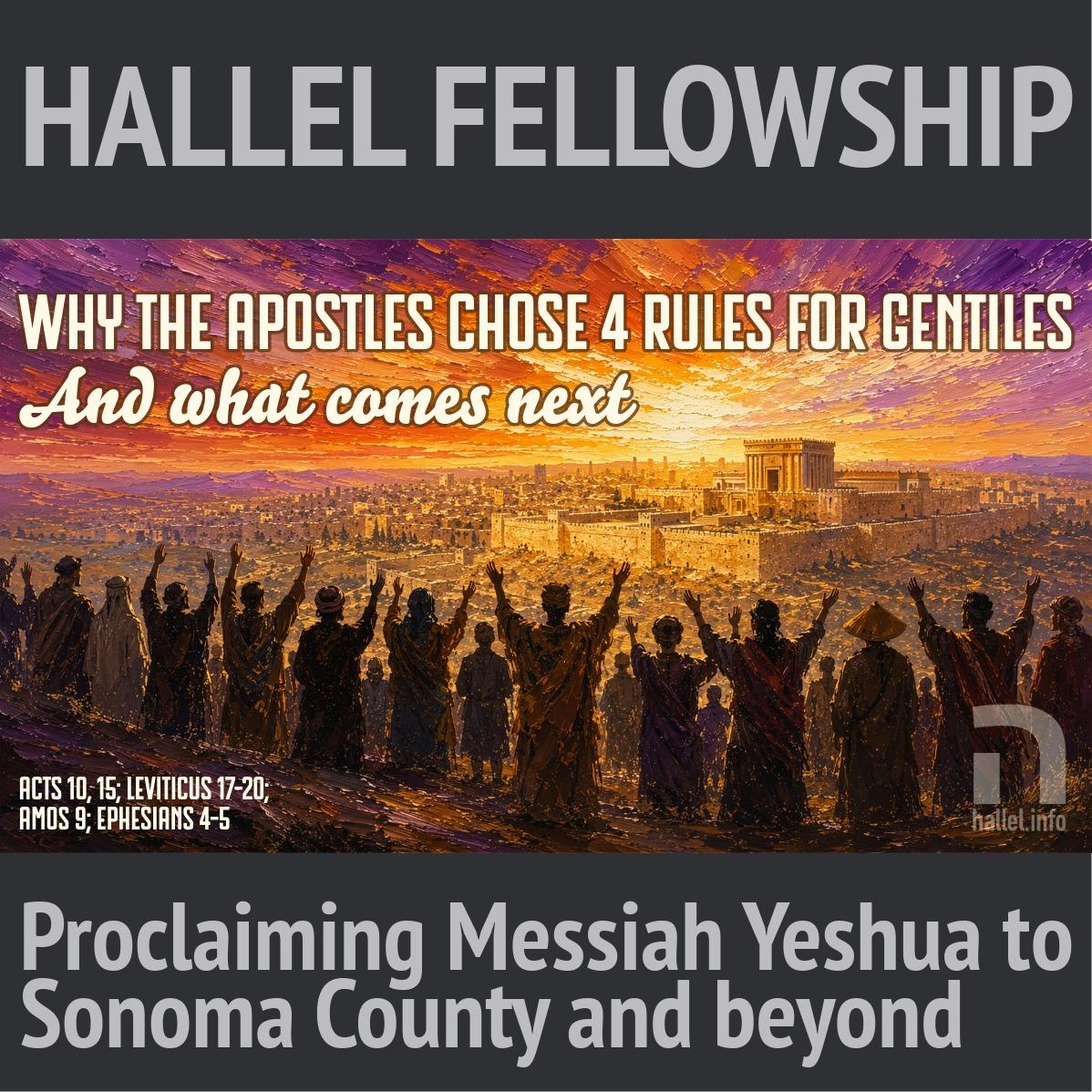
The apostles’ four prohibitions (idols, blood, strangled, sexual immorality) for Gentile believers in Acts 15 were a starting line, not a finish line, for holiness. Explore how they fit together with Leviticus 17–20, Amos 9, Acts 10 and Ephesians 4–5. Find out how Gentiles “called by God’s name,” m…
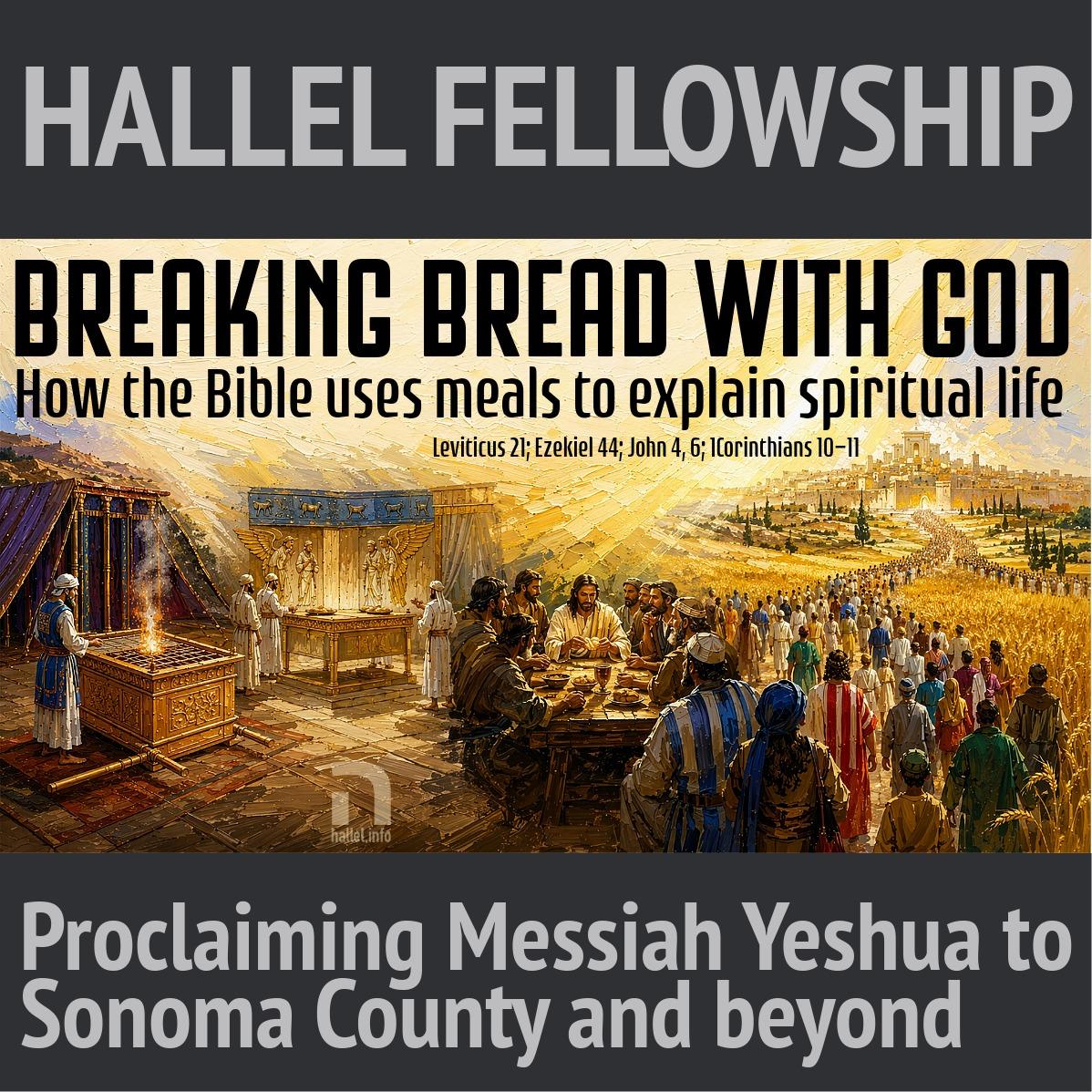
Discover why Leviticus 21, Ezekiel 44, John 4 and 6, and 1Corinthians 10–11 focus on the "table of the LORD" and what that means for us today. We explore what it really means that ancient Israel's priests handle the “food of God,” why Yeshua (Jesus) says His food is to do the Father’s will, and how…
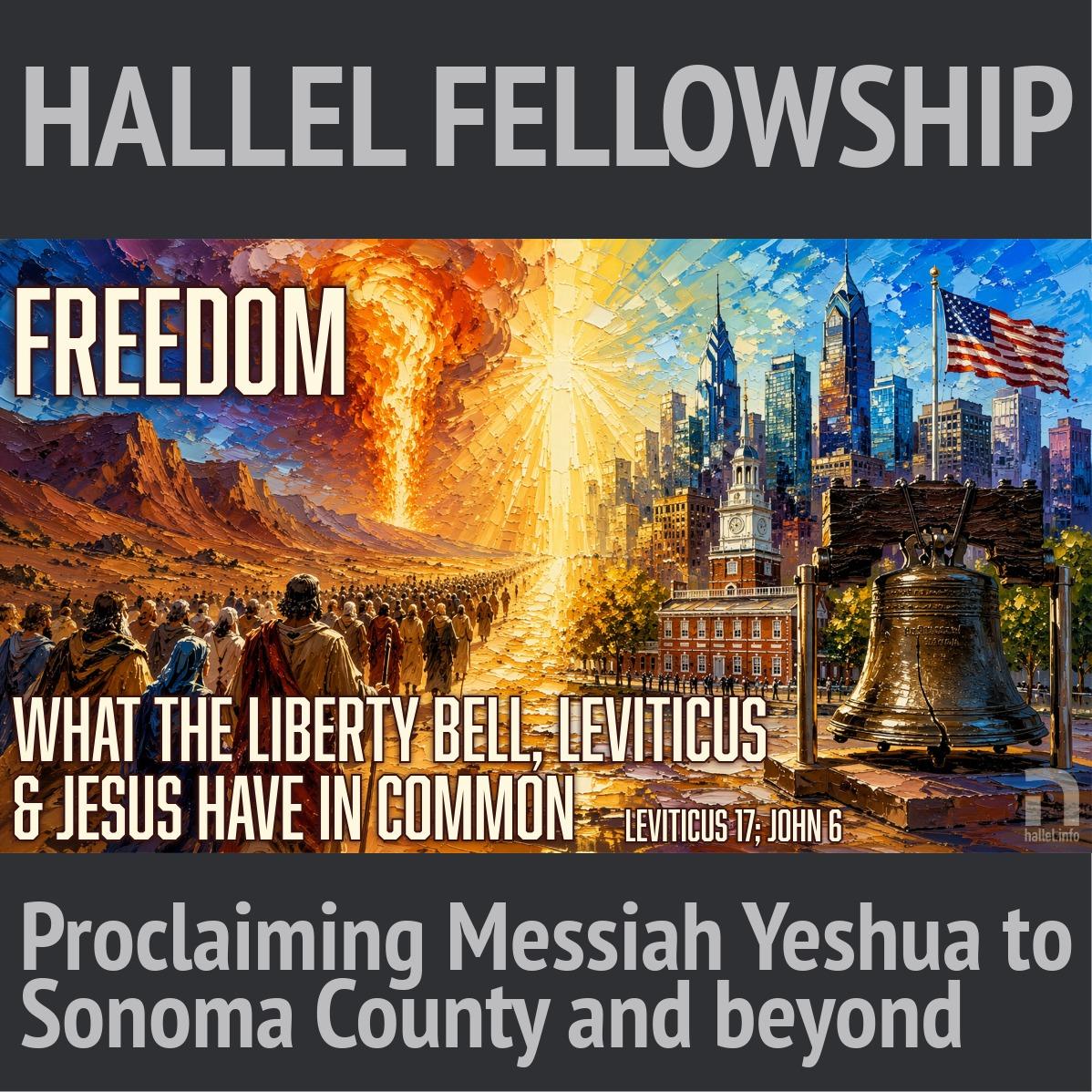
This year, the Fourth of July lands on Shabbat (Sabbath) — a day that each week celebrates how God sets people free and gives them rest. As we commemorate 250 years since the Declaration said we’re “endowed by our Creator,” we’ll explore what real, God-given freedom and redemption look like in ever…
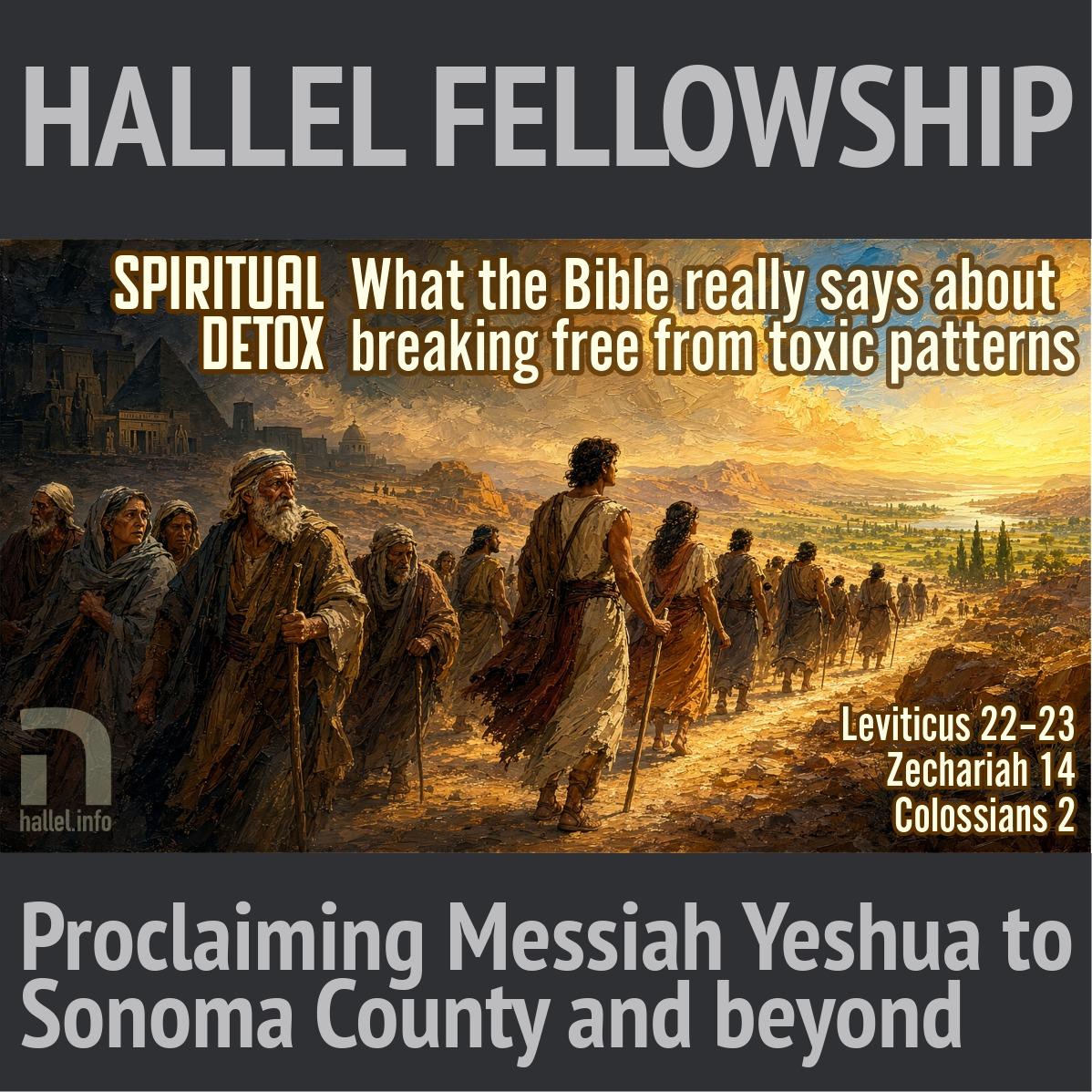
Detoxing from sin more than personal. It’s cosmic. This study connects Leviticus 23, the Shema prayer (Deuteronomy 6), Zechariah 14, and Colossians 2 to show how God’s “appointments” detox both spiritual leaders and everyday people from toxic habits, false religion, and spiritual distractions. Disc…
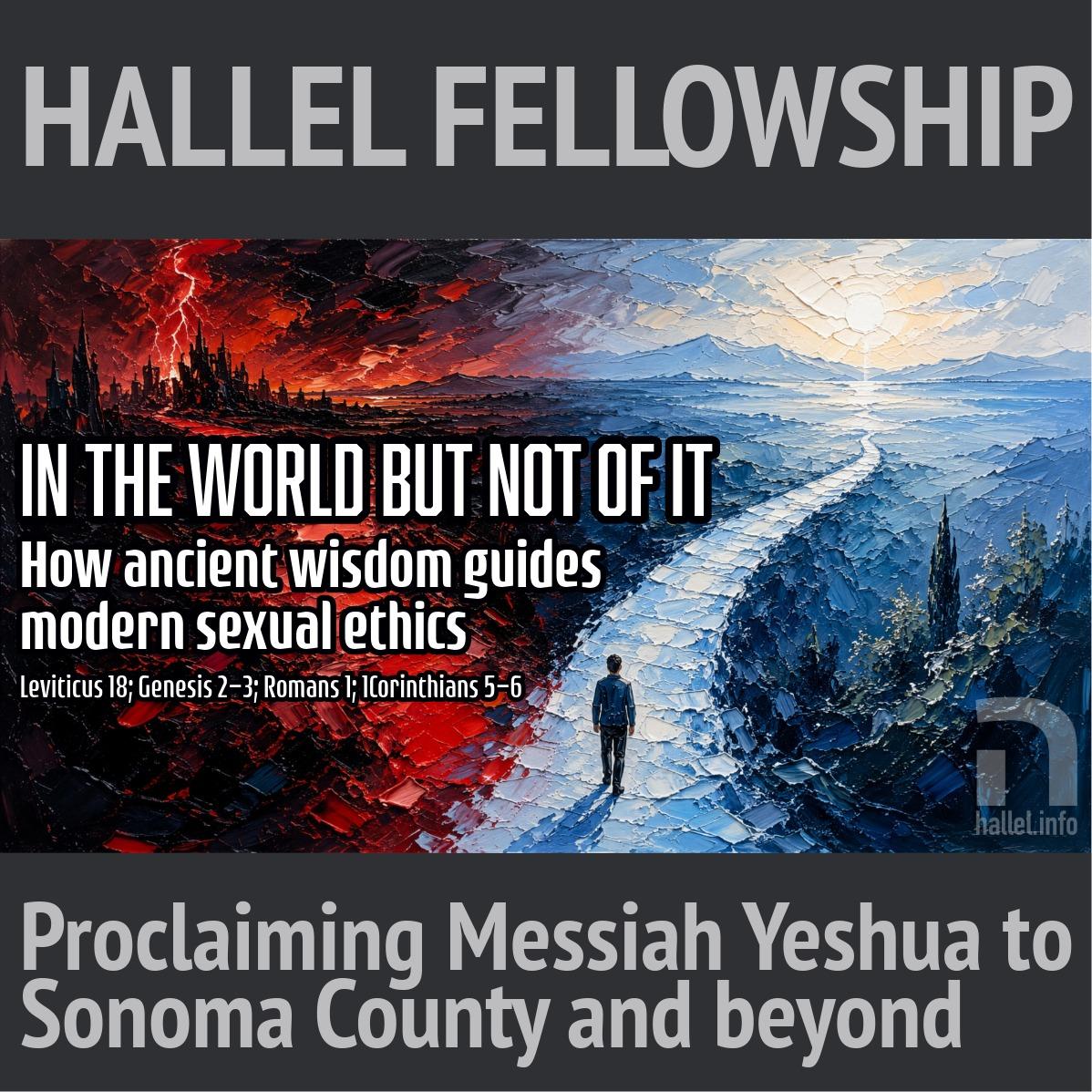
What's the point of the Torah’s stark language about nakedness, sexuality and child-sacrificing pagan worship in Leviticus 18? It's really about something deeper: exploiting the vulnerable, crossing God-given boundaries and confusing shame with holiness. Tracing themes from Leviticus, Genesis, 1Cor…
Vastuuvapautusilmoitus: Tälle sivulle upotettu podcast ja kuvitus ovat peräisin Hallel Fellowship:ltä, joka on sen omistajan omaisuutta, eikä se ole sidoksissa Listen Notes, Inc:n tukemaan.
MUOKKAA
Kiitos, kun autoit pitämään podcast-tietokantaa ajan tasalla.
