

TIETOJA TÄSTÄ JAKSOSTA
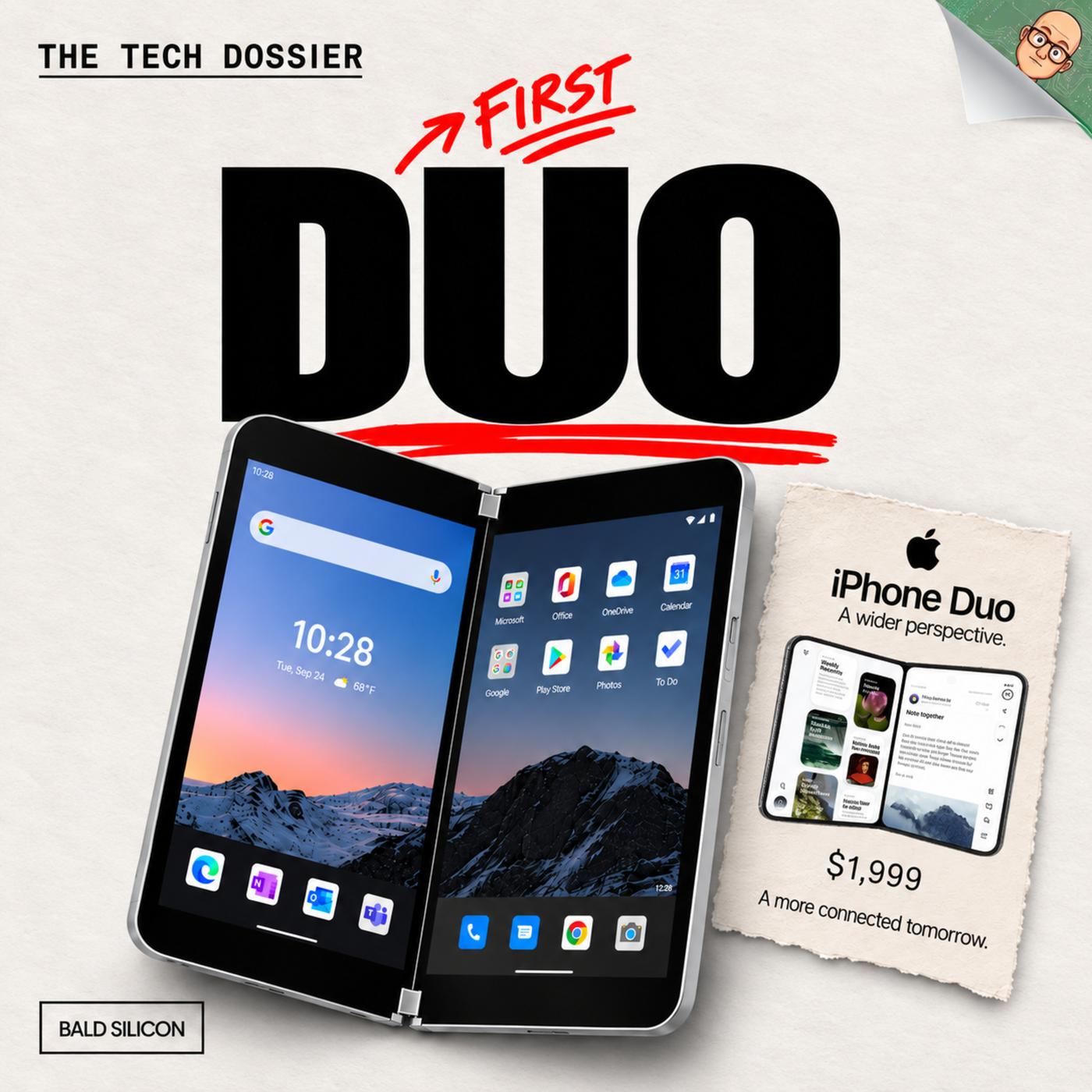
In 2020, Microsoft released one of the strangest phones ever made.Two ultra-thin screens. A 360-degree hinge. No folding display. No outer screen. And a price of $1,399.It was called the Surface Duo.Microsoft insisted it wasn’t really a phone. It was a new kind of Surface — a pocket-sized productivity device built around running two full apps side by side.And buried inside it was an idea Microsoft had been chasing for more than a decade.The story begins with Courier: a secret dual-screen tablet designed by the team behind Xbox, killed before it ever reached the public. Years later, after the collapse of Windows Phone and Microsoft’s disastrous Nokia acquisition, that same basic concept returned under a new codename: Andromeda.This time, Microsoft actually built it.But when its ambitious Windows operating system fell apart, Microsoft made a decision that would once have been almost unthinkable:Keep the Surface hardware.Throw away Windows.And put Android on it.The result was beautiful, fascinating — and deeply flawed.Buggy software. An outdated processor. No 5G. No NFC. No wireless charging. One mediocre camera. A $1,399 price tag.Within ten months, brand-new Surface Duos were selling for just $409.Microsoft tried again with the Duo 2, fixing almost every major hardware complaint.Then it stopped.━━━━━━━━━━━━━━━━━━━━━━━━━📚 ORDER MY NEW BOOK "History Written by Losers" — out now!The true story of global power has been whitewashed by the victors and the fixers. This book tells the side of history they tried to bury.👉 https://www.amazon.com/dp/B0GP9TKPBH━━━━━━━━━━━━━━━━━━━━━━━━━💾 IN THIS EPISODEWe trace the Surface Duo all the way back to Microsoft Research, the experimental Codex project, and J Allard’s legendary Courier tablet — a dual-screen digital notebook that Microsoft cancelled just as Apple launched the iPad.Then we follow Microsoft through the collapse of Windows Phone, the $7.6 billion Nokia write-down, and the creation of Project Andromeda: a pocketable Surface designed around two displays, a stylus, and a radically simplified version of Windows.When the software strategy failed, Panos Panay made the extraordinary proposal to keep the hardware and run Google’s Android instead.We look at why that decision left the first Surface Duo launching with aging hardware, missing features and an Android experience Microsoft was still learning how to build.Then there’s the device itself — the extraordinary 360-degree hinge, the two 4:3 displays, app pairing, the software bugs, disastrous reviews, collapsing price, and the small community of people who discovered that when the Duo actually worked, there was genuinely nothing else quite like it.We also follow the Surface Duo 2, Microsoft’s abandoned third-generation model, the company’s brief pivot toward a conventional foldable, Panos Panay’s departure, and the quiet death of the entire Surface Duo line.Finally, we look at what survived.Because although Microsoft abandoned the hardware, some of the software work created for the Surface Duo ended up inside Android itself — helping modern foldable phones understand where their screens bend and how apps should react.The Surface Duo failed.But part of it is now inside almost every Android foldable that followed.━━━━━━━━━━━━━━━━━━━━━━━━━🔗 LINKS & SUPPORT📚 The book: https://www.amazon.com/dp/B0GP9TKPBH📺 Documentary channel: https://youtube.com/@thatjasonhassett🔔 Subscribe for weekly stories about forgotten technology, failed products, brilliant ideas and the strange decisions that shaped the devices we use today.#Microsoft #SurfaceDuo #Surface #WindowsPhone #Android #RetroTech #TechHistory #PanosPanay #FoldablePhone #BaldSilicon