

درباره این اپیزود
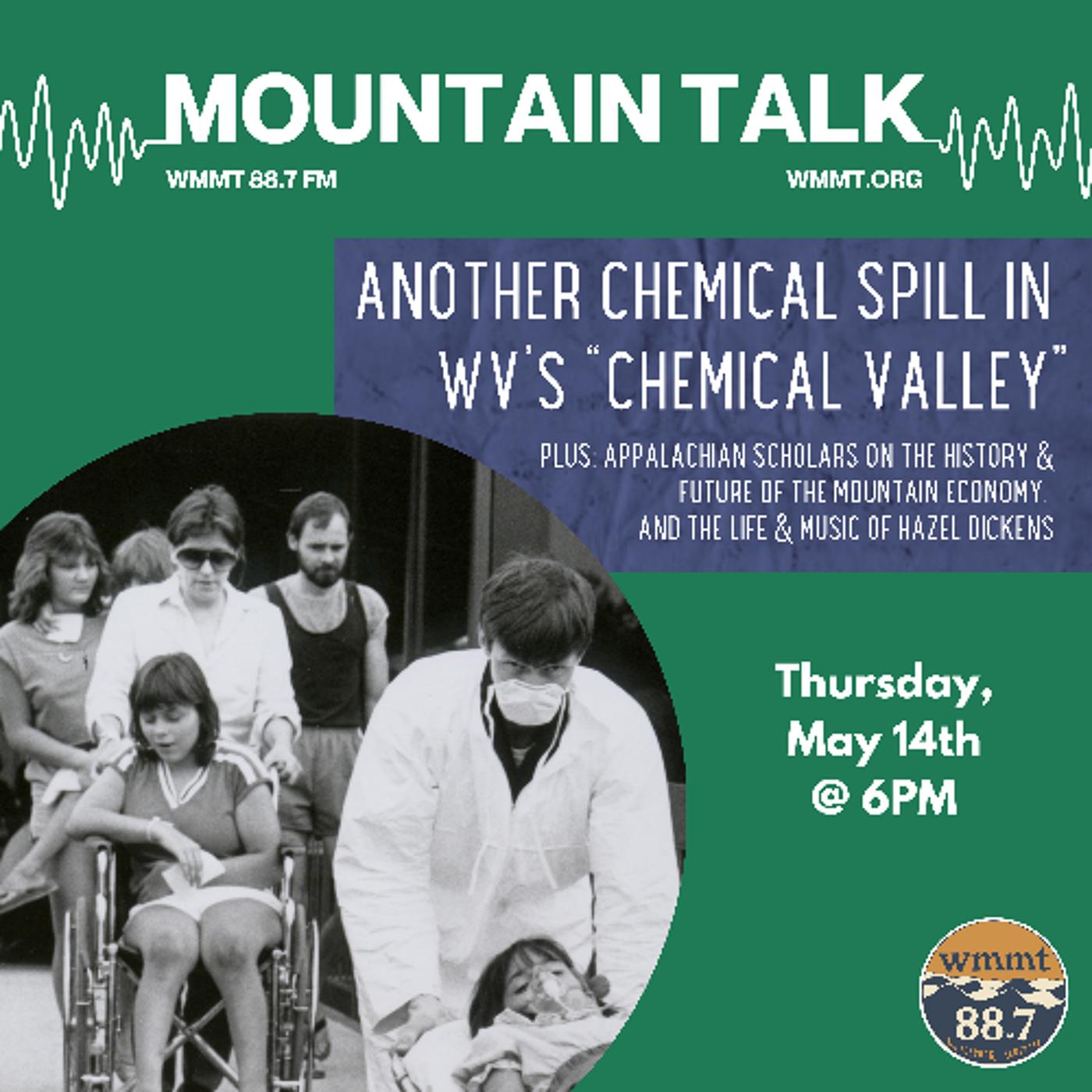
Last month, a chemical leak once again rattled the community of Institute, West Virginia. On April 22nd, a leak at a plant which processes silver caused a violent chemical gas reaction which killed two people, and sent dozens more to the hospital. And after the leak, a shelter-in-place order was issued to the community for more than five hours, during which time (not to mention afterwards) local residents had to wonder about the safety of the air they were breathing, and of the water coming out of the tap.
And, if any part of this story sounds familiar, that’s because, sadly, it is. The town of Institute has been the scene of multiple scary, and stressful, chemical spills over the years: in 2008, another chemical explosion there killed two people, and injured eight more. And back in 1985, a cloud of gas leaked from what was then the Union Carbide plant in Institute— and this leak came just months after the horrific leak at a Union Carbide plant in Bhopal, India, had made global headlines by killing at least some 16,000 people, and injuring tens of thousands more.
And knowing what had just happened in India, when this 1985 leak happened in Institute, it was understandably a tense time for the community. This time was documented in the 1991 Appalshop Film “Chemical Valley,” and to begin Mountain Talk today, filmmaker Mimi Pickering brings us a radio adaptation of that film.
Then, we hear selections from a panel held last month at the University of Kentucky about the history and future of Appalachia’s economy, a discussion which was called “Shifting Power in Rural America.” In these clips, Appalachian scholars John Gaventa & Gabe Schwartzman discuss land ownership in our region, and how that has historically helped determine who has power in the mountains— and how all of that might be changing now. Finally, we close the show with an episode of the former WMMT radio documentary series “Southern Songbirds,” produced by Rachel Goodman, about the life and music of the great WV singer & songwriter Hazel Dickens.
(MUSIC in this show, apart from the Hazel Dickens tunes in the 2nd half, comes from: Tommy Hunter, from the June Appal Records release "Deep in Tradition"; Glenn Jones & Laura Baird, from the Free Music Archive; and Don Bikoff, also from the Free Music Archive.)
And, if any part of this story sounds familiar, that’s because, sadly, it is. The town of Institute has been the scene of multiple scary, and stressful, chemical spills over the years: in 2008, another chemical explosion there killed two people, and injured eight more. And back in 1985, a cloud of gas leaked from what was then the Union Carbide plant in Institute— and this leak came just months after the horrific leak at a Union Carbide plant in Bhopal, India, had made global headlines by killing at least some 16,000 people, and injuring tens of thousands more.
And knowing what had just happened in India, when this 1985 leak happened in Institute, it was understandably a tense time for the community. This time was documented in the 1991 Appalshop Film “Chemical Valley,” and to begin Mountain Talk today, filmmaker Mimi Pickering brings us a radio adaptation of that film.
Then, we hear selections from a panel held last month at the University of Kentucky about the history and future of Appalachia’s economy, a discussion which was called “Shifting Power in Rural America.” In these clips, Appalachian scholars John Gaventa & Gabe Schwartzman discuss land ownership in our region, and how that has historically helped determine who has power in the mountains— and how all of that might be changing now. Finally, we close the show with an episode of the former WMMT radio documentary series “Southern Songbirds,” produced by Rachel Goodman, about the life and music of the great WV singer & songwriter Hazel Dickens.
(MUSIC in this show, apart from the Hazel Dickens tunes in the 2nd half, comes from: Tommy Hunter, from the June Appal Records release "Deep in Tradition"; Glenn Jones & Laura Baird, from the Free Music Archive; and Don Bikoff, also from the Free Music Archive.)
انگلیسی
ایالات متحده آمریکا
در این اپیزود
رونوشت 🔗
Are you the producer of this podcast?
Add a podcast transcript
Need Audio-to-Text?
Transcribe with Listen411 in Just 60 Seconds
جستجوی اپیزودهای گذشته
اپیزودهای قبلی WMMT Public Affairs & Podcasts را جستجو کن.
قسمت های دیگر در این پادکست

So, we of course just recently held our primary elections here in Kentucky. And while things have been calmer here, it’s been a tumultuous primary season so far across the South, especially in the wake of the U.S. Supreme Court’s recent ‘Callais’ ruling that significantly weakened the Federal Votin…
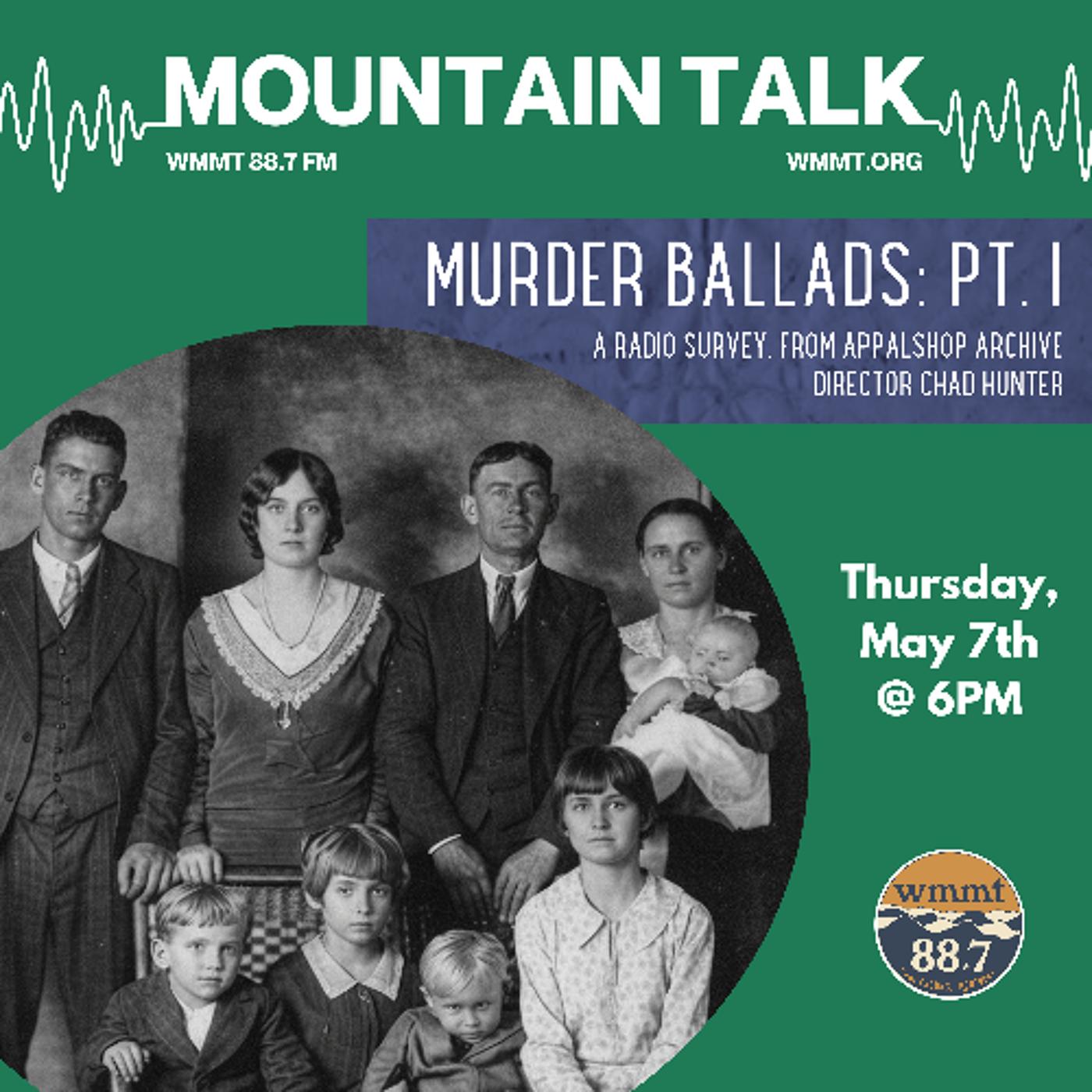
If you’ve listened to any true crime podcasts recently, or if you’ve watched one of those Netflix shows like “The Making of a Murderer,” or “Should I Marry a Murderer,” or “The Murder Next door,” or… well, there are lots of options in this genre on Netflix. But if you’ve taken in true crime storyte…

“I think the women made up the folksongs,” says West Virginia storyteller & ballad-singer Phyllis Marks, in this edition of WMMT’s Mountain Talk. “Because I think the men was out horsing around. And the women probably had to rock the cradle and churn their butter with one hand and sing to the o…

Every summer, since 1987, we here at Appalshop have put on a one-of-a-kind community festival of mountain music & art right here in Whitesburg, which we call Seedtime on the Cumberland. In honor of this year’s festival, which took place this past weekend—and which was our 40th (!) annual Seedti…
سلب مسئولیت: پادکست و آثار هنری تعبیه شده در این صفحه متعلق به WMMT/Appalshop است که متعلق به صاحب آن است و به Listen Notes، Inc وابسته یا تایید نشده است.
ویرایش
از کمک شما برای بروز نگهداشتن پایگاهدادههای پادکست سپاسگزاریم
