

درباره این اپیزود
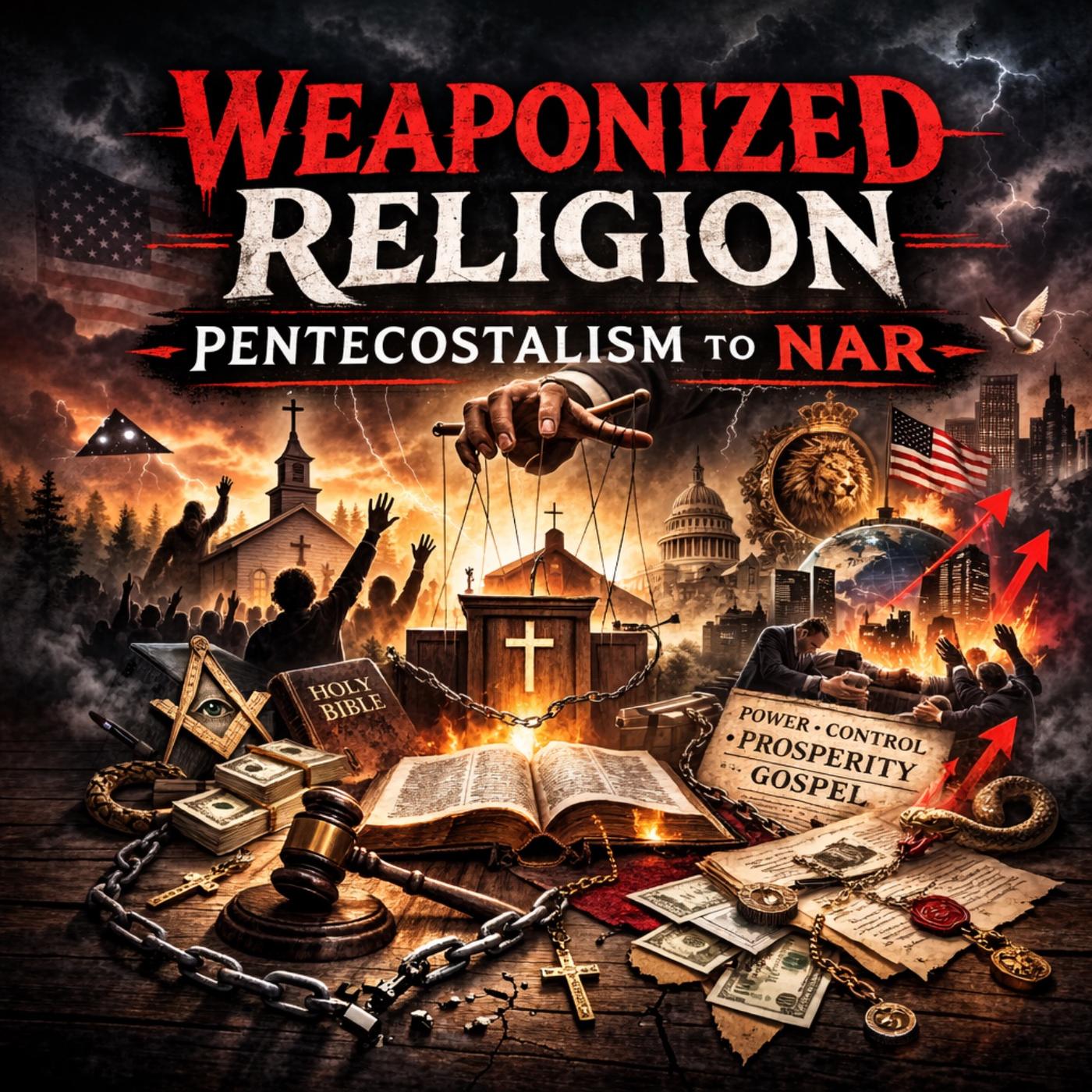
John Collins and John McKinnon examine why failed prophecies often strengthen high-control religious movements instead of destroying them. They contrast fear-based prediction systems with the New Testament purpose of prophecy: edification, exhortation, comfort, and careful testing.
The discussion covers William Branham's 1933 prophecy claims, the 1977 prediction, the woman president prediction, the driverless car claim, the India meetings, the Los Angeles sinking prophecy, and the way followers reinterpret failed claims to preserve loyalty, identity, and belief.
انگلیسی
ایالات متحده آمریکا
رونوشت 🔗
Are you the producer of this podcast?
Add a podcast transcript
Need Audio-to-Text?
Transcribe with Listen411 in Just 60 Seconds
جستجوی اپیزودهای گذشته
اپیزودهای قبلی Weaponized Religion: Pentecostalism to NAR را جستجو کن.
قسمت های دیگر در این پادکست
John Collins and John McKinnon examine why high-control religious movements often grow stronger after prophetic failure instead of collapsing. Using William Branham as a central case study, they explore how failed predictions, group conditioning, and public commitment can keep followers loyal even …
John Collins and John McKinnon break down how miracle-claims can function as "immunity shields" that protect leaders from scrutiny, shifting authority from Scripture to spectacle. Using William Branham's own statements as a case study, they trace how signs-and-wonders language can be used to dodge …
John Collins and John McKinnon continue their series on how high-control religious movements form, focusing on the role of self-promotion in shaping cult leadership. They examine how repeated miracle stories, prophetic claims, and dramatic testimonies can gradually replace biblical authority with l…
John Collins and John McKinnon examine how cults actually form—not through sudden extremism, but through slow, almost invisible shifts in authority, belief, and loyalty. Drawing from personal experience and historical research, they explain how sincere leaders can gradually evolve into unacco…
John Collins and John McKinnon examine why people remain loyal to prophetic movements even after clear failures, contradictions, and broken predictions. They trace how false prophecy becomes tied to identity, belonging, pride, sacrifice, and fear, making it emotionally and socially costly for follo…
سلب مسئولیت: پادکست و آثار هنری تعبیه شده در این صفحه متعلق به William Branham Historical Research است که متعلق به صاحب آن است و به Listen Notes، Inc وابسته یا تایید نشده است.
ویرایش
از کمک شما برای بروز نگهداشتن پایگاهدادههای پادکست سپاسگزاریم
