
Welcome to UAB MedCast, a continuing education podcast for medical professionals, providing knowledge that is moving medicine forward. Here's Melanie Cole.
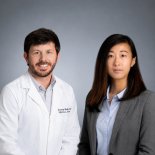
Melanie Cole, MS (Host): Welcome to UAB MedCast. I'm Melanie Cole. And today, we're highlighting understanding infectious risk in the immunocompromised cancer patient. I have a panel for you today with Dr. Jeremey Walker, he's an Associate Professor of Medicine in Infectious disease and the Director of Transplant Infectious Disease at UAB; and Dr. Emily Wong, she's an Assistant Professor in the Division of Infectious Disease at UAB, where she specializes in transplant infectious diseases.
Doctors, thank you so much for joining us today. Dr. Wong, I'd like to start with you. When you see a patient with an underlying immunocompromising condition such as cancer, what do you look for to identify how immunocompromised they really are?
Dr. Emily Wong: So, you know, the first thing I want to know is simply not that does this patient have cancer, cancer is a huge umbrella, and the infectious risk can be dramatically different really depending on the underlying malignancy and, even more importantly, what treatment that patient is receiving.
So when I get called, I really think about four things. So number one, what cancer do they have? And then, following that, what treatment are they receiving? Where are they in that treatment course? And what does their immune system look like right now? So, those are some important distinctions because we always use the word immunocompromised as though it's one category, but it really isn't.
So, some quick examples. These are all immunocompromised cancer patients, but we approach them very differently. So, a newly diagnosed solid tumor patient versus someone with acute myeloid leukemia receiving intense chemotherapy, a lymphoma patient receiving anti-CD20 therapy, another myeloma patient receiving CAR T therapy, or even a stem cell transplant recipient. So, all of these patients, we consider them as immunocompromised, but they all have very different infectious risks.
Dr. Jeremey Walker: I think that's so important. And I think a lot about medical education as well with some other hats I wear. And, you know, I feel like in early training, cytotoxic chemotherapy is what's really emphasized and the idea of kind of neutropenia that you see with those traditional chemotherapy agents. But as time has gone on, we have so many more options as you're highlighting, and there's so much more nuance to what the underlying cancer is, particularly when you think about cancers involving the immune system like leukemias, lymphomas.
Melanie Cole, MS: Well, this is so interesting, and those were such good points. And along those lines then, Dr. Walker, as Dr. Wong was talking about the different examples of the different types of cancer, solid tumor versus a stomach cancer, are there certain parts of the immune system that tend to be more impaired? And how does that correlate with the types of infections that you see regularly?
Dr. Jeremey Walker: Going back to that idea of cytotoxic chemotherapy and something that takes out your entire bone marrow, it's ending up affecting both your adaptive immune system and your innate immune system. And so, you know, our adaptive immune system, we think about B cells, T cells, et cetera. Our innate immune system, we think about neutrophils and macrophages, the things circulating and being kind of the first response. And so, we often are taught about those patients that have neutropenic fever or neutrophil deficiencies and thinking about pathogens that live in the GI tract or pathogens that live in the skin or other areas that we're constantly exposed to and our innate immune system has to protect us from.
But, as you get into these newer therapies and there are many that come out each year, it seems like it's so hard to keep up with the oncology literature. Some of them focus on certain parts of the immune system that might affect just the T cell or the B cell and T cells together or even the macrophages or other parts of the inflammatory pipeline. And it's so hard to keep up.
And the one thing I think is so important there, and a shout-out to Emily, is this is one of the spaces where our National Cancer Society really keeps up with their guidelines quite well. So, every year, they update the NCCN guidelines around infection prevention. And they actually have these wonderful tables that go through all of these newer agents, these small molecule inhibitors, these monoclonal antibodies, and kind of highlight in there what the specific immune deficits are and what some of the therefore infections you might be thinking about with that medication.
Dr. Emily Wong: Yes. And definitely to add to Dr. Walker's point about all these different therapies that are being developed throughout the years and are being implemented in clinical trials, it's really hard to really know what the immediate effects on the immune system are because it does target one molecule, but there are so many downstream effects to it that we don't really know the whole picture until we look at surveillance data years down the road where X therapy affects B cells, T cells, neutrophils altogether, and then they result in increased, you know, HSV or VZV for some examples. But those are identified many years down the road. So, those are some of those points that we have to keep in mind when we're looking at newer therapies with not a lot of clinical data on the market or published currently.
Melanie Cole, MS: Dr. Wong, what are the most common infections that you see in these populations? And you're speaking to other providers, what are the infections that you cannot miss in these populations?
Dr. Emily Wong: Yes. So, I think that's always one of the fears that clinicians in general really think about when they look at these immunocompromised patients. So instead of approaching them by memorizing a giant list of pathogens or going back to medical school and thinking about all the microbiology, I really frame it by looking at clinical syndromes.
So for example, you look at the symptoms that they're having, plus their underlying immune deficiency or underlying malignancy, and I look at it as in fever with neutropenia, pneumonia, bloodstream infections. Do they have a GI infection with diarrhea? Do they have a skin and soft tissue infection? Is it a viral reactivation? So, looking at it in these big buckets and then further dialing it down and looking at the risk factors that these patients have. So if someone has fever and neutropenia, for one example, that's one certain framework, and then I have to look at different aspects of the patient. So how profound is their neutropenia? How long have they had neutropenia for? Do they have any other symptoms like cough for many weeks? Do they have a CT image that shows a big nodular pneumonia? So, these are the frameworks that we always look at. So, I don't think that it's one particular list of infections that we cannot miss, but really just thinking about them from the patient-centered side, that each patient is really unique and really thinking about their individual risk factors because there are some cautions here.
Because whenever we think about immunocompromised patients, we always think about, "Oh, we cannot miss a fungal infection." And then, that really introduces a lot of fear and misadventure in terms of diagnostics, and then introduces a lot of test results that may not be relevant to that patient themselves.
So, just thinking about fungal infections in that sense, I think that's a nuance that infectious disease clinicians do think about in these profoundly neutropenic patients. And as a caveat, there are a lot of fungal markers that may be important to obtain. But in the wrong patient, if they're elevated or positive, it may not mean anything, and it may lead people down a different pathway and really a rabbit hole in that sense.
Dr. Jeremey Walker: I think that's such a good reminder. And I think, again, how much we are taught in medical school, especially depending on when you went to medical school about these sorts of conditions, you may not have much of a framework to know when you might send, for example, studies looking for mold infections, which, you know, maybe we see more often in patients with prolonged neutropenia or after a stem cell transplant and having trouble with graft-versus-host disease.
As compared to a case that I actually share a lot when I'm teaching about this subject with our residents, I had a patient with profound B-cell deficiency. You know, they had a lymphoma, and they had been receiving treatment that targeted their B-cells. And the B-cell deficient states aren't necessarily a place where a fungal infections is what you expect to run amok.
Instead, B-cells actually secrete antibodies, like, into your GI tract, your respiratory tract, and they protect you against some really important bacteria that live in our community, specifically Streptococcus pneumoniae. And so, this patient came in profoundly ill and critically ill, and everyone thought about some of the opportunistic things. But ultimately, the answer was Strep pneumo. And the cultures proved that pretty quickly, and we got them on rapid therapy.
But it's a good case to highlight that common things are common even in our immune-compromised patients. And certain people may be at higher risk if the part of the immune system that controls that common thing is dysregulated. But also, you have to add on a bucket that new things could be on the table, opportunistic infections, things like molds and fungal spores that we're all exposed to, but certain deficits in the immune system may increase your risk for. And there, again, I think looking to some of those tables, seeking guidance from experts in infectious disease to kind of help you navigate what to order when and when to treat something as more of a routine community-acquired infection, and when to ask the next steps of should I be doing more? Should I be looking harder because I'm concerned that this is opportunistic and something that my routine testing's not going to reveal?
Dr. Emily Wong: And I really do want to add to Dr. Walker's points that, you know, we always think about these zebras, but we definitely don't ignore the unusual, but also don't assume the unusual. And one part of being a clinician is really looking at all the data. And one thing that we teach all of our fellows to do, and our trainees as well, is to look at the imaging ourselves, specifically the lung imaging.
So, taking that strep pneumo pneumonia case, for example, we would be able to see certain features on a CT of the chest that would be more concerning for fungal pneumonia versus just a regular lobar pneumonia in most cases, or at least be able to identify certain features that would raise those alarm bells in a patient who fits the clinical scenario of having a fungal pneumonia.
So, those are certain areas that really do help us distinguish some of those patients who are at risk and who fit the picture and who have compatible symptoms and potentially some positive fungal markers. And if they have that imaging that fits the fungal pneumonia picture, then all of that is just part of our diagnostic gestalt instead of really harping on, "This patient is immunosuppressed. They must have a fungal pneumonia."
Dr. Jeremey Walker: And if you like to read, I must take that moment. There was a Lancet article a few years ago, it's called "Respiratory Infections in Severely Immunocompromised," and it has some of the most beautiful tables and pictures that I've seen. And it's got a table that really highlights Emily's point there, that there's different patterns you might see with different types of infections in the immune system. And it also has a nice table highlighting some of these immune deficits we've been referencing and the different types of infections that you tend to see in those pathways, all kind of framed within the context of respiratory failure, which is a common type of infection that we see.
Melanie Cole, MS: Dr. Walker, when should someone in the community think about referral to UAB or a comprehensive transplant center and for patients with an infection or concern for infection and this underlying immune state?
Dr. Jeremey Walker: I think there's a few buckets here probably worth noting. One of the things that gets into this realm of diagnostic stewardship and even diagnostic availability is that we have the benefit of a very large lab that is able to do a lot of things in-house and also has contracts with various groups to get some of this testing relatively quickly.
So when someone is critically ill and we're trying to get answers, we are sometimes able to do that faster than you are in the community where you have to rely on potentially a longer term send out system. And so, I think that kind of fills that bucket of the diagnostic dilemma; the person who you're worried, the clinical course is progressing quickly, they are getting more and more ill from this acute what's presumed to be infectious event and your initial testing has been negative and you don't really know where to go next, that tends to be more on the inpatient side. Those are the sorts of patients that sometimes benefit from transfer and referral for the opportunity for those advanced diagnostics and workups.
I mean, ultimately, some of our patients, even if we have a potential area to biopsy or space to go, if their immune system or if their bone marrow is compromised, they may not have many platelets or other things that would make it a higher-risk procedure. And so having the benefit of the subspecialist and the proceduralist at a kind of large academic center really helps us as well to be able to get to some of these answers.
I think the other space on the other end of the spectrum in patients that are much more stable and navigating things, we have patients all the time that are receiving therapy through trials and things at UAB in our cancer center, and yet they live much further away, and so they get a lot of the rest of their care in their community. And sometimes when infections happen, it prompts the question of, "Is it okay to go on with treatment or is it something that needs to delay the treatment for the cancer so that this can be managed?" Or, "How far do I need to work this up before I get my next infusion or my next medication change?"
And I think that's where, especially when we have in-house communication between us and the oncology team, which we've been really working to improve that kind of shared decision-making over the last few years, we can be really helpful in sometimes giving the green light to go ahead with a therapy that was being delayed that didn't need to. And we always are working on limited timelines in the cancer world, trying to make sure things are treated before we see spread. And also, sometimes the knowledge to say, "Actually, this is a moment where we do need to put on the brakes briefly so that we can investigate this further because we may need to be on an antibiotic, for example, going into this next stage of therapy," especially when you think about those advanced therapeutics like CAR T or stem cell transplant.
Melanie Cole, MS: This is a fascinating discussion and very important for other providers to hear. And Dr. Wong, last word to you here. How would you counsel someone with these underlying conditions on their risk of infection and best opportunities to prevent infection and for the providers that see them on a regular basis? What would you like them to know as they counsel their patients for safety and preventing infections?
Dr. Emily Wong: I think it's something that we often let, you know, go unemphasized, especially when we see these patients in the hospital because we're taking care of their acute issue. But we do have the opportunity to delve into this a little bit further when we see them in the clinic when their acute infection or illness has resolved.
And a lot of the things that I center my counseling on is, you know, honestly a lot of common sense knowledge or common sense advice. So, one of the key things that we always emphasize is prevention is almost as important as treatment in most cases, especially around the winter months when patients are eligible for vaccinations. That is an important thing to have their family and friends be vaccinated to protect the patient from getting these vaccine-preventable diseases. Hand hygiene, masking when available, and then also avoiding sick contacts when feasible as well.
And unfortunately, a lot of patients do have exposures to certain activities or hobbies or even animals that do increase their risk of more esoteric infections. So especially in patients who are after their stem cell transplant or if they've gotten myeloablative or intense chemotherapy and their neutrophils are low or their B and T cells or gamma globulins are in the lower range, they may be at risk for certain fungal infections or even viral infections. So, things to avoid would be to mask whenever possible if they're exposed to a large amount of dust or construction around their house, or if they notice any mold in their house, that would be an intervention that would be extremely important for them as well. And humidifiers and any sort of CPAP machines, those reservoirs with the water, they can breed a lot of bacteria, but also a lot of fungal organisms as well. And for these patients, it's extremely important for them to avoid any high amounts of fungal burden in and around their home where they spend a lot of time. So, those are the main key takeaways that I always tell my patients.
And then, in some more esoteric environments, if they're a farmer or if they have to do gardening, always protecting their skin against contact with any vegetation, masking in those areas as well. And unfortunately, avoiding animals, most importantly farm animals if possible as well. We would never have people get rid of their cats and dogs at home, but just common sense things like bites and scratches, those should be brought to attention of their medical provider. But farm animals are a little bit different in the sense that they're exposed to hay and some of the soil outside too,
Dr. Jeremey Walker: And I think one of the big things, we laugh when we go to these conferences because I think, you know, you just care for different types of populations in different areas. When you're working in Alabama and caring for people across the state, I mean, people are out working with their hands. Their livelihoods depend on them doing certain things, both in this population, patients with cancer, but other immunocompromised hosts.
And I would say most of the time, as Emily is emphasizing, we can find a way to counsel them to reduce infectious risk while also acknowledging both the things they need to do for their livelihood, but also even the things that they need to do just for their enjoyment, right?
The whole reason you seek medical care and do all these things is to get back to the life that you enjoy and do the things with the family that you want to do. And I think sometimes infection can bring fear into that for our cancer patients and worry that anything that they do may set off this cascade. And most of the time, that risk can be mitigated by just simple things and awareness and maybe an extra step here or there. And so, really appreciate the ability to have those conversations and empower folks to get back out doing the things that they love.
Melanie Cole, MS: Beautifully said, and thank you both so very much for joining us and sharing your expertise. This was a really great discussion and an excellent topic. So, thank you so much again. And for more information, you can always visit our website at uabmedicine.org/physician. That concludes this episode of UAB MedCast. I'm Melanie Cole.
Melanie Cole, MS (Host): Welcome to UAB MedCast. I'm Melanie Cole. And today, we're highlighting understanding infectious risk in the immunocompromised cancer patient. I have a panel for you today with Dr. Jeremey Walker, he's an Associate Professor of Medicine in Infectious disease and the Director of Transplant Infectious Disease at UAB; and Dr. Emily Wong, she's an Assistant Professor in the Division of Infectious Disease at UAB, where she specializes in transplant infectious diseases.
Doctors, thank you so much for joining us today. Dr. Wong, I'd like to start with you. When you see a patient with an underlying immunocompromising condition such as cancer, what do you look for to identify how immunocompromised they really are?
Dr. Emily Wong: So, you know, the first thing I want to know is simply not that does this patient have cancer, cancer is a huge umbrella, and the infectious risk can be dramatically different really depending on the underlying malignancy and, even more importantly, what treatment that patient is receiving.
So when I get called, I really think about four things. So number one, what cancer do they have? And then, following that, what treatment are they receiving? Where are they in that treatment course? And what does their immune system look like right now? So, those are some important distinctions because we always use the word immunocompromised as though it's one category, but it really isn't.
So, some quick examples. These are all immunocompromised cancer patients, but we approach them very differently. So, a newly diagnosed solid tumor patient versus someone with acute myeloid leukemia receiving intense chemotherapy, a lymphoma patient receiving anti-CD20 therapy, another myeloma patient receiving CAR T therapy, or even a stem cell transplant recipient. So, all of these patients, we consider them as immunocompromised, but they all have very different infectious risks.
Dr. Jeremey Walker: I think that's so important. And I think a lot about medical education as well with some other hats I wear. And, you know, I feel like in early training, cytotoxic chemotherapy is what's really emphasized and the idea of kind of neutropenia that you see with those traditional chemotherapy agents. But as time has gone on, we have so many more options as you're highlighting, and there's so much more nuance to what the underlying cancer is, particularly when you think about cancers involving the immune system like leukemias, lymphomas.
Melanie Cole, MS: Well, this is so interesting, and those were such good points. And along those lines then, Dr. Walker, as Dr. Wong was talking about the different examples of the different types of cancer, solid tumor versus a stomach cancer, are there certain parts of the immune system that tend to be more impaired? And how does that correlate with the types of infections that you see regularly?
Dr. Jeremey Walker: Going back to that idea of cytotoxic chemotherapy and something that takes out your entire bone marrow, it's ending up affecting both your adaptive immune system and your innate immune system. And so, you know, our adaptive immune system, we think about B cells, T cells, et cetera. Our innate immune system, we think about neutrophils and macrophages, the things circulating and being kind of the first response. And so, we often are taught about those patients that have neutropenic fever or neutrophil deficiencies and thinking about pathogens that live in the GI tract or pathogens that live in the skin or other areas that we're constantly exposed to and our innate immune system has to protect us from.
But, as you get into these newer therapies and there are many that come out each year, it seems like it's so hard to keep up with the oncology literature. Some of them focus on certain parts of the immune system that might affect just the T cell or the B cell and T cells together or even the macrophages or other parts of the inflammatory pipeline. And it's so hard to keep up.
And the one thing I think is so important there, and a shout-out to Emily, is this is one of the spaces where our National Cancer Society really keeps up with their guidelines quite well. So, every year, they update the NCCN guidelines around infection prevention. And they actually have these wonderful tables that go through all of these newer agents, these small molecule inhibitors, these monoclonal antibodies, and kind of highlight in there what the specific immune deficits are and what some of the therefore infections you might be thinking about with that medication.
Dr. Emily Wong: Yes. And definitely to add to Dr. Walker's point about all these different therapies that are being developed throughout the years and are being implemented in clinical trials, it's really hard to really know what the immediate effects on the immune system are because it does target one molecule, but there are so many downstream effects to it that we don't really know the whole picture until we look at surveillance data years down the road where X therapy affects B cells, T cells, neutrophils altogether, and then they result in increased, you know, HSV or VZV for some examples. But those are identified many years down the road. So, those are some of those points that we have to keep in mind when we're looking at newer therapies with not a lot of clinical data on the market or published currently.
Melanie Cole, MS: Dr. Wong, what are the most common infections that you see in these populations? And you're speaking to other providers, what are the infections that you cannot miss in these populations?
Dr. Emily Wong: Yes. So, I think that's always one of the fears that clinicians in general really think about when they look at these immunocompromised patients. So instead of approaching them by memorizing a giant list of pathogens or going back to medical school and thinking about all the microbiology, I really frame it by looking at clinical syndromes.
So for example, you look at the symptoms that they're having, plus their underlying immune deficiency or underlying malignancy, and I look at it as in fever with neutropenia, pneumonia, bloodstream infections. Do they have a GI infection with diarrhea? Do they have a skin and soft tissue infection? Is it a viral reactivation? So, looking at it in these big buckets and then further dialing it down and looking at the risk factors that these patients have. So if someone has fever and neutropenia, for one example, that's one certain framework, and then I have to look at different aspects of the patient. So how profound is their neutropenia? How long have they had neutropenia for? Do they have any other symptoms like cough for many weeks? Do they have a CT image that shows a big nodular pneumonia? So, these are the frameworks that we always look at. So, I don't think that it's one particular list of infections that we cannot miss, but really just thinking about them from the patient-centered side, that each patient is really unique and really thinking about their individual risk factors because there are some cautions here.
Because whenever we think about immunocompromised patients, we always think about, "Oh, we cannot miss a fungal infection." And then, that really introduces a lot of fear and misadventure in terms of diagnostics, and then introduces a lot of test results that may not be relevant to that patient themselves.
So, just thinking about fungal infections in that sense, I think that's a nuance that infectious disease clinicians do think about in these profoundly neutropenic patients. And as a caveat, there are a lot of fungal markers that may be important to obtain. But in the wrong patient, if they're elevated or positive, it may not mean anything, and it may lead people down a different pathway and really a rabbit hole in that sense.
Dr. Jeremey Walker: I think that's such a good reminder. And I think, again, how much we are taught in medical school, especially depending on when you went to medical school about these sorts of conditions, you may not have much of a framework to know when you might send, for example, studies looking for mold infections, which, you know, maybe we see more often in patients with prolonged neutropenia or after a stem cell transplant and having trouble with graft-versus-host disease.
As compared to a case that I actually share a lot when I'm teaching about this subject with our residents, I had a patient with profound B-cell deficiency. You know, they had a lymphoma, and they had been receiving treatment that targeted their B-cells. And the B-cell deficient states aren't necessarily a place where a fungal infections is what you expect to run amok.
Instead, B-cells actually secrete antibodies, like, into your GI tract, your respiratory tract, and they protect you against some really important bacteria that live in our community, specifically Streptococcus pneumoniae. And so, this patient came in profoundly ill and critically ill, and everyone thought about some of the opportunistic things. But ultimately, the answer was Strep pneumo. And the cultures proved that pretty quickly, and we got them on rapid therapy.
But it's a good case to highlight that common things are common even in our immune-compromised patients. And certain people may be at higher risk if the part of the immune system that controls that common thing is dysregulated. But also, you have to add on a bucket that new things could be on the table, opportunistic infections, things like molds and fungal spores that we're all exposed to, but certain deficits in the immune system may increase your risk for. And there, again, I think looking to some of those tables, seeking guidance from experts in infectious disease to kind of help you navigate what to order when and when to treat something as more of a routine community-acquired infection, and when to ask the next steps of should I be doing more? Should I be looking harder because I'm concerned that this is opportunistic and something that my routine testing's not going to reveal?
Dr. Emily Wong: And I really do want to add to Dr. Walker's points that, you know, we always think about these zebras, but we definitely don't ignore the unusual, but also don't assume the unusual. And one part of being a clinician is really looking at all the data. And one thing that we teach all of our fellows to do, and our trainees as well, is to look at the imaging ourselves, specifically the lung imaging.
So, taking that strep pneumo pneumonia case, for example, we would be able to see certain features on a CT of the chest that would be more concerning for fungal pneumonia versus just a regular lobar pneumonia in most cases, or at least be able to identify certain features that would raise those alarm bells in a patient who fits the clinical scenario of having a fungal pneumonia.
So, those are certain areas that really do help us distinguish some of those patients who are at risk and who fit the picture and who have compatible symptoms and potentially some positive fungal markers. And if they have that imaging that fits the fungal pneumonia picture, then all of that is just part of our diagnostic gestalt instead of really harping on, "This patient is immunosuppressed. They must have a fungal pneumonia."
Dr. Jeremey Walker: And if you like to read, I must take that moment. There was a Lancet article a few years ago, it's called "Respiratory Infections in Severely Immunocompromised," and it has some of the most beautiful tables and pictures that I've seen. And it's got a table that really highlights Emily's point there, that there's different patterns you might see with different types of infections in the immune system. And it also has a nice table highlighting some of these immune deficits we've been referencing and the different types of infections that you tend to see in those pathways, all kind of framed within the context of respiratory failure, which is a common type of infection that we see.
Melanie Cole, MS: Dr. Walker, when should someone in the community think about referral to UAB or a comprehensive transplant center and for patients with an infection or concern for infection and this underlying immune state?
Dr. Jeremey Walker: I think there's a few buckets here probably worth noting. One of the things that gets into this realm of diagnostic stewardship and even diagnostic availability is that we have the benefit of a very large lab that is able to do a lot of things in-house and also has contracts with various groups to get some of this testing relatively quickly.
So when someone is critically ill and we're trying to get answers, we are sometimes able to do that faster than you are in the community where you have to rely on potentially a longer term send out system. And so, I think that kind of fills that bucket of the diagnostic dilemma; the person who you're worried, the clinical course is progressing quickly, they are getting more and more ill from this acute what's presumed to be infectious event and your initial testing has been negative and you don't really know where to go next, that tends to be more on the inpatient side. Those are the sorts of patients that sometimes benefit from transfer and referral for the opportunity for those advanced diagnostics and workups.
I mean, ultimately, some of our patients, even if we have a potential area to biopsy or space to go, if their immune system or if their bone marrow is compromised, they may not have many platelets or other things that would make it a higher-risk procedure. And so having the benefit of the subspecialist and the proceduralist at a kind of large academic center really helps us as well to be able to get to some of these answers.
I think the other space on the other end of the spectrum in patients that are much more stable and navigating things, we have patients all the time that are receiving therapy through trials and things at UAB in our cancer center, and yet they live much further away, and so they get a lot of the rest of their care in their community. And sometimes when infections happen, it prompts the question of, "Is it okay to go on with treatment or is it something that needs to delay the treatment for the cancer so that this can be managed?" Or, "How far do I need to work this up before I get my next infusion or my next medication change?"
And I think that's where, especially when we have in-house communication between us and the oncology team, which we've been really working to improve that kind of shared decision-making over the last few years, we can be really helpful in sometimes giving the green light to go ahead with a therapy that was being delayed that didn't need to. And we always are working on limited timelines in the cancer world, trying to make sure things are treated before we see spread. And also, sometimes the knowledge to say, "Actually, this is a moment where we do need to put on the brakes briefly so that we can investigate this further because we may need to be on an antibiotic, for example, going into this next stage of therapy," especially when you think about those advanced therapeutics like CAR T or stem cell transplant.
Melanie Cole, MS: This is a fascinating discussion and very important for other providers to hear. And Dr. Wong, last word to you here. How would you counsel someone with these underlying conditions on their risk of infection and best opportunities to prevent infection and for the providers that see them on a regular basis? What would you like them to know as they counsel their patients for safety and preventing infections?
Dr. Emily Wong: I think it's something that we often let, you know, go unemphasized, especially when we see these patients in the hospital because we're taking care of their acute issue. But we do have the opportunity to delve into this a little bit further when we see them in the clinic when their acute infection or illness has resolved.
And a lot of the things that I center my counseling on is, you know, honestly a lot of common sense knowledge or common sense advice. So, one of the key things that we always emphasize is prevention is almost as important as treatment in most cases, especially around the winter months when patients are eligible for vaccinations. That is an important thing to have their family and friends be vaccinated to protect the patient from getting these vaccine-preventable diseases. Hand hygiene, masking when available, and then also avoiding sick contacts when feasible as well.
And unfortunately, a lot of patients do have exposures to certain activities or hobbies or even animals that do increase their risk of more esoteric infections. So especially in patients who are after their stem cell transplant or if they've gotten myeloablative or intense chemotherapy and their neutrophils are low or their B and T cells or gamma globulins are in the lower range, they may be at risk for certain fungal infections or even viral infections. So, things to avoid would be to mask whenever possible if they're exposed to a large amount of dust or construction around their house, or if they notice any mold in their house, that would be an intervention that would be extremely important for them as well. And humidifiers and any sort of CPAP machines, those reservoirs with the water, they can breed a lot of bacteria, but also a lot of fungal organisms as well. And for these patients, it's extremely important for them to avoid any high amounts of fungal burden in and around their home where they spend a lot of time. So, those are the main key takeaways that I always tell my patients.
And then, in some more esoteric environments, if they're a farmer or if they have to do gardening, always protecting their skin against contact with any vegetation, masking in those areas as well. And unfortunately, avoiding animals, most importantly farm animals if possible as well. We would never have people get rid of their cats and dogs at home, but just common sense things like bites and scratches, those should be brought to attention of their medical provider. But farm animals are a little bit different in the sense that they're exposed to hay and some of the soil outside too,
Dr. Jeremey Walker: And I think one of the big things, we laugh when we go to these conferences because I think, you know, you just care for different types of populations in different areas. When you're working in Alabama and caring for people across the state, I mean, people are out working with their hands. Their livelihoods depend on them doing certain things, both in this population, patients with cancer, but other immunocompromised hosts.
And I would say most of the time, as Emily is emphasizing, we can find a way to counsel them to reduce infectious risk while also acknowledging both the things they need to do for their livelihood, but also even the things that they need to do just for their enjoyment, right?
The whole reason you seek medical care and do all these things is to get back to the life that you enjoy and do the things with the family that you want to do. And I think sometimes infection can bring fear into that for our cancer patients and worry that anything that they do may set off this cascade. And most of the time, that risk can be mitigated by just simple things and awareness and maybe an extra step here or there. And so, really appreciate the ability to have those conversations and empower folks to get back out doing the things that they love.
Melanie Cole, MS: Beautifully said, and thank you both so very much for joining us and sharing your expertise. This was a really great discussion and an excellent topic. So, thank you so much again. And for more information, you can always visit our website at uabmedicine.org/physician. That concludes this episode of UAB MedCast. I'm Melanie Cole.