
درباره این اپیزود
Episode Summary
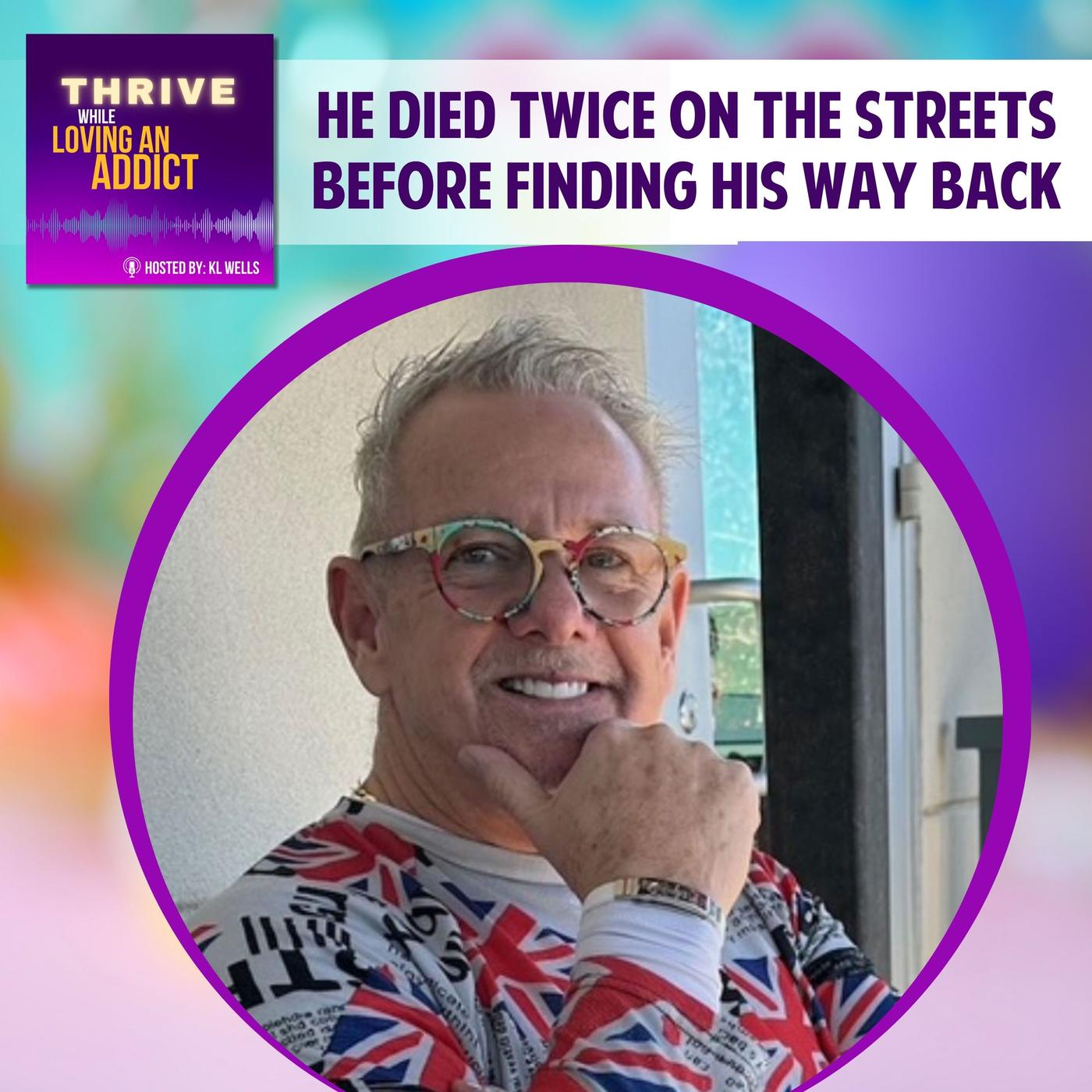
In this episode of Thrive While Loving an Addict, KL Wells sits down with Dr. Robb Kelly, a neuroscientist and addiction specialist, to explore what it means to understand addiction as a disease rather than a moral failure. Dr. Kelly shares his personal journey from early exposure to alcohol in childhood to losing his family, home, and stability, and eventually living on the streets before reaching a turning point that changed the direction of his life.
Drawing from both lived experience and years of working with thousands of individuals and families, Dr. Kelly offers insight into how addiction affects the brain and why behavior can feel so difficult to understand from the outside. This conversation also acknowledges the impact on families, the complexity of boundaries, and the possibility of healing and reconnection over time.
Key Discussion Points
- Dr. Robb Kelly’s personal journey through addiction, loss, and recovery
- Understanding addiction through a brain-based perspective
- How survival mechanisms in the brain can influence addictive behavior
- The difference between intention and compulsion in addiction
- The role of thinking patterns in sustaining addiction
- How enabling and boundaries can impact recovery
- The emotional toll addiction can have on families and loved ones
- The possibility of reconciliation after long periods of disconnection
- The role of faith, meaning, and perspective in recovery
- The brain’s ability to adapt and change over time
Some Questions I Ask
- What were the turning points that led you from addiction into the work you do today?
- How did your personal experience shape your treatment approach?
- Do you see your life experiences as something that shaped your purpose?
- What would you say to loved ones trying to stay grounded in the middle of addiction?
- Were you able to find forgiveness in your relationship with your father?
In This Episode, You Will Learn
- Why addiction is often understood as a brain-based condition rather than a lack of willpower
- How certain brain processes can influence decision-making and behavior
- Why asking someone to “just stop” can feel unrealistic in the context of addiction
- How patterns of thinking can play a role in sustaining addiction
- The difference between supporting and enabling a loved one
- How addiction can impact the emotional well-being of families
- Why healing and reconnection may still be possible over time
- How the brain has the capacity to adapt and change
Resources
Learn more about Dr. Robb Kelly
Explore Breath Box Studio