

WEBVTT
00:00:00.160 --> 00:00:04.160
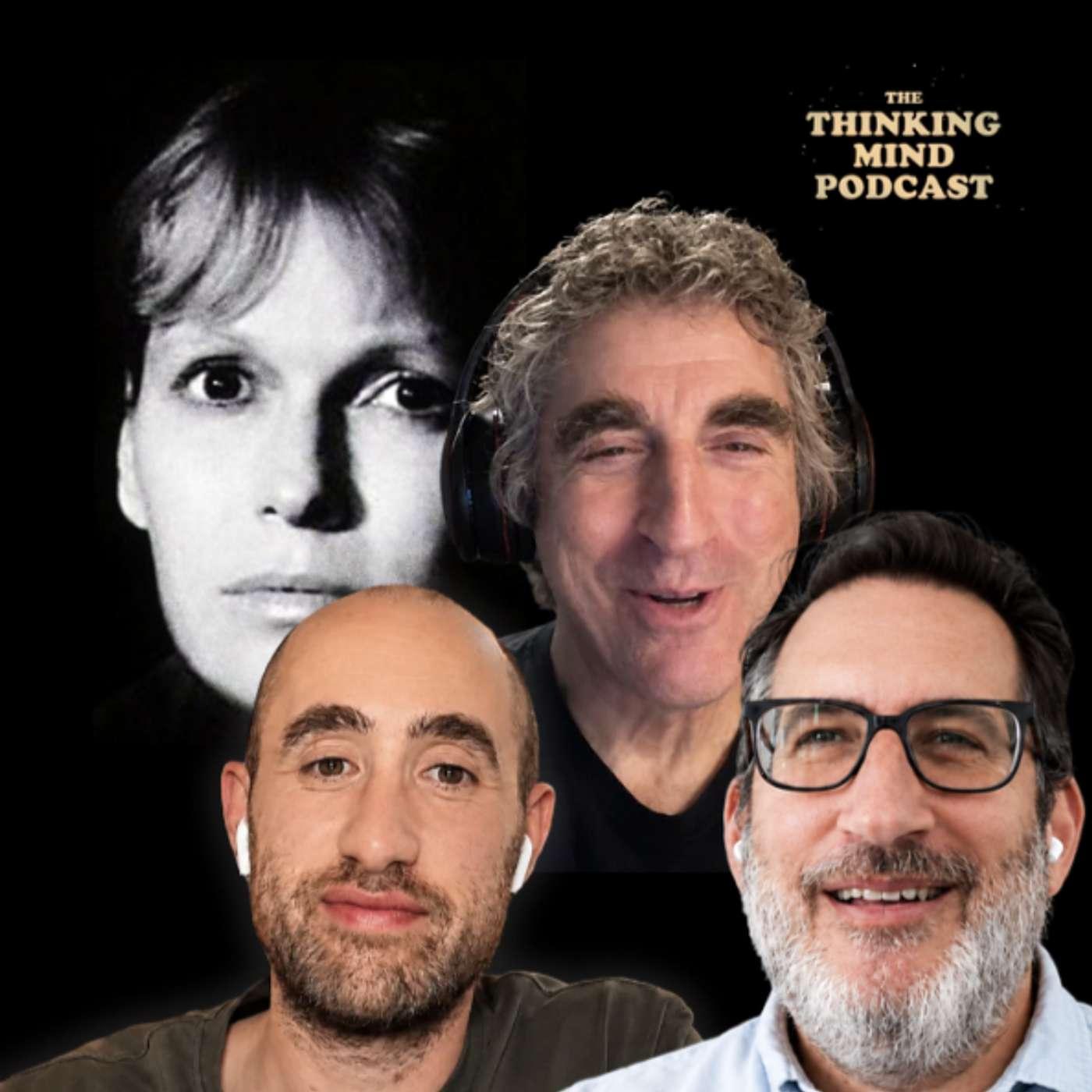
Welcome back to the Thinking Mind and to another Thinking Films episode.
00:00:04.320 --> 00:00:08.080
Today I'm super pleased to be joined by not one but two guests.
00:00:08.160 --> 00:00:16.239
I'm joined by Michael Cohen, a political journalist who is a senior fellow at the Stimson Center where he runs his own project called Is War Worth It?
00:00:16.559 --> 00:00:20.239
He also has his own substack called Truth and Consequences.
00:00:20.480 --> 00:00:25.760
He's previously written for outlets like The Guardian, Foreign Policy, The London Observer, and many others.
00:00:25.920 --> 00:00:30.239
And I'm also joined by Jonathan Kirchner, who is a professor of international politics.
00:00:30.399 --> 00:00:38.799
And besides numerous books about politics, he's the author of Hollywood's Last Golden Age, Politics, Society, and the 70s Film in America.
00:00:38.960 --> 00:00:45.280
And he's the co-editor, along with John Lewis, of When the Movies Mattered, the New Hollywood Revisited.
00:00:45.520 --> 00:00:53.039
Most importantly, they together host that 70s movie podcast, a podcast exploring a whole bunch of movies from the 70s.
00:00:53.119 --> 00:00:54.240
I've enjoyed this podcast.
00:00:54.320 --> 00:00:58.880
I've used it to research films that I've discussed on the podcast.
00:00:58.960 --> 00:01:00.960
So I'd encourage you guys to go listen.
00:01:01.119 --> 00:01:14.640
Today we're discussing Another Woman, a 1988 film directed by Woody Allen and starring Gina Rollins, Ian Holm, Mia Farrow, and Gene Hackman, which, among other things, is really about the value of introspection.
00:01:14.879 --> 00:01:18.239
Michael, Jonathan, thank you so much for joining me today.
00:01:19.280 --> 00:01:20.079
My pleasure.
00:01:20.400 --> 00:01:21.359
Me too.
00:01:21.920 --> 00:01:35.280
Before we discuss the movie itself, it would be great to ask you guys, what is it about 70s movies specifically that you guys think is so special and worth exploring, and you really wanted to dig into on your podcast?
00:01:35.760 --> 00:01:40.400
Well, I'll jump in on that one since I've been obsessed with the 70s for a very long time.
00:01:40.640 --> 00:02:07.359
And what it represents for me is a window of opportunity in mainstream American cinema from the period of the breakdown of the American censorship code toward the birth of the blockbuster, which roughly coincides with the decade of the 1970s, and in which there was a subculture of films made by a bunch of generally younger filmmakers who were inspired by the kind of independent cinemas and European cinemas.
00:02:07.519 --> 00:02:20.319
And so there was a certain type of film culture that was able to thrive in the 1970s that was different than what came before it, and that when the business model in Hollywood changed, had a much harder time continuing forward.
00:02:20.479 --> 00:02:31.759
So it was almost like there was this one precious moment in which a certain type of film could actually be allowed to make, be made within the auspices of the Hollywood studio system.
00:02:32.479 --> 00:02:43.919
Yeah, I'll just disagree with everything that Jonathan said, but I'll just sort of say more specifically, I think it's just it's the rawnness of 70s movies, it's the moral ambiguity that is at the core of so many of these movies.
00:02:44.000 --> 00:02:52.560
It's the uh we joke about this in our podcast, it's the bleakness, which I think for some people is a is a turn-off, but for us it's kind of challenging, right?
00:02:52.719 --> 00:02:57.120
These movies invariably, we've we've discussed about 35, 36 movies so far.
00:02:57.360 --> 00:03:06.639
I mean, what is really striking about all of these movies is how much they challenge the audience and they challenge your conceptions of the world, a challenge conceptions of what a movie can can possibly do.
00:03:06.800 --> 00:03:09.280
It's just an incredibly audacious period of filmmaking.
00:03:09.360 --> 00:03:21.120
And I think for people like Jonathan and I who love the film love the movies, it's just such a great era of movie making and such a challenging and sort of exciting era of filmmaking, even today, 50 years later.
00:03:21.360 --> 00:03:24.080
Yeah, there's definitely a boldness to 70s films.
00:03:24.319 --> 00:03:25.039
Absolutely.
00:03:25.280 --> 00:03:31.120
And you get the impression that you can get not with every film, but with many films, a really singular artistic vision.
00:03:31.439 --> 00:03:52.159
So a film like Taxi Driver, for example, jumps to mind, where you're you're really getting the expression of the director as the central artist and the person who is uh expressing himself unfiltered by the interference of the studio or the need of a marketing campaign or something like that, which of course is one of the main problems in cinema now.
00:03:52.560 --> 00:04:01.360
Yes, and speaking of the movie we're going to talk about today, Woody Allen in some ways carried part of the ethos of the 70s beyond the 70s, and you talked about marketing.
00:04:01.520 --> 00:04:09.199
He was once asked why he didn't test screen his films, and he said, I'm not really interested in collaborating on my films with my audience.
00:04:09.599 --> 00:04:10.479
Yeah, that's interesting.
00:04:10.560 --> 00:04:17.279
And I as far as I know, Woody Allen also famously tried to not watch a whole lot of other movies by his contemporaries.
00:04:17.360 --> 00:04:23.279
Like I think he lost he was influenced by other filmmakers like Ingmar Bergman and people like that from the past.
00:04:23.519 --> 00:04:28.560
As far as I know, he tended to stay away from his contemporaries for fear of being influenced.
00:04:28.879 --> 00:04:29.600
Yeah, that's interesting.
00:04:29.680 --> 00:04:34.560
I'm I'm not sure about that, but I know that he's so steeped in film history and loved the classics.
00:04:34.720 --> 00:04:39.120
And is a child really of the 30s and 40s more than anything.
00:04:39.360 --> 00:04:39.680
Yeah.
00:04:39.839 --> 00:04:40.399
Yeah, yeah.
00:04:40.480 --> 00:04:48.879
You know, this movie is sort of fascinating because it is such a um, and I I use this term understanding the other meaning it has, but it's a real adult movie.
00:04:49.040 --> 00:04:52.879
Now, if you hear adult movie, you think, well, you think of pornography, but that's not what I mean.
00:04:52.959 --> 00:04:55.360
This is there's nothing pornography pornographic by this film at all.
00:04:55.519 --> 00:05:03.040
This is a movie that has that deals with adult themes, that is a mature mature themes, I should say, and is a movie made for adults.
00:05:03.120 --> 00:05:13.360
It's made for people who want to be really challenged in the movies, who want to consider a perspective that might be difficult to even have to take into account.
00:05:13.519 --> 00:05:18.240
The idea of somebody at you know in a middle age kind of looking back on their life and having regrets.
00:05:18.480 --> 00:05:21.360
So I just think that there's a that's the kind of thing that we're talking about.
00:05:21.519 --> 00:05:34.720
We're talking about why we love 70s movies, that there is this movie is is challenging an audience in a way that I think there is still that happens in contemporary cinema, but I I don't know that you have this as as as uh ubiquitous as it was, say, in the 70s.
00:05:35.120 --> 00:05:38.240
Of course, mid 1887, and because Woody Allen has a sort of rarefied space.
00:05:38.399 --> 00:05:46.319
But the fact he was making movies like this, the sort of 70s ethos into the 80s, the 90s, even the arts, it says a lot about him as a director and as an artist.
00:05:46.560 --> 00:05:49.680
Yes, if you want to say something with your films, you have to take those risks.
00:05:50.720 --> 00:05:54.240
If you want to say something bold with your film, your film can't be for everyone.
00:05:54.319 --> 00:05:55.680
It might be polarizing.
00:05:55.839 --> 00:05:58.079
Some people will love it, some people would hate it.
00:05:58.240 --> 00:05:59.279
Now we get the opposite.
00:05:59.439 --> 00:06:06.000
We get films that, like a lot of Netflix films and Amazon films, where you just have vast amounts of people who are kind of indifferent to it.
00:06:06.079 --> 00:06:09.040
They might play it in the background, but doesn't say anything.
00:06:09.120 --> 00:06:16.480
So it doesn't create necessarily love, it doesn't create hatred, it kind of creates a sort of uh benevolent indifference.
00:06:16.800 --> 00:06:30.319
Yes, and something is always lost when your goal is to chase the largest audience possible, because that will require you to kind of sand off the rough edges and be less willing to take kind of dramatic risks with the story.
00:06:30.720 --> 00:06:31.360
Yes.
00:06:31.839 --> 00:06:38.240
Now, uh, before we get into today's film, I do want to acknowledge Woody Allen does remain a controversial figure.
00:06:38.399 --> 00:06:46.879
There have been allegations made against him, allegations which he has denied, and there's been wider public debate about his personal life and his career.
00:06:47.199 --> 00:06:49.920
Our discussion today obviously is on the film itself.
00:06:50.160 --> 00:06:56.800
I recognize that for many listeners, separating the art from the artist might be complicated or not possible.
00:06:57.040 --> 00:06:59.279
And if that's you, then that's okay.
00:06:59.600 --> 00:07:03.839
That being said, Alan has had an undeniable impact on cinema.
00:07:04.000 --> 00:07:11.519
Today we're discussing Another Woman, as we said, which I don't think was highly rated by many when it came out, with some exceptions.
00:07:11.600 --> 00:07:20.319
Like I think Roger Ebet notably really loved this film, but I think it's one of those Woody Allen films that has been appreciated more as time has gone on.
00:07:20.399 --> 00:07:23.199
And now I think it's rated as one of his best films.
00:07:23.279 --> 00:07:23.759
Is that right?
00:07:24.079 --> 00:07:24.639
I think that's right.
00:07:24.720 --> 00:07:35.360
I I'm looking at some, I was actually recently before he jumped on some some uh lists of Woody Allen films, and I was shocked at how many of those lists had this movie in their top 10.
00:07:35.439 --> 00:07:40.160
In fact, there's a really there's a actually a Woody Allen podcast out there, these two British guys, actually.
00:07:40.319 --> 00:07:42.000
And uh it's a it's a really fun show.
00:07:42.079 --> 00:07:43.439
They're really excited about the movies.
00:07:43.519 --> 00:07:47.360
And uh for one of them, this I believe was his favorite Woody Allen movie.
00:07:47.439 --> 00:07:51.360
So, you know, I think it's just a movie that's gotten a lot of critical reappraisal over the years.
00:07:51.519 --> 00:07:57.279
Yes, but it did have it did have a very modest release, and it wasn't because of anything about Woody Allen.
00:07:57.360 --> 00:08:08.480
He was at the top of the world uh when he released this film in the midst of a remarkable run of critical and commercial successes, but this one did not kind of catch on the way many of his films did.
00:08:08.800 --> 00:08:15.279
I liked it at the time, and I have subsequently always loved it and is definitely in my top 10 Woody Allen films.
00:08:15.680 --> 00:08:19.040
Yeah, so I've only watched this film twice.
00:08:19.279 --> 00:08:35.279
I watched it uh probably when I was in my early 20s, and then I watched it again last night in preparation for this, and I remember appreciating it and liking it, but now that I have another 10, 15 years of life under my belt, gosh, do I appreciate it a lot more?
00:08:35.440 --> 00:08:45.759
Because this film, as we've said already, is so much about uh looking back on life that you've lived and regrets, and maybe could you have like thought about things differently?
00:08:45.919 --> 00:08:47.840
Could you have made different decisions?
00:08:48.159 --> 00:08:50.879
Micah, what's what's your relationship to this film?
00:08:51.519 --> 00:08:52.240
It's funny.
00:08:52.320 --> 00:08:55.200
I so when I was a kid, I I was obsessed with Willie Allen movies.
00:08:55.279 --> 00:08:56.720
I saw all of them when they came out.
00:08:56.879 --> 00:09:04.559
I did not see this one, and I can't remember why, but I suspect because it was a drama and I probably wasn't as into dramas when I this movie came out.
00:09:04.639 --> 00:09:06.720
I think I was 16 or something, so I probably wasn't into it.
00:09:06.799 --> 00:09:12.080
And if I'd seen it then, I don't think I would have appreciated the way that I did what I saw a couple of years ago for the first time.
00:09:12.480 --> 00:09:25.679
When I saw it, I it had absolutely profound impact on me because I'm around the same age as the protagonist in the movie, and I understand this inclination to look back on your life and to sort of question some of the decisions that you've made.
00:09:25.759 --> 00:09:27.840
I mean that that happens when you hit your 50s.
00:09:28.080 --> 00:09:30.320
And I mean that happens sooner, that happens later.
00:09:30.480 --> 00:09:32.159
But definitely in this period, you do that.
00:09:32.320 --> 00:09:40.879
And for me at least, that uh this this movie resonated in a way that I don't know that it would have it would resonate for somebody who's younger.
00:09:40.960 --> 00:09:53.519
It's why I said earlier this is kind of an adult movie because it's a movie really geared toward adults, toward people who have experienced a lot in their lives and are now beginning to have that at that point where they sort of wonder, did I make the right choices?
00:09:53.759 --> 00:10:01.120
So I'm definitely a movie geared towards someone who likes to think and reflect about their lives, you know.
00:10:01.200 --> 00:10:04.480
And I guess it is so different from Alan's other films.
00:10:04.720 --> 00:10:08.080
If you watch a Woody Allen film, you might expect a degree of like comedy.
00:10:08.159 --> 00:10:13.200
Like he has a lot of neurosis, but usually in a comedic way and a lot of fumbling around.
00:10:13.279 --> 00:10:16.159
Whereas this is a very like deeply serious film.
00:10:16.240 --> 00:10:21.440
He has a couple of other films like this, probably Interiors is the example that jumps to mind.
00:10:21.600 --> 00:10:30.399
But this film has something important to say, and it's willing to say it seriously and not compromise on tone in the slightest.
00:10:30.960 --> 00:10:32.879
And it's extremely well executed.
00:10:32.960 --> 00:10:37.200
I mean, the performances are just top-notch, and it's it's beautifully filmed.
00:10:37.279 --> 00:10:49.440
You know, the the DP was Sven Niequist, who's Bergman's uh director of photography, and and it shows, you know, in all the production design, in every element, I think it's also just an extremely well-executed film.
00:10:49.679 --> 00:10:50.000
Yeah.
00:10:50.720 --> 00:10:53.519
Now, and let's we can discuss the plot be briefly.
00:10:53.600 --> 00:10:56.320
I've done a few films on this podcast, maybe around 10.
00:10:56.399 --> 00:11:01.200
And normally the plots, oh gosh, they're so complicated, and there's so many ins and outs.
00:11:01.360 --> 00:11:02.879
Uh, but this one is so simple.
00:11:02.960 --> 00:11:17.039
So basically, the plot of another woman, it follows Marion Post, a highly controlled, kind of emotionally repressed philosophy professor in New York, and she rents a quiet apartment which she uses to work on her new book.
00:11:17.200 --> 00:11:24.799
And then through the walls, she begins overhearing the therapy sessions of a younger pregnant woman, and her name is Hope.
00:11:25.200 --> 00:11:30.879
And there's something about listening to these therapy sessions which is very unsettling for Mary.
00:11:30.960 --> 00:11:34.720
And I think it captures her, uh, but it also unsettles her.
00:11:34.799 --> 00:11:49.519
And as she listens, she starts to re-examine her own life, including her marriage, her previous relationships, her friendships, her family relationships, and she starts to realize the certain sense of emotional distance that she's maintained from others.
00:11:49.679 --> 00:11:58.240
Uh, eventually, she even meets the the woman who's going into the therapy sessions, and she starts to realize, really seriously re-appraise her own life.
00:11:58.480 --> 00:12:01.919
And really, that the movie ends with like, what is the possibility of change?
00:12:02.000 --> 00:12:07.360
So, actually, we didn't do a huge amount of spoilers there, but that's roughly what the film is about.
00:12:07.600 --> 00:12:13.120
I like to think about films in terms of like what are the key questions a film is asking in the mind of the audience.
00:12:13.360 --> 00:12:19.759
So, maybe if I could start with Jonathan, what what do you think are some key questions this film is staring up in us?
00:12:20.320 --> 00:12:30.320
Well, I like to compare this film with a film that it has nothing in common with, which is John Houston's night film from 1987, uh called The Dead.
00:12:30.480 --> 00:12:33.519
And John Houston was asked to say, What is the dead about?
00:12:33.600 --> 00:12:35.600
And The Dead is actually about a dinner party.
00:12:35.759 --> 00:12:38.159
But he, I'm going to read this because I thought it was so brilliant.
00:12:38.480 --> 00:12:43.759
John Houston said, the story is about a man's being revealed to himself.
00:12:44.080 --> 00:12:49.120
What we think we are and what we are really are two different things.
00:12:49.360 --> 00:12:54.799
And the discovery of what one is is a soul-shaking experience.
00:12:55.120 --> 00:12:56.960
That's what the story is.
00:12:57.360 --> 00:13:03.039
My only regret is that I could not do that in John Houston's voice because they have a beautiful speaking voice.
00:13:03.279 --> 00:13:07.519
But I think that that is what Marion's what this story is about with regard to Marion.
00:13:07.759 --> 00:13:30.559
She is confronted with herself and she finds out that uh she wasn't the person that she thought she was, and she has essentially a serial series of encounters with people in her life, and each one forces upon her a reassessment of what she thought that relationship was and what she thought about the person that she was.
00:13:31.120 --> 00:13:31.600
Absolutely.
00:13:32.159 --> 00:13:33.039
What do you think, Michael?
00:13:33.679 --> 00:13:35.440
No, I agree with everything Jonathan said.
00:13:35.519 --> 00:13:37.279
I love that quote by the way from John Houston.
00:13:37.600 --> 00:13:40.960
This is a very internalized movie and performance by Gina Rollins.
00:13:41.039 --> 00:13:43.039
And I want to just say a quick word about Gina Rowlands.
00:13:43.360 --> 00:13:44.799
She is so good in this movie.
00:13:44.960 --> 00:13:46.320
I mean, this is such a fantastic.
00:13:46.799 --> 00:13:53.919
One thing about Woody Allen that he deserves a lot of credit for is that he he is great at writing for actresses.
00:13:54.639 --> 00:13:57.519
So many actresses have delivered just fantastic performances.
00:13:57.679 --> 00:14:05.279
I think I think I read somewhere something like it's like 10 to 1 of actresses, actors who've been nominated for Oscars from Woody Allen films.
00:14:05.519 --> 00:14:08.080
And Jonathan Hayes will talk about the Oscars because he hates the Oscars.
00:14:08.159 --> 00:14:14.720
But like it's it's relevant because I share his tip of the thing.
00:14:14.879 --> 00:14:20.000
Uh I I think that that but there's a reason why that's the case because he really writes well for that.
00:14:20.080 --> 00:14:25.600
And I think in the case, in this case, he really writes well for her, but she really kind of owns this performance.
00:14:25.679 --> 00:14:28.000
And you sort of feel that I was watching him last night.
00:14:28.159 --> 00:14:35.919
I was struck by how much you feel the angst, how much you feel the turbulence that these questions she's confronting are creating inside of her.
00:14:36.080 --> 00:14:44.799
Um, and one thing I'll say that's interesting is that you said she meets this woman uh who's who is uh the pregnant woman who's getting therapy session, she can hear a therapy session.
00:14:44.960 --> 00:14:46.080
I didn't realize her name was Hope.
00:14:46.159 --> 00:14:48.879
I I didn't catch pick up on that, but that's actually pretty telling.
00:14:49.200 --> 00:14:53.279
I don't actually think that woman is played by Mia Farrow, I don't think she actually exists.
00:14:53.519 --> 00:14:57.759
And we Jonathan and I had this conversation back and forth uh uh last night.
00:14:58.080 --> 00:15:06.799
I actually think that you the the way that the con the concept of the movie is like she hears this this this therapy session through the vents of her apartment.
00:15:07.120 --> 00:15:10.000
I really think that's a metaphor for what she hears in her own head.
00:15:10.240 --> 00:15:20.879
Because what she hears through the vents is really her own thoughts and sort of that are are confronting her about having just turned 50, the choices that she's made in her life.
00:15:21.120 --> 00:15:30.320
And so I do think this movie is a lot about it's like a it's like a therapy session, but it's really happening sort of inside of the character uh played by Gina Rollins' head.
00:15:30.559 --> 00:15:38.000
Um, and I think this movie is just about sort of how you deal with those questions and how you deal with the potential that you have regrets of choices that you've made.
00:15:38.240 --> 00:15:45.679
I think what's interesting about this movie, that by the way, goes against what uh Jonathan and I always say we love about seven of these movies, which they almost never have happy endings.
00:15:46.080 --> 00:15:48.799
This movie actually does have a happy ending.
00:15:49.120 --> 00:15:55.600
This movie suggests that you can confront these questions and you can change because of them.
00:15:55.679 --> 00:16:12.000
It it sort of it opens up the possibility of a change, of of intern of you know, even going through therapy, of going through an internal sort of conversation with yourself and then realizing mistakes you've made and actually changing your behavior and and and hopefully for the better.
00:16:12.159 --> 00:16:25.120
And so I think that's one thing about this movie that is sort of wonderful, is that it it isn't just a question about forcing the viewer to think about choices they've made, but also giving them the idea that hey, you can do that and end up in a better place than you were before.
00:16:25.440 --> 00:16:26.559
Yeah, I love that.
00:16:27.200 --> 00:16:35.600
I love that interpretation, and it it is a happy ending, but it's not a happy ending in an unrealistic or kind of saccharine way.
00:16:35.679 --> 00:16:36.799
It's a happy ending again.
00:16:37.120 --> 00:16:56.080
Even the happiness is a mature kind of happiness, it's the serenity of you know, I've gone through some hard work and some hard times of figuring some big stuff out, and I can start to see a window of opportunity for myself to make things better, which is a very, very mature, kind of muted but optimistic happiness.
00:16:56.399 --> 00:17:03.519
And yeah, so so for me, the the questions that this movie is asking, which I think are still very, very relevant.
00:17:03.679 --> 00:17:08.079
Firstly, is there a value to introspection, which is actually being debated culturally?
00:17:08.160 --> 00:17:09.200
Like, should we introspect?
00:17:09.279 --> 00:17:10.720
And if so, why?
00:17:10.960 --> 00:17:18.400
Uh, what relationship should we have to our emotions, our feelings, like these pesky vestiges of our psychology?
00:17:18.559 --> 00:17:21.200
Are they something that are inherently irrational?
00:17:21.359 --> 00:17:23.920
Should we be in touch with our feelings or not?
00:17:24.240 --> 00:17:29.920
Um, and and if we should, then how should what's what's the relationship we should have um with our feelings?
00:17:30.079 --> 00:17:41.599
And I think I was thinking kind of along the lines of that interpretation that you mentioned, Michael, that the therapy session she's listening to is almost like her unconscious barging in on her.
00:17:42.000 --> 00:17:42.880
That's how I read it.
00:17:42.960 --> 00:17:43.599
That's how I read it.
00:17:43.839 --> 00:17:48.000
And I just want to say so I can make the one point really quick that I we talk about this a lot in our podcast.
00:17:48.240 --> 00:17:56.240
Sometimes movies just tell you what they're about in the beginning, and and they they don't they they sort of make clear what what what we're gonna be talking about for the next hour and a half or two hours.
00:17:56.400 --> 00:17:59.519
And she says this opening monologue, it's before the credits even.
00:17:59.839 --> 00:18:06.799
And she talks about how she doesn't like to delve in, doesn't like to like sort of to sort of ask these kind of questions of herself.
00:18:07.119 --> 00:18:16.079
She just talks, she provides this sort of a very surface overview of her life, of her who she's married to, of you know what she does for a living, but not anything much deeper.
00:18:16.160 --> 00:18:18.799
And she makes a point of saying she doesn't like to go much deeper.
00:18:18.960 --> 00:18:28.640
And the entire rest of the movie is actually undermining that entire premise that she doesn't like to go and delve into herself, that this movie forces her to do so.
00:18:28.960 --> 00:18:40.799
Yes, her first confrontation with her sister-in-law, uh, she even says explicitly, you know, I've I've spent my life avoiding conversations like this, and she says they they tend to be counterproductive and people say things they don't mean to say.
00:18:40.960 --> 00:18:51.759
And we do need to give a little hat tip toward those opening credits where it lingers over the photographs she describes her life, because that is a direct, let's use the word, homage to Bergman's wild strawberries.
00:18:51.920 --> 00:19:00.079
Uh she has a she not only does she avoid her feelings, but she has a whole articulated philosophy about why it's important to avoid.
00:19:00.160 --> 00:19:06.559
So, in terms of these key questions I raised, her view would be like feelings are irrational, they're unpleasant.
00:19:06.720 --> 00:19:11.680
That's it's not worth it for her, at least after the events of this film, to get into feelings.
00:19:11.920 --> 00:19:22.160
Yeah, I mean, that's a lot, a big part of what this movie is is is about is forcing her to confront these feelings that she has and these decisions that she has made in her life.
00:19:22.559 --> 00:19:27.279
And if I had to ask you, Jonathan, what do you think about this film really works for you?
00:19:27.440 --> 00:19:28.480
What really resonates?
00:19:28.640 --> 00:19:32.319
What do you think um strikes you the most about this?
00:19:33.119 --> 00:19:37.680
Well, I would start with where Michael started, which was in praising Jana Rowland's performance.
00:19:37.759 --> 00:19:41.759
Um, not only is it an outstanding performance, but it is very much against type.
00:19:41.839 --> 00:19:49.039
So that if you looked at her entire career, she usually played a woman who was her emotions were right at her fingertips.
00:19:49.200 --> 00:19:52.400
And here she's playing a woman who's so restrained in her emotions.
00:19:52.559 --> 00:19:53.759
And so it's very impressive.
00:19:53.920 --> 00:19:59.599
It's an impressive performance, but it's also not uh a lazy performance or an easy performance for her.
00:19:59.839 --> 00:20:07.759
But again, I was just all in with this confrontation with the self.
00:20:07.920 --> 00:20:14.400
And again, I tend to be very appreciative of movies that do that extremely well.
00:20:14.559 --> 00:20:25.279
I mean, I even mentioned, you know, it's it's it's often an obscure thing to talk about, but the production design, the settings, the locations, the performances, the structure, the sequences.
00:20:25.519 --> 00:20:27.680
But it is a character study.
00:20:27.839 --> 00:20:29.279
She is the character.
00:20:29.599 --> 00:20:41.519
And if you're the type of person, and you know, Alex, this really speaks more to your profession than to ours, who thinks about inner thoughts, this is this is an onslaught.
00:20:41.680 --> 00:21:04.960
And I think that most people who are self-aware of their own characters are challenged by this movie because it really is, one after the other, a sequence of confrontations in the correct sense of the word with characters who confront her with her understanding of herself and her relationship with them from the very start.
00:21:05.119 --> 00:21:10.720
When she sees her sister-in-law on the street and and she says, Oh, my brother and I have a wonderful relationship.
00:21:10.880 --> 00:21:17.680
And the sister-in-law looks at her and says, You're deluding yourself, which I think is another kind of key theme to the movie.
00:21:17.839 --> 00:21:21.119
She has deluded herself about almost every relationship in her life.
00:21:21.279 --> 00:21:29.759
And you know, if you if you're into that kind of self-flagellation, as I am, uh then this movie is like, you know, hitting your sweet spots.
00:21:29.920 --> 00:21:31.599
And I I like the way it's done.
00:21:31.759 --> 00:21:41.039
I really like to, I hope we have a longer conversation about whether or not Mia Farrow's character exists, because I think it's a fascinating question for the movie.
00:21:41.119 --> 00:21:44.720
And again, speaks back to your profession more than ours, Alex.
00:21:45.279 --> 00:21:47.519
I mean, I'd love to have that conversation.
00:21:47.680 --> 00:21:51.279
And I I think I think this you could interpret it either way.
00:21:51.680 --> 00:21:56.000
There's something magical about the way people talk in therapy sessions.
00:21:56.240 --> 00:21:59.759
Obviously, I have um I've been in therapy as a client.
00:22:00.319 --> 00:22:08.799
I've given a lot of therapy sessions as part of my training, which I actually finished my psychotherapy training one week ago at my last exam.
00:22:10.720 --> 00:22:11.279
Congratulations.
00:22:12.480 --> 00:22:13.359
Thank you so much.
00:22:13.519 --> 00:22:17.920
So I've given a lot of therapy sessions, and as part of my training, I've had to record them.
00:22:18.000 --> 00:22:20.079
So you listen back to the recordings.
00:22:20.480 --> 00:22:34.480
And obviously, people are discussing difficult things, but there is something magical about the way someone talks in a therapy session, in that when people speak in these sessions, they're very congruent, they're very aligned.
00:22:34.559 --> 00:22:42.720
There is none of that pretending to be someone else that people often do in small talk and social conversations, there's much less of a persona.
00:22:43.039 --> 00:22:52.640
And even though what someone may be talking about is very difficult, there's something very attractive about the way they're speaking because you know they're touching on something real.
00:22:53.119 --> 00:23:04.240
And so I totally buy that Mira Faro could be a real character because I buy that if you're someone who is very repressed and you're very like at a distance from yourself all the time.
00:23:04.480 --> 00:23:10.799
If you hear someone giving that pure kind of raw confession, it's going to move you, I think, in some way.
00:23:10.960 --> 00:23:21.200
And I think this is the way people are moved, often by political figures, moved by cult leaders, moved by people with a certain sense of charisma as they can tap into that congruence.
00:23:21.440 --> 00:23:35.279
And people often, like walking about in their day-to-day lives, are very at a distance from themselves, and that makes them very vulnerable to being manipulated by other people, but also makes them vulnerable to these sincere confessions.
00:23:35.440 --> 00:23:42.160
So to me, totally irrealistic that she could be a real person and that could move someone in that way.
00:23:42.720 --> 00:23:44.000
What do you think, Jonathan?
00:23:44.640 --> 00:23:49.200
I want her to not be real, and there are four reasons why I want her not to be real.
00:23:49.680 --> 00:23:52.480
One is the contrivance, right?
00:23:52.640 --> 00:23:55.359
It's kind of ridiculous that this could possibly happen.
00:23:55.519 --> 00:23:58.000
And so that invites you to speculate about it.
00:23:58.240 --> 00:24:06.480
The other is the first flashback when Mia Farrow's character, Hope, um, talks about uh a romance that she looks back on with regret.
00:24:06.559 --> 00:24:13.200
And then we cut immediately to uh Roland's character thinking about her encounter with Gene Hackman.
00:24:13.359 --> 00:24:26.160
And then the fact that she's pregnant, which is another contrivance, but it speaks to one of the great regrets in Jenna Rowland's life because she had determined a pregnancy and has no children and maybe now regrets that choice.
00:24:26.319 --> 00:24:34.240
And also there's this beautiful, beautiful shot in the restaurant where they're having lunch, and the camera cuts off Farrow.
00:24:34.480 --> 00:24:42.319
And so you just have Rolands with a glass of wine as if she's having lunch with someone, and you're invited to think, oh, you know, this is all in her mind.
00:24:42.480 --> 00:24:48.079
But then, damn it, you get a ton of really literal shots of Mia Farrow across the table.
00:24:48.240 --> 00:24:59.839
And so she's really there and present and real in so many scenes that it undercuts the claim that she, you know, if she's not real, she sure is showing up a lot.
00:24:59.920 --> 00:25:02.480
You know, it's it's but I it's interesting.
00:25:02.559 --> 00:25:05.920
I mean, I don't, I mean, let's just say for the outset, I don't think it matters one way or the other.
00:25:06.000 --> 00:25:08.000
Just how I interpreted it.
00:25:08.319 --> 00:25:17.519
But I do think the scene that actually kind of clinched it for me was when she's driving, uh, Gina Rollins is driving with her her uh stepdaughter.
00:25:17.920 --> 00:25:19.839
Martha Clipton, let's pause to praise her.
00:25:20.079 --> 00:25:21.440
At least I want to pause to praise her.
00:25:21.599 --> 00:25:23.599
Wonderful young actor, but go on.
00:25:23.920 --> 00:25:24.240
Yeah.
00:25:24.400 --> 00:25:32.880
And they're they're in the car and they see Mia Farrell walking down the street, you know, which look coincidences are uh often seem to happen in Woody Allen movies.
00:25:32.960 --> 00:25:36.880
Like you it's just it's people run into people all the time and notice that in a lot of his films.
00:25:37.200 --> 00:25:39.759
But this one feels very contrived.
00:25:39.839 --> 00:25:43.599
And what's interesting about it is that she follows her, but doesn't actually find her.
00:25:43.920 --> 00:25:47.440
Instead, she is led to this old friend of hers who's an actress.
00:25:47.680 --> 00:25:51.519
And part of me even wondered whether this scene even occurs as well.
00:25:51.759 --> 00:25:57.039
Because I sort of saw it, and maybe I'm getting a little too in the weeds here, but like this is her subconscious.
00:25:57.200 --> 00:26:11.119
Like, to be a fair, it's her subconscious, and she sees it and she follows it, and this leads her to this conversation, which may or may not have taken place with this actress friend of hers, and that particular interaction with this, and it's played by Sandy Dennis.
00:26:11.279 --> 00:26:18.480
Uh, we've talked about her, we talked about um Jenny Wolf, uh, she's wonderful in this in this brief little performance.
00:26:18.799 --> 00:26:38.000
I'm not convinced actually it happens, but this discussion is really the sort of inflection point of the film in a lot of ways, because it is the harshest uh I don't want to say denunciation, but harshest kind of uh uh critique of who Gina Rollins really is, and it really strikes at what she thinks of herself.
00:26:38.319 --> 00:26:44.160
The way that Sandy Dennis describes her is completely like 180 from how Gina Rollins sees herself.
00:26:44.240 --> 00:26:54.400
And I think this to me is the point in the movie when you begin to see that real introspection on her part and a realization that maybe some of the things that she has believed about herself are not true.
00:26:54.720 --> 00:27:00.000
So I agree with you on your reading of that scene, but I I can't go with you into fantasyland on that one.
00:27:00.160 --> 00:27:04.559
To me, that that scene is very literal and it's another one of those confrontations.
00:27:04.720 --> 00:27:12.319
And so, yes, maybe Mia Farrow is a phantom, and so following the phantom, you never catch up to the phantom, but it does lead you to stumble upon reality.
00:27:12.400 --> 00:27:22.160
And I do think that that couple, that whole scene is a is a mini masterpiece in and of itself, and it is again that revelation, you know, we did not drift apart, you know.
00:27:22.240 --> 00:27:24.799
I I deliberately cut off contact with us.
00:27:24.880 --> 00:27:27.680
And of course, Gina Roland's character is clueless.
00:27:27.759 --> 00:27:29.519
Uh, that that that this is what had happened.
00:27:29.599 --> 00:27:32.640
You know, she even says in an earlier scene, we used to be so close.
00:27:32.720 --> 00:27:34.480
You know, I wonder, I wonder what happened.
00:27:34.640 --> 00:27:37.920
And it's uh it's it's quite something.
00:27:38.319 --> 00:27:42.799
I I love the uh interpretation that Mia Farrow is not real.
00:27:42.880 --> 00:27:46.720
I don't know if I can go all the way there mainly for the reasons you described, Jonathan.
00:27:46.880 --> 00:27:47.680
Sorry, Michael.
00:27:47.839 --> 00:27:55.440
But I I love the I I wish it were because that that interpretation almost positions it as a much more mature version of Fight Club, right?
00:27:55.519 --> 00:28:03.119
Because fight club is the same thing, it's someone's unconscious coming alive and making them do things that so supposedly you know moves them forward.
00:28:03.279 --> 00:28:08.880
And so that almost makes another woman like a uh a fight club for someone in their 50s.
00:28:09.359 --> 00:28:09.920
I guess it has this.
00:28:10.319 --> 00:28:11.440
Double feature right there.
00:28:11.680 --> 00:28:12.640
There you go, exactly.
00:28:12.799 --> 00:28:20.720
But the whole construct that she is in this apartment and there is a voice coming through the vents, like it's a metaphor for the voice in her head.
00:28:20.880 --> 00:28:22.720
I just I'm sorry, I can't see it any other way.
00:28:23.279 --> 00:28:25.839
And that's how I I felt that way when I heard it.
00:28:25.920 --> 00:28:30.000
Um it just feels so obvious to me that that's what's happening, that she is being confronted.
00:28:30.160 --> 00:28:34.480
And and by the way, this voice she's hearing, and I think the first one is a man, actually.
00:28:34.799 --> 00:28:36.000
She's talking to the therapist.
00:28:36.559 --> 00:28:43.519
But each conversation exactly sort of uh uh parrots her like internal struggles.
00:28:43.680 --> 00:28:47.200
I just don't believe for a second any of that actually is existing in real life.
00:28:47.279 --> 00:28:48.480
It's all in her head.
00:28:48.640 --> 00:28:53.119
That's just how and I mean you could look, you could ask yourself a question about like, what is the title?
00:28:53.279 --> 00:28:54.480
Another woman, what is it about?
00:28:54.640 --> 00:28:58.480
Like what how what is that, how does that relate to what we're talking about right here?
00:28:58.720 --> 00:29:04.640
I mean, I I think it but I think it's another woman, I think it means like another woman that she could have been, another path she could have taken.
00:29:04.720 --> 00:29:08.480
But I don't think it's another woman is like the other woman is is is Mia Fair's character.
00:29:08.720 --> 00:29:16.960
So what's thrilling, and I used that word correctly, about the title and other woman, is that it can mean three different things, right?
00:29:17.200 --> 00:29:20.559
One is that Jenna Rollins could have been another woman.
00:29:20.799 --> 00:29:25.119
But the other is, of course, the Mia Farrow character could be another woman.
00:29:25.359 --> 00:29:33.680
But better still, I think, is that her relationship begins and ends with acts of infidelity.
00:29:33.839 --> 00:29:35.920
And so that implicates another woman.
00:29:36.079 --> 00:29:43.200
In the first instance, she was the other woman who broke up the marriage uh, you know, the that that her husband was already involved in.
00:29:43.279 --> 00:29:48.000
And then her marriage is broken up by another woman, in this case, someone who happens to be a friend.
00:29:48.160 --> 00:29:49.839
So it's like a triple entendre.
00:29:50.240 --> 00:29:52.880
I I think it's a wonderful title for this film.
00:29:53.440 --> 00:29:55.279
I'm very happy I had you guys on.
00:29:55.359 --> 00:29:56.400
This is incredible.
00:29:57.119 --> 00:30:02.799
Um, in terms of like what this film gets psychologically right, I'll start with you, Michael.
00:30:02.960 --> 00:30:06.000
Like, do you think what do you think this film gets psychologically right?
00:30:06.079 --> 00:30:10.480
Does it resonate with your own personal experiences, maybe things you've seen in your life?
00:30:10.960 --> 00:30:30.799
I mean, this movie kind of feels like a really, really intense therapy session, like a or series of therapy sessions in which you know it's there's no there's no therapist, obviously, who's asking these questions at Gina Rowlands, but she is you know, as if she's being asked these questions by a therapist and asked to confront some some really difficult issues.
00:30:30.960 --> 00:30:35.279
And that's what you know therapy often can be.
00:30:35.440 --> 00:30:39.519
It's confronting things that you don't want to confront, but that you need to confront to better understand yourself.
00:30:39.680 --> 00:30:41.759
And that's what this movie, what she's doing in this movie.
00:30:41.839 --> 00:30:49.039
I mean, I I you know it's interesting because obviously Woody Allen has a lot of references to therapy in his movies, right?
00:30:49.119 --> 00:30:53.839
I mean, it's a big feature of of Andy Hall, obviously, but but of a whole host of his movies.
00:30:54.079 --> 00:31:02.640
And what's interesting though, I think, in this is that there is not a therapist, I mean, we do see a therapist book very, very briefly, but it really is about sort of a therapeutic process.
00:31:02.960 --> 00:31:16.000
It's about asking these kinds of questions and confronting, you know, difficult realities that you would might happen to you in a in a good, I mean, at a bad therapy session, because it wouldn't happen, but in a good therapy session, you would be confronting these questions.
00:31:16.160 --> 00:31:19.599
And I do think that's what this movie is kind of a lot of this movie is about.
00:31:19.680 --> 00:31:23.920
It's about it's it's it's a kind of a version of therapy in a lot of ways.
00:31:24.240 --> 00:31:25.359
Yeah, I totally agree.
00:31:25.519 --> 00:31:46.960
And it's funny because in many ways this film I think might be Alan's best representation of these kinds of principles in a film when when while he has many films which uh portray really bad therapy or really kind of useless therapy of people kind of just ruminating, which we kind of talk about maybe a bit later, the difference the difference between good therapy and bad therapy.
00:31:47.119 --> 00:32:03.200
But this is as you're saying, Michael, really showing these principles, ironically, not happening within really a therapy session, although there are therapy sessions in the movie, but happening to this woman, to Gina Rowland and her confronting these difficult things and therefore uh growing as a result.
00:32:03.519 --> 00:32:05.279
Jonathan, what what do you think?
00:32:05.680 --> 00:32:09.279
I I would go back to something Michael said earlier about middle age, right?
00:32:09.359 --> 00:32:12.240
That it is a movie about the confrontation of middle age.
00:32:12.319 --> 00:32:22.000
And it is also a movie about the terror of possibly getting still older and looking back and realizing that you've lived a life of regret.
00:32:22.160 --> 00:32:37.839
And that is why one of the many scenes in this movie that shatters me is it's actually a dream sequence, but it's when John John Houseman comes to the therapist's office and and and talks about how he has lived nothing but a life of regret.
00:32:38.079 --> 00:32:45.200
And it's I I I would have loved to hear your your Alex, your your reaction to that scene because I I find it utterly shattering.
00:32:45.359 --> 00:32:48.640
But it's also his character is so important for so many ways.
00:32:48.720 --> 00:32:52.799
And there's a very small piece of business early on when they visit him in his home.
00:32:52.960 --> 00:32:58.960
And Martha Plimpton asks John Houseman, Do you think you could find love again at your age?
00:32:59.119 --> 00:33:03.759
And Gina Rowland's character kind of really is irritated with her for asking that question.
00:33:03.920 --> 00:33:05.119
Why is she irritated?
00:33:05.359 --> 00:33:09.279
She says it's because it's very insensitive to ask a very old man that question.
00:33:09.359 --> 00:33:11.599
But no, I think she's taking that question personally.
00:33:11.759 --> 00:33:16.720
She's hearing Martha Plimpton saying, Can someone your age actually find love again?
00:33:16.799 --> 00:33:21.039
And Gina Rowlands is immediately saying, uh, can I find love again?
00:33:21.119 --> 00:33:24.079
You know, because I'm kind of in a loveless marriage, you know.
00:33:24.400 --> 00:33:26.319
That's exactly how I read that scene as well.
00:33:26.400 --> 00:33:26.799
Yeah, exactly.
00:33:27.039 --> 00:33:28.640
Yeah, I mean it's it's devastating.
00:33:28.799 --> 00:33:36.079
I think regret is one of the most devastating emotions because almost by definition, it can't go back, we can't change those things.
00:33:36.400 --> 00:33:44.079
And I mean, for me, again, this film really shows the value of like congruence or how devastating incongruence can be.
00:33:44.160 --> 00:34:03.599
So, one way therapists often think about psychological health is what is the distance between who you think you are or who you want to be versus who you actually are, and the more that distance is, often the more you might suffer from things like depression or anxiety, and you might not realize that's why it is because of this distance.
00:34:03.759 --> 00:34:06.079
Um, but often it's this distance from self.
00:34:06.240 --> 00:34:17.039
The problem is getting close to yourself requires like pain, painful confrontation with things like perhaps sadness, anxiety, shame is a huge one.
00:34:17.280 --> 00:34:28.400
And because they're inherently, it's inherently difficult to confront these emotions, we tend to compartmentalize them, or you know, I'm sure listeners will know about defense mechanisms and things like that.
00:34:28.639 --> 00:34:37.519
Basically, ways of putting our difficult experiences out of awareness, and that is kind of incredible as a short-term strategy.
00:34:37.679 --> 00:34:51.360
So if you're dealing with some emergency situation, if you're fighting a war, if you're trying to escape an abusive situation, absolutely compartmentalize, put your feelings aside for that second and get out of the situation you need to get out of.
00:34:51.599 --> 00:35:03.920
But as a long-term strategy, shoving stuff into your unconscious and keeping it there is terrible because again, you're being you're divorcing yourself from yourself and from reality and then from the people around you.
00:35:04.000 --> 00:35:06.719
It's this very kind of predictable thing that happens.
00:35:06.880 --> 00:35:10.639
And the more you do that, your unconscious will react back.
00:35:10.880 --> 00:35:15.840
That could be like through a hallucination, which maybe this is what's happening if Mia Faro isn't real.
00:35:15.920 --> 00:35:31.199
Maybe that's a hallucination, maybe it's our dreams, maybe it's anxiety, but our unconscious, that pressure, that intra-psychic pressure, will build up and like start to interfere and burst into our uh into our conscious mind in quite predictable ways.
00:35:31.840 --> 00:35:33.440
You know, it's it's what you say.
00:35:33.519 --> 00:35:38.960
Like the I think the the other sort of crucial element of this film is her interaction with Gene Hackman's character.
00:35:39.119 --> 00:35:41.199
This is a man who she I love that.
00:35:42.320 --> 00:35:43.280
Yeah, the two of them.
00:35:43.360 --> 00:35:44.719
I mean, first of all, let's just be clear.
00:35:44.800 --> 00:35:47.199
Anything with Gene Hackman it's gonna be good.
00:35:47.280 --> 00:35:52.800
I mean, he's always good, and he's he's actually it's a very small role, and he's great in the small role.
00:35:53.119 --> 00:36:20.239
But what's interesting is they they have this sort of make outs, I should, I guess they have, at this party in which she is um she's there with her husband, and he tells her that he's in love with her, and she says, no, she's gonna marry uh Ian Holmes' character, and she's sort of and you can see all of the rationalizations that she engages in as to why she'd rather be with this person who seems safer rather than the person who she clearly has more passion for, which is Gene Hackman.
00:36:20.480 --> 00:36:26.079
And there's a really fascinating moment here where Hackman kind of turns on her and says, Maybe I just underestimated you.
00:36:26.159 --> 00:36:28.880
Maybe I haven't maybe I don't understand you at all, actually.
00:36:29.199 --> 00:36:37.360
And you know, in ourity, actually, he does understand her, and he she is sort of rationalizing this relationship that she doesn't really love.
00:36:37.519 --> 00:36:49.760
And what's interesting about this is that the book end of the movie is that you see Hackman at the end and you see this book that he wrote and this this uh uh imagination of the relationship between the two of them in which there is real passion.
00:36:49.920 --> 00:37:01.360
And you sort of see this as like this is the path she had chosen, the beginning, where she rejects Hackman, and this is the path that she is trying to get get on after this experience that she's had.
00:37:01.519 --> 00:37:05.760
Doesn't mean she's gonna be with him necessarily, but it means that, and that's what's sort of I think fascinating.
00:37:05.840 --> 00:37:09.679
What would have really what would have killed this movie is if she ends up with Gene Hackman in the moment.
00:37:09.840 --> 00:37:12.400
Oh my god, that would have been that would have been all right, it would have been awful.
00:37:12.880 --> 00:37:14.719
Like, oh, it's don't do that.
00:37:14.880 --> 00:37:15.920
But it's better than that.
00:37:16.000 --> 00:37:25.840
And this is why it's such a mature uh movie that instead what it's saying is that this is this path of being with Gene Hackman when she wanted to be with him, that's the path she should have taken.
00:37:25.920 --> 00:37:28.320
And now it suggests that she understands that.
00:37:28.480 --> 00:37:34.320
And going forward, she's going to act, you know, with her passions, not like with her sort of clinical mind.
00:37:34.639 --> 00:37:37.360
Yeah, Gene Hackman is the poster boy for congruence.
00:37:37.599 --> 00:37:39.679
He's saying, you know, you have to pay attention to your feet.
00:37:39.920 --> 00:37:42.639
He's very congruent, you know, he's very congruent in the scene.
00:37:42.800 --> 00:37:45.360
And he's saying you you have to live a life of passion as well.
00:37:45.519 --> 00:37:49.199
You can't just retreat into intellectualism.
00:37:49.840 --> 00:37:56.960
And it also speaks to something you said earlier, Alex, um, that it's a a hopeful ending, but it's a mature ending.
00:37:57.039 --> 00:38:10.960
And that in in the book, he talks about how he, the narrator of the book, recognized that she had that within her, you know, so that it was there for her to be able to tap, and that she had not, you know, tapped that for for most of her life.
00:38:11.119 --> 00:38:17.199
But now you are left with the possibility that she will live a more robustly emotional life.
00:38:17.360 --> 00:38:23.599
And it is, I hadn't thought as much about this, but because it's such a classic Woody Allen line that I almost let it slide by.
00:38:23.760 --> 00:38:33.360
But when he is giving her a hard time at that party and she's describing what she likes about her her future husband, Gene Hackman kind of taps his head and says, It's it's all up here, it's all up here.
00:38:33.440 --> 00:38:34.880
You know, there's nothing from the heart.
00:38:34.960 --> 00:38:40.000
And so definitely you have that that that contrast between the intellect and the emotion.
00:38:40.400 --> 00:38:55.679
Yeah, the two worst endings have been either if she ended up with Gene Hackman, or if she has a conversation with Mia Farrow and then Mia Farrow gradually disappears to reveal that she's like a phantom and not really, those are the like she's an angel or something like that.
00:38:55.920 --> 00:38:56.480
Right, right.
00:38:56.639 --> 00:39:00.159
But I it leaves that look, maybe she does end up with Gene Hackman.
00:39:00.239 --> 00:39:00.719
I have no idea.
00:39:00.800 --> 00:39:01.440
I don't think so.
00:39:01.679 --> 00:39:04.159
But had it shown, but that is not the point, right?
00:39:04.480 --> 00:39:13.039
The point is that she is at a a she's reached a point in her life where that's a possibility when it wasn't at the beginning of the film.
00:39:13.119 --> 00:39:15.679
And that's the maturity that you're seeing from her character.
00:39:15.840 --> 00:39:17.920
And whether Mia Fair exists or doesn't exist.
00:39:18.000 --> 00:39:19.039
I mean, I don't think she exists.
00:39:19.119 --> 00:39:20.960
I mean the question of my mind doesn't exist.
00:39:21.119 --> 00:39:22.239
It does not matter.
00:39:22.480 --> 00:39:23.679
It does not matter, right?
00:39:23.840 --> 00:39:31.360
And had they showed that she did other, I mean, there was one suggestion at the end from the therapist that she that uh she may not actually exist.
00:39:31.599 --> 00:39:31.920
Yes.
00:39:32.079 --> 00:39:39.519
Um she's completed her treatment and moved away, which is I was discussing with Alex is a gigantic Hibba violation.
00:39:39.679 --> 00:39:41.199
Uh yeah.
00:39:41.920 --> 00:40:13.039
And we we should shout out uh Mia Faro's performance, which I think is excellent, and even though she's not on screen for very long, and actually most of the time she's on screen, she's kind of out of focus, but then there's a few key scenes where she's really in focus, and you see a close-up of her eyes, and she's that she's kind of the beating heart of the film a lot of ways, in a lot of ways, and it's shows how that confrontation with Mia when she eats with her at the restaurant is a huge catalyst for her um to move psychologically forward.
00:40:13.119 --> 00:40:18.719
There's quite yeah, there's there was also a scene I think where they actually show a mask somewhere on screen.
00:40:18.800 --> 00:40:22.800
And I think there are several falling masks in this movie, I think as many as three.
00:40:22.960 --> 00:40:24.719
And there's also a kiss through a mask.
00:40:24.880 --> 00:40:27.599
I thought suddenly I thought I was watching Eyes Wide Shut.
00:40:28.079 --> 00:40:37.039
Yeah, she gives the mask to her first, I guess it's her first husband who had suicide, who she had got pregnant with and then had abortion, and she puts the mask on and he kisses her.
00:40:37.119 --> 00:40:40.000
And I mean, you know, it's a little like metaphor alert, right?
00:40:40.079 --> 00:40:45.440
I mean, you know, she's keeping herself, you know, hidden from her real true feelings and emotions from the world.
00:40:45.599 --> 00:40:50.639
I mean, I will say this that like the other thing that makes me convinced it's not real is that Camia Farrow is pregnant, right?
00:40:50.800 --> 00:41:02.320
Because it's clear that, and you get this by the end of the film, that the crucial moment in in Marion's life, or the crucial inflection point is the decision she had to not have a baby, to have an abortion.
00:41:02.559 --> 00:41:05.840
And she says at one point uh that maybe she should have had kids.
00:41:06.079 --> 00:41:09.280
I forget who she says this to, but she says maybe she should have had kids.
00:41:09.599 --> 00:41:11.039
It might have been Martha Plimpton.
00:41:11.360 --> 00:41:12.480
It might have been Martha Plimton.
00:41:12.559 --> 00:41:17.840
I can't remember, but like that is is clearly this is the biggest regret of her life.
00:41:18.559 --> 00:41:19.840
I don't think there's any question about it.
00:41:19.920 --> 00:41:30.719
I mean, you could argue it's the it's that she doesn't really have real passion in uh that you see with the situation with Hackman, but like the decision to not have a children is one that has haunted her.
00:41:31.119 --> 00:41:46.559
Um and I think it's interesting, I think it's very comp very interesting that like the last big sort of uh uh um uh what's it called, sort of introspective moment is when she has this dream about her being with her first husband and when she talks about having an abortion.
00:41:46.800 --> 00:41:56.480
Um and I think in a way, part of what again comes across in the movie is that she has this regret, but she's not going to allow it to dominate her life.
00:41:56.559 --> 00:42:00.960
And I gotta say for the just one thing I say about Woody Allen, his movies do not usually have happy endings, right?
00:42:01.039 --> 00:42:03.119
I just finished watching them, Husbands and Wives.
00:42:03.280 --> 00:42:08.159
That is the bleakest effing movie you are ever gonna see about marriage relationships.
00:42:08.239 --> 00:42:11.039
I mean, it's a phenomenal movie, but it is dark.
00:42:11.199 --> 00:42:17.199
And what's interesting to me is that, you know, when this movie came right, I think it was two movies after Hannah and her sisters.
00:42:17.280 --> 00:42:24.880
Yes, which was I I think one of his best films, but it's also very unusual in his filmography in that it is incredibly happy ending.
00:42:24.960 --> 00:42:27.840
I mean, like an ending that whenever I see it, it I tear up.
00:42:27.920 --> 00:42:30.000
It it makes me it makes me weep whenever I see it.
00:42:30.639 --> 00:42:32.079
Which which drove him crazy.
00:42:32.239 --> 00:42:35.840
He hated the happy ending for Hannah, and he said, Well, where have I gone wrong?
00:42:36.159 --> 00:42:36.480
He did.
00:42:36.559 --> 00:42:39.920
In fact, I think he filmed initially an unhappy ending and decided he wanted to go with this one.
00:42:40.000 --> 00:42:41.599
So I don't, but you know, I don't really believe that.
00:42:41.679 --> 00:42:48.320
I mean, this what's interesting about this is that he made that at a point in his life and this movie becomes like two movies after.
00:42:48.400 --> 00:42:51.760
And between that, he does Radio Days, which is really sort of a very nostalgic movie.
00:42:51.920 --> 00:43:06.000
There does seem to be a sort of a wistfulness in his movies in this period that sort of suggests that he maybe has a slightly more positive worldview or positive world idea or a view that like people can change for the better.
00:43:06.320 --> 00:43:17.679
But I want to dive in a little bit deeper into that conversation she has in The Dream with her first husband, where they're having this bitter fight about how she has gone off and had an abortion without even telling him about it.
00:43:17.840 --> 00:43:31.519
And I think one of the strengths of this movie, and I think it's a remarkable strength, is that I agree with you completely that not having children and perhaps not having that child is one of the great regrets of her life, if not the great regret of her life.
00:43:31.679 --> 00:43:35.519
But in that argument, she makes some very strong points.
00:43:35.760 --> 00:43:48.559
I mean, I think she's right to say that this is something that would have benefited him, this old man whose career has been fully established, to then end up, you know, toward the end of his life, having a child and having that experience.
00:43:48.719 --> 00:43:53.760
And for her, the budding, promising academic, it's not easy to have a kid as a young person.
00:43:53.920 --> 00:43:57.199
And it might have easily kind of derailed her career and her ambition.
00:43:57.360 --> 00:44:01.519
I'm not saying she made the correct decision or that she even Thinks now she made the correct decision.
00:44:01.679 --> 00:44:07.119
But in a lot of these confrontations, actually each side gets gets their points in.
00:44:07.280 --> 00:44:30.880
Even in the conversation with Sandy Dennis, I thought uh kind of Marion made reasonable counterarguments, even though we know for a fact that she had clearly, fundamentally misread the relationship between the two of them and all of the latent hostility and envy uh that Sandy uh Dennis had been harboring from the very start of their relationship.
00:44:31.119 --> 00:44:32.559
Yeah, absolutely.
00:44:32.880 --> 00:44:39.360
In terms of endings, one of my favorites Woody Allen endings is a totally ambiguous ending, which is Matchpoint.
00:44:39.519 --> 00:44:43.199
Uh, you guys have you guys watched Match Point where you have no I love that movie.
00:44:43.360 --> 00:44:50.400
Now, obviously, it's an ending not in the sense of you know, is this person gonna grow or not grow, but is this person gonna be caused for murdering someone or not?
00:44:50.559 --> 00:44:55.840
And it ends on like the perfect you you couldn't come up with a better cliffhanger than that, in my view.
00:44:56.159 --> 00:44:56.880
It's it's great.
00:44:56.960 --> 00:44:59.199
But I'll also I'll I'll give a shout out to one other movie.
00:44:59.280 --> 00:45:09.440
I just watched Vicky Christina Barcelona, which is a really wonderful movie and very similar situation, two women who have very different views about love and about dating and relationships.
00:45:09.599 --> 00:45:22.559
And you see them, they're in Barcelona on vacation, they come back and they're getting off the plane, they're walking through the airport, and you can they both have this look on their face as though they both think they've made bad decisions about love and dating and relationships.
00:45:22.639 --> 00:45:27.840
And I sort of he's not afraid to leave the audience with sort of on a bummer note, right?
00:45:27.920 --> 00:45:29.599
I he really isn't afraid to do it.
00:45:29.760 --> 00:45:33.280
But I think what's interesting about this movie is that he this one does not.
00:45:33.440 --> 00:45:35.039
I mean, I guess you could read it that way.
00:45:35.119 --> 00:45:35.840
I certainly do not.
00:45:36.079 --> 00:45:44.480
I read this as an incredibly hopeful movie, uh, and very unusual in the again, in the Woody Allen canon to have a movie that's kind of uplifting of an ending.
00:45:44.800 --> 00:45:51.119
And something I wanted to ask you guys is, you know, I'm also curious about what movies have to say about culturally.
00:45:51.679 --> 00:45:58.800
This film is set in a very specific subculture, which is this New York upper middle class intellectual culture.
00:45:59.039 --> 00:46:01.519
You guys are a lot closer to that than I am.
00:46:01.840 --> 00:46:05.760
What do you think this film is saying about that subculture?
00:46:05.920 --> 00:46:07.840
I could start with you, Jonathan.
00:46:08.320 --> 00:46:11.119
I want to defer to Michael because I know he has stronger feelings about this.
00:46:11.599 --> 00:46:12.000
Okay, great.
00:46:12.239 --> 00:46:23.840
This actually is one of the things that frustrates me about this period of Woody Allen's films, going back to like this sort of beginning a little bit here, maybe going back to Andrew Sisters, going through like husbands and wives.
00:46:23.920 --> 00:46:26.159
I was joking about this with John, husbands and wives.
00:46:26.320 --> 00:46:32.480
You know, there's a Liam Neeson is is uh takes out the character on a date and they go to see a Mahler symphony.
00:46:32.639 --> 00:46:40.639
And I was like, does what do Alan know that most people like go to rock concerts or like you know, sort of comedy shows or you know, not Mahler?
00:46:40.880 --> 00:46:45.119
Like he lives this like very bubble existence of just culturally.
00:46:45.519 --> 00:46:48.320
And uh you do feel that in this movie.
00:46:48.480 --> 00:46:59.599
The people in this movie are very insular, they're all sort of I mean, they they go to these like sort of you know dinner parties and they're always hanging going out on weekends with their friends, and there's a very Hamptons.
00:47:00.079 --> 00:47:01.119
Going to the Hamptons, yeah.
00:47:01.199 --> 00:47:04.159
There's a real they're in a real sort of world of their own.
00:47:04.320 --> 00:47:10.239
I I I don't know, and that's just things, I don't know that he's making a cultural critique of people like this.
00:47:10.320 --> 00:47:28.559
Although I could certainly see that critique uh that maybe somebody in that world, somebody in a sort of highly intellectual world, that is fo and and you see this even with John Housen's character, that they're so focused on their work, they're so focused on you know deep thoughts about serious subjects that they sort of miss what's happening around them.
00:47:28.719 --> 00:47:30.400
And that's certainly true of John Houseman's character.
00:47:30.639 --> 00:47:32.000
He's an historian, right?
00:47:32.079 --> 00:47:45.039
And he says, and as John does it, I mean he says how much regret he has, and he seems a very esteemed historian, but that he has this humorous regret that he spent all his life focusing on history and not enough focusing on the people around him who he should have cared about.
00:47:45.199 --> 00:47:45.440
Yes.
00:47:45.679 --> 00:48:00.480
I want to I want to make a movie nerd addendum to this, which is this reminds me of conversations about one of my favorite French filmmakers, Claude Chabral, many of whose films are set among relatively comfortable kind of French intellectual types.
00:48:00.639 --> 00:48:07.119
And the question of the critics of Chabral say he kind of he's kind of gone native, because most of these films are very critical.
00:48:07.280 --> 00:48:12.400
Usually, you know, somebody has killed somebody and he's exposing the hypocrisy of this culture.
00:48:12.559 --> 00:48:19.760
And similarly, Woody Allen spends a lot of time nested in this culture, and it's probably a culture with which he is very familiar.
00:48:19.920 --> 00:48:24.719
And many times he's making rather searing critiques of those cultures.
00:48:24.880 --> 00:48:31.199
I think probably Manhattan would be peak in that area, although maybe crimes and misdemeanors as well.
00:48:31.360 --> 00:48:38.800
But on the other, on the other hand, you do have to wonder whether he's also sometimes kind of going native and is a member of that culture.
00:48:38.880 --> 00:48:41.360
He likes to think of himself as an outsider in that culture.
00:48:41.519 --> 00:48:57.039
There's a scene cut from Annie Hall in which there's a fantasy sequence of a New York Knicks basketball game in which the athletes play the intellectuals, and Woody, with his glasses getting knocked off and everything, is on the team intellectual, right?
00:48:57.119 --> 00:48:59.199
So he's kind of situating himself there.
00:48:59.360 --> 00:49:07.760
But generally he likes to poke fun at those cultures when his wife and Annie Hall is talking about all of the chaired professors, you know, who are at the party.
00:49:07.920 --> 00:49:12.559
He has a chair here, he has a chair there, and he says, Wow, two more chairs and you can make a dinette set.
00:49:13.360 --> 00:49:14.880
Exactly, exactly, right, right.
00:49:15.199 --> 00:49:21.760
I I kind of read the whole film as a low-key critique of that intellectual subculture.
00:49:21.840 --> 00:49:32.079
And there's there's one scene, maybe in particular, which stands out to me, which is the scene where Gina Rowland is going to marry her her husband to be, and they're all at a party celebrating.
00:49:32.320 --> 00:49:42.800
And of course, they met because they were cheating on his previous wife, and then his previous wife stumbles into the party, and she's very, very emotional.
00:49:43.199 --> 00:49:54.960
And she's she's talking about how horrible it was for him to have cheated on her, and the way everyone reacts is with this stiff, oh, can we get this really emotional person out of the party as soon as possible?
00:49:55.199 --> 00:50:20.880
So it's this it to me, it shows this attitude of I think in subcultures like this, and I should say I identify with this kind of subculture, you know, I'm a therapist, but it really shows how uh in subcultures like this we can have this quite negative attitude towards intense emotional states, which is obviously also uh what's going on in the main character, and we can see emotions as irrational and unpleasant.
00:50:20.960 --> 00:50:25.599
And can we please just get these emotions out of the room as soon as possible?
00:50:25.920 --> 00:50:33.039
You know, it's funny because that is actually fundamentally Gene Hackman's critique of Gene Rowland's character and of her soon-to-be husband.
00:50:33.199 --> 00:50:43.679
But I do think it's interesting, like you say, I don't disagree with anything you said, but I'm also struck by the fact that you know their best friends, Blythe Danner, and I don't remember the act actor who plays her husband, right?
00:50:43.760 --> 00:50:58.559
Right, they they're introduced to us by him telling them about her the two of them having having sex on their floor and the super coming in and you know interrupting them, which is not what you would expect at this kind of you know gathering, right?
00:50:58.639 --> 00:50:59.920
This kind of story being told.
00:51:00.079 --> 00:51:08.800
And maybe the idea is that like these people are all sort of afraid of that kind of emotion, afraid of that kind of spontaneity, that that that's just not who they are.
00:51:08.960 --> 00:51:15.199
And in fact, you do see this moment between Gina Rowland and her husband where she asks, like, would you want to have sexy other floor?
00:51:15.360 --> 00:51:19.360
And and he says, Well, he doesn't say yes or he says, Would you, I don't think you would want to.
00:51:19.599 --> 00:51:20.000
Yes.
00:51:20.239 --> 00:51:20.639
Yes.
00:51:20.800 --> 00:51:23.920
I didn't I never thought of he was the hardwood floor type.
00:51:24.079 --> 00:51:25.840
Um, right, right.
00:51:26.400 --> 00:51:36.880
But that little story again, there are so many little pieces of business in the movie that provide multiple pieces of information, right?
00:51:36.960 --> 00:51:50.239
So you do have what we've just talked about, which is the contrast of Blythe Danner's marriage, which has this robust sexuality to it, as opposed to Gina Rowland's marriage, where the sex is kind of dried up in their life and she's very upset about that.
00:51:50.400 --> 00:51:59.840
But also it's making a little comment about fidelity because the Blythe Danner sounds like she's having a very robust sex life with her husband, and yet she is also having an affair.
00:52:00.000 --> 00:52:09.920
So, you know, it's a small piece of business, but that which leads one to have an affair is not cannot simply be reduced to, oh, I'm not getting enough sex at home, so I'll go on the outside.
00:52:10.000 --> 00:52:19.519
It's it's it's it's interesting that a character who is introduced to us as having a robust sex life nevertheless has an affair, you know, outside of the marriage.
00:52:19.679 --> 00:52:24.800
It's uh it's just so many of these small pieces of business throughout in almost every scene.
00:52:24.880 --> 00:52:31.199
You know, we haven't yet talked about the brother who, in older age, is played by the great character actor Harris Eulin.
00:52:31.760 --> 00:52:35.360
Another of the many shout outs we're going to give in this podcast is to Harris Eulin.
00:52:35.440 --> 00:52:45.360
And I will just shamelessly say that it was a delight for me to have the opportunity to interview him briefly near the end of his life because I was working on a feature in a different movie that he appeared in.
00:52:45.519 --> 00:52:57.599
And he was just a he was a real working actor, uh a high quality performer, never a movie star, but just someone you could set down into a into a movie in almost any role, and he would do a great job.
00:52:57.679 --> 00:52:59.760
And I think he's terrific here as the brother.
00:52:59.840 --> 00:53:04.400
And there's also in flashbacks the kind of youthful version of himself.
00:53:04.639 --> 00:53:23.360
Yeah, what I found to be one of the most riveting scenes is the youthful version of the protagonist's brother arguing with their father about his sense of neglect that all of the resources are being given towards the protagonist because she's so promising and he feels so discarded and so neglected and so neglected.
00:53:23.440 --> 00:53:25.679
And that that scene really hits home for me.
00:53:26.000 --> 00:53:28.079
Yes, and it's the whole family dynamics.
00:53:28.159 --> 00:53:41.760
It's another relationship that she she was certainly privy to it, but could not or chose not to process it, the extent to which she was the favored child, uh, and that she got the advantages.
00:53:41.920 --> 00:53:45.679
And that came at a cost to her brother and to maybe to other members of the family.
00:53:45.760 --> 00:53:56.159
And while we're handing out hat tips, David Ogensteyrs shows up for this one scene, and I believe fully that is John Houseman at a younger age.
00:53:56.719 --> 00:53:57.119
Oh, yeah.
00:53:57.199 --> 00:53:57.920
Oh, absolutely.
00:53:58.079 --> 00:53:58.719
Oh, yeah, yeah.
00:53:59.119 --> 00:54:05.119
No, no, I mean I'm not saying I believe that's no, let's let's Yeah, go ahead.
00:54:05.280 --> 00:54:05.840
Go ahead, Michael.
00:54:06.000 --> 00:54:12.639
No, I was gonna say I think that you know that scene in particular, like it's interesting because and this is the depth of the I think the story here.
00:54:12.719 --> 00:54:16.159
It's she's not responsible for what happened to her brother, right?
00:54:16.320 --> 00:54:16.480
Right?
00:54:16.800 --> 00:54:18.639
That's her father who was responsible for that.
00:54:19.039 --> 00:54:22.000
But she benefited from that and she's sort of oblivious to it.
00:54:22.159 --> 00:54:30.079
And when her sister-in-law says to her, Well, he secretly hates you, she is like, Well, why why she seems very confused by that.
00:54:30.400 --> 00:54:32.800
But of course, why why would that be shocking to you?
00:54:33.199 --> 00:54:36.320
He lost his he had to go work in a box factory, right?
00:54:36.719 --> 00:54:40.559
Rather than pursue his dreams because she was the favorite child.
00:54:40.639 --> 00:54:44.719
I mean, of course it's gonna breathe some resident, but she is oblivious to it.
00:54:44.800 --> 00:54:54.639
And I think that is again what is this movie is about forcing her to confront all of these things that have happened in her life, some of which she's rabbed for, some of she's not rabbed before, but which she's oblivious to.
00:54:54.960 --> 00:54:56.320
Yeah, and that that's yeah.
00:54:56.400 --> 00:55:15.519
So to me, what this film is about is flying blind, you know, flying without a radar, which the protagonist has done for her whole life, not paying attention to her emotions or any of the stuff that's happening deeper, maybe just outside of awareness, and therefore all of this stuff building up around her tension with herself, tension with the people around her.
00:55:15.679 --> 00:55:18.559
So, so I guess this brings us to the value of introspection.
00:55:18.639 --> 00:55:20.159
And is introspection important?
00:55:20.480 --> 00:55:23.440
Now, are you guys familiar before you get to introspection?
00:55:23.519 --> 00:55:35.519
Because I'm eager, I don't want to interrupt that flow of your conversation, but I wanted to add one more comment about the John Hausman, David Ogginstiers character, which is it suddenly occurs to me, boy, she is her father's child.
00:55:35.679 --> 00:55:49.119
I mean, there's a cold cerebral man who, in that imagined therapy session, the one that breaks my heart, he says, uh, I regret that that the woman I lived my life with was not the woman I loved most.
00:55:49.360 --> 00:55:55.760
And I that not only does that have, you know, an overwhelming sense of regret, but I love at least the fact that he threw in the most, right?
00:55:55.840 --> 00:56:03.519
So he did love his wife, but it wasn't the one for whom obviously there was another woman there that he had this burning passion for.
00:56:03.679 --> 00:56:09.280
And he too made the probably safe and rational choice in terms of choosing his spouse.
00:56:09.440 --> 00:56:16.239
And he comes across in all scenes as a very cold and controlled man, both with his daughter and with his son.
00:56:16.400 --> 00:56:24.719
And you can see how Jana Rowlands, in in many ways, Marion, is an incarnation, you know, of all that her father has given her.
00:56:24.880 --> 00:56:25.119
Yeah.
00:56:25.440 --> 00:56:36.400
And to me, that rings true in the sense that these things kind of these things can be hereditary, they can run in families and not just genetically, although I think partly genetically, so we know from the science.
00:56:36.639 --> 00:56:44.159
On average, 50% of personality differences can be explained by genetics, which of course leaves room for 50% of environment.
00:56:44.400 --> 00:56:56.719
But if you're a parent, you're providing a lot of that child's environment, and a lot of what a parent is supposed to do is to teach a child how to feel and process emotions.
00:56:56.880 --> 00:56:59.039
That could be through language or other means.
00:56:59.199 --> 00:57:04.239
But it's fascinating if you watch parents and young children together, and I'm sure you guys are familiar with this.
00:57:04.400 --> 00:57:12.559
You know, if a child is in pain, um, they'll make a grimace, and then the the parent will often mirror that grimace back to them.
00:57:12.639 --> 00:57:15.679
They might even exaggerate it, show, okay, this is how you symbolize pain.
00:57:15.760 --> 00:57:17.199
Oh, I can see you're in pain.
00:57:17.440 --> 00:57:26.719
And they'll use a word like pain, and then so the child now has a word or a symbol they can use to wrap around that feeling and make it a little bit more manageable.
00:57:26.960 --> 00:57:33.519
This isn't some huge, unstoppable force, this is something called pain, and pain will come and pain will pass.
00:57:33.840 --> 00:57:45.920
And perhaps this isn't what the the father taught the protagonist that you can feel these things and process them because he himself, for whatever reason, was also quite emotionally detached.
00:57:46.960 --> 00:57:55.360
Yeah, I mean, this movie is look, I mean, every character in the movie, except really for Gene Hackman's character, and I guess maybe the daughter is emotionally detached, right?
00:57:55.519 --> 00:58:01.440
And that's where I think you could say this is kind of a cultural critique of the world in which these people live.
00:58:01.840 --> 00:58:13.039
Now, in terms of like again, the value of dealing with this stuff, are you guys familiar with the re the recent uh Mark Andreessen controversy where he was talking about whether or not introspection is important?
00:58:14.000 --> 00:58:15.679
Oh, I did see something about this, yes.
00:58:15.920 --> 00:58:20.800
So Mark Andreessen is a billionaire, and just like that's a terrible way to introduce someone.
00:58:20.880 --> 00:58:21.679
He's a billionaire.
00:58:21.920 --> 00:58:41.440
Yeah, I think he was the founder of Netscape, yeah, and he does plenty of other stuff, and he was on some podcasts talking about how introspection largely is a product of the early 1900s and therapy culture, and it's something we must be doing away with because we should just be moving forward in life, and introspection just keeps us bogged down.
00:58:41.840 --> 00:58:43.519
You don't have any levels of introspection.
00:58:43.760 --> 00:58:45.199
Yes, zero, as little as possible.
00:58:45.440 --> 00:58:47.760
Why move forward, go?
00:58:48.400 --> 00:58:49.199
Yeah, I don't I don't know.
00:58:49.280 --> 00:58:51.519
I've just I've found people who dwell in the past get stuck in the past.
00:58:51.599 --> 00:58:54.639
It's it's just it's a real problem, and it's a it's a problem at work and it's a problem at home.
00:58:54.800 --> 00:58:58.960
And you probably know if you go back like 400 years ago, it never it never would have occurred to anybody to be introspective.
00:58:59.039 --> 00:59:07.199
Like it's the the whole idea of, I mean, just the all of the modern conceptions around introspection and therapy and all the things that kind of result from that are you know kind of a manufactured of the 1910s, 1920s.
00:59:07.360 --> 00:59:07.840
Say more about that.
00:59:08.079 --> 00:59:11.679
Great men of history didn't sit around doing this stuff at any prior point, right?
00:59:11.760 --> 00:59:14.000
It's it's all it's it's it's it's all a new construct.
00:59:14.320 --> 00:59:24.960
Never mind thousands of years of contemplative traditions, never mind Marcus Aurelius, never mind any of that, never mind like thousands of years of philosophical thought, introspection is bad.
00:59:25.119 --> 00:59:26.320
What what do you guys think?
00:59:26.400 --> 00:59:27.920
Is introspection important?
00:59:28.639 --> 00:59:30.480
It seems like a dumb question to ask.
00:59:30.719 --> 00:59:35.280
I mean, I honestly I think people who say introspection is unimportant are probably sociopaths.
00:59:35.360 --> 00:59:36.719
I mean, I actually truly would say that.
00:59:36.880 --> 00:59:46.079
I mean, I just think that that is the definition of sociopathic behavior, like the belief that you don't have to question your own decisions, you don't have to hold yourself accountable, you don't have to hold yourself responsible.
00:59:46.239 --> 00:59:51.840
I mean, I know this is your turf, not mine, as far as like talking about sociopathy, but that's what that sounds like to me.
00:59:52.000 --> 00:59:55.039
That is an insane thing to say, in my opinion.
00:59:55.760 --> 00:59:58.639
I I'm I think I'm in that department.
00:59:58.719 --> 01:00:06.639
I I mean I have a friend who has said, and I think he's right, that people who are not introspective tend to be happy people.
01:00:06.960 --> 01:00:09.440
So so I think there is that element to it.
01:00:09.760 --> 01:00:17.920
But I mean, I'm pretty much committed to the notion that uh uh a life not examined is not a life worth living.
01:00:18.079 --> 01:00:22.159
I don't know how well that's worked for me, but it's certainly how I've lived my life.
01:00:22.400 --> 01:00:22.559
Yeah.
01:00:22.800 --> 01:00:23.920
That's interesting you said, by the way.
01:00:24.079 --> 01:00:26.400
Can I say I don't know that I think that is that they're happier?
01:00:26.559 --> 01:00:27.679
I don't think they are happier.
01:00:27.840 --> 01:00:42.239
I think they're they're people who who present themselves as being happy to the world, but internally are really struggling because they're they're basically having to to not confront the questions that we all ask ourselves.
01:00:42.400 --> 01:00:45.519
I mean, I think I I don't know, maybe it's the different definition of happiness.
01:00:45.599 --> 01:00:47.599
So I think that's this is this is my friend's theory.
01:00:47.760 --> 01:00:59.920
It's not my theory, but uh, I look around and it it strikes me that uh the the happier people that I see are people who don't knock themselves out, kind of beating themselves up or thinking about choices they made or stuff like that.
01:01:00.079 --> 01:01:01.360
It's like, yeah, whatever.
01:01:01.440 --> 01:01:03.440
I'm uh I'm a billionaire, I'll invent something.
01:01:03.599 --> 01:01:04.079
What's next?
01:01:04.159 --> 01:01:06.960
You know, it's like well, I guess there's levels of introspection, right?
01:01:07.119 --> 01:01:14.000
One can be deeply injected, one can be sort of introspective, but to say to reject the idea completely, that doesn't scream happiness to me.
01:01:14.079 --> 01:01:23.599
But you know, I mean, I guess my main problem with Mark Andreessen's point, I mean, all of the things you said, that you can make a ton of great arguments for why you should introspect.
01:01:23.760 --> 01:01:26.480
But also, is a life without introspection even possible?
01:01:26.639 --> 01:01:28.079
You were introspecting all the time.
01:01:28.159 --> 01:01:31.920
You know, someone says, Hey, you come home and your wife says, How was your day, honey?
01:01:32.079 --> 01:01:37.039
That's an introspect to answer that question requires a level of uh introspection.
01:01:37.280 --> 01:01:43.840
Introspection is of course one of the things that makes us human and what makes us more sophisticated there than other animals.
01:01:44.000 --> 01:01:48.320
We can do a thing and then evaluate how did it go?
01:01:48.480 --> 01:01:50.000
How did it make me feel inside?
01:01:50.159 --> 01:01:52.239
Did it make me feel good or bad?
01:01:52.559 --> 01:02:04.800
And uh one thing that's emphasized particularly in dialectical behavior therapy is again, these our emotions aren't these artifacts, they're not these vestiges, they have functions.
01:02:05.119 --> 01:02:15.360
Sadness has a function, like sadness, the point of sadness is to think carefully about a loss and why you have lost something and why is that thing that you've lost important to you.
01:02:15.599 --> 01:02:21.360
The function of uh anxiety is to get away from something that could potentially be a threat to you.
01:02:21.599 --> 01:02:28.079
The function of anger is to generate the energy that you need to defend yourself or to burst through an obstacle.
01:02:28.320 --> 01:02:36.719
That doesn't mean all emotions are useful and you should sort of believe, if you like, in inverted commas every emotion you have and act on it reactively.
01:02:36.960 --> 01:02:54.239
But emotions are these ancient systems that evolution has given us, which can, if we if we fine-tune them and calibrate them, can give us very, very valuable information about what's going on with ourselves uh uh and what's going on with our relationships and the world around us.
01:02:54.400 --> 01:03:02.320
I guess the distinction I would make is between introspection, uh proactive introspection and rumination and getting stuck.
01:03:02.559 --> 01:03:12.239
So I think maybe Mark Andries is saying we shouldn't continually get stuck and go around in circles about our regrets, but that's not really what the very kind to him.
01:03:12.480 --> 01:03:22.880
Yeah, maybe I I I don't know what I didn't hear him say it, and I don't know nothing of this person, but that just sounds like uh an obtuse person saying a ridiculous thing.
01:03:23.599 --> 01:03:24.239
Yeah, yeah.
01:03:24.400 --> 01:03:29.440
Okay, let I'm I'm happy to go with the less charitable uh explanation.
01:03:29.599 --> 01:03:41.519
I think it it's part of our part of the culture of like there's something about what's happened recently in the past few years where for some reason there's almost like a resurgence of let's be repressed.
01:03:41.599 --> 01:03:44.079
Like, why would we get stuck in all of this difficult stuff?
01:03:44.239 --> 01:03:46.320
Let's just be repressed, let's keep moving forward.
01:03:46.480 --> 01:03:50.480
And I I think I see this a lot in the tech billionaire class.
01:03:51.039 --> 01:03:58.079
I think it's almost it's it's part of a way of maybe the way they distance themselves for what they see as the far left.
01:03:58.320 --> 01:04:05.039
Uh, maybe they see the far left as too much contact with emotions and an overvalidate or overvalidation of emotions.
01:04:05.280 --> 01:04:12.880
So maybe in in the tech billionaire culture, they're like, screw emotions, emotions are not valuable, let's keep moving forward.
01:04:13.199 --> 01:04:15.519
Well, you see it in our in our current president.
01:04:15.599 --> 01:04:18.639
I mean, the least introspective man, maybe who's ever lived, right?
01:04:18.880 --> 01:04:32.800
And I think that you know he's a perfect example of just this uh this mindset that you don't you don't have uh well I was just saying this way I look Donald Trump, there is a there is a a voice coming through the vent, right?
01:04:33.039 --> 01:04:34.159
In his vent.
01:04:35.519 --> 01:04:48.480
There is a voice that is telling him he is inadequate, he's not good enough, and he has spent his entire life pushing that down inside of himself and seeking validation, outward validation from the world.
01:04:48.639 --> 01:04:57.360
Uh that's you know, that's what he got the world that he and I think I I mean I think people who support him to some extent that may be defining of them as well.
01:04:57.599 --> 01:05:09.679
People who don't want to be introspective, who don't want to think about, you know, why is there racism in America, why is there massage in America, why you know the sort of the understanding sort of the the antecedents of some of the things they complain about.
01:05:09.920 --> 01:05:14.239
So I I think you're right, there is this idea of rejecting introspection.
01:05:14.320 --> 01:05:15.440
I don't think it's healthy though.
01:05:15.760 --> 01:05:17.760
No, no, I don't think it's healthy.
01:05:17.840 --> 01:05:23.679
I mean, yeah, in terms of so something I like is like what once we've talked about a film, what can we take away?
01:05:23.760 --> 01:05:30.880
Because I I I think that films, really good films like this, can hold a lot of valuable lessons.
01:05:30.960 --> 01:05:42.639
And I'm wondering, having watched it, maybe you do you maybe you want people to arrive at their own interpretations, but what do you guys think maybe are some key takeaways you would want someone to potentially get from this film?
01:05:42.719 --> 01:05:45.119
And maybe I could start with with Jonathan.
01:05:48.320 --> 01:05:51.440
I don't have a short or obvious answer for that.
01:05:51.599 --> 01:05:59.760
Um, again, partly because of what you said, which is what's really cool about the movies is that the movie is static.
01:06:00.239 --> 01:06:01.920
But the audience is dynamic.
01:06:02.159 --> 01:06:05.599
So my relationship with movies changes over the years.
01:06:05.760 --> 01:06:10.079
I'll see a movie one year, a movie seven years later, and then a movie 14 years later.
01:06:10.239 --> 01:06:13.760
And my engagement with the movie is fundamentally changed.
01:06:13.920 --> 01:06:18.239
And now we can be pretty confident that every frame of that movie is exactly the same.
01:06:18.400 --> 01:06:20.320
So the only thing that has changed is me.
01:06:20.400 --> 01:06:29.599
And similarly, you know, every audience member sitting and watching a movie brings themselves, their experiences, their context to that experience.
01:06:29.840 --> 01:06:34.800
So I'm not sure that this movie is in the lesson business.
01:06:34.960 --> 01:06:42.480
And I think that that's also part of the credo of the 70s film, although it also speaks to filmmakers that I really admire.
01:06:42.639 --> 01:06:47.599
There's a French filmmaker, one of my favorites that Michael and I have been talking about a bit, called Olivier Assayas.
01:06:47.760 --> 01:06:54.719
And they share this credo that films are about asking questions, not providing answers.
01:06:54.800 --> 01:07:09.840
So if you ask me the question that way, saying, what are the types of questions that this movie is asking you to think about, then it's a lot of the things that we've already discussed, which is, you know, what is it like to live an exam a self-examined life?
01:07:10.000 --> 01:07:12.079
What are the choices that one makes in life?
01:07:12.320 --> 01:07:22.719
What are the proper ways to comport oneself in their relationships with their siblings, with their spouses, with younger people that they interact with, with their parents?
01:07:22.880 --> 01:07:24.719
How do you navigate and deal with them?
01:07:24.960 --> 01:07:28.320
What is the best way in which you should live your life in that way?
01:07:28.559 --> 01:07:33.920
So again, I'm I'm much more comfortable thinking about well, what are the questions this film is asking?
01:07:34.079 --> 01:07:38.480
And I'm I'm rarely comfortable with uh the question of what are the answers this film is giving.
01:07:38.639 --> 01:07:47.280
And again, that gets us back to the 70s film because the 70s film was an era in which answers were set aside in favor of questions.
01:07:48.320 --> 01:07:50.800
So I want to just agree with everything that Jonathan said.
01:07:50.880 --> 01:07:57.039
I want to pick up on one line at the end of this film that I think is that is profound.
01:07:57.199 --> 01:08:05.360
Uh where I think it's where she's reading from the book, I can't think she's reading from the book, or I think it maybe after she's reading from the book that written by Gene Hackman.
01:08:05.679 --> 01:08:10.159
And she asks this question, is a memory something you have or something you've lost?
01:08:10.559 --> 01:08:16.239
And I have been thinking about that question for the last like, I don't know, 15 hours.
01:08:16.399 --> 01:08:18.239
Like, how do I what do I think of that?
01:08:18.560 --> 01:08:19.920
I don't know the answer.
01:08:20.159 --> 01:08:21.600
And that's the point, right?
01:08:21.680 --> 01:08:27.279
It's a qu it's a really deep question to ask, and I don't have a good answer for it, but I've been thinking, I've been wrestling with it.
01:08:27.439 --> 01:08:31.279
And that's I mean, to Jonathan's point, that's what a great movie does.
01:08:31.520 --> 01:08:40.239
It doesn't tell you this is the path, it suggests here's the question you have to answer before you get on the path, or here's the question we want to confront you with.
01:08:40.560 --> 01:08:45.520
And you know, I we there's basic questions like is Media Faro real or not real, right?
01:08:45.600 --> 01:08:47.119
I mean, is some of this movie a dream?
01:08:47.199 --> 01:08:49.920
Like we had a we needed a taxi driver a couple of months ago.
01:08:50.319 --> 01:08:57.279
We had a back and forth debate about whether scenes on the movie actually happened or they happen, or they in the in the mind of Travis Pickle, and and we went back and forth.
01:08:57.359 --> 01:08:59.039
There's no right answer, it's how you interpret it.
01:08:59.119 --> 01:09:03.119
But that's a secondary question, that's a fun question to talk about and tells you a lot about the movie.
01:09:03.439 --> 01:09:09.439
There's another question about what is this movie saying to you about deeper questions about life.
01:09:09.520 --> 01:09:12.319
And is a memory something you have and you've lost, is a really deep question.
01:09:12.399 --> 01:09:13.600
I don't have a good answer for.
01:09:13.760 --> 01:09:18.319
But I appreciate the fact that when I watched this movie, it made me look it again.
01:09:18.399 --> 01:09:19.840
I thought I thought a lot about that.
01:09:20.000 --> 01:09:27.760
The first time I saw this movie, I thought a lot about the fact that she was able to change at the end and she was introspective, and she looked at her regrets and she tried to take a different path.
01:09:27.840 --> 01:09:29.279
And I found that incredibly inspiring.
01:09:29.600 --> 01:09:34.079
This time I watched it, I was really stuck with this question of uh memory, something you have, something you've lost.
01:09:34.239 --> 01:09:39.279
That's again what Jonathan's point is like a movie is static, you're dynamic, and how you interpret it is dynamic.
01:09:39.680 --> 01:09:44.560
And what you see, things I saw in this version of the movie I didn't see the last time I saw it, or the second time I saw it.
01:09:44.800 --> 01:09:46.560
Um, so I don't know what the answers are.
01:09:46.640 --> 01:09:51.199
I just think that this is a movie that just confronts its viewer with some difficult questions.
01:09:51.279 --> 01:09:54.640
And as Jonathan always likes to say, that's all you really want from the movies, right?
01:09:54.880 --> 01:09:56.159
I mean, it's all you really want.
01:09:56.319 --> 01:10:06.159
You want to be and sometimes you want to be entertained, obviously, but a movie like this, you want to be confronted with difficult questions and or or challenging questions, and that's what this movie does, and that's why it's so wonderful.
01:10:06.479 --> 01:10:08.000
Yeah, I mean, I certainly agree.
01:10:08.079 --> 01:10:20.479
I don't think the film provides all the answers and questions like the one he raised, you know, is a memory something you have or something you've lost is particularly enigmatic and wonderful, and I look forward to thinking about it for a week or so.
01:10:21.119 --> 01:10:24.800
Um, and yet I think the film does provide like some takeaways.
01:10:24.960 --> 01:10:36.399
Like for me, the film does show that you know, don't pay attention to yourself, don't pay attention to your feelings at your peril, like it's really important.
01:10:37.039 --> 01:10:41.439
I think the film does show you can understand your life at different levels of depth.
01:10:41.680 --> 01:10:55.600
The protagonist starts out, you know, understanding her life with a certain sense of superficiality, and uh by the end, she understands herself and what's happened to her in more depth, and that has notably provided a uh more of serenity.
01:10:55.760 --> 01:10:58.800
You know, she feels a bit more equanimous, and I think that's good.
01:10:59.119 --> 01:11:07.439
I think one thing the film really shows quite nicely is that introspecting and getting to know yourself sucks like a lot of the time.
01:11:07.600 --> 01:11:15.600
It's so like it's hard, like therapy sessions are hard, honest conversations with friends or in relationships are really painful.
01:11:15.760 --> 01:11:17.840
And I almost think about it's going to the gym.
01:11:17.920 --> 01:11:23.439
Like going to the gym sucks a lot of the time, but you have to go because otherwise your body falls apart.
01:11:23.680 --> 01:11:28.640
And similarly, good mental health requires you to get in touch a little bit with your unconscious, and it sucks.
01:11:28.720 --> 01:11:33.680
But if you do it regularly, I almost liken it to cleaning cleaning out your attic.
01:11:33.920 --> 01:11:41.439
If you clean it, clean out your attic once a month, it's low-level sucks, but it's manageable and your attic is okay and you're okay.
01:11:41.520 --> 01:11:47.199
But if you leave your attic to build up clutter for 10 years and then you go in there, it's gonna be a nightmare.
01:11:47.279 --> 01:11:55.600
And that's how a lot of people are with their own minds, is little like let stuff build up, and then they'll have their first therapy session ever, maybe at age 50 or 55 or 60.
01:11:55.680 --> 01:11:58.640
And boy, is that attic, does that athletic need some time to clear out?
01:11:59.199 --> 01:11:59.439
Right.
01:11:59.520 --> 01:12:02.399
I I just want to mention one thing really quickly that just I thought about this.
01:12:02.560 --> 01:12:14.399
Um, like the contrast with her introspection is that you know, her husband, played by Ian Holm, in the beginning of the movie, as you mentioned the scene where he's confronted by his ex-wife, and he says, I think the line is I accept your condemnation.
01:12:14.640 --> 01:12:14.960
Oh, yeah.
01:12:15.119 --> 01:12:15.760
Key line.
01:12:16.000 --> 01:12:16.880
Key line.
01:12:17.119 --> 01:12:23.600
And then at the end of the movie, when Gina Rollins confronts him about his affair, he says, I accept your condemnation.
01:12:23.680 --> 01:12:23.760
Yeah.
01:12:24.079 --> 01:12:26.239
Which suggests that he has learned nothing.
01:12:26.399 --> 01:12:29.840
Nothing from his ex-I I think that's not quite right.
01:12:30.000 --> 01:13:01.279
I think what the beauty of that line is, and why we're supposed to be primed in the audience for this dagger that he's going to have an is having an affair that we don't yet know about, is that I think maybe he says it three times, but the second time he says it, and it's not a tremendous space in movie time, but it's a tremendous space in quote-unquote real time, is when she confronts him over their lack of passion in the bedroom, that they haven't had sex in a very long time, and he kind of fobs it off and says we're going through a phase, blah, blah, blah.
01:13:01.439 --> 01:13:06.399
But then he uses the same rhythm of phrase, you know, I'm sorry if I've hurt you in any way.
01:13:06.560 --> 01:13:08.720
I accept your commendation condemnation.
01:13:08.880 --> 01:13:10.479
And that's just a dagger.
01:13:10.560 --> 01:13:14.000
It's a dagger because it takes you right back to the first wife.
01:13:14.079 --> 01:13:19.279
And that's when when you watch the movie more than once, you I mean, or even if you watch it the first time, you should get this.
01:13:19.359 --> 01:13:22.079
I didn't, that it that it's over at that point.
01:13:22.239 --> 01:13:28.560
And I think I shared with Michael that my son loves to use this line whenever he's caught in a difficult situation.
01:13:29.920 --> 01:13:30.640
Oh, yeah, yes.
01:13:30.800 --> 01:13:34.079
Oh, I crashed the car, but I accept your condemnation, you know.
01:13:34.399 --> 01:13:41.439
But don't you think that it's like it's a it is such a it's such a uh oh, what's it called?
01:13:41.600 --> 01:13:43.840
Like a passive aggressive thing to say.
01:13:44.000 --> 01:13:45.520
It's a way of denying responsibility.
01:13:45.680 --> 01:13:47.840
Not denying responsibility, it's a way of pretending it's fake.
01:13:49.840 --> 01:13:50.159
Exactly.
01:13:50.399 --> 01:13:50.640
Thank you.
01:13:50.720 --> 01:13:56.960
It's like you're pretending that you're accepting responsibility when you're really not, and you're not confronting your own behavior, right?
01:13:57.039 --> 01:14:05.520
You're just sort of saying, I accept your condemnation, but I'm not going to change anything that I do, and I'm going to continue to make these kinds of mistakes.
01:14:05.840 --> 01:14:07.439
It's interesting that you're right.
01:14:07.520 --> 01:14:17.359
He does say it when they when she says we don't have we don't we don't have sex anymore, but it's a similar kind of emotionless uh kind of statement that he makes at the beginning of the film.
01:14:17.600 --> 01:14:17.760
Yeah.
01:14:17.840 --> 01:14:30.159
And for a guy who runs off and cheats on his wife at the drop of a hat, apparently, every wife he's ever had, uh, he is a very cold man, you know, very cool, very calm, very you don't you don't he doesn't seem to be a guy who's bursting with passion.
01:14:30.319 --> 01:14:38.880
It's kind of, you know, and and it's not an accident, of course, that he's a surgeon, which we associate as having the kind of well, a dispassionate personality.
01:14:39.039 --> 01:14:40.479
Um, but it's interesting, though.
01:14:40.720 --> 01:14:46.000
You know, there he he does, he he does like to race off and have these uh adulteries.
01:14:46.319 --> 01:14:46.960
Yeah, yeah.
01:14:47.359 --> 01:14:50.880
There's two like key devastating moments in the film that I picked up on.
01:14:51.039 --> 01:15:02.960
There's that one, and the other devastating moments was when the the protagonist has lunch with Mia Farrow, and she's kind of having sympathy for Mia Farrow, and isn't she in such a difficult position?
01:15:03.119 --> 01:15:11.840
But then she hears Mia Farrow talking about her and her therapy session, and actually how much Mia Farrow has a lot of sympathy and pity for her and her situation.
01:15:12.000 --> 01:15:19.760
She thought she had a nice lunch, but actually Mia Farrow has this quite devastating view on the protagonist's life and how that's going.
01:15:20.159 --> 01:15:31.920
And then we cut to the lunch scene, and again, it is just so impeccably framed uh when uh Gina Roland's character walks to this little entryway and it's kind of a mirror there, and it's cut off, and we see what she sees.
01:15:32.079 --> 01:15:32.880
Just beautiful.
01:15:32.960 --> 01:15:36.000
And again, we want to give some props to Sven Nequist here.
01:15:36.079 --> 01:15:40.399
The the photography in this movie, it fits the film so nicely.
01:15:40.560 --> 01:15:43.359
The colors are done so well, the framing is done so well.
01:15:43.520 --> 01:15:49.439
So this film has a lot to say, but it is also a such a finely crafted movie.
01:15:49.520 --> 01:15:59.600
It's and it's a small movie, you know, it's not jumping up and down and shouting, and it's not showing off in any way, but all of the elements of movie making are just so there to be admired.
01:15:59.920 --> 01:16:04.640
Yeah, one of the best things about this movie is what it accomplishes in about one hour, 20 minutes.
01:16:04.720 --> 01:16:05.279
So short.
01:16:05.680 --> 01:16:12.800
And I think that's something you guys admire about 70s movies in general, is that they tend to be short and it packs a punch, doesn't waste any time.
01:16:13.199 --> 01:16:25.680
Um, one one other thing I want to mention psychologically again is that I think a lot of people are afraid of a more introspective life because they're afraid of tolerating uncertainty and not knowing.
01:16:25.920 --> 01:16:37.520
So, one of the most painful scenes in the movie is when the protagonist is like, I just don't know, like I don't know what to do, I don't know what's happened, I don't know what's gonna happen, and I don't know how I should like conduct myself.
01:16:37.760 --> 01:16:44.960
So, I guess one thing I would want listeners maybe to think about is see if you can develop more tolerance to not knowing in your life.
01:16:45.039 --> 01:16:46.960
You don't have to know at all times.
01:16:47.119 --> 01:16:51.279
There'll be times when you feel on top of the world and you feel like you're running things.
01:16:51.600 --> 01:16:55.600
Um, but sometimes you'll have these interludes in between where you feel lost.
01:16:55.920 --> 01:16:57.760
Allow yourself to feel lost.
01:16:57.920 --> 01:16:58.800
It's important.
01:16:58.960 --> 01:17:06.560
If you can let yourself feel lost, that can put you in a position where you then can put the pieces back together and feel a little bit more secure.
01:17:06.640 --> 01:17:12.720
But don't let that fear of being lost stop you from reflection, stop you from introspection.
01:17:13.039 --> 01:17:13.680
Yeah.
01:17:14.479 --> 01:17:27.359
That is actually a very Alanesque comment on your part, because one of the four or five themes that weaves its way through all of his films is the important role of chance that chance plays in people's lives.
01:17:27.439 --> 01:17:29.680
And the the opposite of that is control, right?
01:17:29.760 --> 01:17:34.479
The idea that if you do this and you do that, you can kind of control your destiny, you can control your life.
01:17:34.640 --> 01:17:40.960
And in fact, the most important turning points in your life are probably going to be determined by chance occurrences.
01:17:41.039 --> 01:17:48.079
Uh Woody Allen in his Snedabroutine had this great line where he'd like to say, You want to make God laugh, tell him your plans.
01:17:48.239 --> 01:17:50.159
Um, it's a great line.
01:17:50.319 --> 01:17:50.560
Yeah.
01:17:50.720 --> 01:17:52.800
And I mean, that's you mentioned match point earlier.
01:17:52.880 --> 01:17:58.640
That's what match point is really entirely about is that this whole question of chance and and luck and and happenstance.
01:17:58.960 --> 01:18:07.359
I I really much prefer the term serendipity, which is like my optimism, my optimistic take on trans, which helps me sleep a bit better at night, the serendipity.
01:18:08.159 --> 01:18:17.119
Um, just as we wrap up, one of my favorite things to ask, what film would you pair this film with for a double feature, Michael?
01:18:17.680 --> 01:18:18.479
Oh god.
01:18:18.640 --> 01:18:21.199
Uh that is a really tough question.
01:18:21.359 --> 01:18:26.159
Um actually, I'm gonna let Jonathan go because I know it is I know he has an answer to the question.
01:18:26.399 --> 01:18:27.199
Wait, you do?
01:18:27.680 --> 01:18:28.159
I didn't know.
01:18:28.319 --> 01:18:28.720
What's my answer?
01:18:28.880 --> 01:18:29.840
What do you think my answer is?
01:18:30.000 --> 01:18:31.039
I thought you'd say September.
01:18:31.199 --> 01:18:36.800
Okay, so yeah, so September is a natural pairing with it because it's the film that Alan made right before this one.
01:18:36.880 --> 01:18:41.039
It's a chamber piece, it's another one of his very overtly serious films.
01:18:41.119 --> 01:18:46.239
And so with Interior is September and Another Woman, you kind of have the Bergman triptych.
01:18:46.479 --> 01:18:52.880
And I'm one of the six people in the United States who like September, so I could pair it with that.
01:18:53.039 --> 01:18:55.439
Um, but there's a few others who like it.
01:18:56.079 --> 01:18:57.840
It has some it has some lovers out there, yeah.
01:18:58.159 --> 01:19:09.439
But I'm gonna I'm gonna go in a very different direction and say I would double feature this with Eyes Wide Shut, which is another film about a marriage.
01:19:09.600 --> 01:19:13.039
I know this film isn't entirely about a marriage, but it's about marital relations.
01:19:13.199 --> 01:19:19.039
But it is another film that is heavily invested and is steeped in Freudianism, by the way.
01:19:19.119 --> 01:19:22.159
So if you haven't seen it six times, you probably should, Alex.
01:19:22.319 --> 01:19:29.600
Um, but it is heavily invested in exploring the question of the difference between dreams and reality.
01:19:29.760 --> 01:19:38.319
And so another woman also has dream sequences and reality sequences that Michael in particular is convinced aren't actually real.
01:19:38.479 --> 01:19:43.439
And so there's a nebulous border between the kind of real world and the dream world.
01:19:43.520 --> 01:19:50.159
And, you know, Eyes Wide Shut is an underappreciated film because it was kind of marketed as a kind of erotic thriller, which it is not.
01:19:50.239 --> 01:19:55.439
Uh, but it is a movie that has a lot to do with the challenges of marriage.
01:19:55.600 --> 01:20:04.399
And it is a film that has a lot to do with exploring that space and the meaning of the difference between what happens in a dream and what happens in real life.
01:20:04.479 --> 01:20:14.880
And I think that'd be actually a more fun double feature than September, although I do heartily recommend September for all of your patient listeners out there.
01:20:15.760 --> 01:20:22.640
You know, I guess I I would actually say I first of all, I'd always recommend watching Eyes White Shut.
01:20:22.720 --> 01:20:23.520
I think it's a phenomenal movie.
01:20:23.600 --> 01:20:25.039
I think it's an underappreciated movie.
01:20:25.279 --> 01:20:30.239
I I'm gonna go in a really kind of weird direction here, just because it's between Woody Allen, so I'll do another Woody Allen.
01:20:30.399 --> 01:20:33.439
I would almost say husbands and wives, not because it's similar.
01:20:33.600 --> 01:20:34.720
I think it's actually the opposite.
01:20:34.800 --> 01:20:41.279
I think the message of husbands and wives is very different from uh uh another woman.
01:20:41.439 --> 01:20:48.640
And in one regard, which is that the people in that movie end up making the same wrong choices over and over again in their relationships.
01:20:48.880 --> 01:20:56.319
And the only character who is, I think, somewhat mature is actually Woody Allen's character, which is a little, I think some unusual for his movies, but that is the case.
01:20:56.560 --> 01:21:07.520
I think it's it's an interesting contrast, maybe, to this movie, in which the end of the movie is about a character who has grown and has sort of understood something about herself.
01:21:07.760 --> 01:21:17.199
And I think husbands and wives kind of the opposite, in which all of these characters repeat the toxic behavior that got them to the point they were at the beginning of the movie.
01:21:17.439 --> 01:21:18.079
I know, but yeah.
01:21:18.560 --> 01:21:47.439
Wait, wait, I want to make this a triple feature uh because you watch that, but you can also make watch interiors because what's really fascinating about interiors and husbands and wives, which are radically different films shot in radically different styles, is that they are both their points of departure are exactly the same, which is how does the dissolution of one marriage affect the lives of not the married couple, but the people around them?
01:21:47.600 --> 01:21:51.359
That's the story of interiors, and that's kind of the story of husbands and wives.
01:21:51.520 --> 01:21:56.720
And what's so interesting is just how incredibly different those films are in style and substance.
01:21:56.880 --> 01:22:01.600
And yet, again, the the underlying thrust of the films are the same.
01:22:01.680 --> 01:22:04.079
And so that's another really fascinating pairing.
01:22:04.800 --> 01:22:06.239
I love all of those suggestions.
01:22:06.399 --> 01:22:11.760
I do need to re-watch Husbands and Wives September and Intiers because I haven't watched them in about 10 years.
01:22:12.000 --> 01:22:47.119
I think Eyes Wide Shut, I think, is quite similar on a lot of levels because Eyes Wide Shut is also in part about Tom Cruise becoming less incongruent and discovering in the case of Eyes Wide Shut is more aggressive dark side, which is kind of symbolized by the underworld and the upper class, which he discovers, but he also discovers his own capacity for aggression, his sexual impulses, which you know, having not discovered them before the events of the film makes him really disconnected from his wife, and they have a terrible sex life, and then he works through that, and then they have sex at the end of the film.
01:22:47.520 --> 01:22:50.399
Sorry for those who haven't seen nice wide shotgun.
01:22:50.720 --> 01:22:53.439
The last line of that movie where Nicole Kimmins says we have to go.
01:22:53.520 --> 01:22:55.760
I'm not gonna say the word, but we have to you know go to sleep.
01:22:55.840 --> 01:22:59.920
That has sex is one of the greatest last lines of a movie I think I've ever seen.
01:23:00.079 --> 01:23:02.720
It's a phenomenal ending to that movie, phenomenal.
01:23:02.880 --> 01:23:04.000
Uh, it's wonderful.
01:23:04.159 --> 01:23:14.720
So, my my my suggestion for a double feature, and just so everyone knows, um I'm mostly attempting to get the validation of my guests, so I want my guests to say, Oh my god, that was a great choice.
01:23:14.880 --> 01:23:16.880
So just bear that in mind.
01:23:17.840 --> 01:23:41.039
Um, my choice is the conversation, so directed by Francis Ford Coplan, also starring Gene Hackman, it's a 70s film, and I think it's very similar in that Gene Hackman plays someone who's very emotionally repressed, but his job is to listen in on other people and to survey people and to get and he listens to one particular conversation which is really crucial, and that sends him on a whole journey.
01:23:41.199 --> 01:23:49.600
He's doing stuff in the external world, but also discovering a whole bunch of stuff uh about himself and his own kind of internal disquiet.
01:23:49.760 --> 01:23:54.399
And so I think that that make a nice, they're both quite quiet films, they're both quite subtle films.
01:23:54.479 --> 01:24:02.399
They're not one of it's not one of Francis Ford Coppla's big splashy films that came out in that decade, but I I think they make a nice pairing.
01:24:03.039 --> 01:24:05.119
You can't go wrong with the conversation.
01:24:05.359 --> 01:24:07.359
I was gonna say I will validate that pick.
01:24:08.319 --> 01:24:11.840
I think it's a really interesting, it's an interesting, it's an interesting bookend to this movie.
01:24:11.920 --> 01:24:22.000
I I know I understand where you got there, but I'll just say for the record, if you want if you recommend the vet the conversation, I will always say that's a good idea because it is it's a phenomenal movie.
01:24:22.319 --> 01:24:23.199
Wonderful.
01:24:23.439 --> 01:24:26.720
Jonathan, Michael, it's been an absolute pleasure speaking with you.
01:24:26.800 --> 01:24:29.520
I'd love to have you both back at some point in the future.
01:24:29.680 --> 01:24:33.760
In the meantime, thank you so much for coming on to discuss another woman.
01:24:34.960 --> 01:24:36.000
It's been a blast.
01:24:36.399 --> 01:24:37.039
Absolutely.
