
درباره این اپیزود
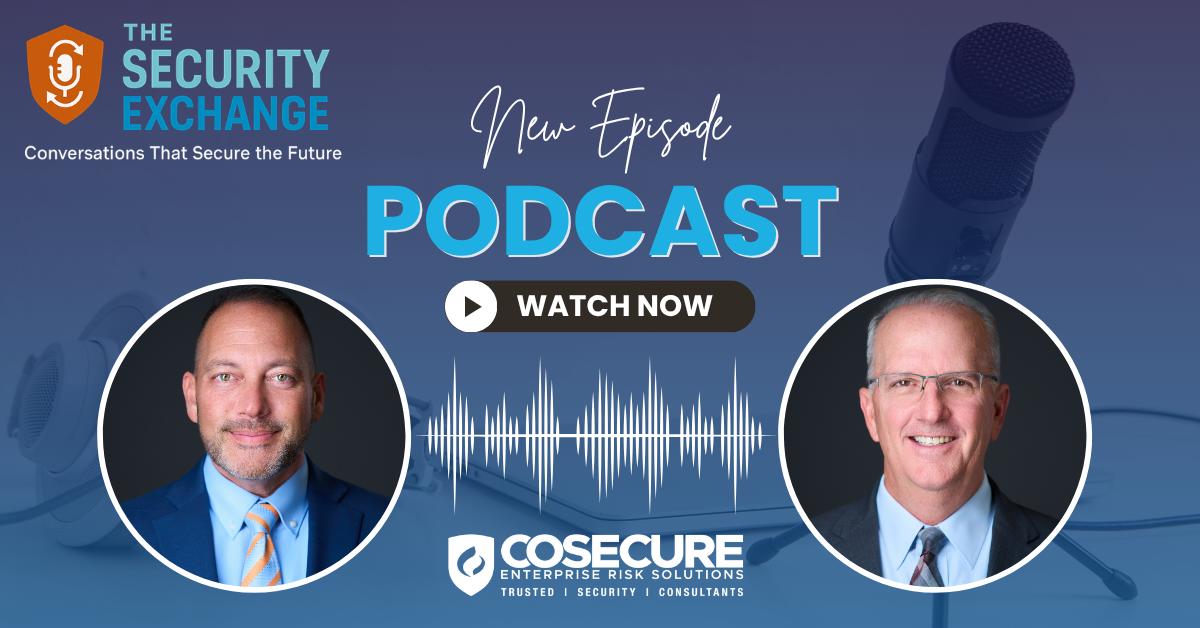
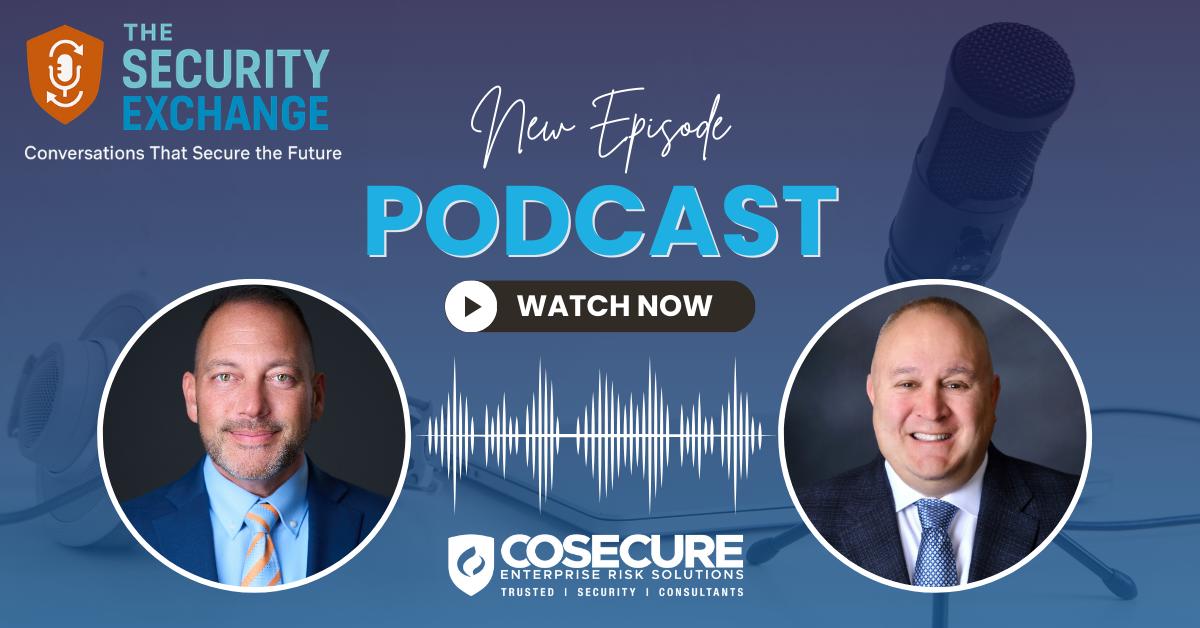
In this episode of The Security Exchange, host Dan Pascale, CPP (CEO of COSECURE) strips away administrative fluff to deliver an authoritative masterclass on active threat evolution alongside former U.S. Army Airborne Ranger and retired Vermont State Police Captain Rob Evans. Evans brings over 23 years of tactical law enforcement experience, including serving as tactical commander during the 2006 Essex Elementary School shooting, and more than a decade advising state agencies, school districts, and executive leadership nationwide as Executive Vice President at COSECURE. Twenty years after the Essex Elementary School shooting, the enterprise and K-12 threat landscape has fundamentally transformed.
For decades, administrators have hidden behind the illusion of rigid, one-size-fits-all lockdowns and expensive hardware. This episode pulls back the curtain on why legacy containment doctrines fail in real-time crises and outlines how tactical protocols have evolved from waiting for SWAT to empowering on-site personnel with dynamic, situational decision-making. Pascale and Evans dismantle the dangerous trap of "security theater," proving that perimeter hardening is useless without actionable intelligence, command interoperability, and disciplined prevention frameworks. This isn't about buying into panic-driven vendor hype; it is about maximizing security ROI by deploying proven mitigation strategies before an active threat breaches your facility.
The Key Insights:
•𝗧𝗵𝗲 "𝗗𝗶𝗿𝗲𝗰𝘁-𝘁𝗼-𝗧𝗵𝗿𝗲𝗮𝘁" 𝗧𝗮𝗰𝘁𝗶𝗰𝗮𝗹 𝗣𝗶𝘃𝗼𝘁: Eliminating the outdated "isolate, contain, and negotiate" SWAT mindset in favor of immediate, multi-agency dynamic entry teams that neutralize threats and extract casualties.
•𝗕𝗲𝘆𝗼𝗻𝗱 𝗥𝗶𝗴𝗶𝗱 𝗟𝗼𝗰𝗸𝗱𝗼𝘄𝗻𝘀 (𝗔𝗟𝗜𝗖𝗘 & 𝗢𝗽𝘁𝗶𝗼𝗻𝘀-𝗕𝗮𝘀𝗲𝗱 𝗗𝗲𝗳𝗲𝗻𝘀𝗲): Universal shelter-in-place mandates create sitting targets; facilities must adopt options-based frameworks that empower staff to evacuate or barricade based on dynamic sensory intelligence.
•𝗧𝗵𝗲 𝗣𝗮𝗿𝗸𝗶𝗻𝗴 𝗟𝗼𝘁 𝗮𝗻𝗱 𝗣𝗲𝗿𝗶𝗺𝗲𝘁𝗲𝗿 𝗕𝗹𝗶𝗻𝗱𝘀𝗽𝗼𝘁: Organizations routinely over-invest in structural core hardening while neglecting high-vulnerability exterior zones such as transit loops, athletic fields, and unmonitored parking lots.
•𝗣𝗿𝗼𝗮𝗰𝘁𝗶𝘃𝗲 𝗕𝗧𝗔 𝘃𝘀. 𝗥𝗲𝗮𝗰𝘁𝗶𝘃𝗲 𝗛𝗮𝗿𝗱𝘄𝗮𝗿𝗲: Comprehensive Behavioral Threat Assessment (BTA) protocols intercept grievances and operational leakage early, delivering far higher risk mitigation ROI than panic-bought physical gadgets.
•𝗧𝗵𝗲 "𝗛𝗼𝗼𝗱 𝗼𝗳 𝘁𝗵𝗲 𝗖𝗿𝘂𝗶𝘀𝗲𝗿" 𝗠𝗢𝗨 𝗙𝗮𝗶𝗹𝘂𝗿𝗲: Interoperability cannot be negotiated mid-crisis; establishing cross-jurisdictional MOUs, digital floor plans, and unified communication channels with first responders must occur long before an incident.
•𝗘𝗔𝗖 𝗮𝗻𝗱 𝗔𝗰𝗰𝗲𝘀𝘀 𝗗𝗶𝘀𝗰𝗶𝗽𝗹𝗶𝗻𝗲: Electronic Access Control (EAC) and single-point entry systems fail when operational culture is lax; physical controls must be balanced with situational awareness and staff vigilance.
•𝗧𝗵𝗲 𝗦𝘂𝘀𝘁𝗮𝗶𝗻𝗲𝗱 𝗥𝗲𝗰𝗼𝘃𝗲𝗿𝘆 𝗠𝗮𝘁𝗿𝗶𝘅: Incident management does not end when tactical clearing stops; enterprise resilience requires long-term critical incident debriefing and peer support to address operational trauma.
"𝘛𝘢𝘤𝘵𝘪𝘤𝘴 𝘦𝘷𝘰𝘭𝘷𝘦 𝘣𝘢𝘴𝘦𝘥 𝘶𝘱𝘰𝘯 𝘵𝘩𝘦 𝘵𝘩𝘳𝘦𝘢𝘵 𝘦𝘯𝘷𝘪𝘳𝘰𝘯𝘮𝘦𝘯𝘵. 𝘠𝘰𝘶 𝘤𝘢𝘯𝘯𝘰𝘵 𝘳𝘦𝘭𝘺 𝘰𝘯 𝘢 𝘰𝘯𝘦-𝘴𝘪𝘻𝘦-𝘧𝘪𝘵𝘴-𝘢𝘭𝘭 𝘭𝘰𝘤𝘬𝘥𝘰𝘸𝘯; 𝘸𝘦 𝘩𝘢𝘷𝘦 𝘵𝘰 𝘦𝘮𝘱𝘰𝘸𝘦𝘳 𝘧𝘢𝘤𝘶𝘭𝘵𝘺 𝘢𝘯𝘥 𝘴𝘵𝘢𝘧𝘧 𝘵𝘰 𝘮𝘢𝘬𝘦 𝘴𝘪𝘵𝘶𝘢𝘵𝘪𝘰𝘯𝘢𝘭, 𝘭𝘪𝘧𝘦-𝘴𝘢𝘷𝘪𝘯𝘨 𝘥𝘦𝘤𝘪𝘴𝘪𝘰𝘯𝘴 𝘪𝘯 𝘳𝘦𝘢𝘭 𝘵𝘪𝘮𝘦 𝘳𝘢𝘵𝘩𝘦𝘳 𝘵𝘩𝘢𝘯 𝘸𝘢𝘪𝘵𝘪𝘯𝘨 𝘢𝘴 𝘩𝘦𝘭𝘱𝘭𝘦𝘴𝘴 𝘷𝘪𝘤𝘵𝘪𝘮𝘴."