
درباره این اپیزود
What happens when your brain fills in the missing pieces of a story? And how do you know when the picture you've created is actually true?
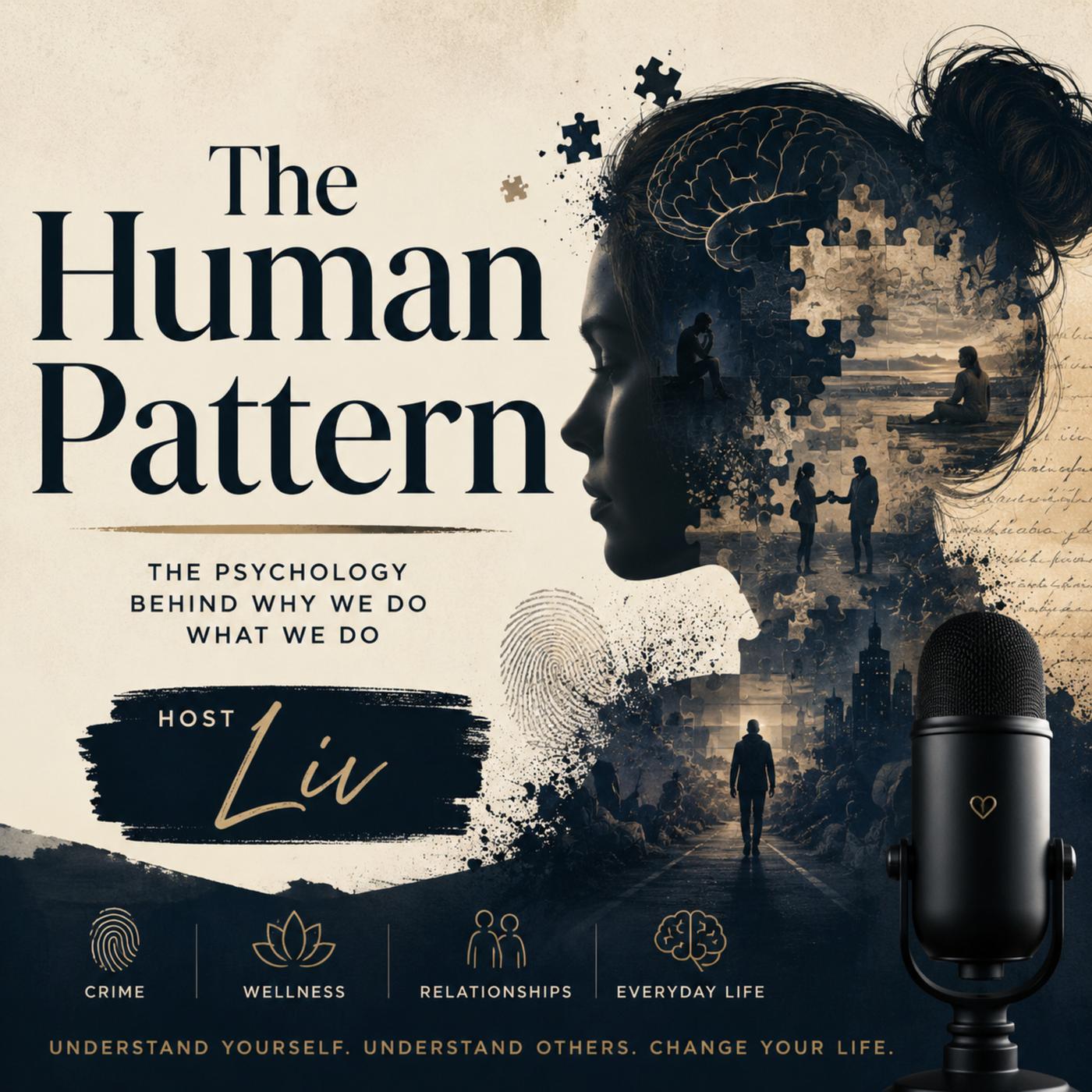
In this episode of The Human Pattern, Liv explores the psychology of belief, cognitive bias, and the human need to make sense of incomplete information.
Inspired by former federal prosecutor Tad DiBiase's discussion of no-body homicide cases on The Consult, we examine how juries interpret circumstantial evidence, why compelling stories can feel more convincing than facts, and how our brains can turn uncertainty into confidence.
Through the disappearance of Kristin Smart, the historic Boorn brothers murder case, and research into Gestalt psychology, confirmation bias, and the psychology of persuasion, we explore the remarkable ways our minds complete the picture, even when crucial pieces are missing.
And the most important question might not be whether the pieces fit, but whether they could fit a completely different picture.
Coming Thursday, November 19: A special bonus episode featuring my full conversation with Tad DiBiase about prosecuting murders without a body, courtroom persuasion, and what true crime audiences should understand about jury duty.
Mentioned in this episode
The Consult — Episode 135: No-Body Homicides with Tad DiBiase
The Kanizsa Triangle
The Kanizsa Triangle is a classic optical illusion demonstrating Gestalt psychology's principle of closure. Your brain perceives a white triangle even though no complete triangle is actually drawn.
Episode Commercial
Work Stream Systems — Business systems and CRM solutions. Make sure to tell them Liv from The Human Pattern sent you to hear special deals.
Connect with The Human Pattern
Subscribe or follow wherever you're listening, so you don't miss future episodes.
Stay curious, question the pattern.