


درباره این اپیزود
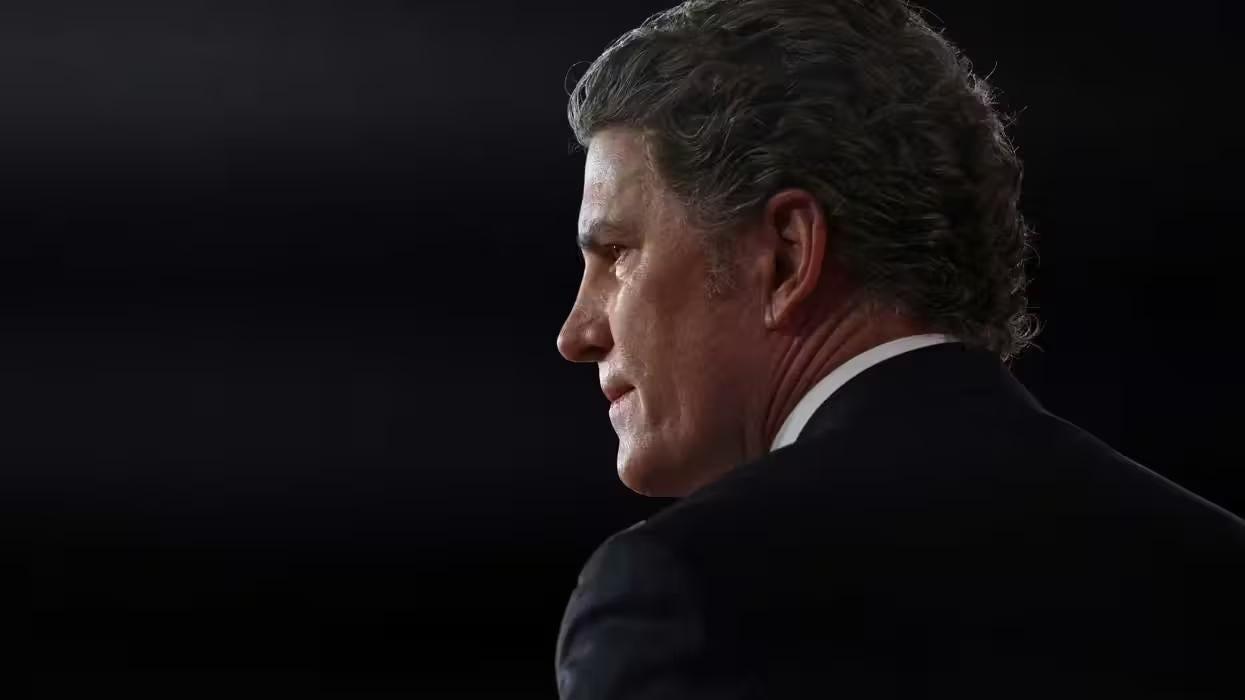
Bo French, candidate for the Texas Railroad Commission, in Grapevine, Texas, U.S. March 27, 2026. REUTERS/Callaghan O’Hare
The Racism Was Plain. The Republican Evasion Was the Strategy.
The Picture Was the Point
On September 13, Bo French, the Republican nominee for Texas railroad commissioner, posted a photograph of Indian American University of Texas fans celebrating a football victory and portrayed their presence as evidence of a worsening “problem.” Fort Worth Bishop Michael Olson called the message “racist and sinful,” while some MAGA figures defended French and attacked Olson. French did not apologize and, according to Olson’s account, used the backlash to raise money.
Immigration Was the Alibi
French’s post did not establish that anyone pictured was an immigrant, much less that any person lacked legal status. As Olson observed, the photograph revealed only that the fans had “a different complexion.”
Help fuel the work. Independent analysis doesn’t fund itself:☕ Buy us a coffee
That makes Jack Posobiec’s defense—an argument about a nation’s right to regulate immigration—a diversion. French had supplied no immigration facts to debate. The defense retroactively assigned foreignness to people based on appearance, then pretended the dispute concerned border policy.
This is how racial exclusion acquires bureaucratic camouflage. First, nonwhite Americans are depicted as evidence of demographic decline. Then defenders replace the actual conduct with a more respectable argument about immigration levels. The prejudice remains; only its label changes.
The Nominee Has Agency
French was not a bystander caught in an ambiguous controversy. He selected the image, described the people in it as a problem and, according to Olson, refused to apologize before fundraising from the uproar.
The predictable consequences were not abstract. The people pictured were treated as presumptively alien to an American university, an American sport and American public life. No evidence about their citizenship mattered because the insinuation worked through complexion alone.
Calling this a “debate among Republicans” risks laundering a clear sequence of decisions into factional noise. French acted. His defenders supplied excuses. Other Republicans, according to Democratic insider Christopher Hale, withheld a defense of the post while continuing to support French’s candidacy. Disapproval without political consequence is not accountability. It is reputation management.
Power Speaks Through Endorsement
Karl Rove said he would vote for the Democratic nominee. Donald Trump responded by attacking Rove as a “RINO.” That exchange clarifies the enforcement mechanism inside the party: the punishable offense was not French’s racial targeting but Rove’s refusal to support the nominee responsible for it.
Trump’s intervention shifted attention from the substance of French’s post to partisan loyalty. The message was straightforward: a Republican who withdraws electoral support risks expulsion from the movement’s definition of a “real” Republican. French, meanwhile, remained inside the boundary.
The institutional power here belongs to the candidate, the party figures who can validate or isolate him and the voters and officials positioned to impose consequences. It does not belong to the students used as visual material for a political message, nor to the bishop being denounced for identifying what the message did.
The Bishop Became the Defendant
Olson condemned the rhetoric in three sentences. His critics answered by calling him an apostate, accusing him of siding with “wolves” and, in one reply cited by Hale, declaring that “Racism is not sin.”
That response was an attempt to reverse the moral burden. French’s treatment of brown students became secondary; Olson’s refusal to bless it became the alleged betrayal. The target of scrutiny moved from a candidate seeking public office to a cleric stating that skin color does not disqualify people from American belonging.
Olson did not retreat. In an interview published later, he repeated his criticism and described the photograph as an object of political exploitation. His persistence matters because institutional cowardice often arrives dressed as caution: a vague lament about tone, followed by continued support for the person who created the offense.
Silence Is Part of the Coalition
Hale contrasted Olson’s response with what he described as a week of silence from Texas Governor Greg Abbott. The supplied reporting does not establish Abbott’s reasons, but the political effect of such silence is visible: French retained support while his critics absorbed the attacks.
This episode exposes a broader structure. Racial scapegoating does not require every party official to defend every racist statement. It requires only that enough powerful actors preserve the offender’s political viability, redirect the argument toward immigration or party loyalty, and leave the targeted people to prove they belong.
The system does not malfunction when explicit exclusion produces fundraising, loyalty tests and continued institutional support. It is revealing what it rewards.
Thanks to Alter Net
Source: MAGA rages at Catholic bishop who condemned Republican’s racist post
Systemic Error is a reader-supported publication. To receive new posts and support my work, consider becoming a free or paid subscriber.
We warned them.We told them.We shouted from the rooftops.We plead.We begged.They didn’t listen.Now, we all will suffer.Y’all know what to do, right?VOTE BLUE! 💙Vote as if your life — nay, our country — depend on it.Because, this time, and every time, it does.
This is a public episode. If you'd like to discuss this with other subscribers or get access to bonus episodes, visit paulstsmith.substack.com/subscribe


