WEBVTT
00:00:00.080 -->
00:00:04.411Imagine making beats in the middle of the bayou and you need some vocals to finish off your track.
00:00:04.411 -->
00:00:08.852So you hop on your laptop and collaborate in real time with a vocalist in New Jersey.
00:00:08.852 -->
00:00:13.752Today I'm chatting with the CEO of DAWn Audio, a startup that's making this a reality.
00:00:13.752 -->
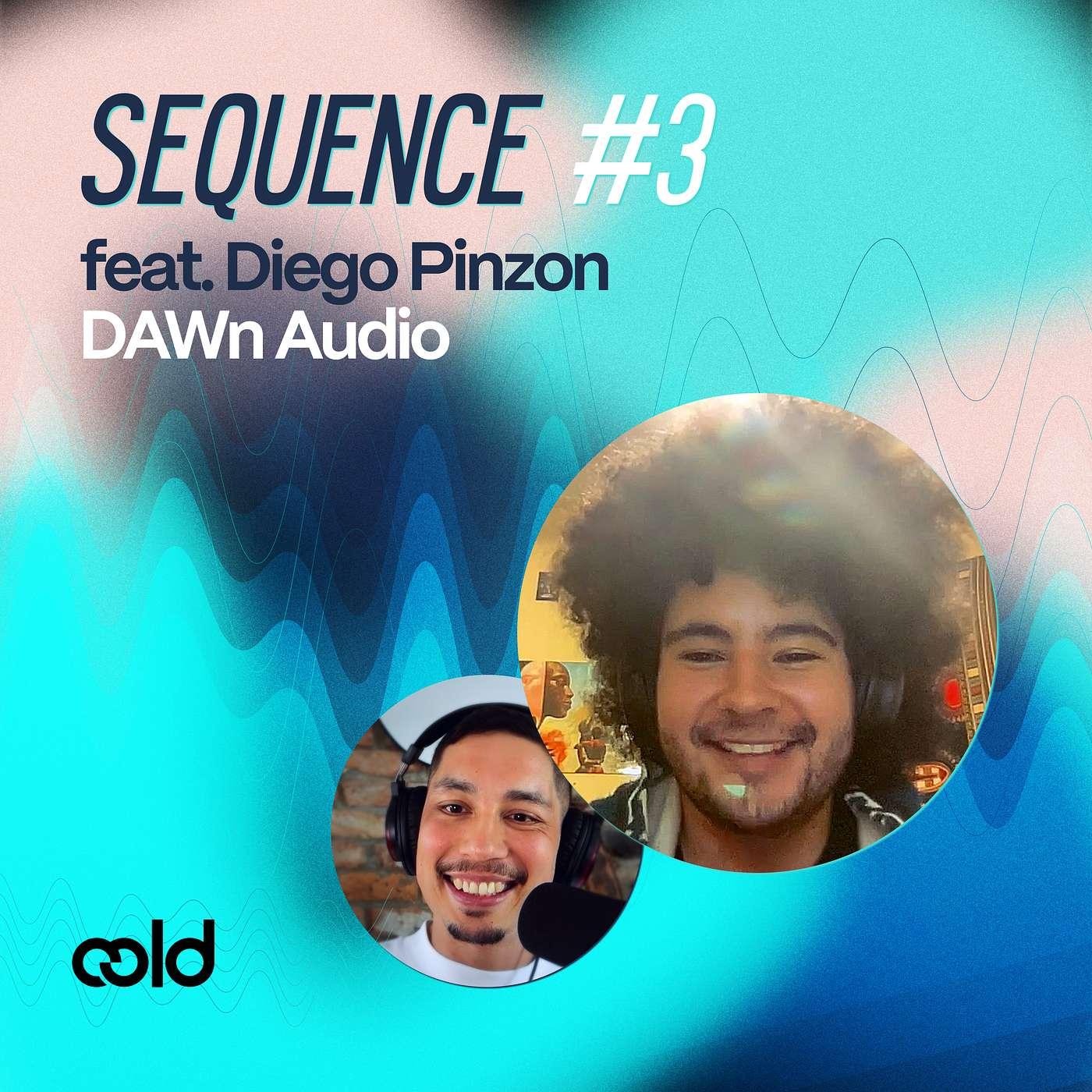
00:00:20.242I'm Tom, and this is Sequence, the show where you can learn about the latest music tech startups through the music that inspired them.
00:00:20.242 -->
00:00:31.533Let's go All right.
00:00:31.533 -->
00:00:33.954Well, today I'm joined by Diego Pinzon.
00:00:33.954 -->
00:00:36.801He's the CEO and co-founder at DAWn Audio.
00:00:36.801 -->
00:00:37.804Nice to have you, Diego.
00:00:38.064 -->
00:00:38.686Yeah, thanks, Tom.
00:00:39.148 -->
00:00:39.808So kind of.
00:00:39.808 -->
00:00:46.866Starting from the tool itself, I'll give you kind of like my clumsy description of what it is, and you can probably do a much better job.
00:00:46.866 -->
00:00:55.975So, basically allows producers and musicians to collaborate on tracks in real time, regardless of the digital audio workstation they're using.
00:00:55.975 -->
00:01:01.673So I could have Logic and you could have, like FL Studio, and we could be collaborating in real time creating a track.
00:01:02.299 -->
00:01:03.786Yeah, no, that's exactly it.
00:01:03.786 -->
00:01:08.444Real time creating a track yeah, no, that's exactly it.
00:01:08.444 -->
00:01:19.748Um, yeah, really really wanted to kind of, from the foot, set out and make something that didn't force creators to have to change their workflow just to collaborate, um, and so, yeah, we try to really stay as out of the way as possible and keep you, keep you working, however you're most comfortable got it, got it.
00:01:19.787 -->
00:01:22.001So that's kind of like the tool piece.
00:01:22.001 -->
00:01:27.534But what I noticed is not just a cool name, DAWn D-A-W-N, which stands for network.
00:01:27.534 -->
00:01:32.150Can you tell us like the bigger kind of mission or the bigger piece behind what you're doing here?
00:01:32.370 -->
00:01:34.822Yeah, absolutely yeah, I mean.
00:01:34.822 -->
00:01:38.951So it's interesting because this really started purely as a desire for the tool.
00:01:38.951 -->
00:01:48.147I had, you know, a friend up in New Jersey who I'd be sitting five feet away from and we still couldn't make music together because literally I was using Logic and he was using FL.
00:01:48.147 -->
00:01:53.168But the larger vision to your point really is around that network and what the tool can enable.
00:01:53.168 -->
00:01:55.343I always say I played a lot of Xbox growing up.
00:01:55.343 -->
00:02:00.061For me that became a space where it didn't matter if I knew what I wanted to do.
00:02:00.061 -->
00:02:04.129I knew that if I had 30 minutes of free time I could log on and someone would be online.
00:02:04.129 -->
00:02:05.933There'd be some game to play, do something.
00:02:05.933 -->
00:02:07.266We want to make that for music.
00:02:07.266 -->
00:02:10.430So you know, if you have 30 minutes free time on a Saturday, you can log on.
00:02:10.430 -->
00:02:11.604There's a network behind it.
00:02:11.604 -->
00:02:18.860You can meet a new collaborator, challenges, competitions, kind of really gamify, music creation, but all fueled by that technology.
00:02:19.020 -->
00:02:27.748That's been what really kind of is holding that side of music back kind of is holding holding that side of music back, got it so kind of like a lobby for musicians.
00:02:27.748 -->
00:02:41.604Just to kind of jump in, say I want to create something today, who else is around at the same time and you can just kind of get cooking on something yeah, yeah, exactly, we're calling it like a live creation network kind of that, that social community aspect that's centering um, you know, the actual music creation aspect nice.
00:02:42.006 -->
00:02:49.213Yeah, it's good to hear that kind of bigger purpose behind it, because definitely the real-time collaboration thing is a big challenge to solve.
00:02:49.253 -->
00:03:34.043But expanding it to that network to kind of get more people in it kind of becomes bigger than just like the tool that's, like you say, centering music in in the community yeah, definitely, and and yeah, we kind of have a big focus on helping kind of bridge that market between aspiring professionals and professionals, and so definitely feel like a lot of big name artists and professionals would love to be able to give back to their fans, their supporters, but obviously today it's like that means either traveling somewhere, having an in-person meet or you know, or using technology that's super limited, and so, yeah, the hope is that this will be a tool that not only is helpful for those established professionals, kind of streamlining the workflow but also the people that are just stepping into the industry, being able to tap into that network and kind of really learn and grow much quicker awesome.
00:03:34.182 -->
00:03:34.985Well, thanks for that.
00:03:34.985 -->
00:03:40.187So with that, I'm sure we're going to explore a few more of those themes across these different tracks.
00:03:40.187 -->
00:03:46.490The opener here, kind of a personal one, I'll say definitely literally personal performing in this track.
00:03:46.490 -->
00:03:55.991So we have Un Viejo Amor by Ana Gabriel, and this is you with your uncle and your father, and this is kind of a performance for your grandmother's birthday.
00:03:55.991 -->
00:03:59.210So take us through why this is significant to you.
00:03:59.860 -->
00:04:00.201Yeah.
00:04:00.201 -->
00:04:14.293So it's funny, I don't think I realized this growing up, but I think a huge part of the reason I played drums my whole life got into music production while an undergrad, and a huge part of the reason why I got into music absolutely, I think, is because of my dad.
00:04:14.293 -->
00:04:20.392Music for me has always been something that I love doing, but I never wanted to be my main career path.
00:04:20.392 -->
00:04:36.302My dad was like the type of person that every weekend, every time he was working from home and in between meetings like anytime he had five minutes of free time he would just pick up his guitar and just start playing something, and so music was always kind of, you know, in the living room playing.
00:04:36.302 -->
00:04:53.093When I was growing up, that's definitely what got me into my music playing and I was realizing it's not even just my own music creation, but even how I approach music as being this hobby, passion, kind of thing that I'm doing purely because, honestly, it's like therapeutic, it's healing, like all these things that I feel like.
00:04:53.093 -->
00:05:01.103That's exactly how my dad approaches music, like he'd never, you know, cared to be a professional touring musician or at least not that I know of.
00:05:01.906 -->
00:05:08.346Music is always something that in my family has been a way for us to kind of come together, but never was this thing of oh well, cool.
00:05:08.346 -->
00:05:09.899But how many streams are you getting?
00:05:09.899 -->
00:05:12.209Or you have a big following, a big audience.
00:05:12.209 -->
00:05:15.485So that specific song is just one that kind of definitely hurt a lot growing up.
00:05:15.485 -->
00:05:42.305I know my dad, I think, was the one that picked it that year that I don't remember which birthday it was for my grandma, but I know that we wanted to record something, um, and so yeah, yeah, I figured just that that impacted a lot of my own music journey there so I guess that kind of DNA almost of like the music has a coming together or like a social activity that is reflected in the wider DAWn community aspect, right yeah?
00:05:42.446 -->
00:05:56.990absolutely, um, and really we say with DAWn, like that, really, as an industry, I think we've we've shifted a lot to only valuing music as, like that finished product, final song, and not as that creative process.
00:05:56.990 -->
00:06:16.466That is what brings people together, that is what lets people explore their self-expressions, their passions, all these things that, honestly, I think, even as I'm saying that, I'm realizing, like, the reason I picked that video is I think that's one of the only videos that I have of us playing Because, again, for us, it's less about like, oh, we're playing this now, let's record it so we can do something with the product.
00:06:16.466 -->
00:06:29.627It's more like, no, we're playing it because the act of playing it, the act of coming together, together, like that's what's enjoyable, um, and absolutely I think that's core to don's dna is is that live creation aspect and the process of it less so.
00:06:29.627 -->
00:06:32.822Obviously, again, musicians got to get paid, we're all for that.
00:06:33.124 -->
00:06:46.766Um, but really re-centering in the creative process that is music super interesting because when I was listening to the track, it kind of got me thinking about like the different levels or types of collaboration that can happen, right.
00:06:46.766 -->
00:06:52.625So like, as you know, just like collaboration full stop creates new things that you probably couldn't do on your own.
00:06:52.625 -->
00:07:09.512But also like it got me thinking like if scientists are listening to this, like this is gonna be completely off base, but like there's a TEDx talk by someone called Dr David Greenberg and he's talking about the social aspects of music and it basically can change the hormonal composition of your brain.
00:07:09.512 -->
00:07:18.627If you get a group of people like chanting or playing music together, I think like cortisol goes down, like stress goes down and like dopamine goes up and stuff like that.
00:07:18.627 -->
00:07:28.103Again not sure about the exact thing, but basically that kind of live music setting syncs people up yeah, no, actually it's funny as, as you say.
00:07:28.163 -->
00:07:32.620so, I definitely always um love to geek out kind of on the science side of music.
00:07:32.620 -->
00:07:54.928I'd studied psychology for a little bit, um, but even like, I do some more organizing work, like community organizing and there's a uh, another organizer here in new orleans that I've been meeting to connect with for a while, but but they do these things called community sings, which is literally like bringing people physically together and it's not, like, you know, professional vocalists, it's like everyone and anyone from the community.
00:07:54.928 -->
00:08:13.468But it really serves as kind of healing space, because I think, yeah, as you're saying, like when people come together, even if you have zero talent or skill or training or any of these things, like if you can kind of feed into that just energy, that's that's socially and communally there that music kind of creates, I think, yeah, it's a, it's a really great experience nice, nice.
00:08:13.767 -->
00:08:37.599Well, keeping on that theme, we're kind of looking at now looking not just like coming together in one place at one time, but almost like people coming together across time, and so what I mean by that is the next one we have up is Wildflower by Hank Crawford from 1973, and like from that opening phrase, hip-hop heads especially will kind of recognize wait a minute, I know this track.
00:08:37.599 -->
00:08:47.815Yeah, I think it's been sampled, but at least like 43 different times, right from like Kanye to J Cole, Drake, you know Tupac, you name it.
00:08:47.815 -->
00:08:51.532So tell us why you picked this particular track yeah.
00:08:51.572 -->
00:08:58.676So I played drums growing up, got into music production and I think because of that, my preferred form of producing is sampling.
00:08:58.676 -->
00:09:11.849It's very rhythmic, very drummer kind of mindset, um, and that track actually actually I'm working on a song with an artist here in New Orleans, but I produced a track and it samples that record.
00:09:11.849 -->
00:09:25.527And for me, like one of the as I think I mentioned, like one of the things that kickstarted DAWn, was this frustration of literally being like five feet away from my friend and not being able to make music, because I didn't want to learn his DAWn, he didn't want to learn mine.
00:09:25.527 -->
00:09:40.666And so that workflow element like even if I'm going to other people's like studios, I now use Ableton, and like, even if they're using Ableton or they're on a Mac, like there's something about being in somebody else's environment, using somebody else's tools that throws you off a little bit.
00:09:40.666 -->
00:09:46.442It just kind of like forces you to have to take an extra moment to think before everything that you're doing.
00:09:46.883 -->
00:09:53.884And for me, like when I'm in my studio on my DAW, I have a uh, like an Ableton Push um.
00:09:53.884 -->
00:10:11.148Like when I'm, when I have my flow, um, I feel like I can crank stuff out like you know five minutes and I already have something going, whereas sometimes it's like I'll be at someone else's studio, someone else's environment, and it's like, oh, I'm like a deer in headlights right now, like I feel like I'm just completely out of my element.
00:10:11.148 -->
00:10:14.735For me that that piece really centered that aspect of like um.
00:10:14.735 -->
00:10:55.647It's probably one of the like my favorite tracks I've produced, the one that samples that um but that element of really being able to kind of tap into your personal flow and kind of work from there it's kind of interesting because we kind of kicked off talking about collaboration as like a means to create something new or something different.
00:10:55.746 -->
00:11:02.528But also you kind of have this familiarity aspect of like your own tools, your own studio.
00:11:02.528 -->
00:11:04.375So I guess what we're saying is like DAWn is almost like the best of both worlds.
00:11:04.375 -->
00:11:04.889You can like your own tools, your own studio.
00:11:04.889 -->
00:11:06.707So I guess what we're saying is like DAWn is almost like the best of both worlds.
00:11:06.707 -->
00:11:09.293You can use your own stuff, use your own flow.
00:11:09.293 -->
00:11:19.244You don't have to like learn pro tools, like figure out where the compressor is on this particular door, but also you kind of still introducing that novelty.
00:11:19.244 -->
00:11:23.375You're not like airdropping files with the guy sat next to you kind of thing.
00:11:23.375 -->
00:11:26.024Right, you're actually doing it in real time.
00:11:26.024 -->
00:11:28.995How does that like hybrid, real-time collaboration?
00:11:28.995 -->
00:11:32.844But also the familiarity like how does that play out within the product?
00:11:33.065 -->
00:11:33.264yeah.
00:11:33.264 -->
00:11:42.442So we'll get a lot, of, a lot of times, like when we first explain it to people, everyone in their head really thinks like, oh cool, well, it must be that we're all working off like the same project.
00:11:42.442 -->
00:12:01.000And for us it really it was clear that because we knew that we wanted to set out to create not just another tool for people to have to learn, but really something that like at its core were those two elements the collaboration and the obviously kind of not breaking up the workflow, not having to email audio airdrop, like all these things.
00:12:01.000 -->
00:12:05.448But secondly was that being able to keep you in that familiar environment.
00:12:05.448 -->
00:12:16.423And so there's been certain things that like, even like with the current version of the app, it works kind of more audio focused, it's a little less visual focused, and so you know, I might have my Ableton session.
00:12:16.534 -->
00:12:22.268Let's say, you had a Pro Tools session or something like I'm not getting your actual Pro Tools files and vice versa.
00:12:22.268 -->
00:12:27.065That's been kind of by design, like that's what allows us to work, rasta and live.
00:12:27.065 -->
00:12:53.437But it is interesting sometimes talking to folks because I think that the first perception is like, oh, it must be that we're, like, you know, merging these or you're converting these files into a common format and all these things, and I think really, once people see it and kind of really understand, like again, our, our goal is to be as out of the way as possible, and so you really end up running a session almost without even realizing that you're like collaborating with someone or because you're fully immersed, kind of, in your environment.
00:12:53.437 -->
00:13:07.105Um, for you it's like you said, you're not having to figure out, oh, if I'm collaborating with someone in fl, like where is their compressor or how does their eq work, I'm really just working in ableton got it so dumb question that came out of that while you were speaking.
00:13:07.145 -->
00:13:15.320So does it actually create two different projects, like so I can I write to yours and you write to mine, and actually we can kind of be collaborating across different projects?
00:13:15.500 -->
00:13:21.038yeah, yeah, so there is an element of being able to uh kind of record into each other's DAW.
00:13:21.217 -->
00:13:24.123That would really mainly happen if, let's say, like you were running a Pro Tools session.
00:13:24.143 -->
00:13:33.986What's cool is that because we're never really having to transfer export I can maintain my full like effects chain and you can maintain yours.
00:13:33.986 -->
00:13:47.182For example, like I was working with a vocalist where, like I was engineering the session, they were recording out of their studio, they were using fl and they were able to record their vocals into my daw, but with their full affection.
00:13:47.182 -->
00:13:52.662So I didn't own auto tune at the time and so they had set up their vocal chain like how they normally set it up.
00:13:52.662 -->
00:13:59.716They're recording it, but at the end of the day, because I was the one engineering it, I was getting the vocals on my end, um, so that I could then kind of mix it easier after.
00:13:59.716 -->
00:14:02.741So, yeah, it kind of lends itself to a couple different workflows.
00:14:02.741 -->
00:14:16.015That's really where we're at right now is trying to to have as many different creators using it, kind of giving feedback, so we can kind of really see how to optimize for because everyone works completely differently, um, and so really trying to optimize for those different workflows that's cool.
00:14:16.035 -->
00:14:17.498So I guess it has flexibility.
00:14:17.498 -->
00:14:26.032You could like almost use it like as a scratch pad or like, hey, how about if you did this and like I send some midi across, you send it back and there's like a main session, so to speak.
00:14:26.072 -->
00:14:51.241That's, that's really cool, yeah, even, um, yeah, I think, like you said, like it's it's really cool for getting ideas down quickly, um, or even it's like not multiple sessions, but it's just one session, but uh, we've had a lot of engineers want to use it with their clients to be able to like, while they're mixing, get feedback and not have to, you know, like, oh, here's version 15 and actually can you tweak, you know this volume at two minutes and 30, like that whole process.
00:14:51.241 -->
00:14:56.181And and then the, the last thing I'll say, there is like even uh, to this point about the workflow.
00:14:56.181 -->
00:15:02.860Like, uh, I think a lot of times too, when we'll talk about DAWn, people think, oh cool, it's a, it's a great tool if you're not in the same room.
00:15:02.860 -->
00:15:19.407But even if you were in the same room and using the same DAW, like at most it's kind of one person at the computer at a time, whereas with our app it really kind of makes this like multiplayer environment where all of us can simultaneously be making these edits, making changes, contributing.
00:15:27.414 -->
00:15:30.001It's less like I'm looking over your shoulder waiting for you to, you know, finish so I can hop on.
00:15:30.001 -->
00:15:31.086Hey, pan that a little bit to the left.
00:15:31.086 -->
00:15:32.369Yeah, yeah, that's cool, just a final note on that track.
00:15:32.389 -->
00:15:33.312The sax tone on that record is so smooth!
00:15:33.331 -->
00:15:33.633Oh my god yeah
00:15:33.653 -->
00:15:36.559It's like the most beautiful sax I've ever heard
00:15:36.801 -->
00:15:40.357yeah, no, I think, like you said, I think that's probably the the most standout ish.
00:15:40.357 -->
00:15:44.230Um, like I'm sure most people, if they hear the beginning, might be like, oh, this sounds familiar.
00:15:44.230 -->
00:15:49.121And then the sax comes in and they're like, oh wait, I know exactly what this is also arranged by bob james.
00:15:49.461 -->
00:15:59.557I didn't know before and I was okay, so like this, like you know, sample king, I guess in a way unintentionally yeah arranged, and I could kind of see a bit of his blueprint on that too.
00:15:59.557 -->
00:16:00.599So that was kind of a cool.
00:16:00.620 -->
00:16:02.381Yeah, wait, I didn't even realize that I'll have to.
00:16:02.402 -->
00:16:08.758Yeah, I'll have to look more into that, yeah so actually this next one is actually kind of wild, uh, in a good way.
00:16:08.758 -->
00:16:11.644So this is Wells Fargo by Dreamville.
00:16:11.644 -->
00:16:28.323This came out of like an intense 10-day artist camp, like a label camp, but with a twist that invited a bunch of like outside producers and other artists in to collaborate and that's captured in the documentary Revenge of the Dreamers, yeah, which is awesome.
00:16:28.323 -->
00:16:30.326So I'd recommend anyone take a look at that.
00:16:30.326 -->
00:16:34.068Tell us why you put this one in and what significance it has to you.
00:16:34.350 -->
00:16:36.371Yeah, I was really trying to figure out.
00:16:36.371 -->
00:16:43.309I knew I wanted a song from this project so I'm a huge Dreamville fan, fan of like kind of that whole scene.
00:16:43.309 -->
00:17:01.518Um, I remember when they were recording that album, like it became this whole industry event where they sent out these like almost golden ticket kind of willy wonka chocolate factory thing where like artists were getting this invitation to this exclusive camp and people were then like sharing it and saying like, oh, I got invited, I got invited.
00:17:01.518 -->
00:17:09.654I think there was like a complex interview where one of them would describe it as like an artist Disneyland where it was just like this recording studio.
00:17:09.956 -->
00:17:34.675They had a bunch of different rooms, there wasn't too much of a set intention other than we're going to make an album in a short time frame and so, like from watching the documentary and seeing interviews, like it became this thing where people were like, oh, I'd be in the kitchen like making a bowl of cereal and suddenly here down the hall like someone working on a track that was going crazy, and just be like, oh, let me hop in and see what I can add, you know, maybe lay down a verse and then pop out see what's going on in the other room.
00:17:34.675 -->
00:17:46.162And so it just became this very like free, flowing, clear example of like what happens when you can bring creators together and create an environment where they're just pumping out uh kind of content or tracks and making music.
00:17:46.162 -->
00:17:59.077And I knew, like I said that I wanted to pick a track from that album, that specific track, I think in the documentary, like highlights, because I think it was it was literally like that type of thing where, like someone was playing a track by chance and someone like hopped in.
00:17:59.077 -->
00:18:00.362It was like wait, this is crazy.
00:18:00.362 -->
00:18:01.806They started laying something down.
00:18:01.806 -->
00:18:11.335Then, like I think buddy popped in, like you know, like it just became this like very quickly kind of bigger session out of like I think someone just kind of happened to be playing a beat or something.
00:18:12.016 -->
00:18:45.538And yeah, for us really like in that larger vision, that like you know network piece of it, like we really would love to create that experience but online, where people can just be kind of like ideally, I don't know, on a weekend we could do like a little camp or something where people can just be kind of like ideally, I don't know, on a weekend we could do like a little camp or something and people are just hopping session to session, really quickly being able to contribute, lay down tracks, pop into the next thing, kind of just like creativity at its peak, of just like free flowing, no barriers, no limitations, um, kind of working from there that is cool as hell, like I imagine you could like put out like a challenge, like hey, we're trying to record an album in the next three days.
00:18:45.778 -->
00:18:46.859Who wants to jump in on this?
00:18:46.859 -->
00:18:51.702So I assume this was kind of why you picked this just the energy and the collaboration.
00:18:51.702 -->
00:18:55.384This is almost the ultimate version of collaboration.
00:18:55.384 -->
00:19:00.949You're just getting everyone in the same place Pressure, cooking, cold or something like that.
00:19:00.949 -->
00:19:02.430People are getting competitive.
00:19:02.450 -->
00:19:08.336yeah people are trying to like one up each other and I think I've got it written down 124 songs came out of this.
00:19:08.336 -->
00:19:12.045Yeah, right, like this particular track, I think was on the last day.
00:19:12.045 -->
00:19:15.780You just got like a group of people collaborating together.
00:19:15.780 -->
00:19:27.221It kind of got me thinking again about this, this idea of an environment, a place where creativity can come out, like the dungeon of the Atlanta rap scene or Abbey Road Studios.
00:19:27.240 -->
00:19:30.311You know, these kind of hallowed grounds of creativity.
00:19:30.311 -->
00:19:32.057How do you think that's kind of different?
00:19:32.057 -->
00:19:39.237Or what is the experience for you like within DAWn and this kind of remote slash hybrid collaboration?
00:19:39.237 -->
00:19:40.819What's your kind of thoughts on that?
00:19:41.359 -->
00:19:52.008Yeah, I mean I absolutely feel like environment plays a huge role, like I think even the studio that recorded that I think was like Tree Top or Tree Sound or something like that.
00:19:52.008 -->
00:20:05.458I know, even talking to engineers, like I think a big part of your role as like the recording engineer in the session or the engineer running the session, is like making that environment as comfortable and as suitable for people to just be like pumping out ideas.
00:20:05.458 -->
00:20:08.660Environment as comfortable and as suitable for people to just be like pumping out ideas.
00:20:08.660 -->
00:20:12.867That's kind of at the at the core of what we're trying to do.
00:20:12.867 -->
00:20:19.692Is like if I'm most comfortable in my bedroom or sometimes like honestly, I love going out to, like I live right by you, it's like a nice place to just kind of sit by, like I love going with.
00:20:19.692 -->
00:20:35.500I also have the machine micro like very portable drum pad, love going, just sitting out there and like've been saying to my friend I'm like yo, we gotta just do like a session on DAWn one of the days I'm out there and so really kind of removing that constraint from having to be in a certain physical location.
00:20:35.800 -->
00:20:47.372Obviously I think there's still a ton of merit to, you know, those kind of more classic studios that have spent a ton of time, energy, like intentionality, crafting a space like that.
00:20:47.471 -->
00:20:50.567By all means, if you have access to that, go and go and tap into that.
00:20:50.647 -->
00:21:01.068But also, I know, even tapping into like some different online communities of creators and producers, like there's a ton of creators that are like, oh, I would love to you know, be more serious about my music.
00:21:01.108 -->
00:21:28.883But I live in like the middle of oklahoma where there's like two people that make music and I'm like, yeah, ok, so you don't have access to these studios, but it would be great for you to still be able to tap in, plug into a session where someone that is, you know, in whatever other environment, can also be simultaneously kind of collaborating, kind of removing that barrier, and so less so trying to like replace in-person collaboration and more remove some of the barriers that do exist when, for example, that can happen.
00:21:28.883 -->
00:21:30.807Or again, even like in-person sessions.
00:21:30.807 -->
00:21:36.729We actually just in August ran a producer camp where we had some creators here in New Orleans.
00:21:36.729 -->
00:21:48.347We had some creators up in New Jersey and we had them collaborating kind of across states for a couple of hours, and so we had all the creators here in New Orleans go to a single recording studio, just because it was easy to kind of manage that way.
00:21:48.347 -->
00:21:53.365But we were still able to enhance that by having a producer in New Jersey, the one that was collaborating with them.
00:21:53.701 -->
00:22:04.968The concept of replacing things comes up a lot when actually it's just an alternative option, like you say, for that person in Oklahoma with like one other person like 50 miles away.
00:22:04.968 -->
00:22:09.855They're not going to abbey road, they're not getting you know invites to you know camps and stuff.
00:22:09.855 -->
00:22:24.505So I think it increases access for different people and I think the result as well maybe will be slightly different than like a intensive in-person, but it's still different than if you just kind of were on your own or even just like sending stuff back and forth.
00:22:24.505 -->
00:22:27.069So I think it like does capture that spirit.
00:22:27.510 -->
00:22:38.093Kind of got me thinking of like one of my favorite albums, which is a Champion Sound by Jaylib , which was a J Dilla- Madlib collaboration back in 2003.
00:22:38.093 -->
00:22:53.904Yeah well, when I when I first heard about how it was done, so I assumed they were kind of in the studio together making stuff, but like I think they were just sending tapes back and forth between LA and Detroit over time and just like in my head and this is how I imagined it Like you get a little Jiffy bag.
00:22:53.904 -->
00:22:56.684J Dilla, sent me a beat.
00:22:56.744 -->
00:23:00.428And like you probably have days to kind of think about it.
00:23:00.428 -->
00:23:10.068So it's like a different type of flow, but it still can result in like incredible music different type of flow, but it still can result in like incredible music.
00:23:10.088 -->
00:23:11.513So, yeah, I don't think it's about replacing stuff necessarily.
00:23:11.513 -->
00:23:20.486Yeah, no, I think that's that's a big um kind of key to it is like, however it is, that is your preferred format, workflow, like way to make music, like that's how you should be able to show up to the table.
00:23:20.787 -->
00:23:33.450Um, and yeah, we're just kind of trying to help facilitate that well, that's, that's cool and it's been great talking through all this and kind of the different levels of collaboration and different types of workflow that you can get through.
00:23:33.450 -->
00:23:38.885DAWn, and I like the idea of the Bayou, the Bayou, yeah, yeah, yeah.
00:23:38.885 -->
00:23:44.489So I think, as of recording, right now you're on closed beta waitlist stage.
00:23:44.489 -->
00:23:45.986Where can people go to sign up?
00:23:51.839 -->
00:23:52.080Yeah, yeah.
00:23:52.080 -->
00:23:55.913So we just spent the last month and a half, two months or so, um, kind of invite, only testing what we're calling version three of our app.
00:23:55.913 -->
00:23:57.480Um, it biggest changes it comes with a plugin.
00:23:57.480 -->
00:24:02.259There's a kind of workflow now where creators can record with actually zero latency.
00:24:02.278 -->
00:24:06.751So even though you are remote um, kind of that fully immersed experience you're staying in your DAW.
00:24:06.751 -->
00:24:08.527If you Google DAW Audio, it should come up.
00:24:08.527 -->
00:24:09.522But our website is https://site.
00:24:09.522 -->
00:24:09.522dawn-audio.
00:24:09.522 -->
00:24:12.270com/.
00:24:12.270 -->
00:24:15.759That's where you'll see the most up-to-date info on the rollout.
00:24:15.759 -->
00:24:39.895We are working on a little trial of this kind of the larger vision, the network piece, kind of launching something that that is leaning on some kind of gamification and makes kind of music collaboration and and growing your skills as a producer, kind of a fun thing that's fueled by that network but that that still allows you to kind of because we're able to leverage DAWn kind of show up without having to learn a whole new tool.
00:24:39.895 -->
00:24:48.288That will probably have announcements coming out in the coming weeks from from today, but All of that can be found on our website or on our Instagram at DAWn.
00:24:48.579 -->
00:24:49.664Got it, go check it out,
00:24:50.046 -->
00:24:50.407Okay!