

درباره این اپیزود

More at https://www.philosophytalk.org/shows/shakespeares-outsiders.
Over 400 years after his death, Shakespeare is still widely regarded as the greatest dramatist of all time. His many plays tackle questions about power, influence, identity, and moral and social status. His characters—be they villains or heroes—are often disdained because of their race, religion, class, disability, or gender. So what do Shakespeare’s plays reveal about identity and status in his time? How might they shed light on who we include and who we exclude today? Could Shakespearian dramas have more in common with modern day soap operas than we think? Ray and guest-host Adrian Daub go inside with David Sterling Brown from Trinity College in Hartford, author of "Shakespeare's White Others."
Over 400 years after his death, Shakespeare is still widely regarded as the greatest dramatist of all time. His many plays tackle questions about power, influence, identity, and moral and social status. His characters—be they villains or heroes—are often disdained because of their race, religion, class, disability, or gender. So what do Shakespeare’s plays reveal about identity and status in his time? How might they shed light on who we include and who we exclude today? Could Shakespearian dramas have more in common with modern day soap operas than we think? Ray and guest-host Adrian Daub go inside with David Sterling Brown from Trinity College in Hartford, author of "Shakespeare's White Others."
انگلیسی
ایالات متحده آمریکا
رونوشت 🔗
Are you the producer of this podcast?
Add a podcast transcript
Need Audio-to-Text?
Transcribe with Listen411 in Just 60 Seconds
جستجوی اپیزودهای گذشته
اپیزودهای قبلی Select Episodes را جستجو کن.
قسمت های دیگر در این پادکست
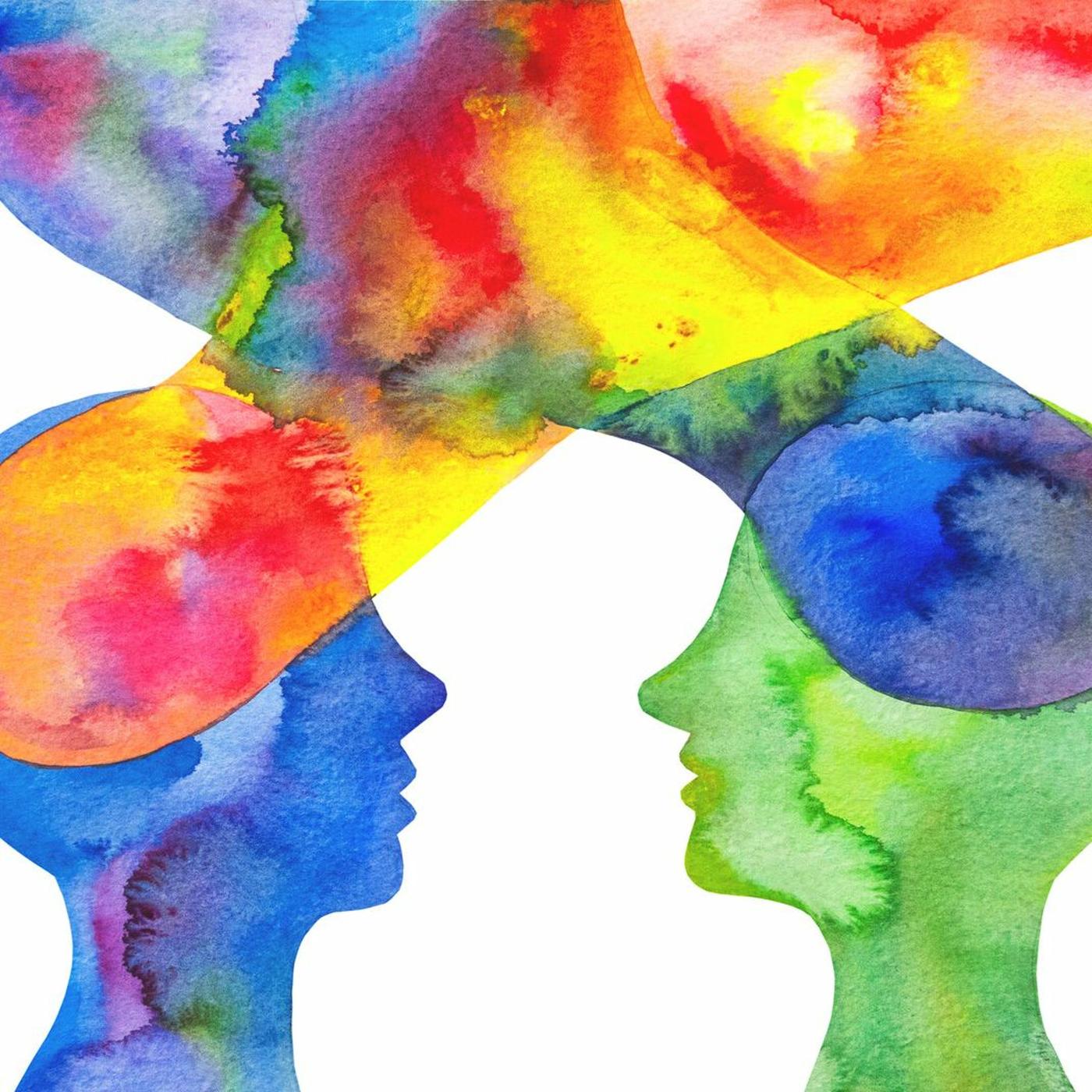
More at www.philosophytalk.org/shows/mind-sharing.
Mind reading might sound like the stuff of science fiction. But in philosophy and psychology, mind reading is something that human beings do whenever we try to guess what another person is thinking. Could it be that people are also natural born mi…
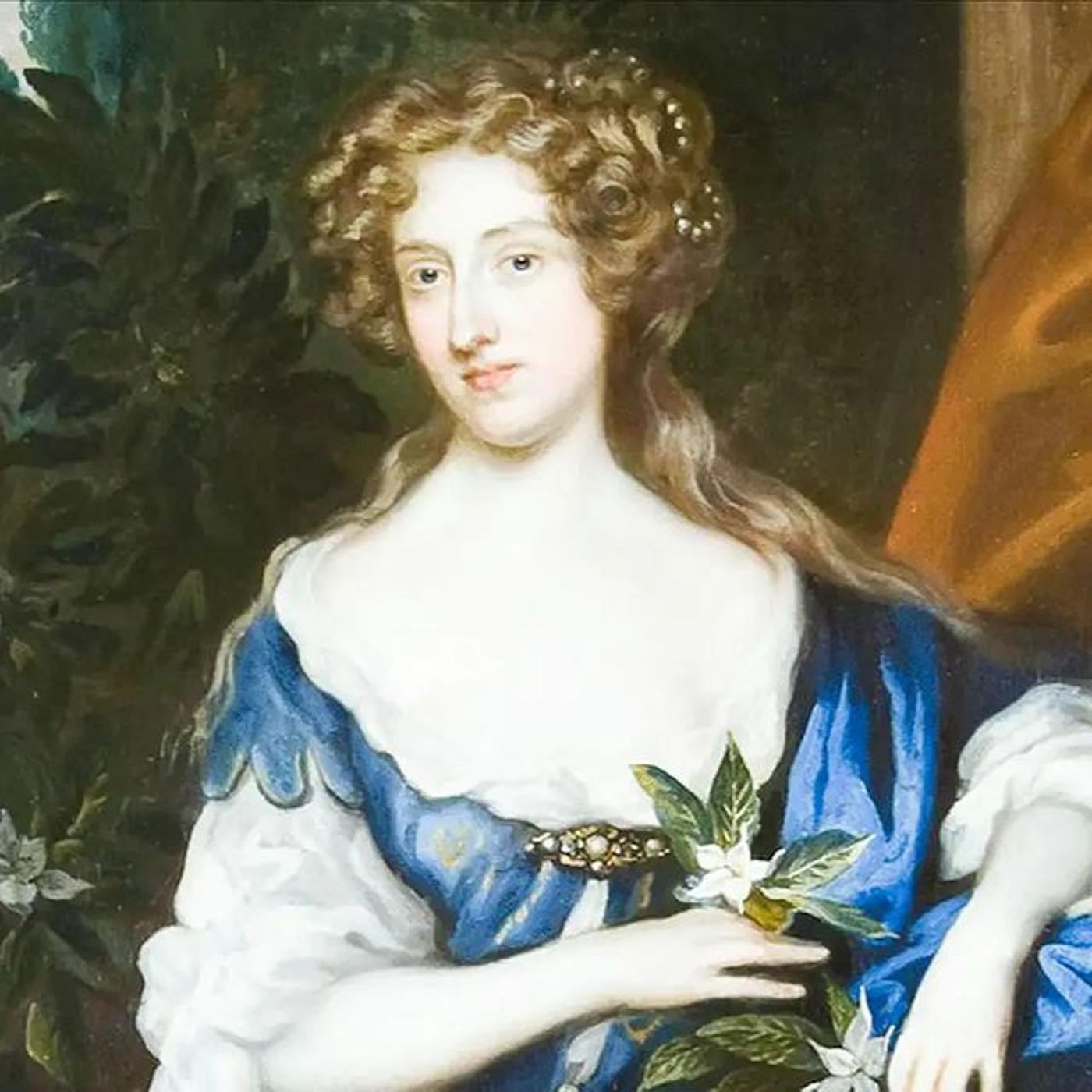
More at https://www.philosophytalk.org/shows/margaret-cavendish.
Margaret Cavendish was a writer of poetry, philosophy, polemics, histories, plays, and utopian fiction. She employed many different genres as a way to overcome access barriers for women and build an audience for her subversive philos…
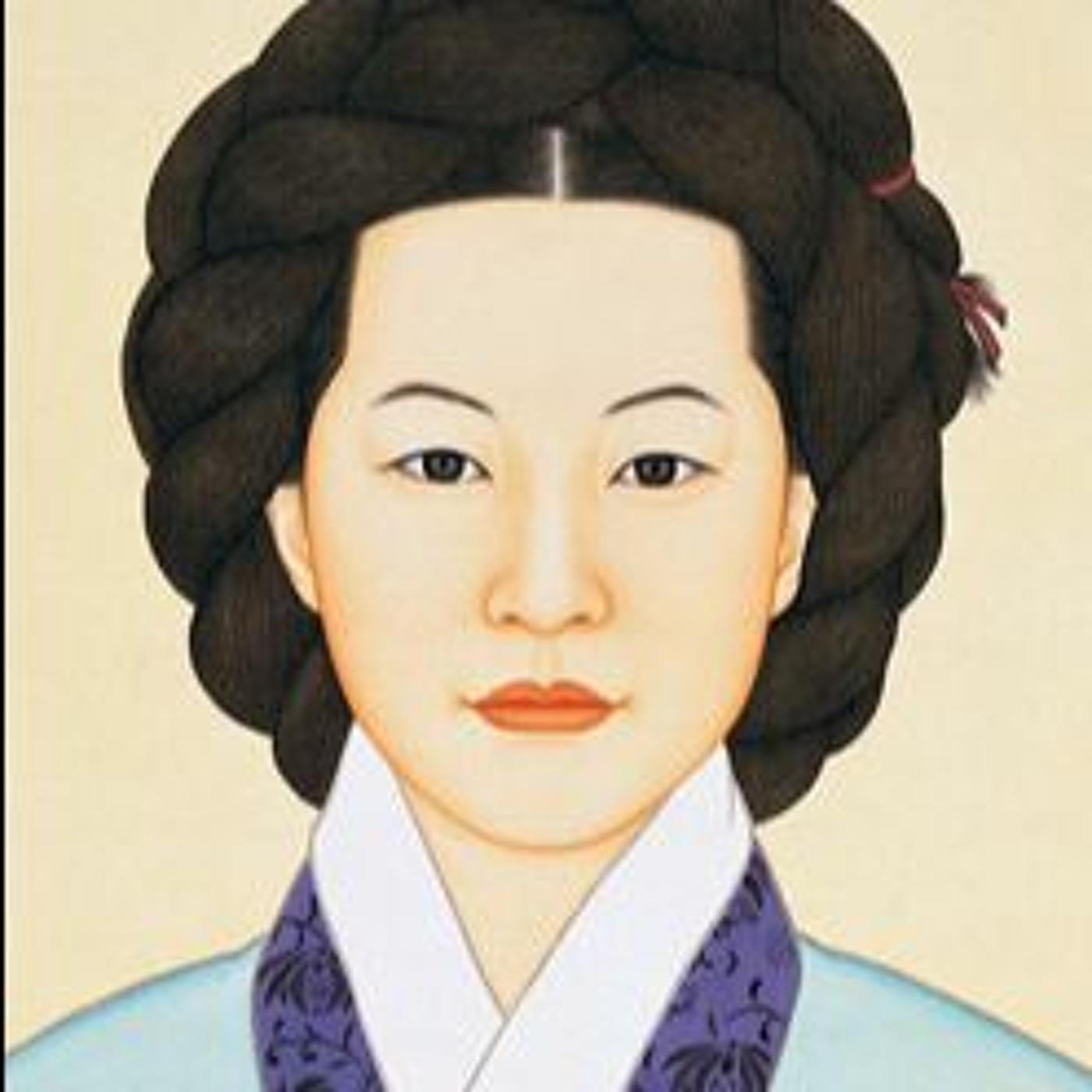
More at https://www.philosophytalk.org/shows/im-yunjidang.
18th-century Korean philosopher Im Yunjidang was the first Confucian to argue for women’s equality in matters of morality and to claim that women, just like men, can be sages. She also argued that it isn't just what you do that matters mor…
More at https://www.philosophytalk.org/shows/mary-astell.
Mary Astell (1666–1731) was an English philosopher and writer who advocated for equal rights for women. While she described marriage as a type of “slavery,” she was also a staunch conservative who claimed that women who did marry should acc…
More at www.philosophytalk.org/shows/elisabeth-bohemia.
Princess Elisabeth of Bohemia (1618–1680) is best known for her correspondence with René Descartes. In her letters, she articulated a devastating critique of his dualist theory of mind, in particular on the impossibility of mind-body interact…
سلب مسئولیت: پادکست و آثار هنری تعبیه شده در این صفحه متعلق به Philosophy Talk است که متعلق به صاحب آن است و به Listen Notes، Inc وابسته یا تایید نشده است.
ویرایش
از کمک شما برای بروز نگهداشتن پایگاهدادههای پادکست سپاسگزاریم
