


درباره این اپیزود

Why the rowers, crews and clubs that cope best are not the ones where nothing goes wrong. They are the ones that can change direction when the plan falls apart. Resilience isn't powering through with brute force, it's the ability to adapt to try a different approach and let go of what's not working (in the boat, the crew, the club). Same question every time - What's our next move from here?
Timestamps
01:15 When Ross from friends gets a couch
The perfect picture of life when the obstacles are bigger and the path isn't straight.
In rowing we get situations where a pivot is needed. Ross was right you do need to have the ability to pivot.
02:30 Technique pivots
In technique you find the coaching approach isn't working - trying harder may just create tension, stress and no improvement. The pivot is to change the approach not the effort. Have a different cue (aural not verbal) or body position which is a different way to achieve the change. Try video, try it on the erg, in the single, slower / faster. All these approaches enable you to make a change by thinking about a pivot to a different way to do it.
04:00 Finding a crew
You want to get a group together to do something - it often doesn't work. It can be hard to break into a group which appears to be already sorted. Don't wait for the "perfect" lineup - think about changing the approach instead.
Row with the crew you've got - cut an eight into a four, have a regular list of alternates/substitutes who can come at late notice. We often suggest building your own crew rather than trying to break into an existing crew. Ask new joiners to try rowing a quad on a Wednesday. Look at the Learn to Row graduates and pick out a few who might be able to join you. "super stars" may get invited to join the fast crowd but most of us don't get selected like that. Be available to be the regular substitutes when the fast crowd crew needs an extra person. This can lead to the two crews blending and helping each other out - it builds trust.
07:30 In the Club
Things break - often just before an important regatta. Or the club has no money to do what you want to do. Your pivot could be to start with what you have. Can you borrow or share a boat? Could you run a club repair day and invite the local boat builder to show you how to do repairs on site? Ask if someone has tools who could lead a working bee to fix up the club house - simple things that don't require a lot of expertise.
Other fundraising ideas can come from other sports - would a group watch party for a coaching video be fun? Sell food at the same time.
when things don't go to plan, shouting Pivot louder is not a solution. Keep asking the same question "what is our next move from here?". Listen to the quiet people - the introverts - they often have good ideas and get shouted down by the loud folks.
These things compound and that can become the "new normal" for your club.
انگلیسی
ایالات متحده آمریکا
رونوشت 🔗
Are you the producer of this podcast?
Add a podcast transcript
Need Audio-to-Text?
Transcribe with Listen411 in Just 60 Seconds
جستجوی اپیزودهای گذشته
اپیزودهای قبلی RowingChat را جستجو کن.
قسمت های دیگر در این پادکست

Weight on the feet is one of the three key concepts for rowing and sculling mastery. How it's a key transition point in the stroke cycle and the giant advantages for crews who can all get there at the same time.
Timestamps
01:00 Weight on the feet
This can be hard to understand how to do weight on …

Three cheap and simple hacks to help your sculling. Small clever fixes to real problems that scullers deal with all the time. One for your head, your wrists and your blade depth.
Timestamps
01:00 Sculling Hacks for self-coaching
Sculling technique faults are very subtle and you can't always feel th…

Repeating workouts to improve your skill at doing them - how to sharpen into the piece, count down, ways to swap with bow four. How not to waste strokes and ways to start on the right stroke rate.
Execution quality is a performance variable in its own right.
Timestamps
01:00 Execution quality matte…
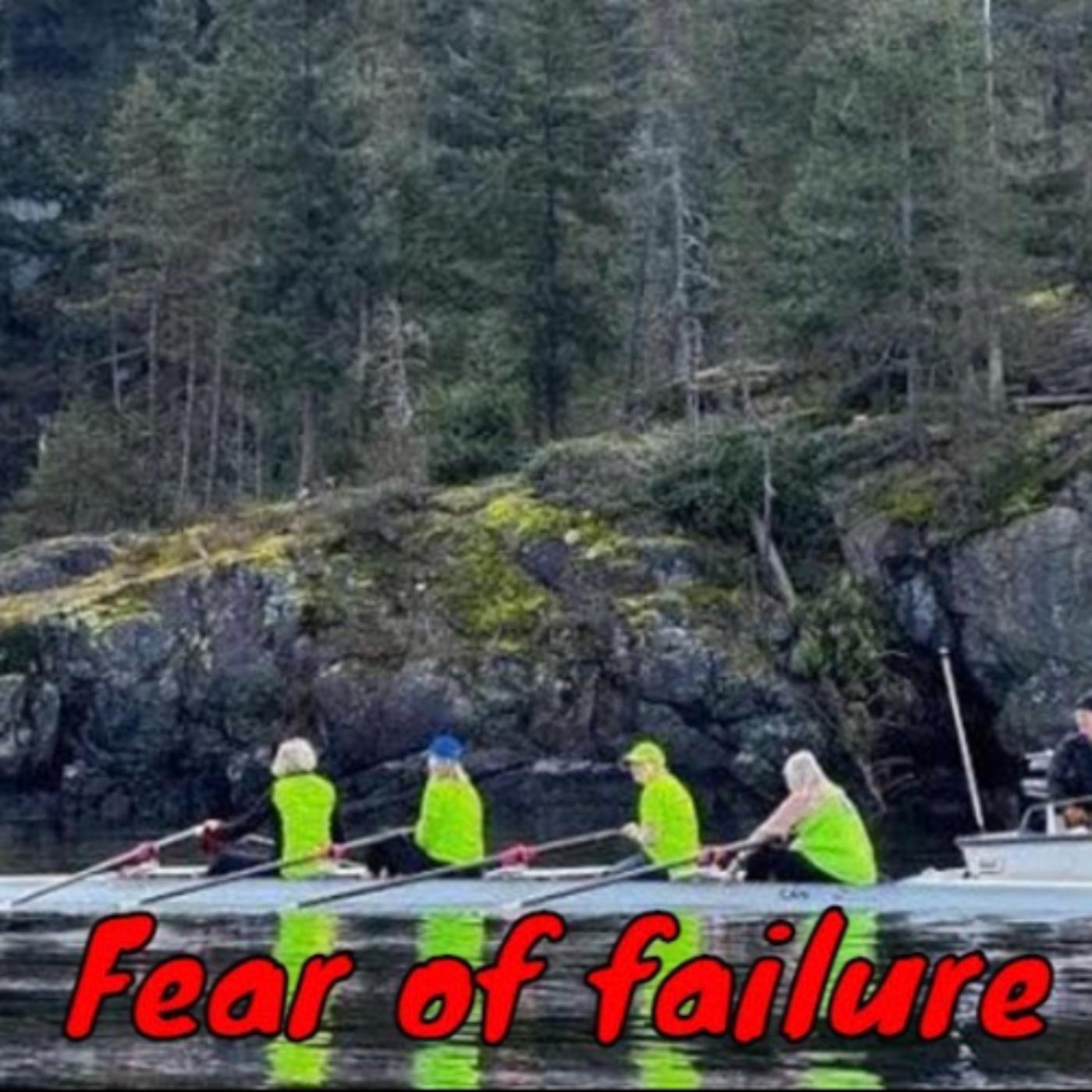
Limiting beliefs can hold you back due to fear of failure. Is this the biggest hurdle for your rowing progress?
Timestamps
00:45 Fear of failure
I would love to go and race at (this regatta) but I don't want to come last. What is it that they are frightened of? Would you like to do the world master…

Three fixes for your indoor rowing technique faults.
Timestamps
01:00 The unforgiving erg
Interrupt the fault before it becomes a habit. Foot connection gets lost at the finish as your toes come away from the footstretcher. When you lose connection you aren't moving the boat forwards, same on the e…
سلب مسئولیت: پادکست و آثار هنری تعبیه شده در این صفحه متعلق به Rebecca Caroe است که متعلق به صاحب آن است و به Listen Notes، Inc وابسته یا تایید نشده است.
ویرایش
از کمک شما برای بروز نگهداشتن پایگاهدادههای پادکست سپاسگزاریم
