

درباره این اپیزود
The benefits of drills and ways to improve your rowing boat skills.
02:00 Skills in the boat.
You have to spend time in the boat to acquire skills. What is your available time for practicing?
Choose frequency over long outings. If your crew practices 3 times a week, can you add in a short single sculling outing alone to develop your skills?
- Establish patterns
- Body sequence
- Blade work
- Power application
- Steering
Use structured exercises to learn the pattern.
Execute all your drills to a high level of skill - move carefully and deliberately.
05:00 Check your static position first at the finish at the start of the outing.
Re-check each outing, especially if your crew lineup has changed.
06:15 Have a plan. Don't just go through the motions thoughtlessly.
Pick drill has a purpose. It's a drive suspension drill and also to warm up your body. Be mindful in the boat with your movements.
Develop your skills - check your adjustment each outing. Rushing into the outing may not be helpful.
08:30 Skills progression for masters rowers.
Faster Masters has written a progression of skills from Beginner, intermediate and through to advanced skills.
This is the first time we have ever seen a detailed list which athletes can use to track their progress - tick each one off as you learn.
10:00 How a coach can use the skills progression with a group.
Know what each athlete needs to Learn NEXT.
More experienced athletes can process more coaching input. Beginners don't need the
why. Just orient them to the boat and the stroke to begin with - introduce the why later on.
When the coach focuses on the least experienced first it can mean the more experienced don't get coached.
14:00 Challenge the experienced athletes
Different skilled athletes in one crew, use the drill to coach both inexperienced and experienced people giving them both something to work on in the drill.
16:00 Getting a new crew together using drills to align stroke patterns.
- Pause at hands/body away aligns the timing at the release. Work on this first.
Give the less experienced people one point to focus on and something more advanced for the other athletes. Be creative in your coaching. Each person wants individual attention.
- Pause at release and observe your finish body position. Check your elbows, posture and feet positions.
- Blade tap down - start with oars on the surface of the water when on the recovery. This teaches the handle height on the drive phase. Then tap down 1 cm and progressively increase the depth of tap down. Allows being more precise about the weight in the hand on the recovery.
- The rowing in place drill - also known as the Push / Pull drill.
Helps adjust hands correctly on the oar handle, learn the body sequence and keep the oars horizontal in both the recovery and the power phase.
You can watch the top edge of the blade in the water during this drill.
How to get the skills drill progression document. It is part of the Masters Coaching Certification course.
https://fastermastersrowing.com/member-register/coach-certification/
Want easy live streams like this? Instant broadcasts to Facebook, YouTube, LinkedIn. Faster Masters uses StreamYard: https://streamyard.com/pal/d/5694205242376192
انگلیسی
ایالات متحده آمریکا
در این اپیزود
رونوشت 🔗
Are you the producer of this podcast?
Add a podcast transcript
Need Audio-to-Text?
Transcribe with Listen411 in Just 60 Seconds
جستجوی اپیزودهای گذشته
اپیزودهای قبلی RowingChat را جستجو کن.
قسمت های دیگر در این پادکست

Repeating workouts to improve your skill at doing them - how to sharpen into the piece, count down, ways to swap with bow four. How not to waste strokes and ways to start on the right stroke rate.
Execution quality is a performance variable in its own right.
Timestamps
01:00 Execution quality matte…
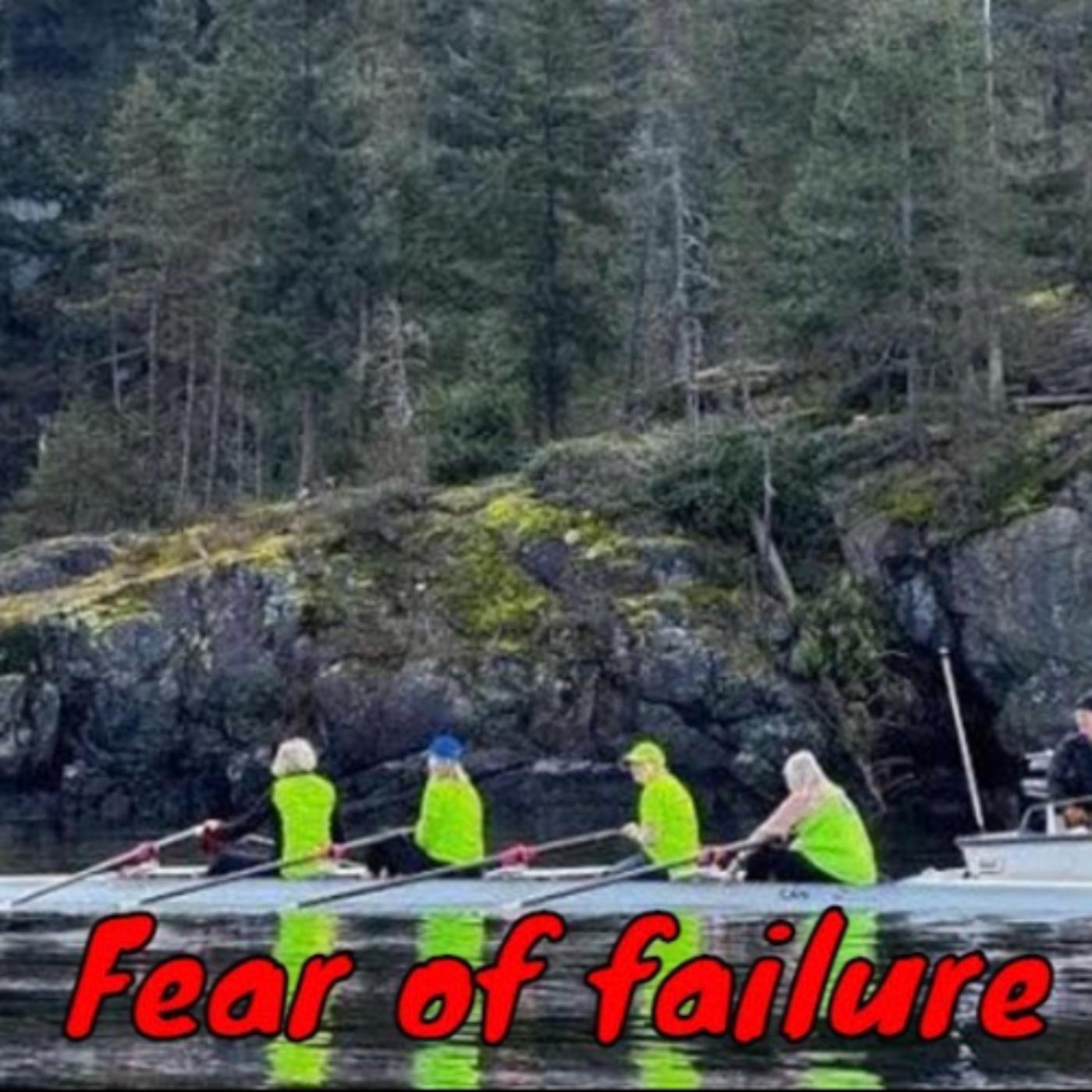
Limiting beliefs can hold you back due to fear of failure. Is this the biggest hurdle for your rowing progress?
Timestamps
00:45 Fear of failure
I would love to go and race at (this regatta) but I don't want to come last. What is it that they are frightened of? Would you like to do the world master…

Three fixes for your indoor rowing technique faults.
Timestamps
01:00 The unforgiving erg
Interrupt the fault before it becomes a habit. Foot connection gets lost at the finish as your toes come away from the footstretcher. When you lose connection you aren't moving the boat forwards, same on the e…

Weight on the feet is one of the three key concepts for rowing and sculling mastery. How it's a key transition point in the stroke cycle and the giant advantages for crews who can all get there at the same time.
Timestamps
01:00 Weight on the feet
This can be hard to understand how to do weight on …

Three cheap and simple hacks to help your sculling. Small clever fixes to real problems that scullers deal with all the time. One for your head, your wrists and your blade depth.
Timestamps
01:00 Sculling Hacks for self-coaching
Sculling technique faults are very subtle and you can't always feel th…
سلب مسئولیت: پادکست و آثار هنری تعبیه شده در این صفحه متعلق به Rebecca Caroe است که متعلق به صاحب آن است و به Listen Notes، Inc وابسته یا تایید نشده است.
ویرایش
از کمک شما برای بروز نگهداشتن پایگاهدادههای پادکست سپاسگزاریم
