

درباره این اپیزود
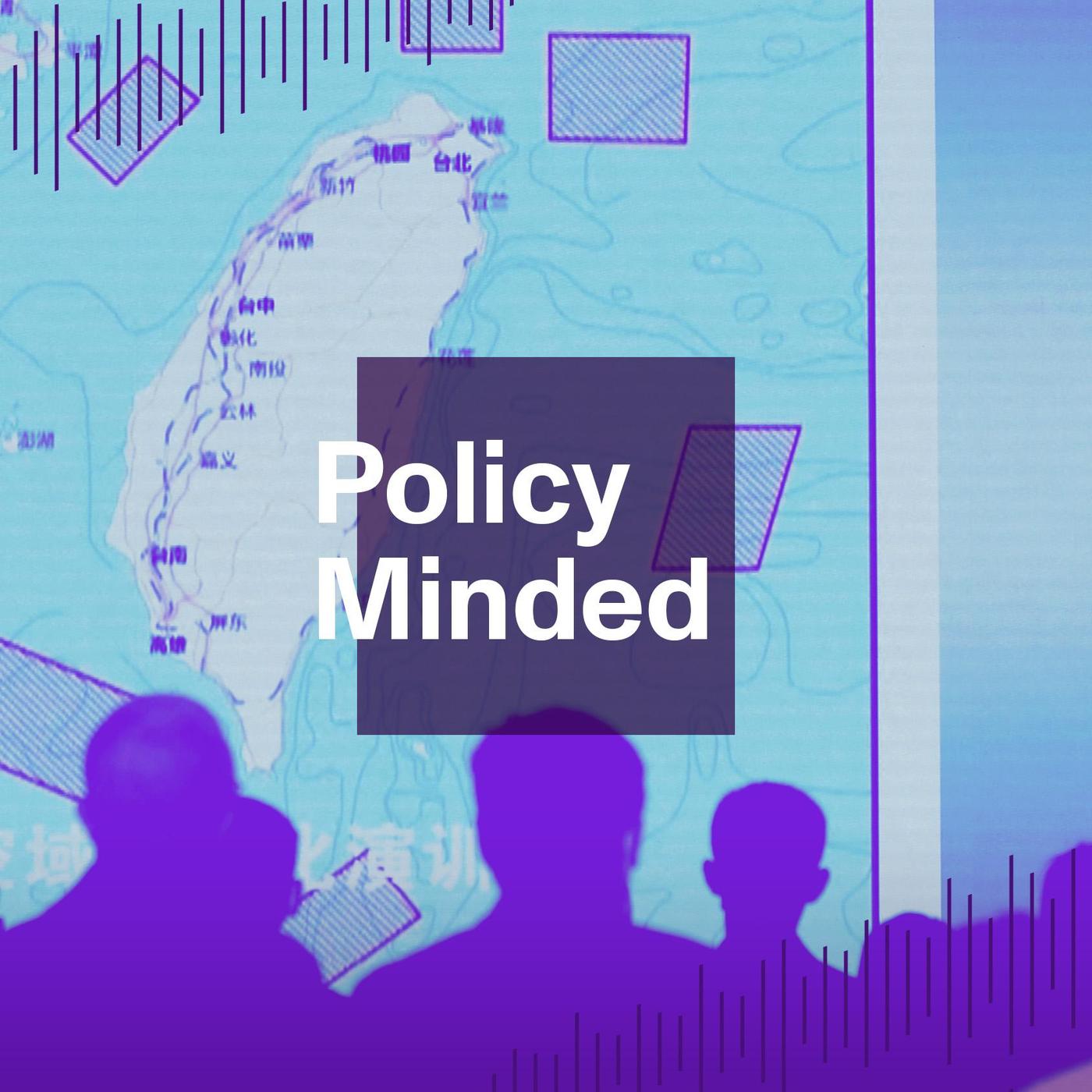
If China appeared ready to attack Taiwan, could economic pressure help stop a conflict before it starts? RAND's Howard Shatz and Naoko Aoki discuss how sanctions and other economic tools could influence Beijing's calculus and where they might face limitations.
انگلیسی
ایالات متحده آمریکا
رونوشت 🔗
Are you the producer of this podcast?
Add a podcast transcript
Need Audio-to-Text?
Transcribe with Listen411 in Just 60 Seconds
جستجوی اپیزودهای گذشته
اپیزودهای قبلی Policy Minded را جستجو کن.
قسمت های دیگر در این پادکست
In this Veterans Day episode, RAND's Carrie Farmer discusses some of the key issues facing those who served—from finding civilian jobs to accessing high‑quality health care. Farmer breaks down what's working, what's not, and the policy changes that could make a meaningful difference.
Young people are increasingly turning to AI for mental health support—even in moments of crisis. Ryan McBain discusses this trend, the risks it poses, and how AI tools could be made safer for those seeking help.
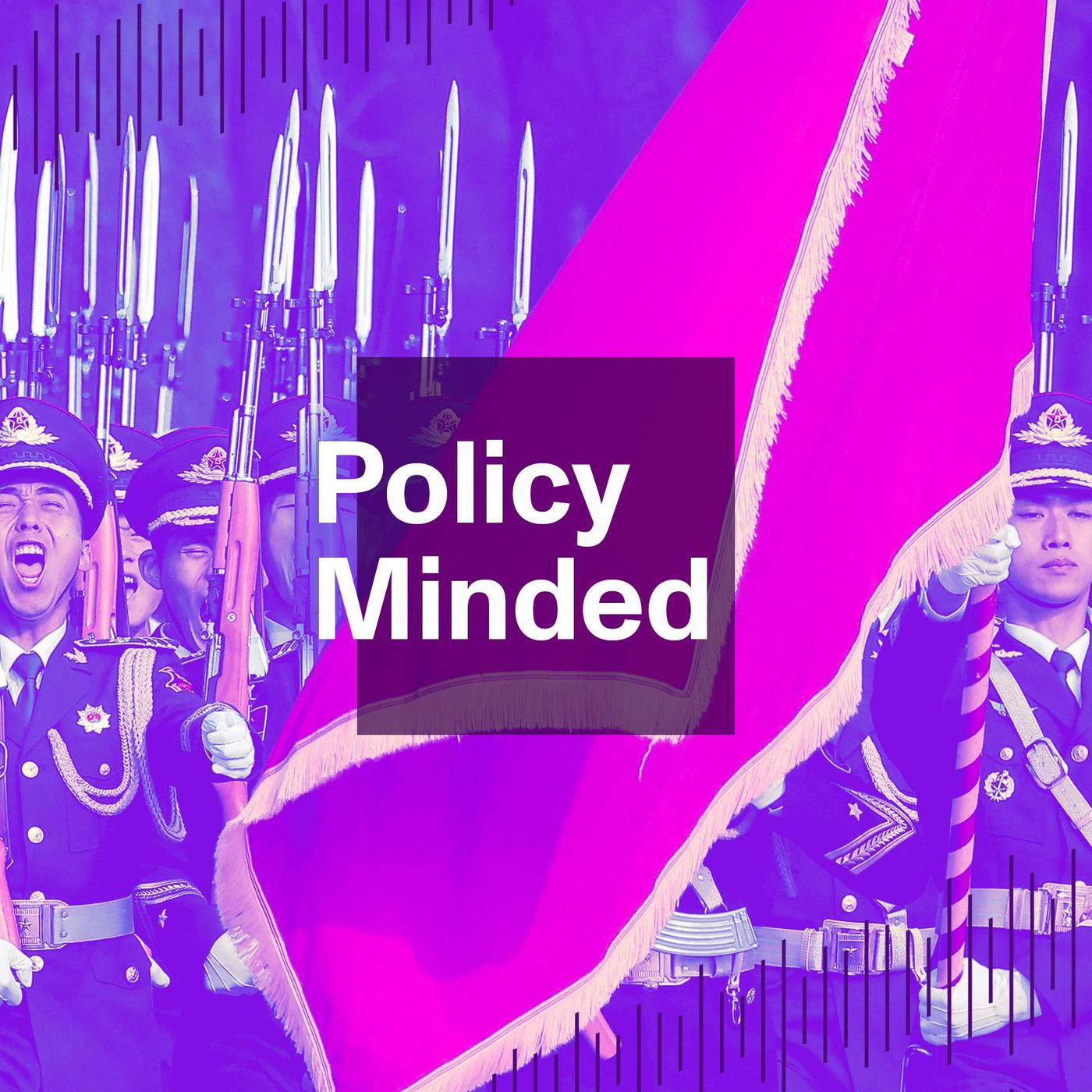
China is working to modernize its military. At the same time, the Chinese population is aging rapidly and declining. What happens when China's military aspirations collide with these two trends?
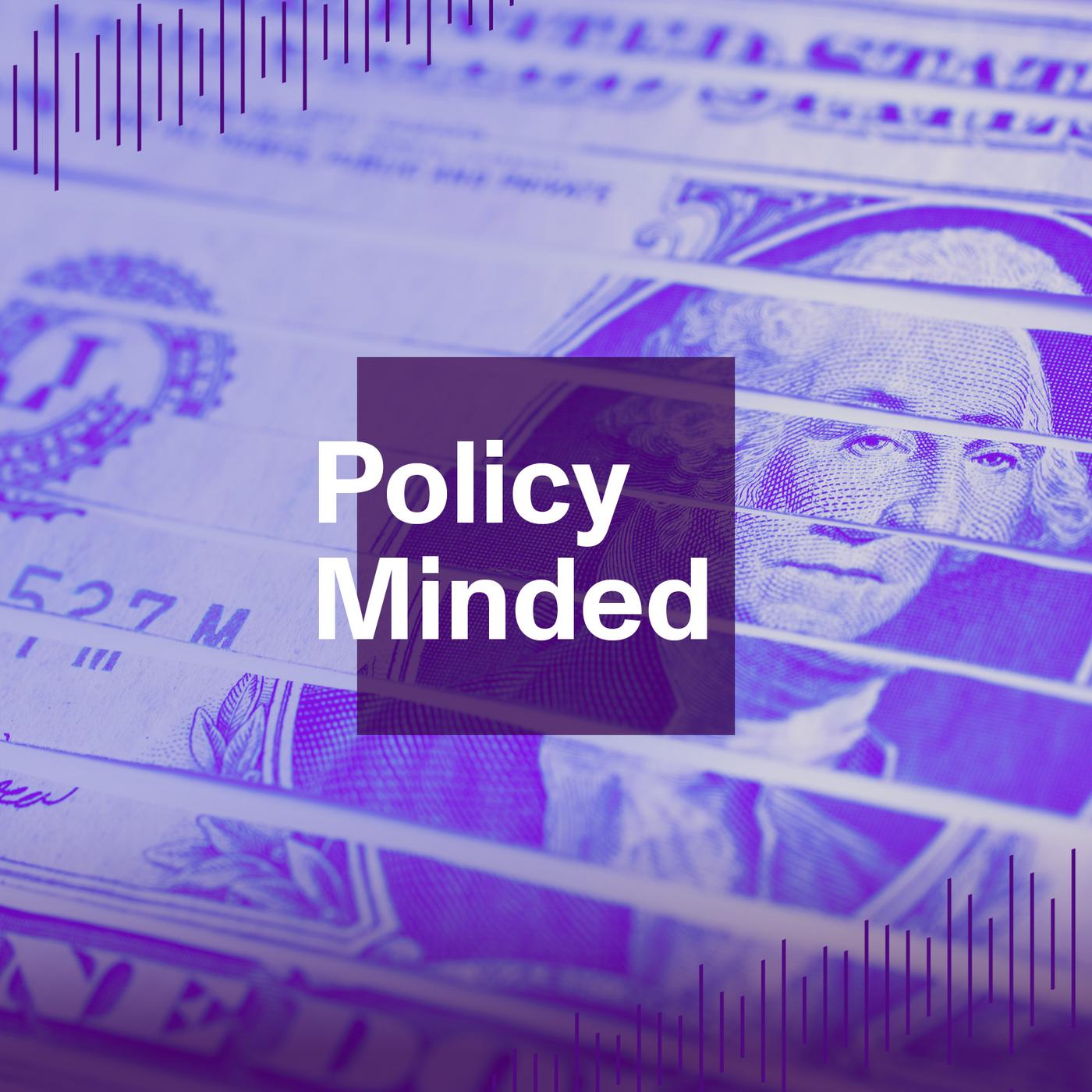
What if you knew the economic effects of every line in the federal budget? The RAND Budget Model is making this possible, using AI to break down spending and tax policy. Economist Jeffrey Wenger explains how the Budget Model works, how it can be used, and why it matters to all Americans.
Long waits, sicker patients, shrinking payments—America's emergency departments are under strain. And without policy action, many could close their doors. Mahshid Abir, a RAND policy researcher and a practicing emergency physician, discusses what's driving this crisis and what it will take to susta…
سلب مسئولیت: پادکست و آثار هنری تعبیه شده در این صفحه متعلق به RAND است که متعلق به صاحب آن است و به Listen Notes، Inc وابسته یا تایید نشده است.
ویرایش
از کمک شما برای بروز نگهداشتن پایگاهدادههای پادکست سپاسگزاریم
